
Shona Totems (Mitupo): How Animal Symbols Shape Identity and Guide Marriage
By: Chimdindu Ken-Anaukwu
Have you ever greeted someone and heard them respond with a praise name tied to an animal? That’s not random. In Shona culture, your totem (mitupo) instantly tells others who you are, where you come from, and even who you can marry.
It’s one of the oldest systems of identity in Zimbabwe, and it runs deeper than most people realise.
In this guide, I’ll walk you through what Shona totems really mean, where they come from, and how they show up in daily life
What Are Shona Totems (Mitupo)?
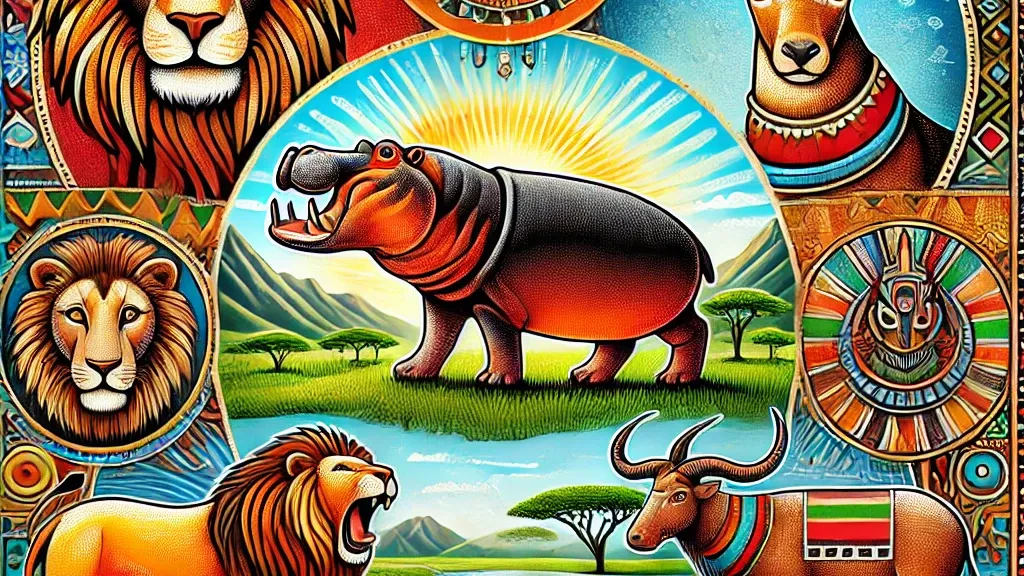
Shona totems, called mitupo (singular mutupo), are sacred symbols, usually animals, but sometimes body parts or natural elements. They belong to specific clans and act as guardians of ancestral identity.
Think of them as cultural DNA; family badges passed down through generations. If you share the same mutupo, you’re seen as siblings, even if you’ve never met. This creates instant bonds and clear boundaries.
Origins and Historical Roots
Shona totems trace back to Bantu migrations centuries ago.
As groups moved, settled, and formed clans, they adopted animals or elements they believed held ancestral spirits. These became guardians and symbols of protection.
The system helped organize society, prevent close-kin marriages, and even support conservation; you don’t hunt or harm your own totem.
Over time, totems became the foundation of clan identity, passed down patrilineally (through the father).
Common Shona Totems and Their Meanings
There are over 25 major totems, each with sub-names called chidao (praise names).
Here are some of the most recognized:
Shumba (Lion): Strength, bravery, leadership.
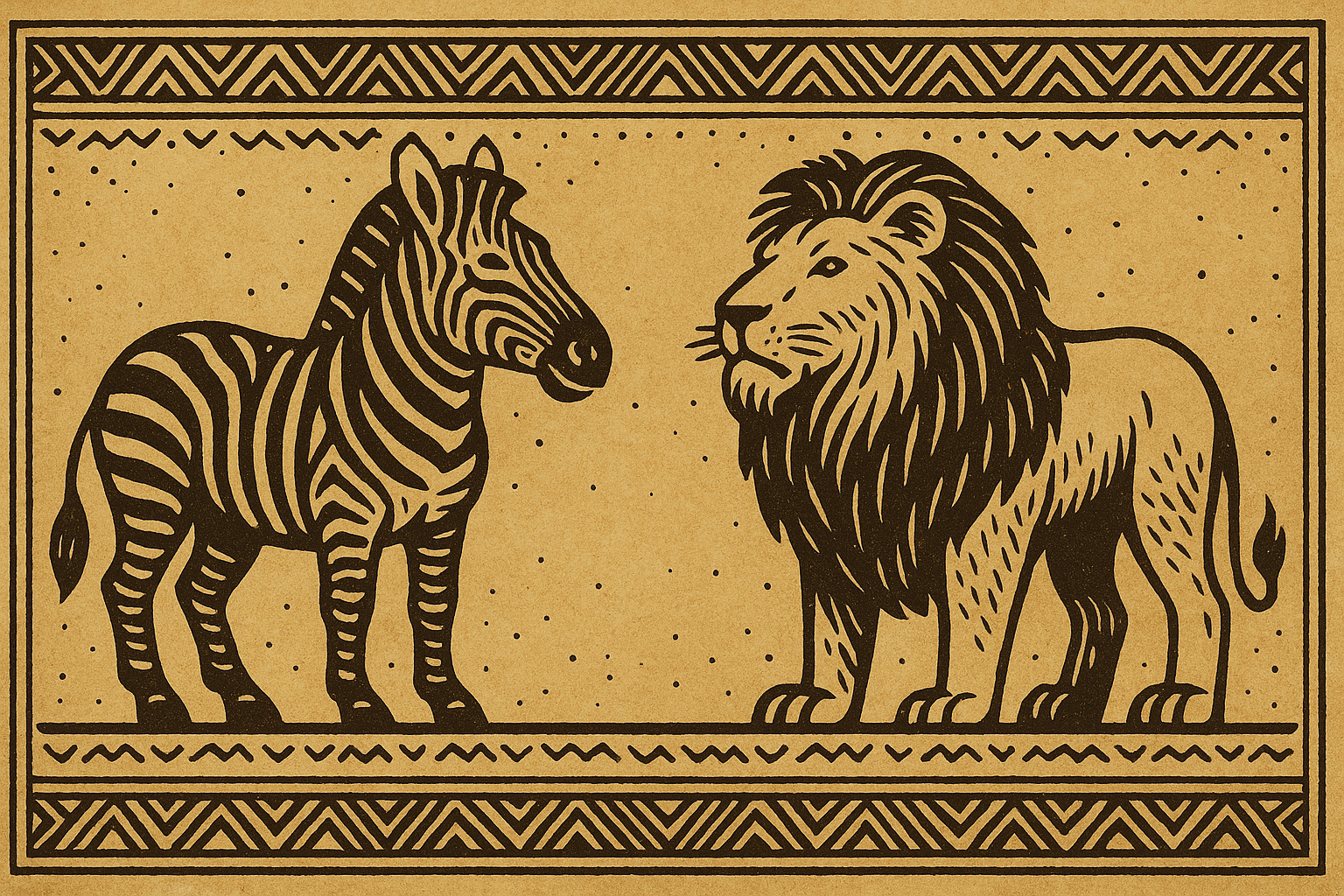
Mbizi (Zebra): Pride, dignity, integrity.
Nzou (Elephant): Wisdom, power, family protection.
Shava (Eland): Gentleness, endurance.
Gumbo (Leg): Resilience, movement.
Moyo (Heart): Life force, central importance.
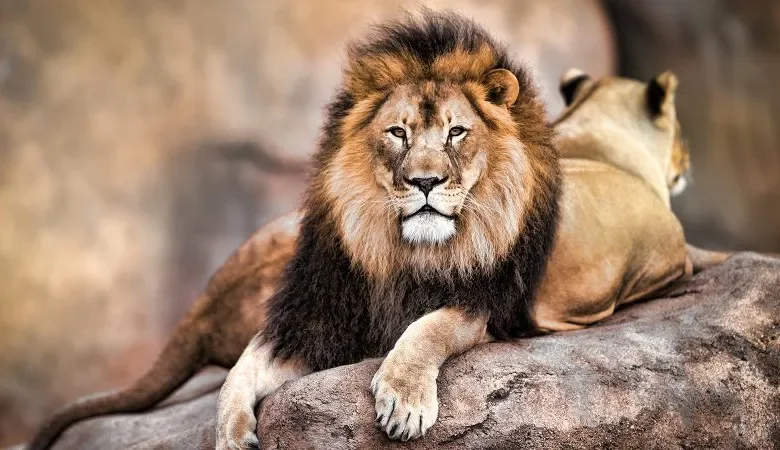
Each totem comes with praise poetry (detembo) that celebrates its qualities. When you meet someone with the same totem, you greet them with these praises – it’s like family code.
How Totems Shape Marriage and Family
Here’s where it gets practical.
People with the same mutupo are considered siblings, even if they’re not blood relatives.
That means you cannot marry someone who shares your totem; it’s considered incest.
This rule has kept clans distinct for generations.
The saying goes, “Rooranai vematongo”, meaning, marry people from known areas, but the real line is drawn at the totem.
In real life, when families discuss marriage, the first question is often: “Mutupo wavo ndechipi?” (What is their totem?)
It’s a built-in safeguard that protects lineage and respect.
Totems in Daily Life and Ceremonies
Totems show up constantly.
You don’t eat, hunt, or harm your totem animal. If your totem is tortoise (Kamba), you protect them.
In ceremonies, only same-totem people handle certain rituals, like burials.
Greetings often include totem praises – it’s a sign of respect and connection.
Greetings often include your mutupo: “Mhoro Shava!” It builds instant rapport.
Praise poetry (detembo) honors people by reciting their totem’s qualities and history. These poems are recited at ceremonies, weddings, or to show respect. They keep oral history alive.
Tembo Shumba Samaita – Zebra-Lion Totem Praise Poem, Heritage ...
Why Shona Totems Still Matter Today
Colonialism and Christianity challenged the system, but most Shona people still hold their mitupo close.
It remains a source of pride, especially in urban areas where people seek roots.
Younger generations use totems on social media, in music, and at family gatherings.
It’s not fading; it’s adapting.
Knowing your totem connects you to history, community, and even environmental respect.
Frequently Asked Questions
What does mitupo mean in Shona? Mitupo is the plural of mutupo, meaning totem or clan symbol.
How do I find my Shona totem? Ask family elders or check clan history. It’s usually inherited from the father.
Can someone change their totem? Rarely. It’s tied to ancestry, though some historical shifts happened due to migrations or alliances.
Are totems only animals? Mostly, but some are body parts (like Moyo/heart or Gumbo/leg) or elements (like Dziva/water).
Why don’t people eat their totem animal? It’s taboo—harming the totem brings misfortune or illness.
Do all Zimbabweans have totems? Shona people do, and some other groups have similar systems.
Final Thoughts
Shona totems are more than old traditions. They’re living links to ancestors, rules for respect, and sources of pride. Knowing your mitupo connects you to a bigger story; one of resilience and community.
If this opened your eyes to Shona heritage, take the next step. Head over to NKENNE to learn the language and dive deeper into the culture that makes it all meaningful. You’ll be glad you did.
Maita henyu for reading.