
Asking for Directions in Amharic: Navigate Addis Ababa and Ethiopian Cities Like a Local
By: Chimdindu Ken-Anaukwu
Getting lost in Addis Ababa's lively streets is easy; traffic, winding roads, and few signs make it challenging. But asking directions in Amharic changes everything. Ethiopians are eager to help when you use their language. In this guide, you'll learn the key phrases to confidently ask where things are and understand the answers, turning confusion into smooth navigation.
Why Amharic Directions Phrases Make a Difference
Ethiopian cities like Addis thrive on community. Locals respond warmly when you speak Amharic, even if your accent isn't perfect.
Using these phrases shows respect and opens doors to better directions—sometimes with extra tips or even an escort.
In a place where maps aren't always reliable, knowing how to ask builds confidence and deeper cultural connections.
The Essential Question: "Yet new?" (Where is...?)
Start with "yet new?" (የት ነው?) pronounced "yet new?" It means "where is?"
Add the place:
Hotel yet new? (Where is the hotel?)
Airport yet new? (Where is the airport?)
Gebeya yet new? (Where is the market?)
To be polite, begin with "yikirta" (excuse me) or "ebakih" (please, to a man) / "ebakish" (to a woman).
This simple structure works everywhere from Bole to Merkato.
Direction Basics: Left, Right, and Straight Ahead
Once someone points, listen for these:
Turn left: Wede gara taTef (ወደ ግራ ታጠፍ) – "weh-deh gah-rah tah-tef" (to a man) Or wede gara taTefi (to a woman).
Turn right: Wede qen taTef (ወደ ቀኝ ታጠፍ) – "weh-deh ken tah-tef" Or wede qen zur (turn right).
Go straight / straight ahead: QetTa hid (ቀጥታ ሂድ) – "qet-tah heed" Or qetTa menged (straight road).
These cover most instructions. Repeat them back to confirm.
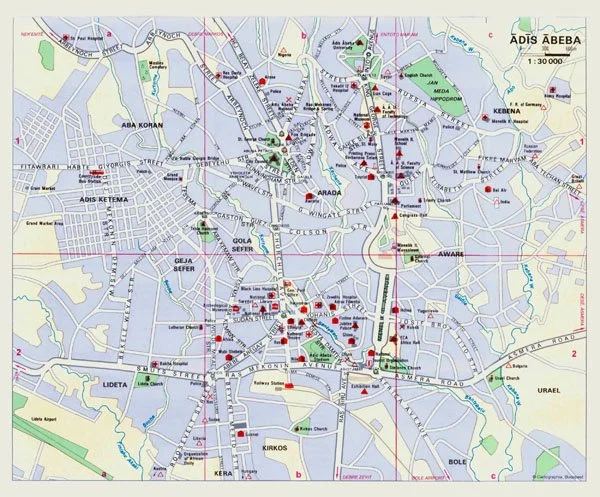
Large detailed roads map of Addis Ababa city.
Distance Indicators: Near and Far
Understanding distance helps decide if you walk or take a taxi.
Near / close: Qirb new (ቅርብ ነው) – "keerb new"
Far: Ruq new (ሩቅ ነው) – "rook new"
How far?: Sint ruq new? (How far is it?)
How many minutes?: Sint dqiqa new?
These answers are practical; 'qirb' often means 5-10 minutes on foot.
Navigating with Landmarks: Meskel Square and More
Landmarks make directions clearer in Addis.
Try: Meskel Square yet new? (መስቀል አደባባይ የት ነው?)
Other common ones:
Piassa yet new? (Where is Piassa?)
National Museum yet new? (Where is the National Museum?)
Locals use these as reference points. Knowing them helps you orient yourself quickly.
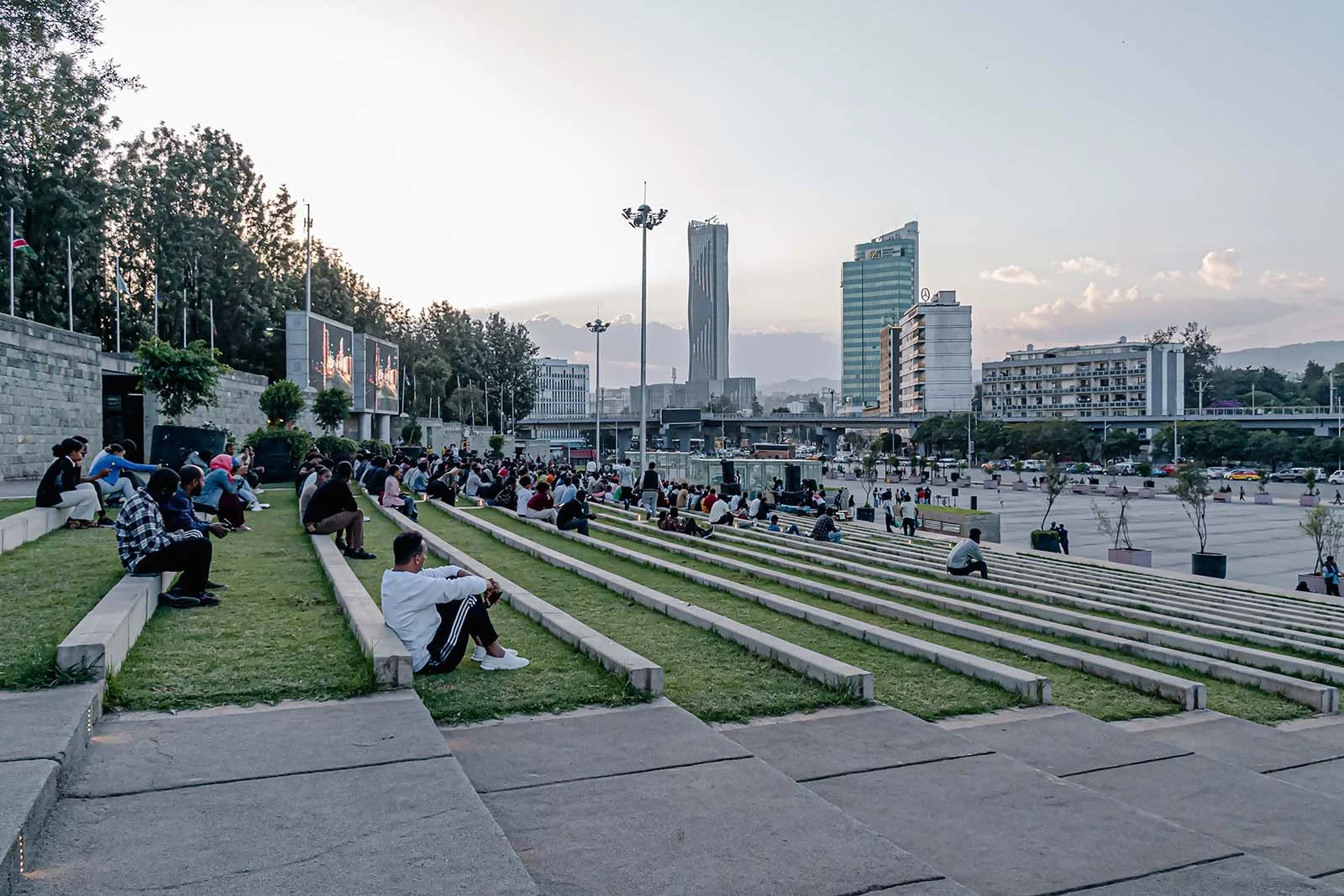
Revisit: Meskel Square in Addis Ababa, Ethiopia
Real-Life Scenarios: Taxis, Markets, and Walking
In a taxi: "Wede Meskel Square hid" (Go to Meskel Square).
At a market: "Qirb hotel yet new?" (Where is a nearby hotel?)
Walking: "Yikirta, qetTa hid?" (Excuse me, go straight?)
People often walk with you or point clearly. In crowded spots like Merkato, stay patient—the help is genuine.
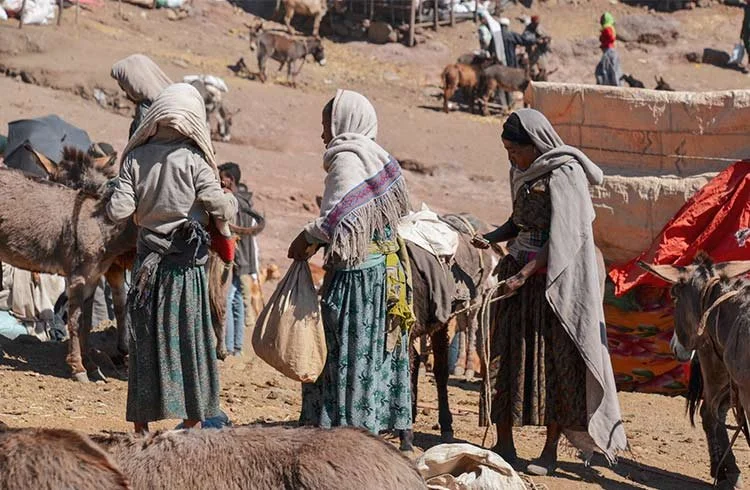
Lalibela Marke
Common Mistakes to Avoid
Don't assume English works; many prefer Amharic.
Avoid rushing; let the person finish.
Mispronouncing "qen" (right) as "ken" can confuse. Practise the soft 'q'.
If lost, repeat the place name slowly.
These fixes make interactions smoother.
FAQs
How do I say "where is the hotel" in Amharic?
Hotel yet new? (ሆቴል የት ነው?) Add "yikirta" for politeness.
What does "qetTa hid" mean?
It means "go straight." Use it when someone tells you to continue forward.
How do I ask someone to turn left or right?
Wede gara taTef (turn left) or wede qen taTef (turn right). Adjust for gender.
Is it rude to ask directions in English in Ethiopia?
Not rude, but Amharic shows respect and gets better responses.
What if I don't understand the answer?
Say "yikirta, endet?" (excuse me, how?) or ask them to repeat.
Are these phrases useful outside Addis?
Yes, they work across Ethiopia, from Gondar to Hawassa.
Conclusion
These Amharic directions phrases give you real independence in Ethiopian cities. You've got the tools to move freely, connect with locals, and experience the culture on your own terms. It's a small skill that opens up big adventures.
Ready to build more confidence? Join NKENNE's Amharic courses to practice directions and other everyday conversations. Your path to deeper cultural connection starts now.