
Master Poulet Yassa: Senegal's Tangy Onion-Lemon Classic and African French Vocabulary
By: Chimdindu Ken-Anaukwu
Ever tasted a dish where sharp lemon cuts through sweet onions, and every bite feels like home? That's Poulet Yassa, Senegal's go-to comfort food that turns simple ingredients into something unforgettable. This guide walks you through its origins, how it's made, vegetarian twists, and why it's a staple at family gatherings. Along the way, you'll pick up real African French vocabulary used in Senegalese kitchens and conversations, so you can talk about it like a local.
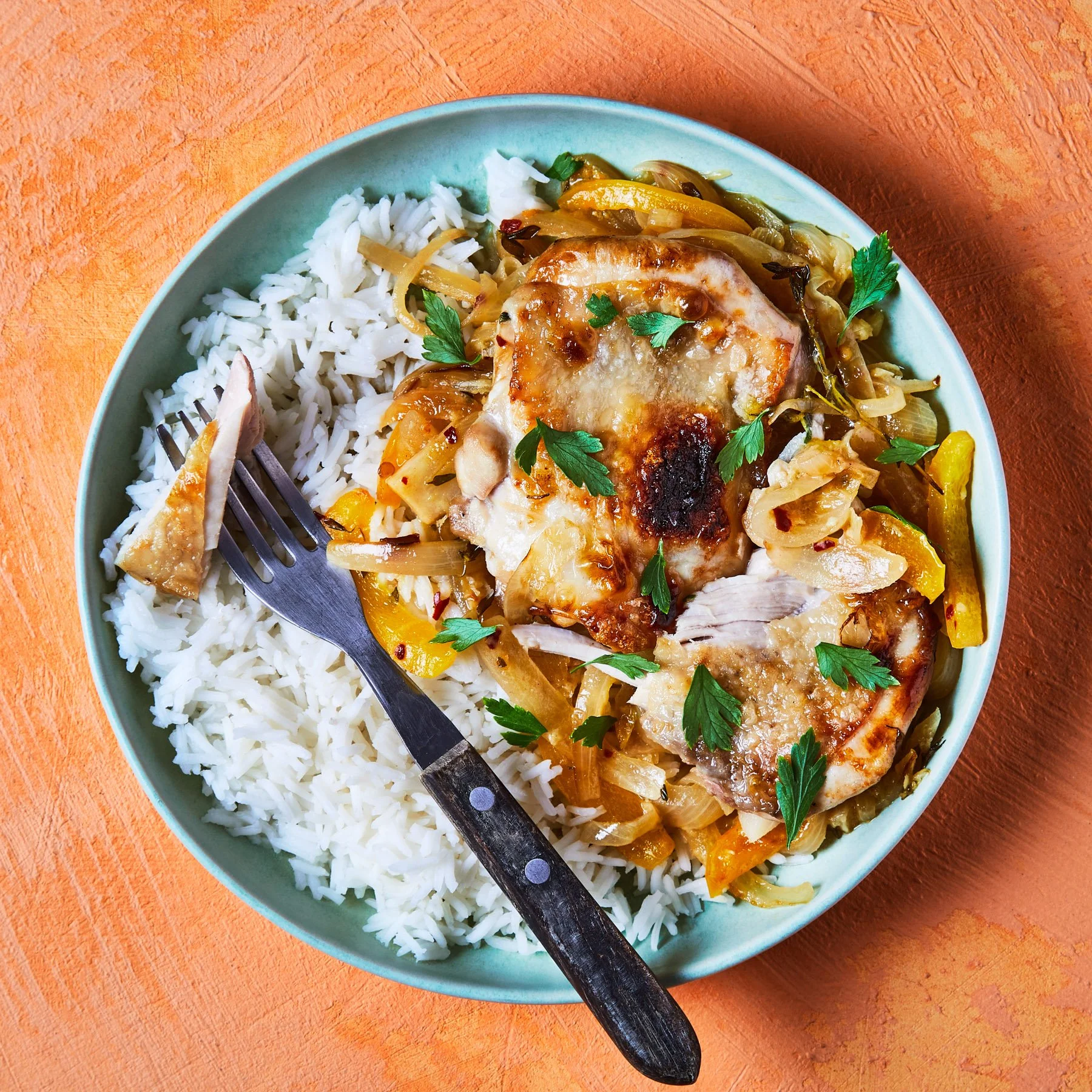
What Is Poulet Yassa?
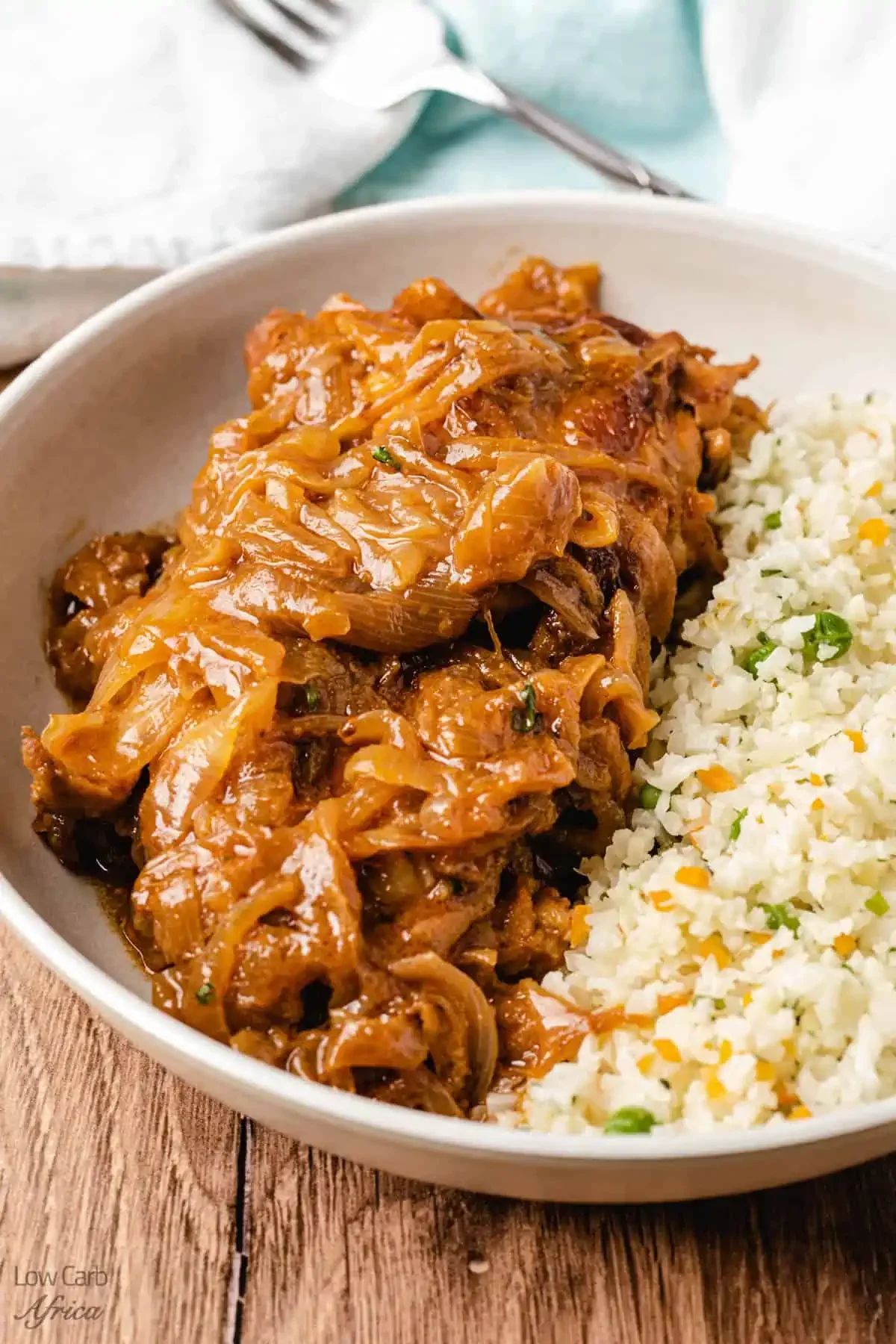
Poulet Yassa is a braised chicken dish marinated in lemon, mustard, and heaps of onions, then slowly cooked until everything melts together.
Locals call it yassa au poulet in French or yassa ganaar in Wolof—ganaar means chicken.
The magic comes from the contrast: tangy citrus against sweet caramelized onions, with a subtle kick from mustard and optional heat.
It's everyday food in Senegal, yet special enough for guests.
Origins in Senegalese Culture
Poulet Yassa comes from the Casamance region in southern Senegal, where lemons and onions grow plentifully.
It blends local Wolof traditions with French colonial touches, like Dijon mustard, from the 1600s to 1960s.
The name "yassa" likely ties to roasting or marinating methods, evolving into this signature stew.
Today it spreads across West Africa, showing how Francophone African food adapts and travels.
Core Ingredients and Their Names in African French
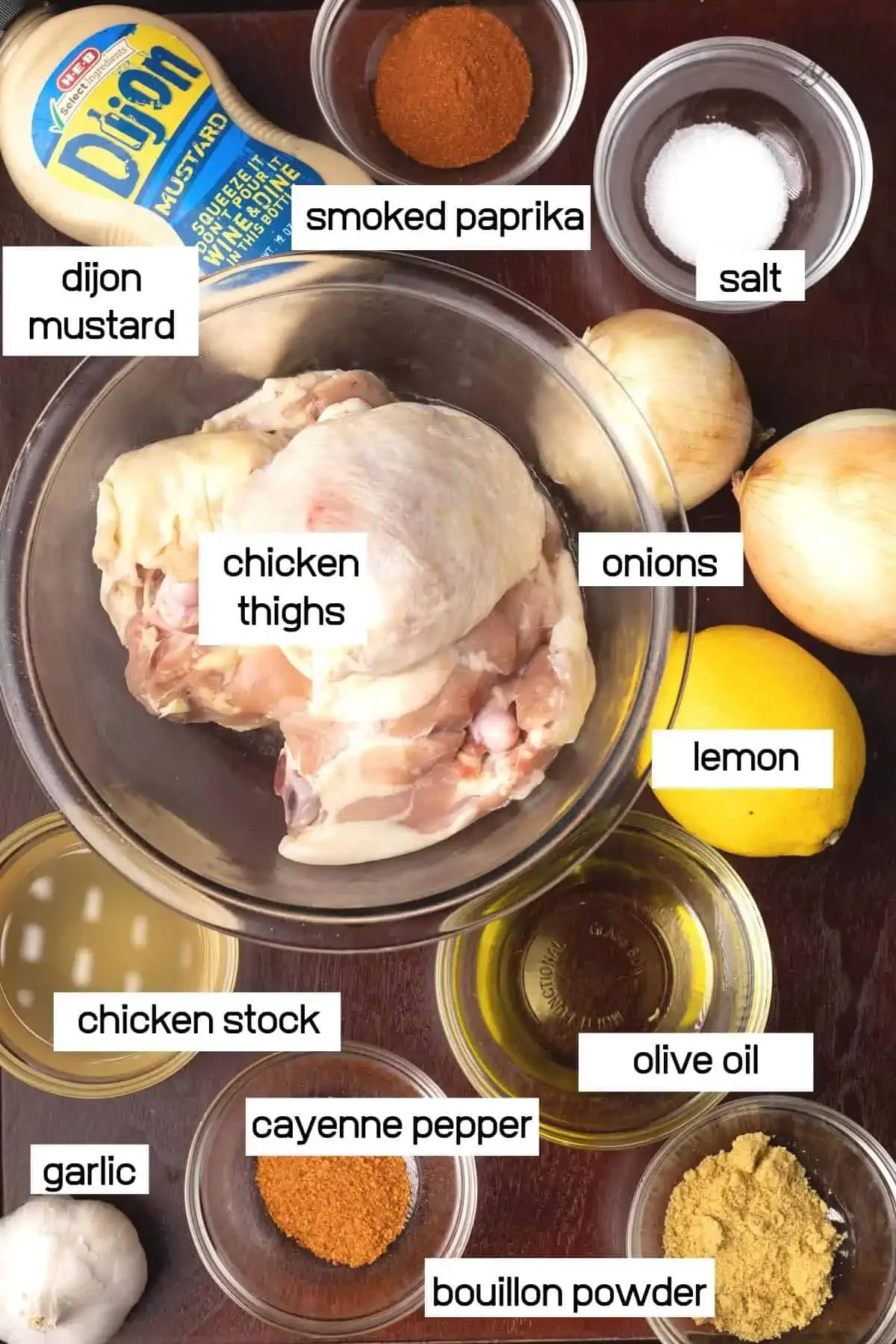
Chicken thighs or drumsticks work best—poulet (chicken), often bone-in for flavor.
Onions are the star—oignons sliced thin, sometimes pounds for one pot.
Lemon juice—jus de citron—gives the tang; fresh is key.
Dijon mustard—moutarde de Dijon—adds depth, a French legacy.
Garlic—ail—and bouillon—bouillon cube or Maggi—build savoriness.
Optional: Scotch bonnet pepper—piment—for heat, or olives—olives—in some versions.
Step-by-Step Preparation with Kitchen French
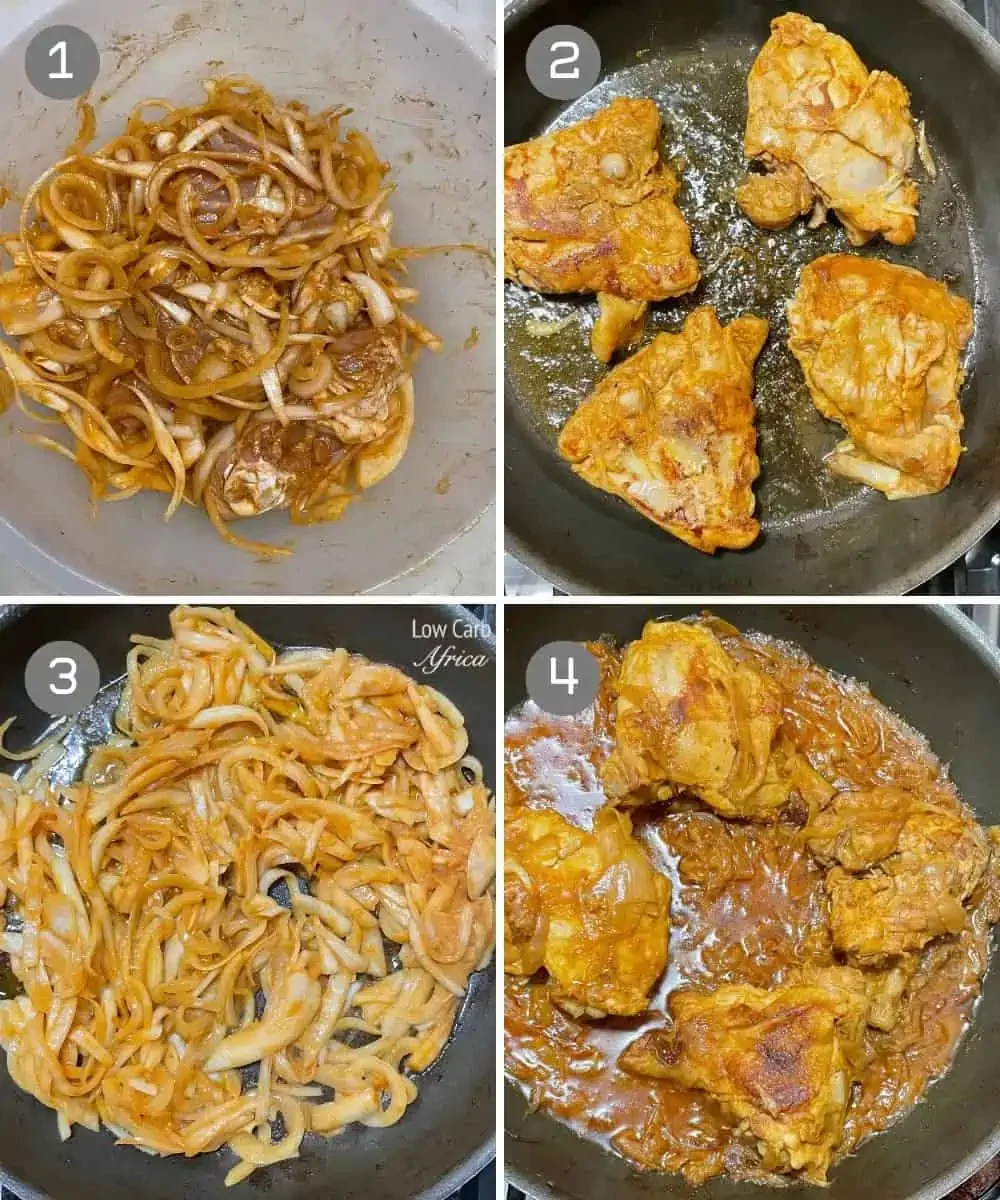
Marinate first: Mix jus de citron, mustard, garlic, salt, pepper, and half the oignons with the chicken. Let it sit a few hours or overnight, laisser mariner.
Sear the chicken: Brown pieces in oil, faire dorer le poulet, for color and flavor.
Caramelize onions: Cook the rest low and slow, faire revenir les oignons, until soft and sweet.
Combine and simmer: Add marinade, broth, and chicken back in. Cover and cook gently, laisser mijoter, for 30-45 minutes until tender.
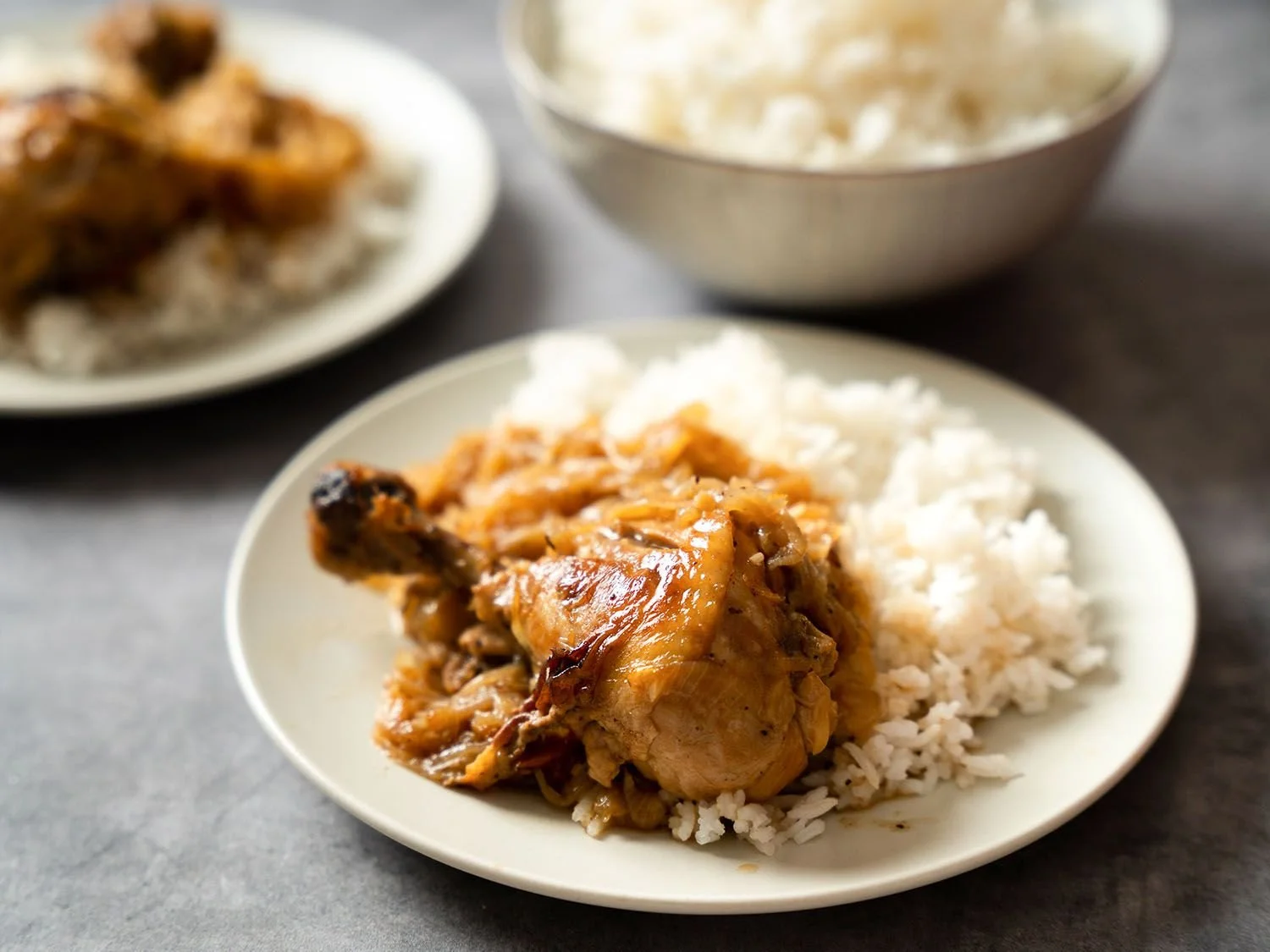
Serve hot. The sauce thickens naturally, perfect for soaking rice.
Vegetarian Adaptations
Swap chicken for firm tofu, tofu ferme, or hearty veggies like eggplant, aubergines, and mushrooms, champignons.
Marinate the same way, but shorten cooking time to avoid mushiness.
Use vegetable broth, bouillon de légumes, instead of chicken stock.
The tangy onion base stays the same, so it feels authentic while fitting plant-based diets.
Many Senegalese families make these tweaks for variety or guests.
How It's Served at Family Gatherings
Poulet Yassa shines at shared meals cooked in big pots for crowds.
It's plated family-style over rice, riz blanc, everyone digs in from one dish, embodying teranga (hospitality).
At weddings, Sundays, or visits, it brings people together, sauce poured generously.
The dish symbolizes abundance and connection in Senegalese life.
Credit: Low Carb Africa
Everyday Phrases to Use When Talking Yassa
At the table: "Le yassa est trop bon!" (The yassa is so good!)
Asking for it: "Je veux du poulet yassa avec beaucoup d'oignons, s'il te plaît." (I want chicken yassa with lots of onions, please.)
Complimenting: "Ta sauce est bien citronnée." (Your sauce is nicely lemony.)
Casual chat: "On mange du yassa ce soir?" (We're having yassa tonight?)
These bits of African French make you sound natural in Dakar or beyond.
FAQs
What makes Poulet Yassa different from other West African stews? The heavy lemon-onion-mustard combo sets it apart; tangy and sweet, not peanut-based like mafé.
How long should I marinate for authentic flavor? At least 3 hours, but overnight is best. Senegalese cooks often do this for deeper taste.
Is there a low-spice version for beginners? Yes, skip the piment entirely. The lemon and onions carry the dish without heat.
Why is Poulet Yassa popular at family events? It's easy to scale up, shares well, and represents teranga; welcoming everyone to the table.
Can I make Poulet Yassa in advance? Absolutely! Flavors improve overnight. Reheat gently with a splash of water.
What's the best side for Poulet Yassa? Plain white rice soaks the sauce perfectly; couscous or fonio work too in some regions.
Conclusion
Poulet Yassa captures Senegal's spirit: bold flavors from humble ingredients, shared with love. You've now got the history, the how-to, vegetarian options, and the words to talk about it confidently. This knowledge connects you deeper to Francophone West Africa.
Want to keep going? NKENNE offers real lessons in African French, recipes, and stories that bring these dishes to life. Dive in! Your next meal could spark a bigger conversation.