
Shona Stone Sculpture: From Ancient Traditions to Global Art Phenomenon
By: Chimdindu Ken-Anaukwu
Walk into a gallery filled with Shona stone sculptures and you feel something immediately.
The figures seem to breathe. Faces hold quiet emotion. Forms twist with energy that feels both ancient and alive.
This is not accident. Shona stone sculpture grew from deep cultural roots and exploded onto the world stage in the mid-20th century. What began as a quiet revival in Zimbabwe became one of Africa’s most celebrated modern art movements.
In this guide, I will show you how it started, the materials that make it possible, the artists who shaped it, and why these works continue to move people across the globe.
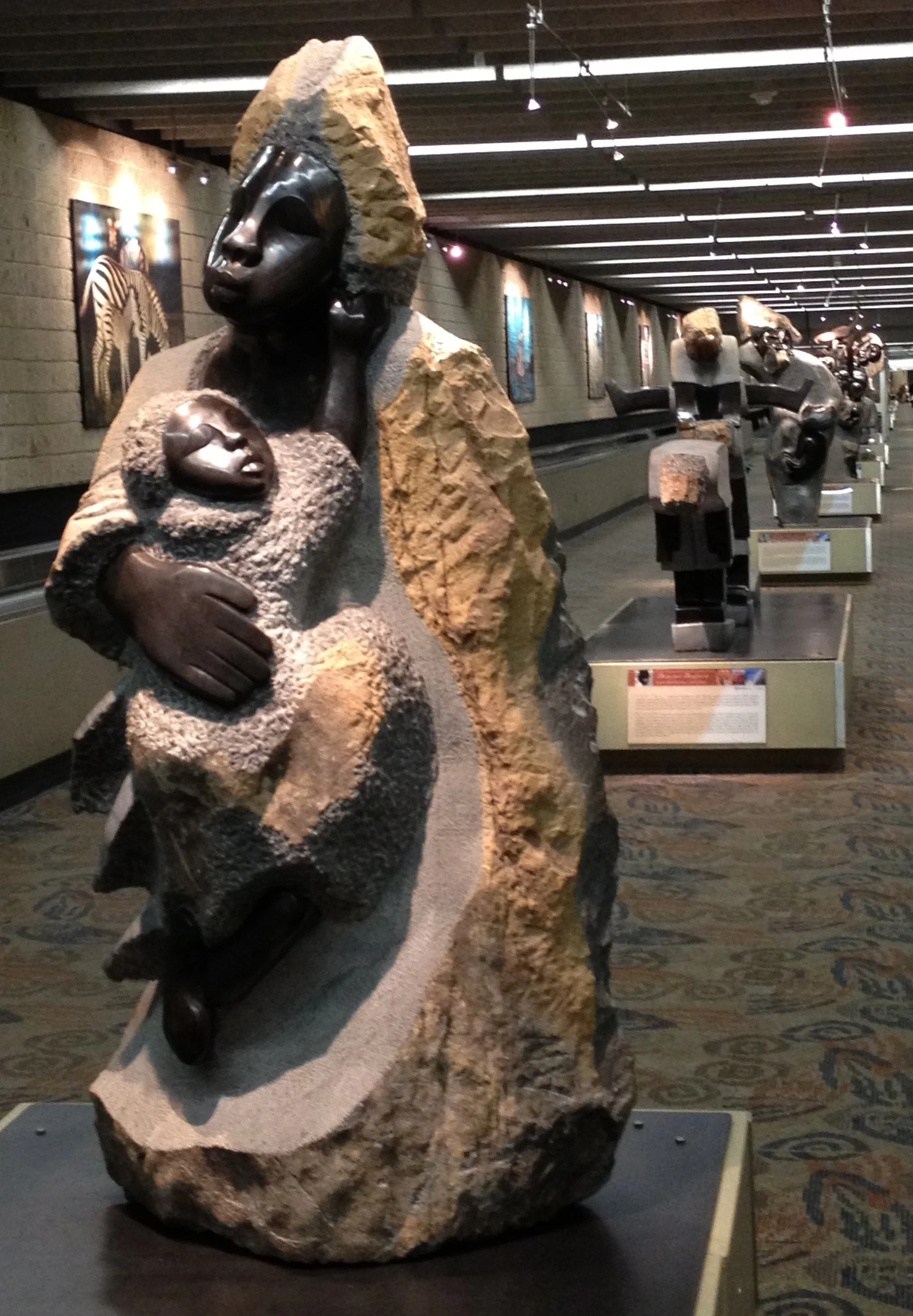
Ancient Roots and Cultural Foundations
Shona people have long lived with stone.
The great dry-stone walls of Great Zimbabwe and other ancient sites show a deep familiarity with shaping hard materials. While large-scale figurative sculpture was not a continuous tradition in the same way, the cultural groundwork was already there: respect for ancestors, belief in spirits that inhabit the natural world, and a strong sense of form and presence.
This foundation became important when modern artists began carving again.
The 1950s–60s Revival
The modern movement took clear shape in the late 1950s.
Frank McEwen, the first director of the National Gallery in Salisbury (now Harare), encouraged local artists to explore their own cultural imagination. He started a workshop school that gave people tools, space, and freedom.
At the same time, Joram Mariga was already experimenting independently in the eastern highlands. Many regard him as the father of modern Shona sculpture. McEwen saw his work and supported the wider movement.
Artists were not taught European styles. They were urged to look inward, to their stories, dreams, and spiritual beliefs. The results were powerful and original. By the 1960s and early 1970s, major exhibitions in Paris, London, and New York introduced the world to this new African voice.
Serpentine, Springstone, and the Artist’s Material
The success of the sculpture rests heavily on the stone itself.
Most serious work is carved from hard serpentine, especially the dense variety known as springstone. These stones come from the Great Dyke region of Zimbabwe. They are tough, fine-grained, and capable of taking a high polish.
Artists often begin with the rough outer layer and work inward to the hard core. The process is physical and demanding. The final polished surface can range from deep black-green to mottled browns and reds. The material itself seems to hold light and depth, which adds to the emotional power of the finished piece.

Themes of Legends, Family, and Spirituality
Shona sculptors rarely aim for pure realism.
Instead they express inner worlds. Common themes include family bonds, ancestral presence, spiritual transformation, animals with human qualities, and quiet human emotion. Figures may show mothers and children, elders, spirit beings, or beings caught between human and animal form.
The best works feel like they carry stories without needing words. They speak of protection, longing, dignity, and connection to something larger than the individual.
Profiles of Famous Sculptors
Several names stand at the heart of the movement.
Joram Mariga is widely called the father of modern Shona sculpture. Working largely independently at first, he helped open the path for others and remained a respected mentor.
Nicholas Mukomberanwa is often regarded as one of the most technically and emotionally powerful artists of the first generation. His work shows strong form, spiritual intensity, and a distinctive personal style.
Henry Munyaradzi became one of the most recognizable and sought-after names. His pieces are known for their elegant simplicity and the quiet strength of the faces he created.
Bernard Matemera explored the boundary between human and animal, producing works full of spiritual force and metamorphosis.
Other important first-generation figures include Joseph Ndandarika, Sylvester Mubayi, John Takawira, and Boira Mteki. Many later artists learned through family lines, keeping the tradition alive across generations.
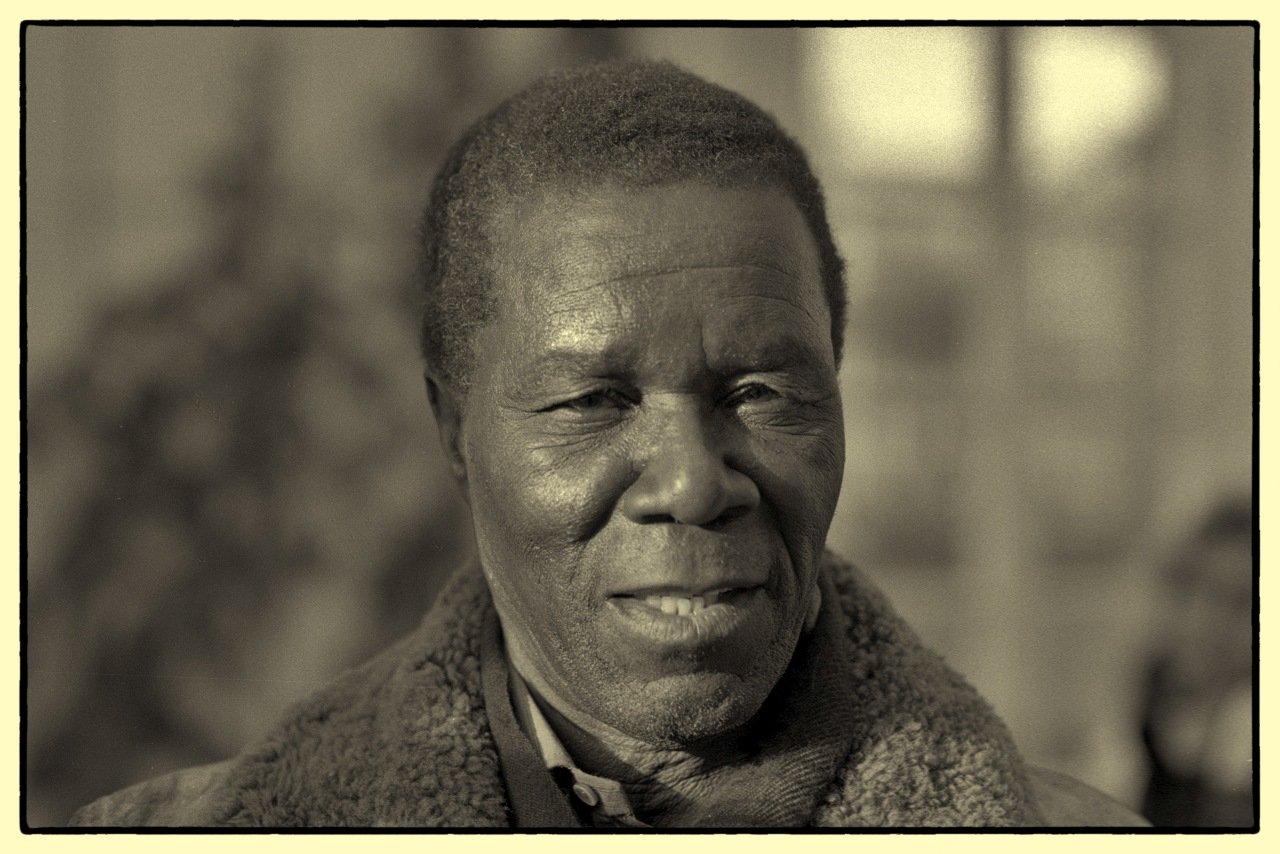
Joram Mariga,"father of stone sculpture" in Zimbabwe
Why These Pieces Feel Alive
Part of the power comes from the process.
Many sculptors describe looking at a raw stone until they “see” the form already inside it. Their work is then an act of releasing what is already present. Combined with deep cultural themes and the natural beauty of the polished stone, the finished sculptures often feel inhabited.
They hold emotion without sentimentality. They feel grounded and spiritual at the same time. This quality is what first captured international attention and continues to draw collectors and admirers today.
Frequently Asked Questions
When did modern Shona stone sculpture begin?
The movement took clear shape in the late 1950s and grew strongly through the 1960s, with major international recognition in the early 1970s.
Who is considered the father of Shona sculpture?
Joram Mariga is widely regarded as the father of the modern movement.
What stone is most commonly used?
Hard serpentine, especially springstone, is the preferred material for serious work.
What themes appear most often?
Family, ancestral spirits, human emotion, animals, and spiritual transformation are central.
Why do the sculptures feel so emotional?
Artists often work from cultural memory and personal vision, aiming to reveal the spirit they sense within the stone.
Is Shona sculpture still active today?
Yes. New generations continue the tradition, and the work remains highly valued worldwide.
Shona stone sculpture stands as one of the clearest examples of African creativity meeting the world on its own terms.
It grew from cultural depth, skilled hands, and a willingness to look inward. The best pieces still stop people in their tracks because they feel inhabited by feeling and spirit.
If this opened your eyes to the power of Shona art, keep exploring with NKENNE. We are here for the culture, the history, and the living pride that these works continue to carry.
Maita henyu for reading. The stone still speaks.