
The Rise of the Amhara People: From Highland Kingdoms to Cultural Powerhouse
By: Chimdindu Ken-Anaukwu
The story of Ethiopia cannot be told without the Amhara people. From the central highlands, they helped build one of Africa’s oldest continuous states, elevated Amharic into a language of power and literature, and left a deep imprint on national identity. Their rise was neither sudden nor simple. It grew through kingdoms, dynasties, faith, and resilience. In this guide, you will trace how the Amhara became a cultural powerhouse and why their influence still shapes Ethiopia today.
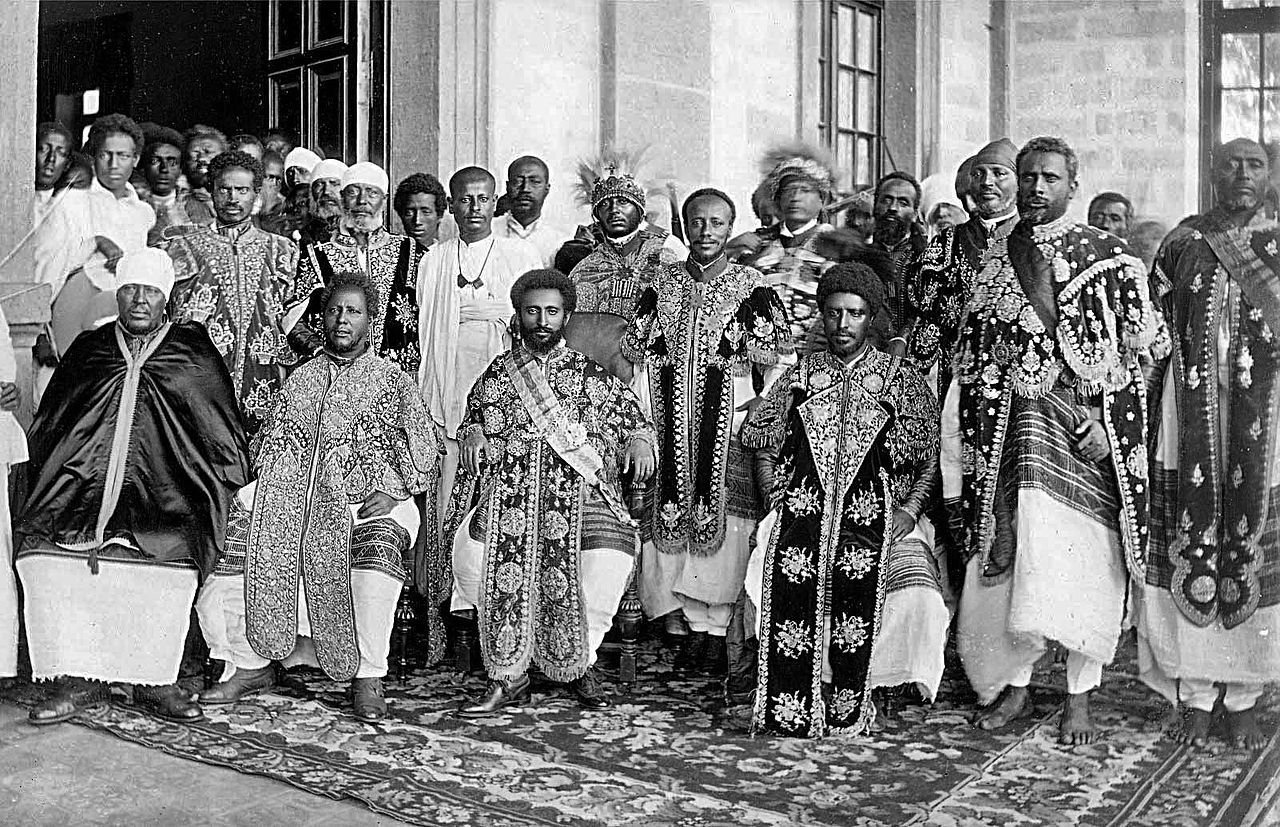
Origins in the Ethiopian Highlands
The Amhara people emerged in the central highlands of what is now Ethiopia. Their early history is tied to the broader Semitic-speaking world that developed after the Aksumite period.
By the 12th century, sources already mention the Amhara as a distinct group. They lived in a region that would later be called Bete Amhara, the “House of Amhara.” This area sat south of the older political centers and gradually grew in importance.
Agriculture, highland fortresses, and Christian monastic networks helped shape their early society.
The Fall of the Zagwe and the Rise of a New Dynasty
In 1270, a decisive shift occurred. Yekuno Amlak, a noble from the Amhara region of Shewa, overthrew the last Zagwe ruler.
This marked the beginning of the Solomonic dynasty. The new rulers moved the political center southward into Amhara heartlands. What had once been a peripheral zone became the core of the Christian kingdom.
This change redirected the course of Ethiopian history for the next seven centuries.
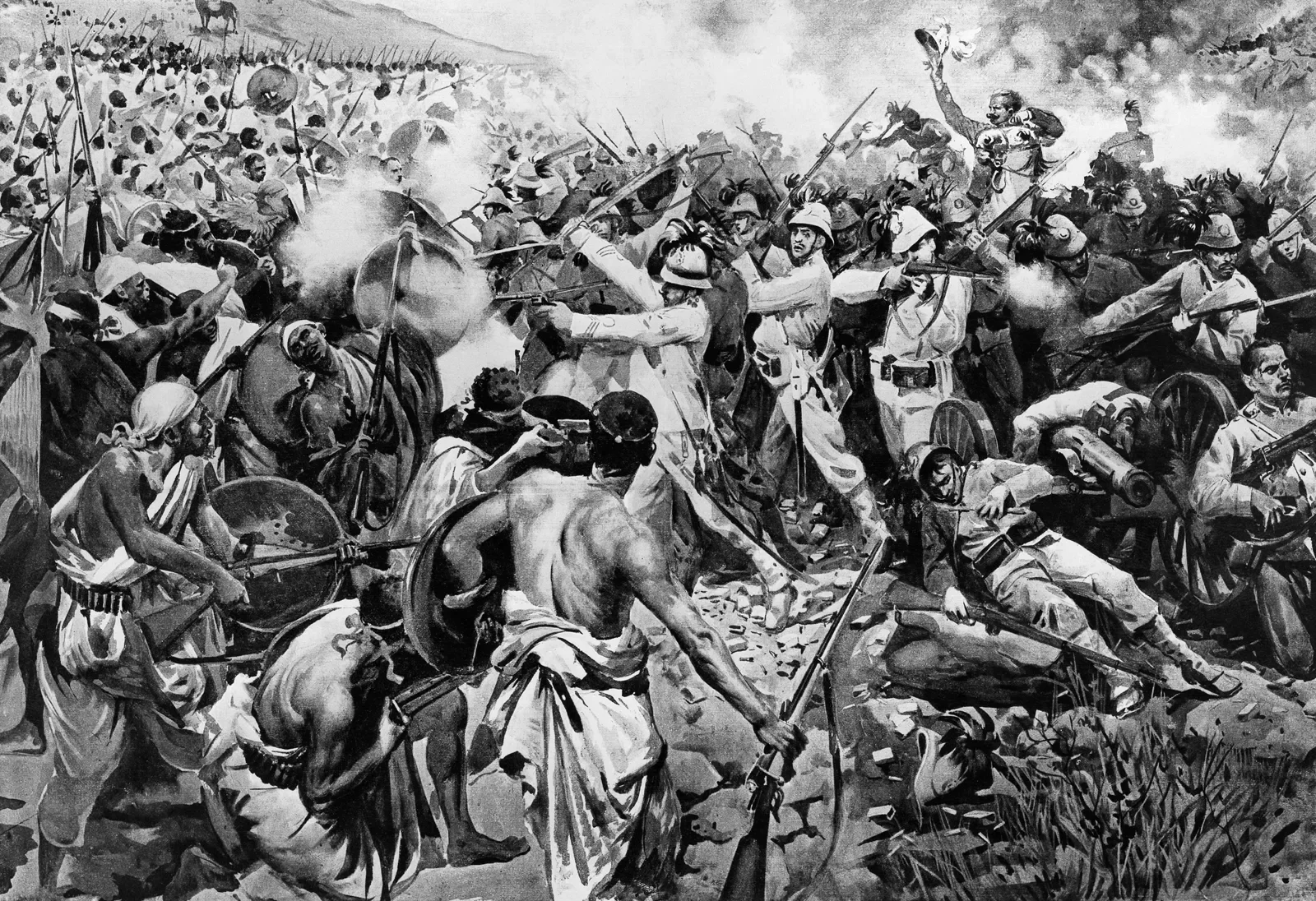
The Solomonic Claim and National Identity
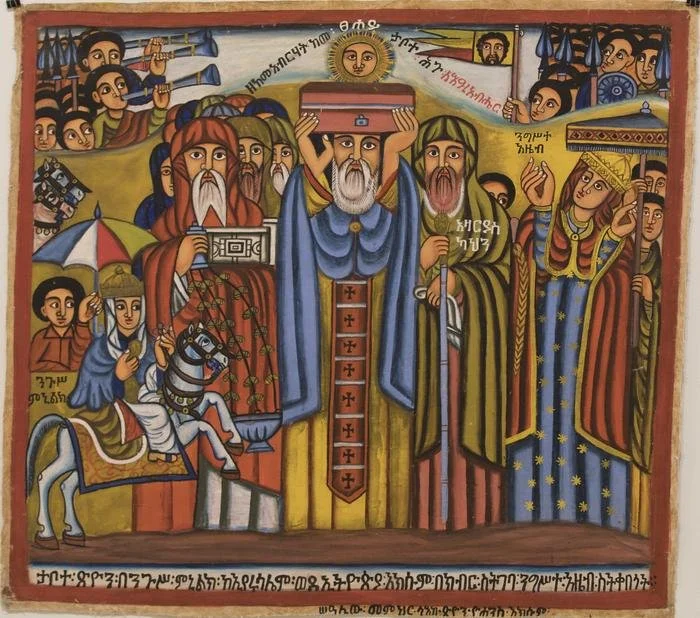
The new dynasty claimed descent from the biblical King Solomon and the Queen of Sheba through their son Menelik I.
This claim was formalized in the Kebra Nagast, Ethiopia’s national epic. It linked the Amhara-led monarchy to ancient Israelite and Aksumite heritage. The story gave the rulers powerful legitimacy and helped create a shared historical narrative across the highlands.
The idea of a continuous Solomonic line became one of the strongest pillars of Ethiopian identity.
Expansion, Administration, and Cultural Leadership
Under emperors such as Amda Seyon in the 14th century, the kingdom expanded significantly. The Amhara heartland supplied many of the administrators, soldiers, and church leaders who governed the growing state.
Royal courts were often mobile, moving across the highlands to maintain control. Monasteries in Amhara regions flourished and produced important religious and literary works.
Over time, Amhara provinces such as Shewa, Gojjam, and Begemder became central to both politics and culture.
Amharic as the Language of Power and Unity
Amharic developed as a spoken language in the central highlands and gradually rose to prominence.
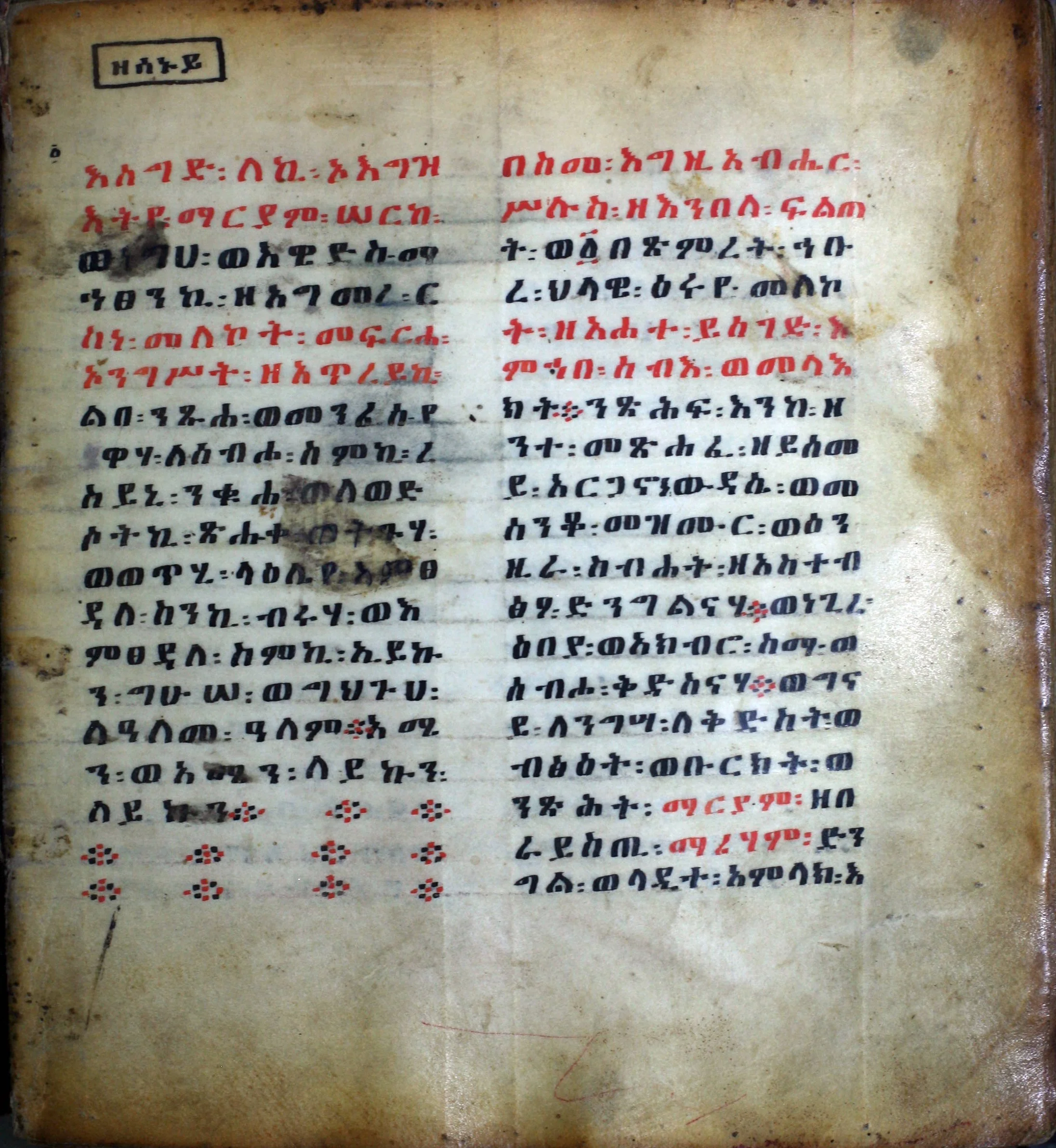
As the Solomonic court used it more widely, Amharic became the language of administration, literature, and inter-regional communication. It absorbed influences from Ge’ez, Cushitic languages, and local traditions while remaining clearly Semitic.
By the modern era, Amharic had become the primary language of government and education. Its spread helped create a shared cultural space even as Ethiopia remained highly diverse.
Key Historical Contributions
Amhara rulers and communities contributed to several lasting institutions:
The continuity of the Ethiopian Orthodox Church as a national force
The development of written literature in both Ge’ez and Amharic
Administrative systems that held a multi-ethnic empire together for centuries
Architectural and artistic traditions visible in churches and manuscripts
Military organization that defended highland independence
These contributions helped Ethiopia maintain a unique identity in the face of external pressures.
Lasting Influence on Ethiopian Culture
Amhara culture left deep marks on Ethiopian life. Orthodox Christian practices, highland music and dance styles, traditional clothing, and many shared customs carry Amhara influence.
Amharic itself remains one of the most widely spoken languages in the country and a major vehicle for literature, media, and education. Proverbs, poetry, and historical storytelling in Amharic continue to shape how many Ethiopians understand their past.
Modern Relevance of This History
Understanding the rise of the Amhara people helps explain why Amharic became so central and why highland traditions still carry cultural weight.
It also provides context for Ethiopia’s complex modern identity. The same historical processes that built a strong state also created tensions that later generations continue to navigate. History here is both a source of pride and a living conversation.
FAQs
Who are the Amhara people?
The Amhara are a major ethnolinguistic group of the Ethiopian highlands. They speak Amharic and have played a central role in the country’s political and cultural history.
When did the Amhara rise to political power?
Their major political rise began in 1270 with Yekuno Amlak’s overthrow of the Zagwe dynasty and the founding of the Solomonic line.
What is the connection between the Amhara and the Solomonic dynasty?
The founder of the restored Solomonic dynasty came from the Amhara region. Most subsequent emperors until 1974 were of Amhara origin.
How did Amharic become so important?
It grew as the language of the royal court and administration, then spread as a lingua franca across much of Ethiopia.
Did the Amhara invent Ethiopian culture?
No. Ethiopian culture is the product of many peoples. The Amhara contributed significantly to state-building, language, and Orthodox Christian traditions that became widely shared.
Why does this history still matter today?
It explains the deep roots of Amharic language and highland culture, and it provides context for understanding Ethiopia’s long tradition of statehood and identity.
Conclusion
The rise of the Amhara people is a story of highland resilience, political vision, and cultural creativity. From regional kingdoms to the heart of a lasting empire, they helped shape the language, institutions, and historical consciousness of Ethiopia.
Their journey shows how a people can move from the margins to the center and leave an enduring mark on a nation’s soul. Understanding this history deepens appreciation for the Amharic language and the complex tapestry of Ethiopian identity.
At NKENNE, we believe stories like this connect language learners to the living heritage behind the words. Explore our Amharic lessons and cultural guides to continue the journey into Ethiopia’s past and present.