
Muriwo Unedovi: Peanut Butter Greens That Turn Simple Veggies into Magic
By: Chimdindu Ken-Anaukwu
There is something special about opening a pot of muriwo unedovi.
The rich aroma of peanut butter mixed with tender greens fills the kitchen and instantly feels like home.
This humble dish turns ordinary leafy vegetables into something deeply satisfying, creamy, and nourishing. It is one of the most loved relishes in Shona homes, and for good reason.
In this guide, I will show you an easy, authentic way to make muriwo unedovi that tastes just like the one your grandmother or auntie serves. You will also learn its cultural roots and simple tips to get it right every time.
What Is Muriwo Unedovi?
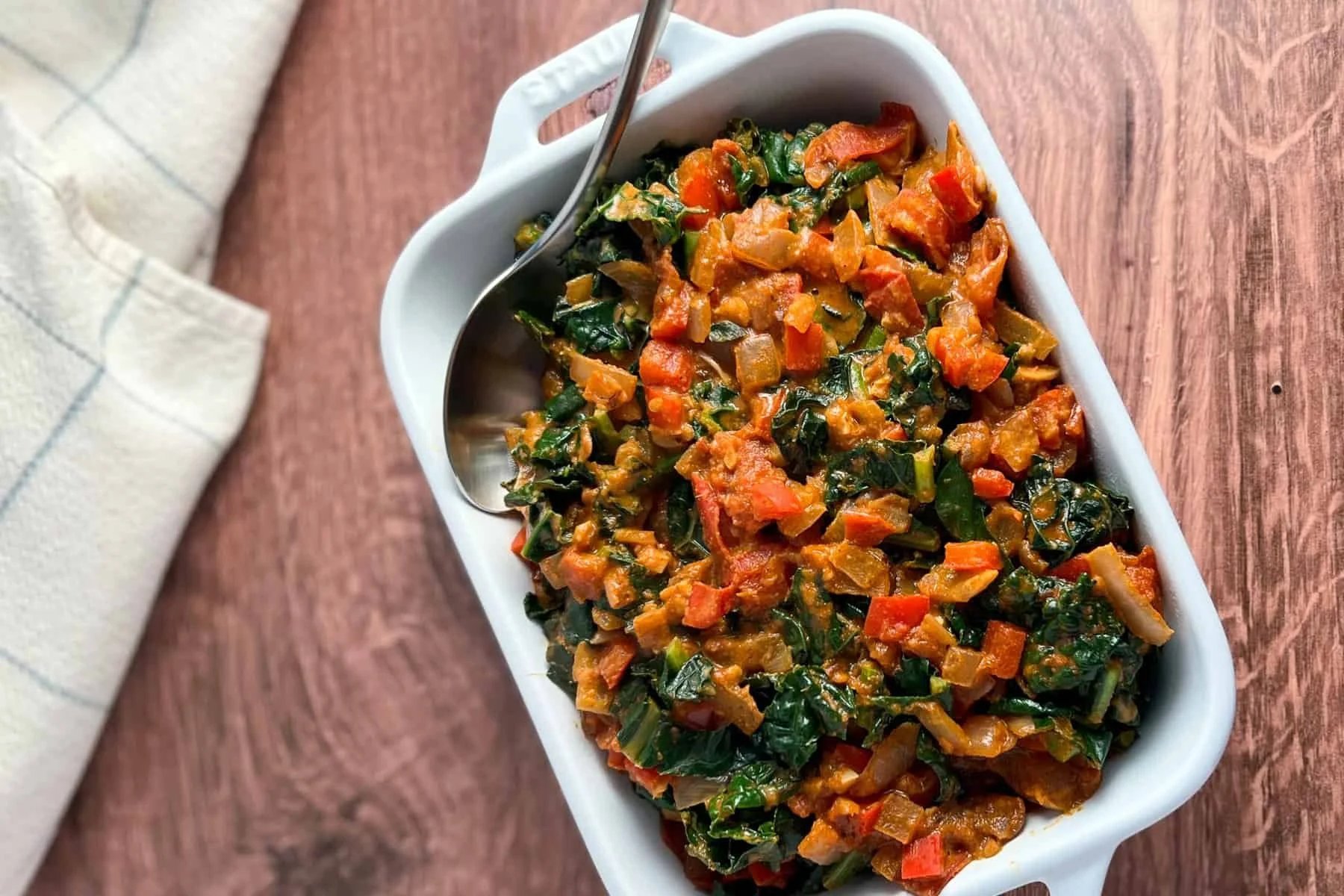
Muriwo unedovi means “greens with peanut butter” in Shona.
It is a traditional relish made by simmering leafy greens in a smooth peanut sauce. The result is a savory, nutty, and slightly sweet dish that pairs beautifully with sadza.
It is naturally vegan, high in protein, and has been a staple in Zimbabwean kitchens for generations. Whether you are in Harare, Bulawayo, or the diaspora, this dish brings comfort and pride to the table.
Key Ingredients and Their Shona Names
Ingredients (Serves 4–6):
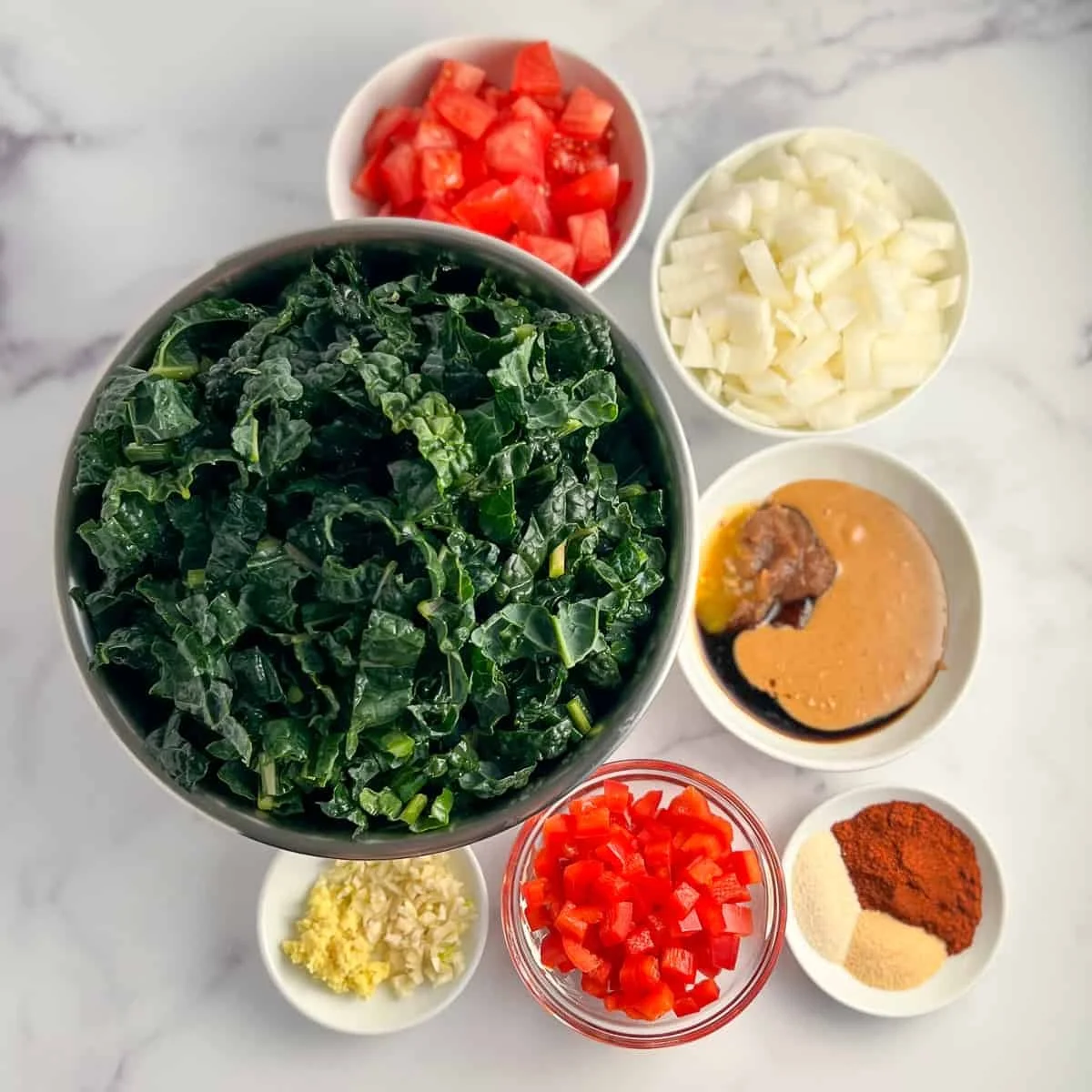
500g fresh leafy greens (covo, rape, kale, or pumpkin leaves) – muriwo
4–5 tablespoons peanut butter (natural, no sugar added) – dovi
1 medium onion, chopped
2 medium tomatoes, chopped
2 cloves garlic, crushed (optional)
1 teaspoon salt (or to taste)
1–2 cups water
2 tablespoons cooking oil
Fresh ingredients ready for muriwo unedovi – vibrant greens and creamy peanut butter are the stars.
Easy Muriwo Unedovi Recipe
Prep time: 15 minutes
Cook time: 25–30 minutes
Step-by-Step Cooking Guide
Wash the greens thoroughly and chop them into small pieces. Set aside.
Heat oil in a pot over medium heat. Add chopped onion and cook until soft and golden.
Add chopped tomatoes and garlic. Cook for 3–4 minutes until the tomatoes break down into a sauce.
In a separate bowl, mix the peanut butter with 1 cup of warm water until smooth and creamy.
Pour the peanut butter mixture into the pot. Stir well and let it simmer gently for 5 minutes.
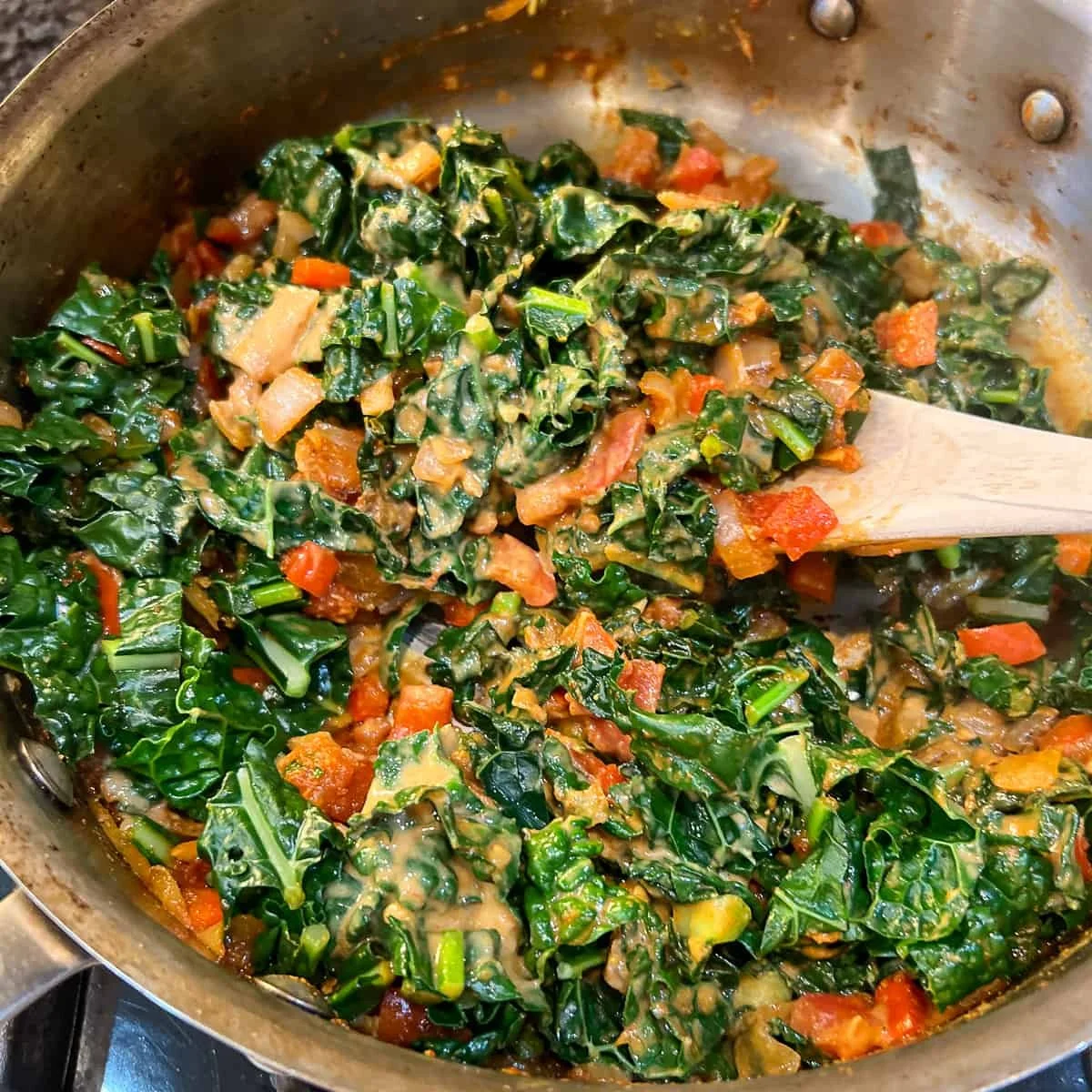
Add the chopped greens and salt. Stir everything together. If the mixture looks too thick, add a little more water.
Cover and simmer on low heat for 15–20 minutes, stirring occasionally, until the greens are tender and the sauce is thick and creamy.
Taste and adjust salt if needed. Turn off the heat and let it rest for a few minutes before serving.
The greens simmering in rich peanut sauce – this is where the magic happens.
Variations and Helpful Tips
Use different greens: Covo and rape give the most traditional taste, but kale or spinach work well too.
Make it thinner or thicker: Add more water for a soupier version, or less for a thicker relish.
Add protein: Some families stir in a handful of roasted peanuts or cooked beans.
Avoid boiling too hard: Gentle simmering keeps the peanut sauce smooth and prevents it from splitting.
Serving Suggestions
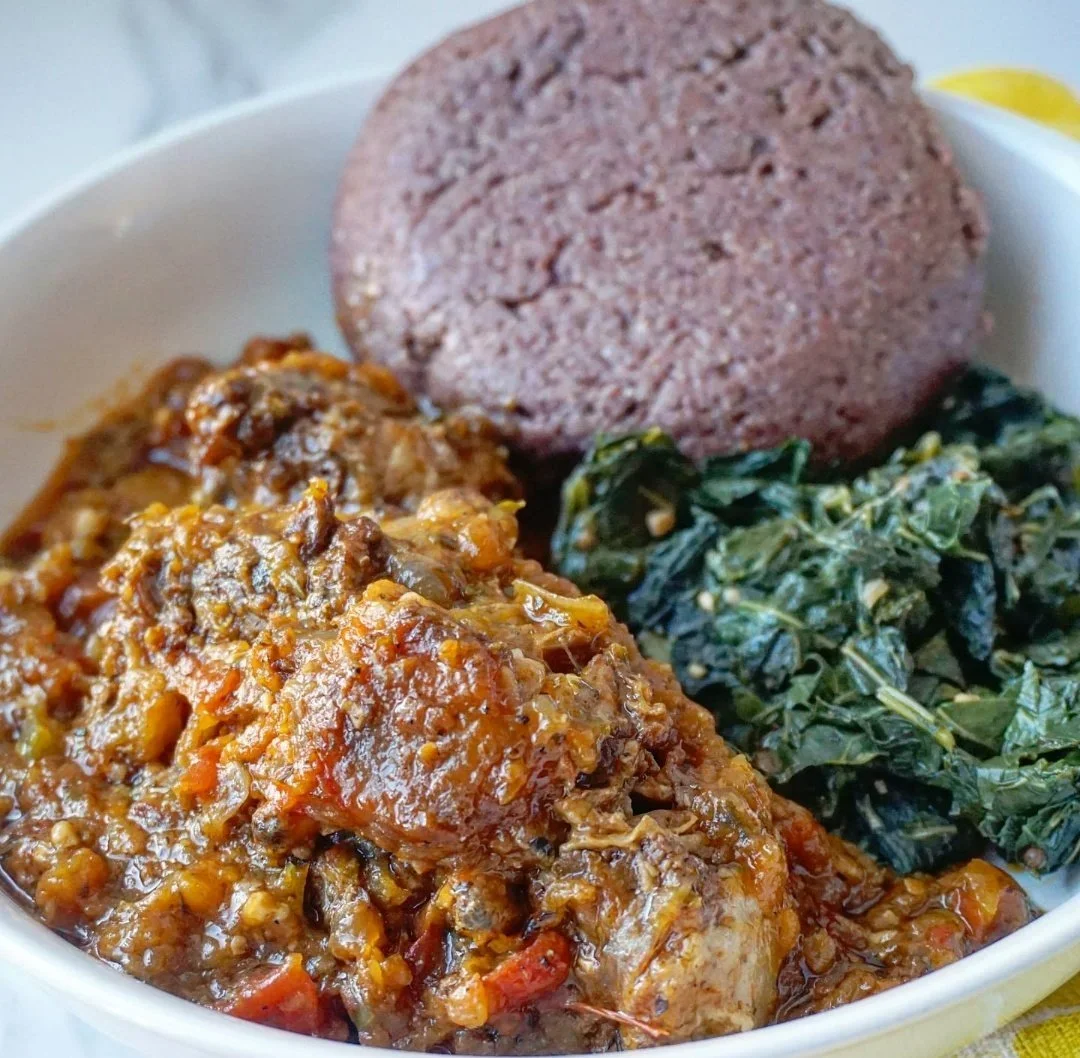
Serve hot with sadza as the main relish.
It also pairs wonderfully with:
Grilled or fried chicken
Fresh sadza ne nyama
Plain rice or boiled potatoes
A simple meal of sadza, muriwo unedovi, and maybe a little avo on the side is pure comfort.
A generous serving of muriwo unedovi ready to enjoy with sadza – the perfect Zimbabwean plate.
Frequently Asked Questions
What does muriwo unedovi mean?
It literally means “greens with peanut butter” in Shona.
Can I use any peanut butter?
Use natural peanut butter with no added sugar or oil for the most authentic taste.
Which greens are best for muriwo unedovi?
Traditional choices are covo (collard greens) or rape. Kale is an excellent modern substitute.
Is muriwo unedovi healthy?
Yes. It is packed with vitamins, fiber, and plant-based protein from the peanut butter.
How long does it last in the fridge?
It keeps well for 2–3 days in an airtight container. Reheat gently with a splash of water.
Can I make it without oil?
Yes. Many home cooks make it oil-free by cooking the onions in a little water first.
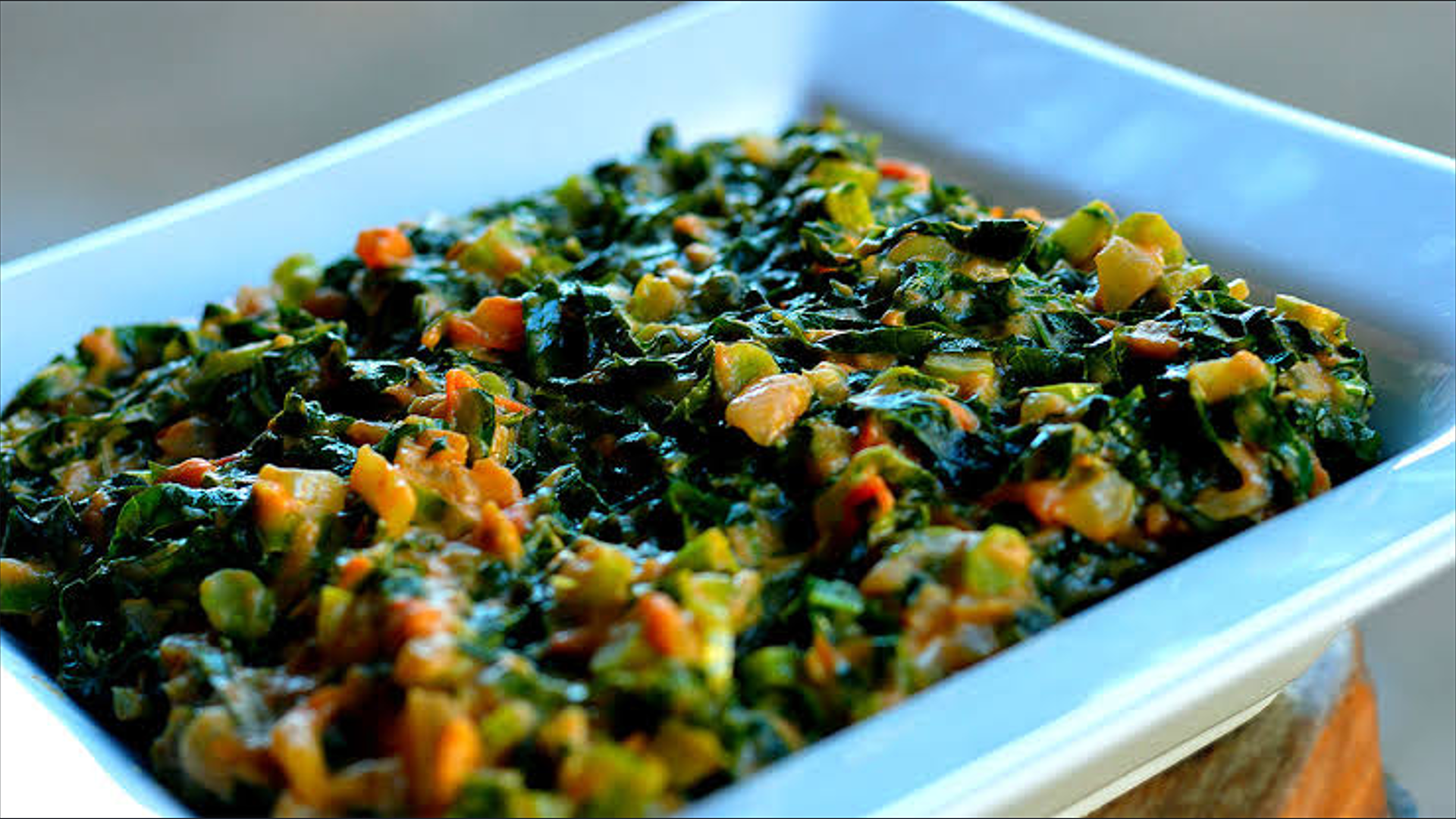
Muriwo unedovi proves that the simplest ingredients, when treated with care, can create something truly special.
It is more than just food. It is a taste of Shona heritage that nourishes both body and soul.
Try making it this week. Your kitchen will smell incredible, and your plate will taste like home.
If you enjoyed this recipe, keep exploring with NKENNE. We’re here for the real Shona flavors, the language, and the cultural pride that makes every meal meaningful.
Maita henyu for cooking with us.
Enjoy your muriwo unedovi! 🍲