
Africa as the Future of French: Why 85–90% of Speakers Will Live on the Continent by 2050
By: Chimdindu Ken-Anaukwu
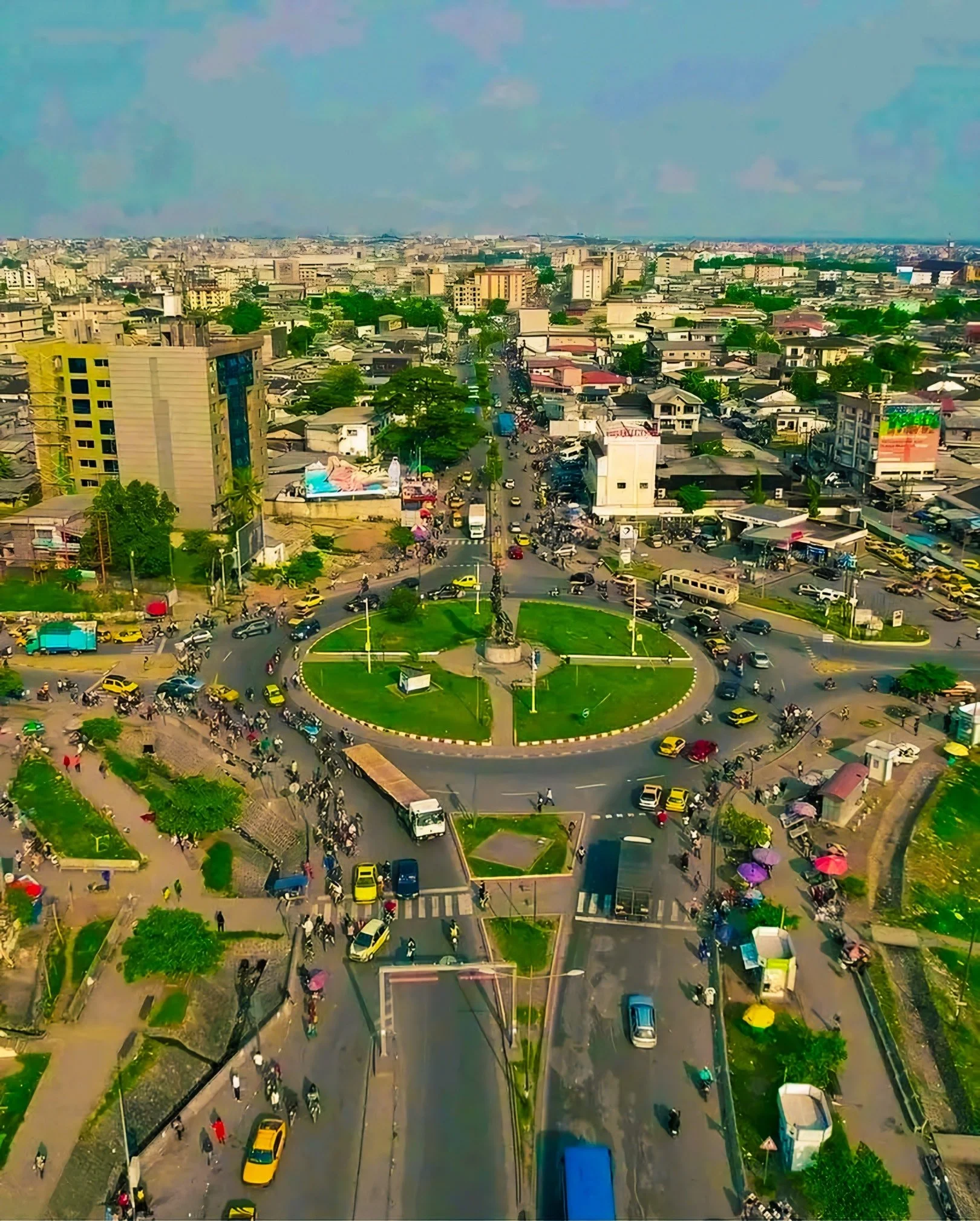
Walk through the streets of Kinshasa, Abidjan, or Dakar today. You hear French spoken with energy, creativity, and local rhythm. More people now speak French in Kinshasa alone than in Paris. This shift is not temporary. According to projections from the Organisation internationale de la Francophonie (OIF), by 2050, Africa will be home to 85–90% of the world’s French speakers. The language’s beating heart has moved south. This guide explores the demographics driving this change, the explosive energy of African youth, and why the future vitality of French now lives firmly in Africa rather than Paris.
The Numbers: From Minority to Majority
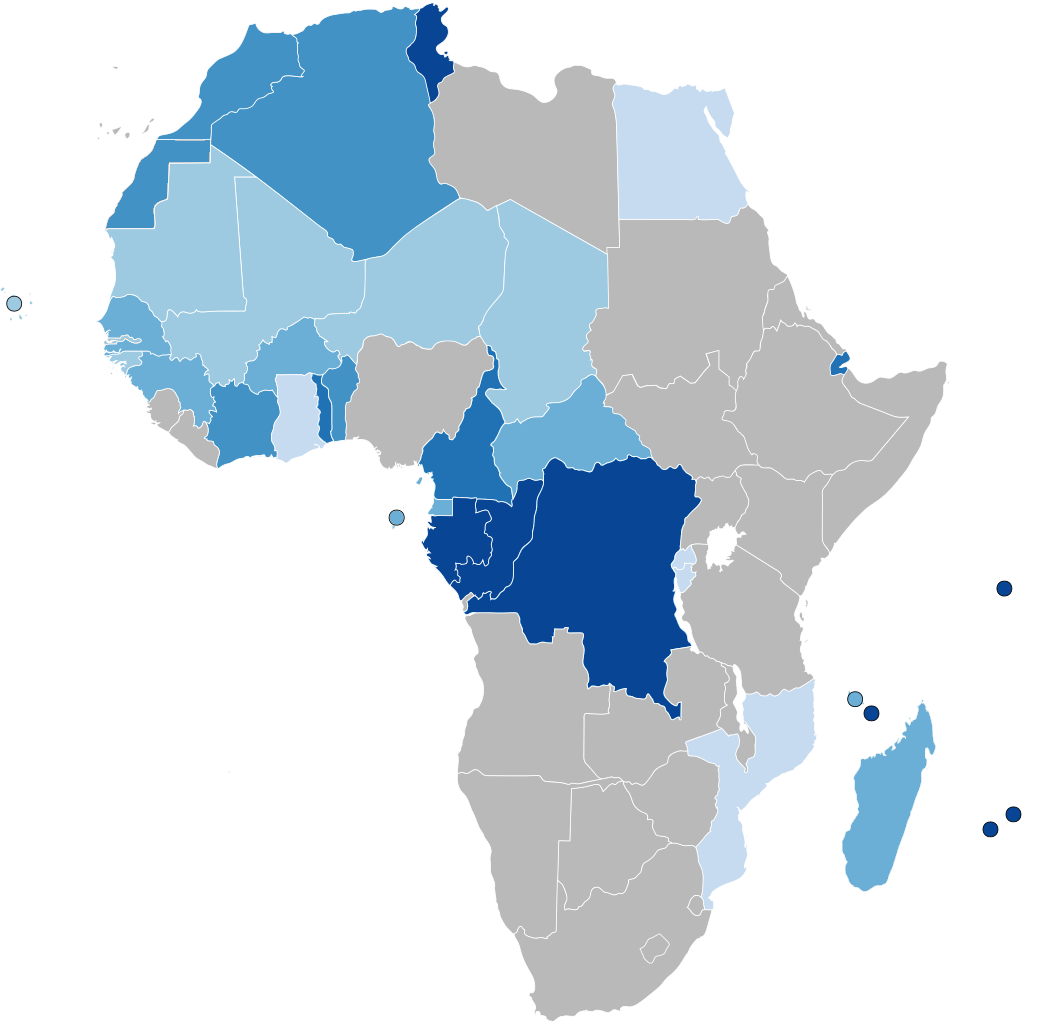
Today, roughly 396 million people speak French worldwide. About 65% of them already live in Africa. By 2050, OIF projections show the total could reach 590–750 million speakers, with 85–90% on the African continent.
This means Africa will not just have the most French speakers. It will define what French sounds like, how it evolves, and where its cultural center sits.
For context: more French speakers live in the Democratic Republic of Congo today than in France itself. Countries like Senegal, Côte d’Ivoire, Cameroon, and Mali add millions more.
Demographic Boom: The Engine Behind the Growth
High birth rates across Francophone Africa drive this transformation. While Europe’s population ages and birth rates stay low, many African countries maintain strong population growth combined with improving literacy and school enrollment.
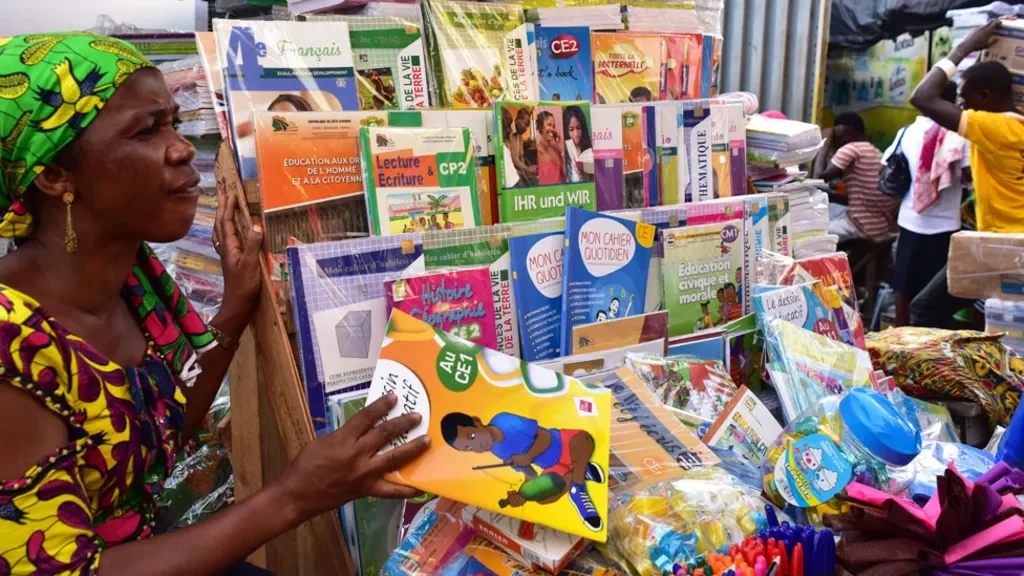
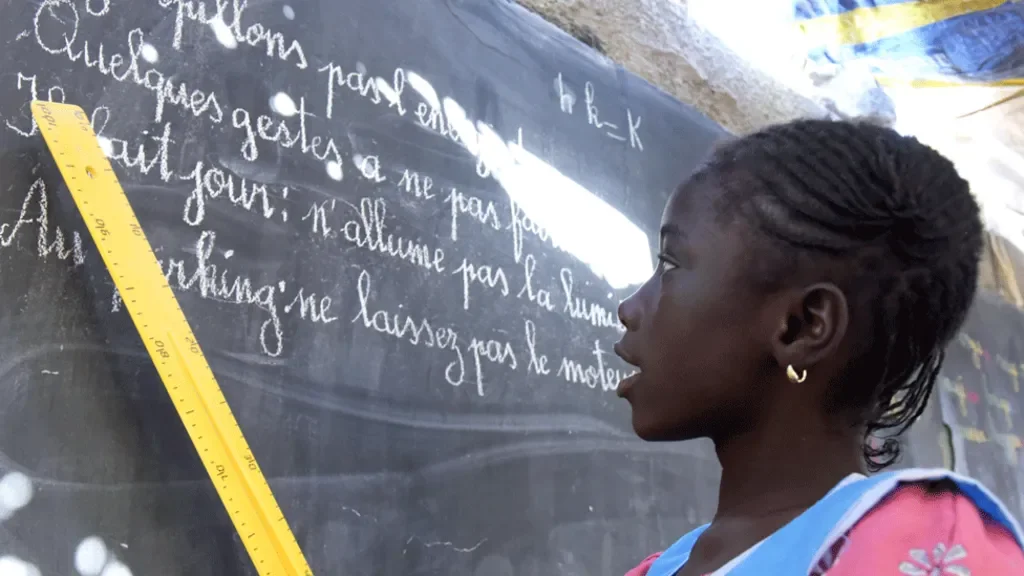
Sub-Saharan Africa has the world’s youngest and fastest-growing population. As more children attend school and learn French as the language of instruction or administration, the number of speakers rises rapidly.
Literacy gains matter too. Every improvement in education in countries like Burkina Faso, Mali, or Madagascar adds hundreds of thousands of new French users.
This is not about replacement. It is about expansion. French grows alongside local languages, creating rich multilingual realities.
African Youth: The New Guardians of French
The average age in many Francophone African countries hovers in the low-to-mid teens. These young people use French daily on social media, in music, business, and education.
They do not just speak French. They remix it. Words and structures from Wolof, Bambara, Lingala, or Pidgin blend in naturally. This creates dynamic varieties that feel fresh and alive.
African youth drive trends in music (Afrobeats, coupé-décalé, rap), TikTok slang, and digital content. Their creativity keeps French relevant for a new generation instead of letting it feel like a distant colonial leftover.
How African French Is Reinventing the Language
African varieties add color and efficiency. Structures like emphatic “même,” Nouchi slang in Côte d’Ivoire, Camfranglais in Cameroon, and rhythmic phrasing from Central Africa enrich the language.
These innovations travel. Young people in Paris suburbs and global music scenes adopt African expressions. The flow is now two-way, with Africa influencing the “standard” more than ever before.
French in Africa stays practical. It serves education, government, business, and pan-African connection while coexisting with mother tongues.
Beyond Numbers: Cultural and Economic Power
French gives access to regional trade, education, and opportunities across 29 African countries where it holds official status. It also opens doors to global markets, literature, and diplomacy.
Culturally, Africa produces many of the most exciting French-language writers, musicians, filmmakers, and thinkers today. The stories, humor, and perspectives coming from the continent are reshaping Francophone identity.
Economically, a young, French-speaking African population represents enormous potential for innovation, entrepreneurship, and partnerships.
What This Means for Learners and the Diaspora
Learning French today means connecting with vibrant African realities rather than only European ones. Mastering African French vocabulary, expressions, and cultural context makes your skills more relevant and authentic.
For the African diaspora, this shift brings pride. The language many inherited now carries forward-looking power centered on the continent.
FAQs
Is the 85–90% figure by 2050 exact?
It is a projection based on current population trends, birth rates, and education growth from the OIF. Actual numbers will depend on schooling investments and stability, but the direction is clear.
Will African French replace European French?
No. It will influence and coexist with it. The language will become more diverse, with African varieties gaining greater global weight.
Why is youth energy so important?
Young Africans use French creatively in daily life, music, and digital spaces. They keep the language dynamic and relevant instead of static.
Does this growth mean English is losing ground in Africa?
Not necessarily. Many Africans are multilingual. French and English often complement each other, especially in business and technology.
How can I learn more African-style French?
Focus on real conversations, music lyrics, market phrases, and cultural context. Resources that highlight West and Central African usage make a big difference.
What role does education play?
Huge. Every increase in school enrollment in Francophone Africa directly adds new French speakers and strengthens the language’s future.
Conclusion
Africa is not just part of the French-speaking world. It is rapidly becoming its center. By 2050, the vast majority of French speakers will be African, bringing youthful energy, creativity, and cultural depth that will define the language for generations.
This is a story of vitality, ownership, and pride. French thrives today because millions of young Africans make it their own every single day.
Want to speak the French that reflects this exciting future? NKENNE specializes in authentic African French, cultural context, and practical skills that connect you to the real heart of the language. Start your journey today. The future of French is speaking right now in Africa.