
Meskel: The Bonfire Festival That Lights Up Ethiopia Every September
By: Chimdindu Ken-Anaukwu
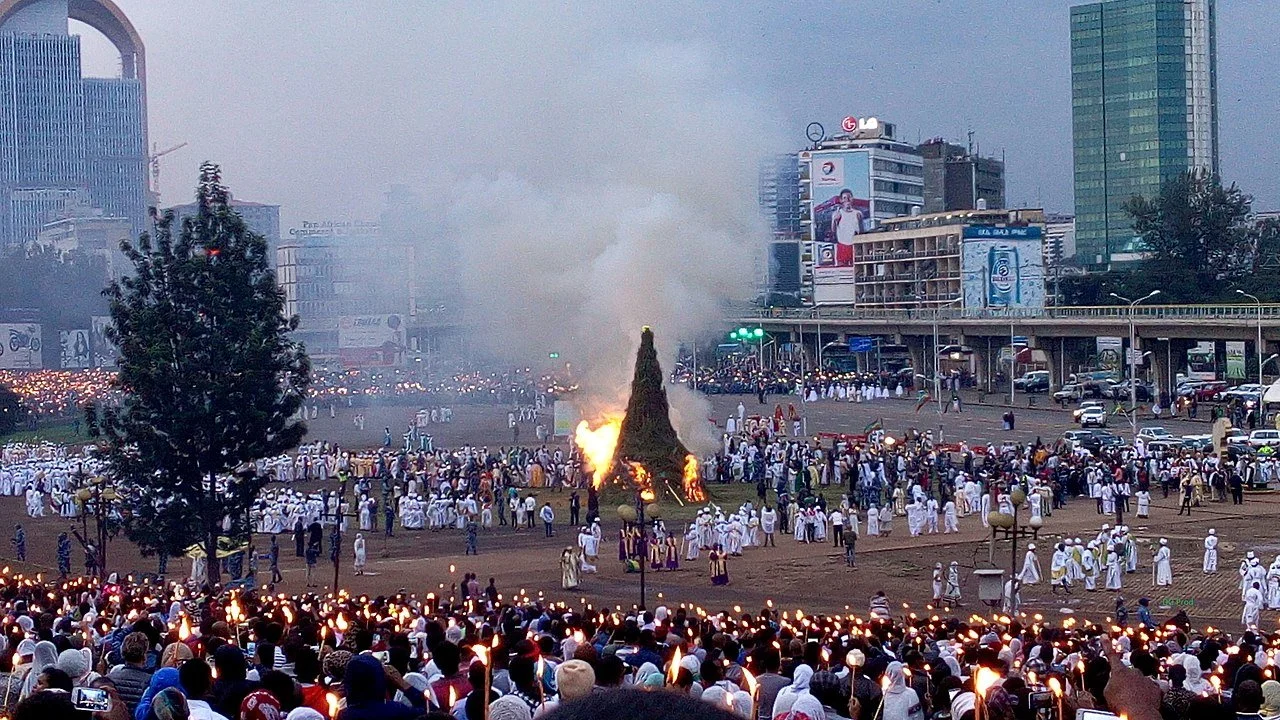
Every September, Ethiopia glows with thousands of fires as millions gather for Meskel. Towering bonfires called Demera burn bright, topped with crosses and yellow daisies. Drums echo, priests chant, and the air fills with frankincense and excitement. This is more than a religious event. It is a vibrant national celebration of faith, renewal, and community that brings the country together. In this guide, you will understand the deep meaning behind Meskel, how it unfolds today, and practical tips for experiencing it like a local.
The True Story Behind Meskel
Meskel marks the Finding of the True Cross in the Ethiopian Orthodox Tewahedo Church. It commemorates the discovery of the cross on which Jesus was crucified.
The festival falls on September 27 (or 28 in leap years) in the Gregorian calendar, during the month of Meskerem in the Ethiopian calendar.
It blends deep spirituality with joyful community gathering. The flames symbolize light overcoming darkness and the spread of faith.
When and How Meskel Is Celebrated
Meskel celebrations span two main days.
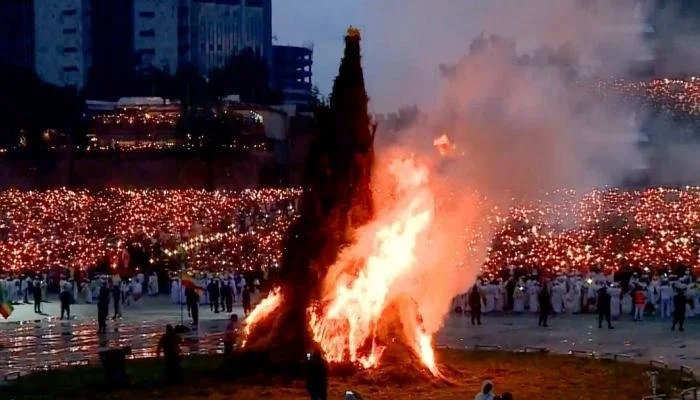
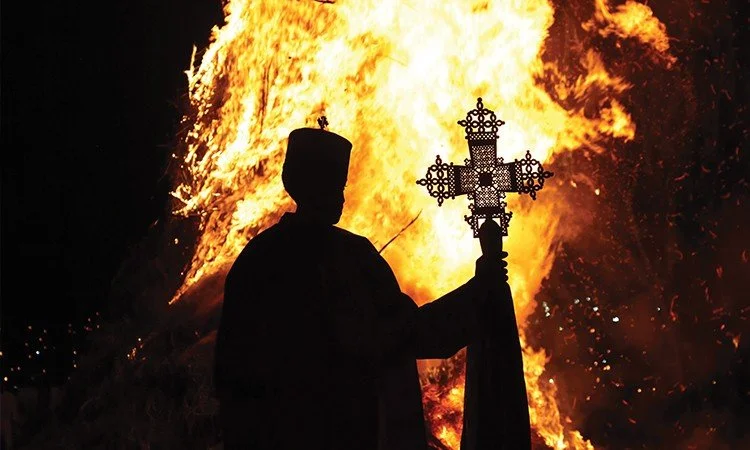
Demera Eve (September 26): The main event. Communities build large wooden structures in the shape of a cross or cone. They decorate them with Meskel flowers (yellow daisies) and green grass. At dusk, priests and elders light the bonfire amid singing and dancing.
Meskel Day (September 27): People attend church services, enjoy feasts, and continue celebrations with music and gatherings.
The smoke from the Demera is said to carry prayers upward. The direction it falls can hold special meaning for the coming year.
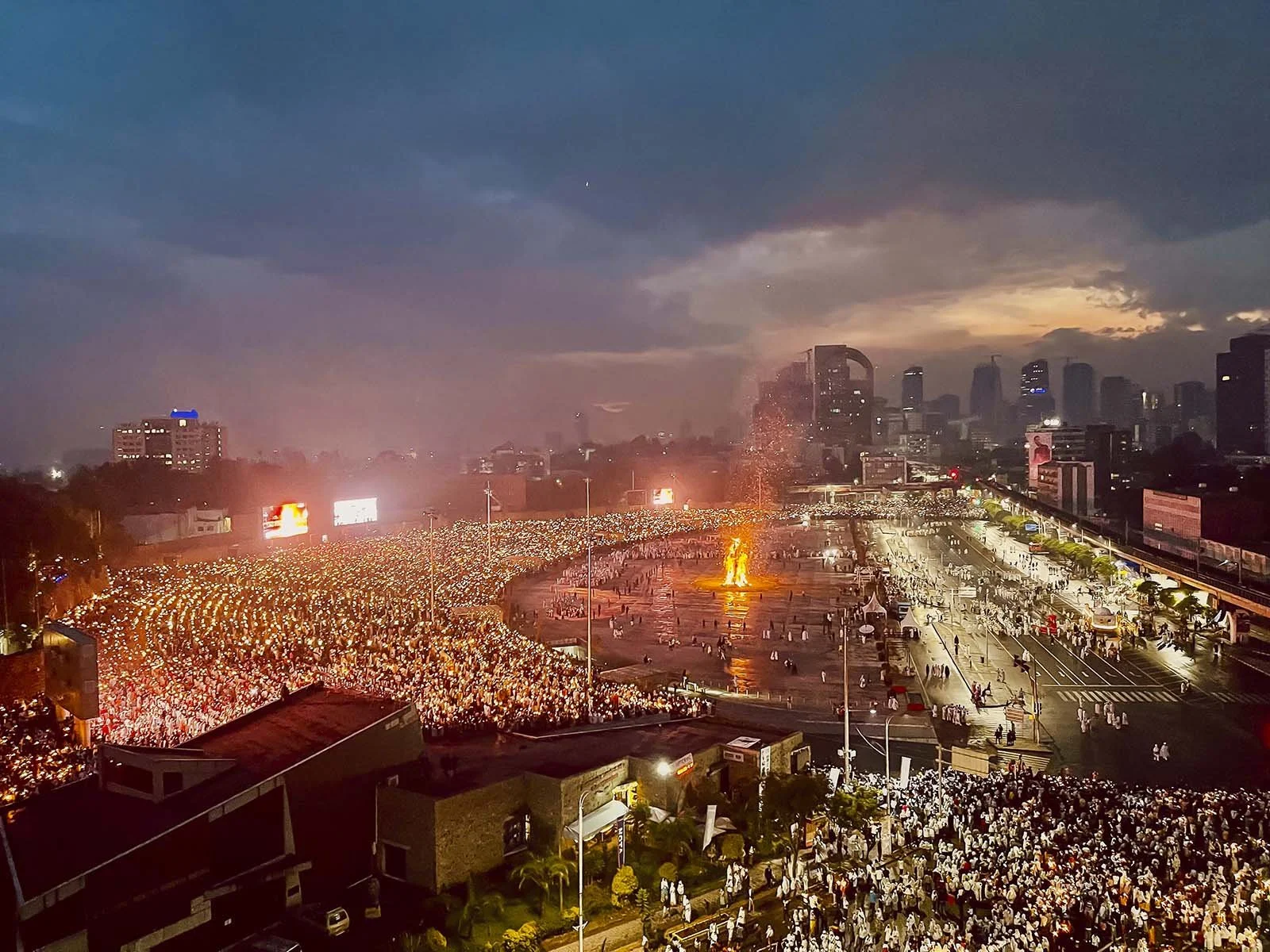
Here is a vibrant scene of the Demera bonfire during Meskel celebrations.
The Demera: Ethiopia’s Giant Bonfire Tradition
The Demera is the heart of Meskel. It is a massive pile of poles and branches, carefully stacked and crowned with a cross.
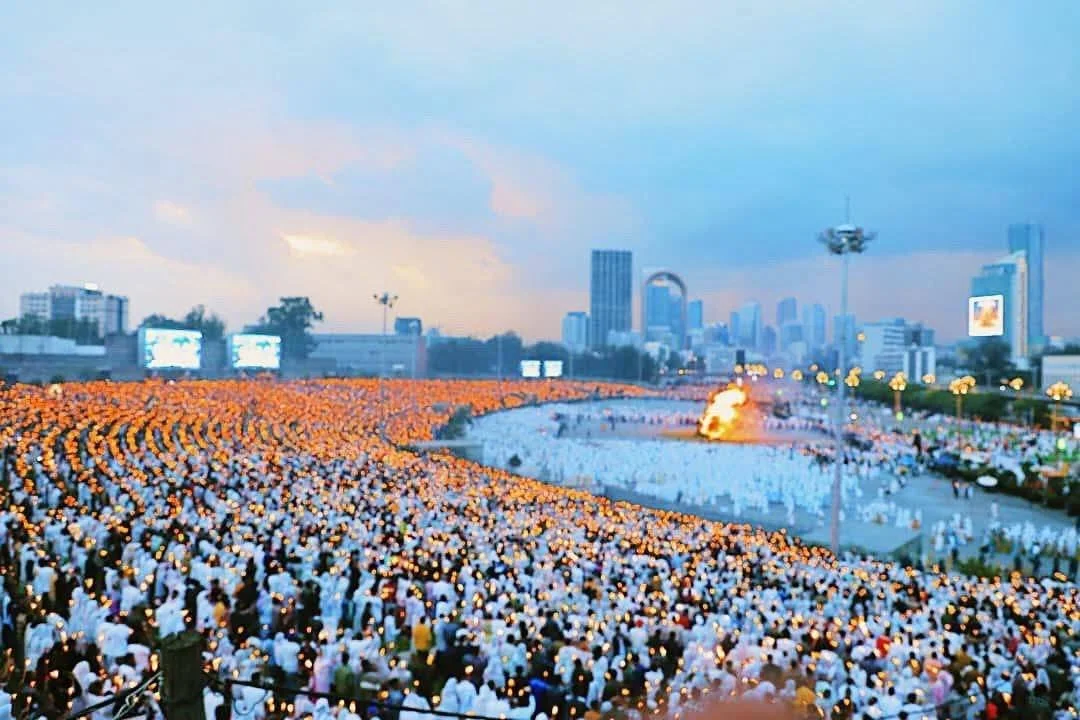
In Addis Ababa’s Meskel Square, the central Demera can reach several stories high. Smaller versions appear in every neighborhood and village.
As the fire burns through the night, people sing hymns, dance, and share stories. The crackling flames create a powerful, unforgettable atmosphere.
Processions, Chants, and Colorful Crowds
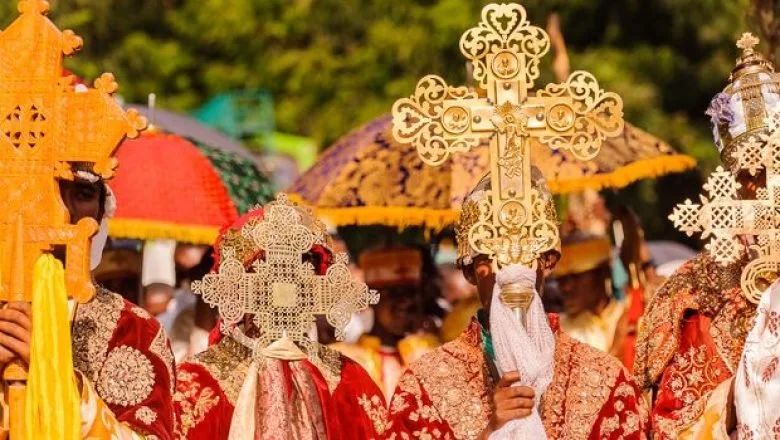
Priests in elaborate robes lead processions carrying crosses and umbrellas. Choirs sing ancient hymns while young people in white traditional clothes dance.
The air fills with the scent of frankincense. Everyone participates, from elders to children. It feels like one big family celebration under the stars.
The Queen Helena Legend and Its Ethiopian Roots
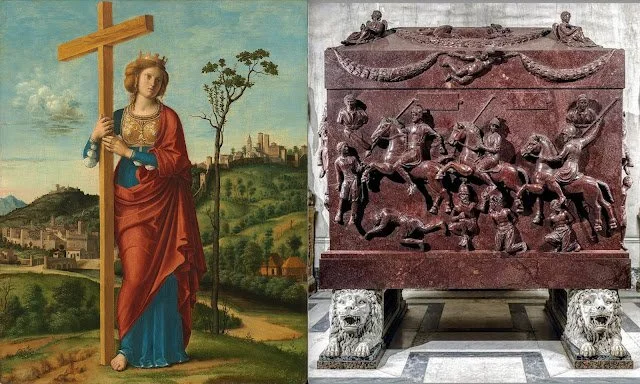
According to tradition, Queen Helena (known in Ethiopia as Eleni), mother of Emperor Constantine, discovered the True Cross in the 4th century.
She followed a divine dream: build a bonfire and follow the smoke to the spot where the cross lay buried. The smoke guided her perfectly.
Ethiopia embraced this story deeply. The festival honors that miraculous finding and connects believers to early Christian history.
Best Places to Experience Meskel
Addis Ababa (Meskel Square): The largest and most spectacular celebration. Thousands gather for the official lighting.
Gondar and Axum: Historic cities with strong Orthodox traditions and beautiful processions.
Rural villages: More intimate and deeply traditional. Locals welcome visitors warmly.
Wherever you go, the spirit remains the same: joyful, respectful, and full of light.
Street Food to Enjoy While Watching the Flames
Meskel evenings are perfect for street food. Look for these favorites while the fires burn:
Freshly roasted corn on the cob, seasoned simply with salt.
Sambusa (spicy meat or lentil pastries).
Grilled tibs or kitfo served hot from the pan.
Doro wat or shiro with injera for heartier meals.
Roasted barley (kolo) and popcorn, classic festival snacks.
The combination of warm food, crackling fires, and music makes the experience complete.
Here are scenes of Meskel crowds and celebrations.
Modern Meskel: Tradition Meets Today
Meskel remains a deeply spiritual event while attracting tourists and diaspora Ethiopians who return home.
UNESCO recognizes elements of the festival as Intangible Cultural Heritage. In cities, you may see cameras alongside traditional prayer sticks, but the core rituals stay unchanged.
It continues to strengthen community bonds and national pride every year.
FAQs
When exactly is Meskel celebrated?
It falls on September 27 (or 28 in leap years). Demera eve on the 26th features the main bonfire lighting.
What does Meskel mean?
It comes from the Ge'ez word for "cross," honoring the discovery of the True Cross.
Is Meskel only for Orthodox Christians?
The main celebrations are Orthodox, but people of all backgrounds attend the public events and enjoy the atmosphere.
Why do they burn giant crosses?
The Demera bonfire recalls Queen Helena’s legend and symbolizes the light of the cross and faith.
What should visitors wear and bring?
Modest clothing (white is popular), comfortable shoes, and respect for the sacred space. Bring a light jacket for the evening.
Can tourists participate?
Yes. Ethiopians welcome respectful visitors. Join the crowds, enjoy the music, and watch the lighting from a good spot.
Conclusion
Meskel lights up Ethiopia in more ways than one. The giant fires, ancient traditions, joyful crowds, and delicious street food create a powerful shared experience. It reminds everyone of the strength of faith, community, and heritage that continues to shine brightly.
If you want to understand these traditions more deeply, NKENNE’s Amharic lessons and cultural guides will help you connect even closer to Ethiopian life. Start your journey with us today.