
Nyirarumaga: The Poet Who Kept Rwanda’s History Alive
By: Yvonne Mag-usara
Before Rwanda’s royal histories were collected in books, they had to survive in people.
Names, reigns, victories, and political lessons were carried through carefully composed language and trained memory. Poetry was not simply entertainment at the royal court. It was one of the systems through which the past reached the next generation.
Nyirarumaga stands at the centre of that tradition. Remembered as a poet, queen mother, and organiser of dynastic poetry, she helped turn royal verse into a structured institution whose custodians protected it for centuries.
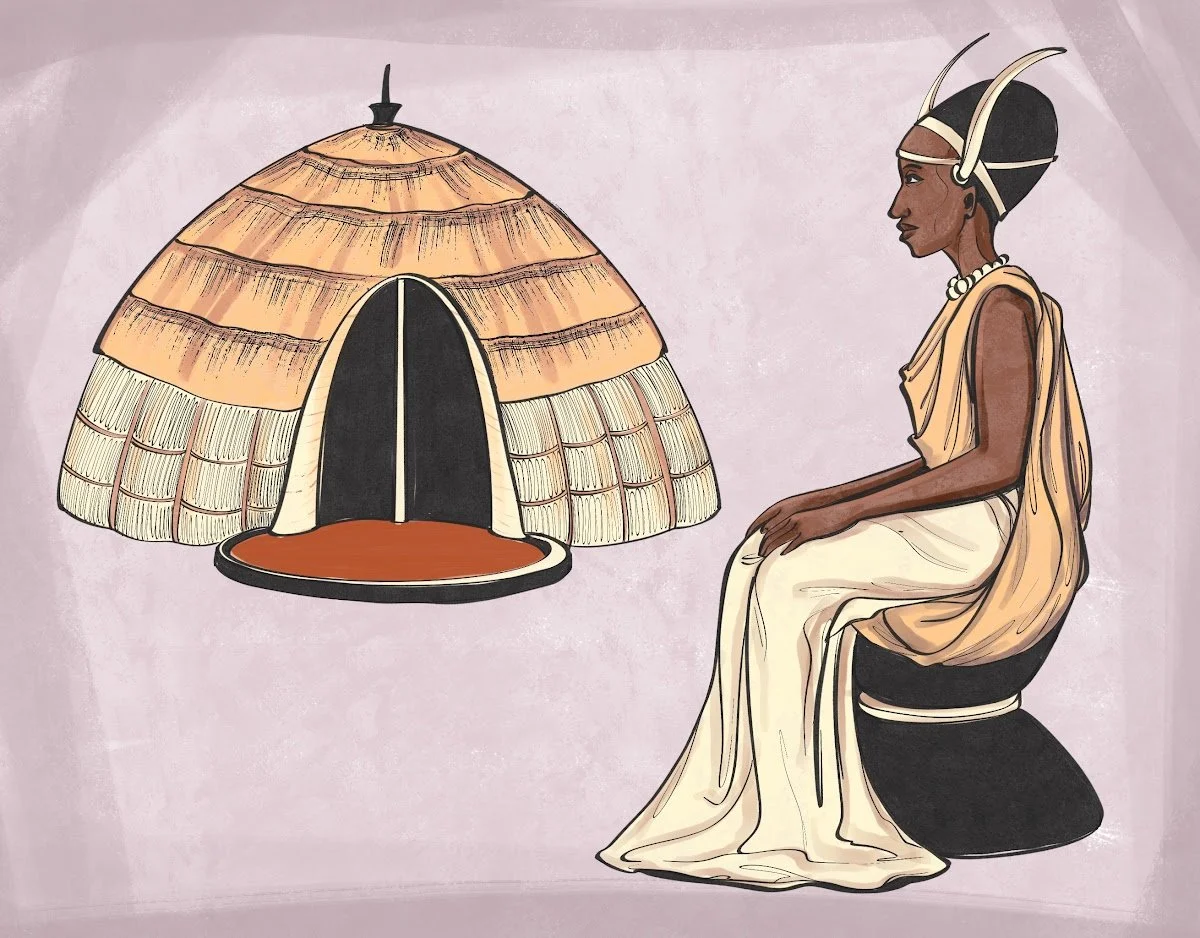
Credit: Illustration by Odile Uwera Nyirandegeya. Rights held by the Rwanda Cultural Heritage Academy.
Nyirarumaga helped transform poetry into an organised system for preserving Rwanda’s royal past.
Who Was Nyirarumaga?
Rwandan tradition remembers Nyirarumaga as a woman of the Abasinga, or Singa, clan who entered the royal court as a gifted poet. She later became the adoptive mother and queen mother of King Ruganzu II Ndoli.
The Rwanda Cultural Heritage Academy places Ruganzu II Ndoli’s reign in the early sixteenth century. Exact dates remain debated, so Nyirarumaga is best understood as a figure associated with that period rather than one whose life can be reconstructed year by year.
As an umugabekazi, or queen mother, she held influence within the royal household and court. That position allowed her to do more than compose individual poems. She could shape how poetry was recognised, organised, and transmitted.
Her legacy is therefore larger than the title “mother of Rwandan poetry.” Nyirarumaga helped create a system in which poets became custodians of royal memory.
When Poetry Became an Archive
Precolonial Rwanda preserved knowledge through several specialised oral traditions.
Ubwiru carried royal rituals. Ubucurabwenge preserved dynastic genealogies. Ibitekerezo transmitted historical narratives, while ibisigo recorded royal history through poetry.
Nyirarumaga’s contribution belonged especially to the world of ibisigo. She is credited with developing a poetic form that organised the stories of successive kings into carefully structured verse.
This was a living archive rather than a written collection. Its survival depended on people who could compose, memorise, recite, correct, and teach.
Nyirarumaga’s achievement was not only creating memorable poetry. She helped build a community responsible for preserving it.
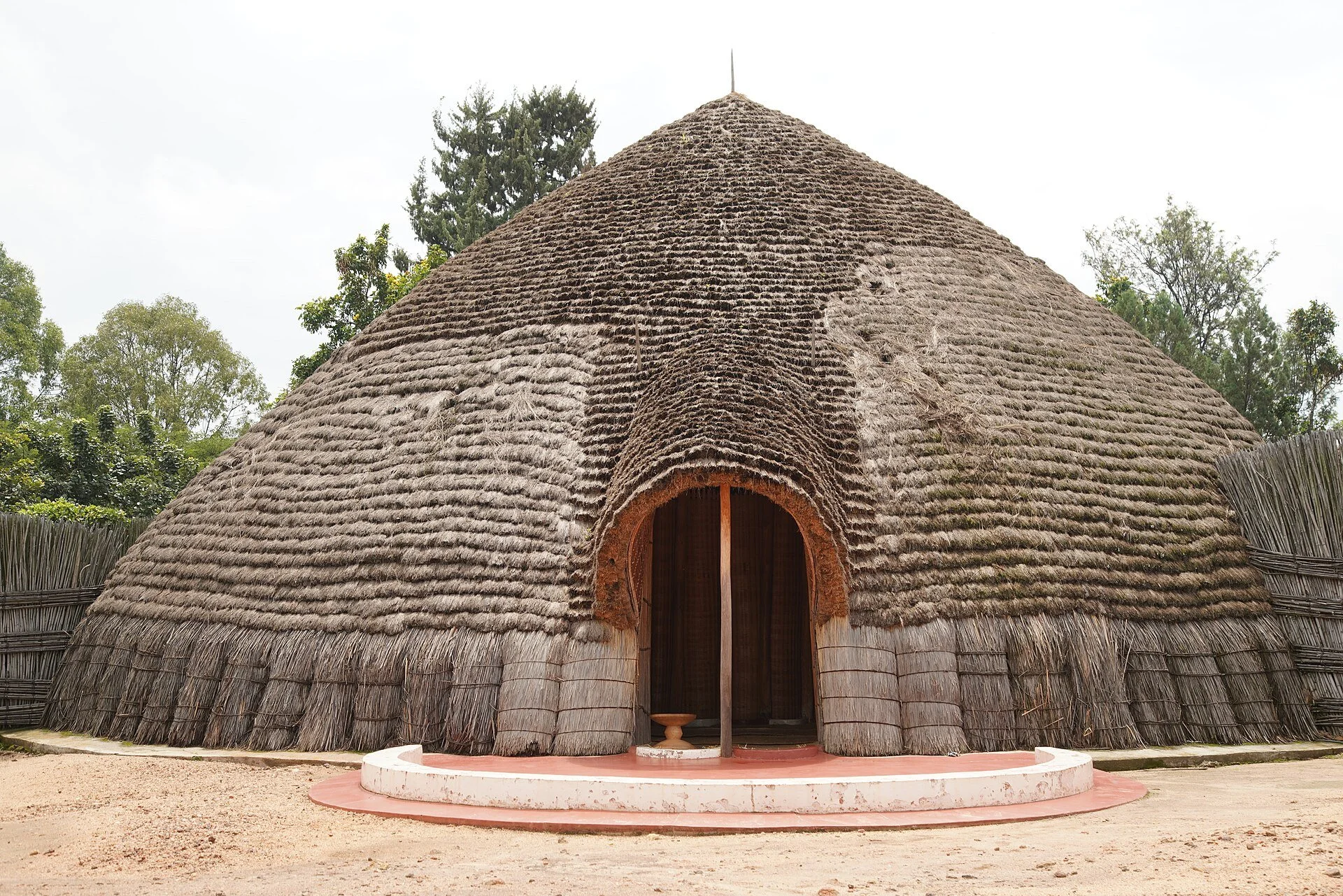
Credit: Wikimedia Commons / Yakov Fedorov, CC BY-SA 4.0.
The reconstructed royal residence at the King’s Palace Museum recalls the courtly setting in which Rwanda’s specialised oral traditions developed.
How Impakanizi Held a Kingdom’s Memory
One form closely associated with Nyirarumaga is the Impakanizi.
The Rwanda Cultural Heritage Academy describes it as dynastic poetry that recalled the histories of successive kings. Each reign appeared in verse, with recurring sections helping organise the longer composition.
That structure made history easier to remember and transmit. Names, conflicts, political changes, victories, and royal qualities could be arranged in a sequence recognised by both reciters and listeners.
The audience did not receive history as a disconnected list. It came through rhythm, imagery, repetition, and carefully chosen Kinyarwanda.
Impakanizi gave the past a shape people could hear and carry forward.
The Seat of Poets and the Lineages Behind It
A poem can disappear when only one person knows it.
Nyirarumaga is credited with establishing the Intebe y’Abasizi, often translated as the Seat or Chair of Poets. This gave court poetry formal standing and connected it to recognised authority.
The abasizi, or poets, were responsible not only for composition but also for protecting royal memory. Reciters could memorise and perform poems written by others, showing that creation and transmission were related but distinct skills.
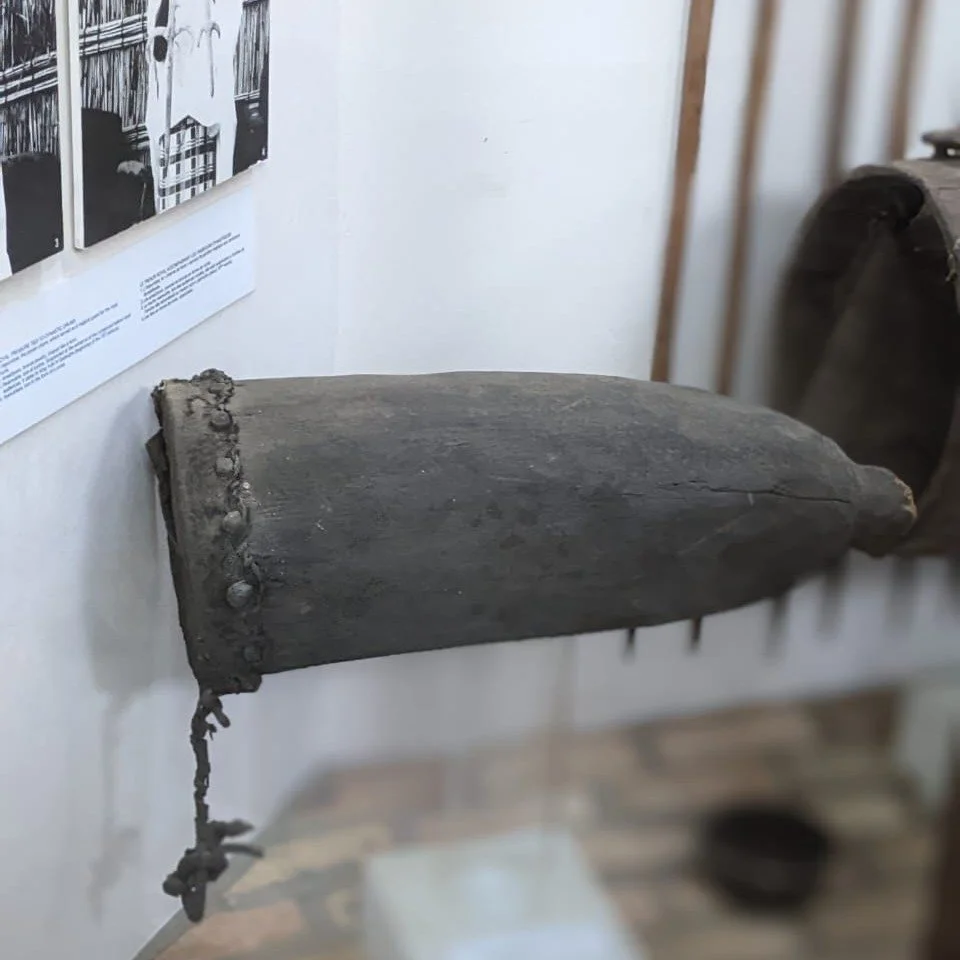
Credit: Wikimedia Commons / Igiraneza Divine, CC0 1.0. Cropped by NKENNE.
A historic Rwandan royal drum, part of the courtly world in which poetry, ritual, and political authority were formally protected.
Nyirarumaga also helped establish hereditary poet lineages. Knowledge could pass through families trained to preserve the language, form, and historical content of dynastic poetry.
The Singa clan became especially associated with this responsibility. Her achievement was therefore institutional as well as literary.
Poetry had an office. Poets had recognised duties. Memory had successors.
What Ibisigo Preserved
Ibisigo nyabami praised kings and recorded the major events of their reigns through refined poetic language.
They preserved stories of leadership, courage, conflict, succession, and dynastic continuity. But they were not neutral accounts.
These poems were produced within the royal court. They reflected the priorities of rulers and selected which events deserved remembrance. They did not represent every community or experience in the territories that later became modern Rwanda.
Historians therefore read ibisigo alongside genealogies, rituals, narratives, archaeology, and other evidence.
This does not reduce their value. It helps clarify what they preserve: not only royal events, but also how the court wanted power and leadership to be remembered.
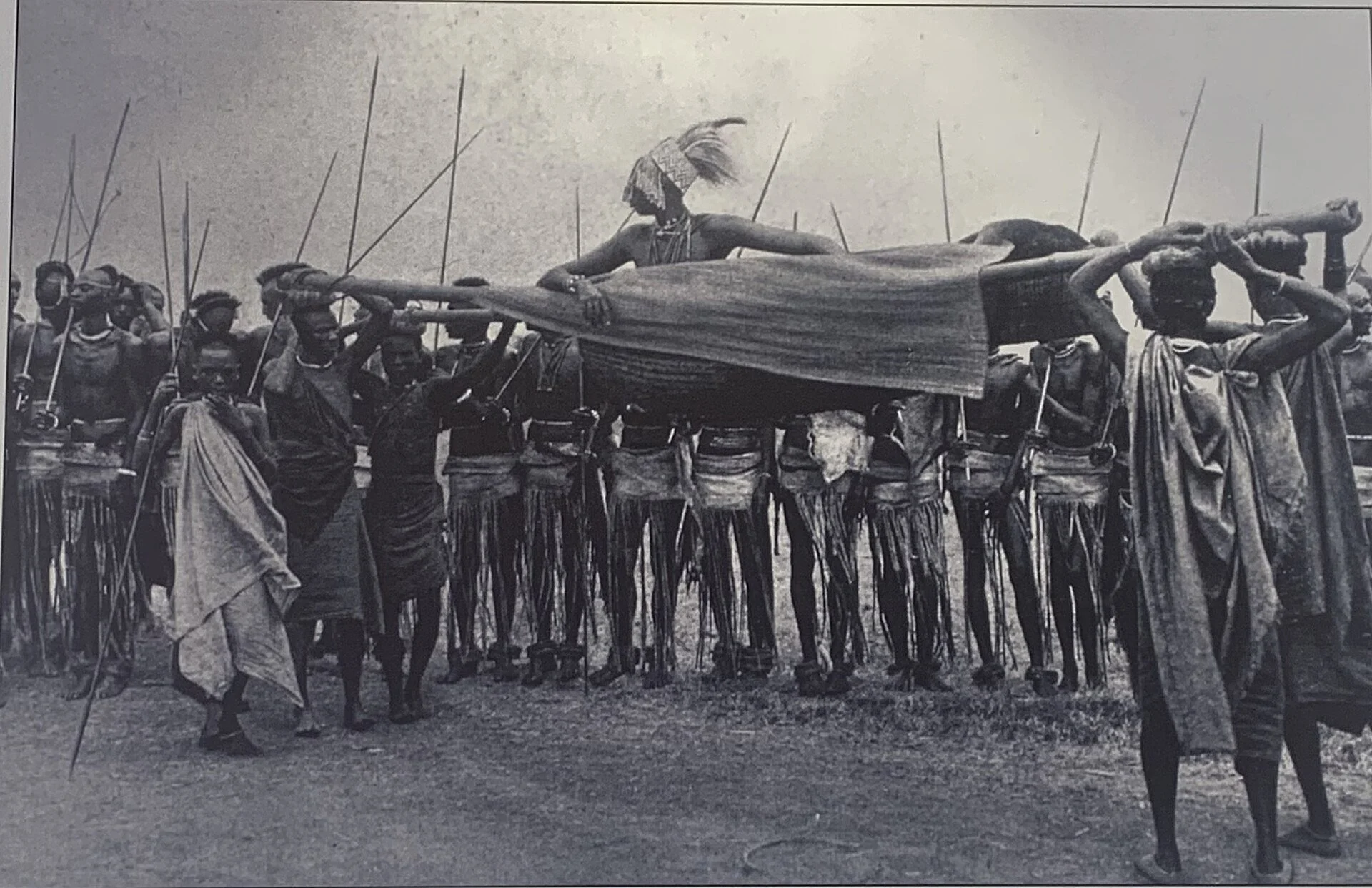
Credit: Wikimedia Commons / Rachelboo2, CC BY-SA 4.0.
King Yuhi V Musinga carried in a royal procession in 1907, offering a later visual record of the rulers, authority, and dynastic continuity preserved through Rwanda’s royal poetry.
Why Nyirarumaga’s Legacy Still Matters
Nyirarumaga’s influence continued long after the disappearance of Rwanda’s royal court.
Rwandan educational materials still identify her as a foundational figure in organised dynastic poetry. Her name also lives through the Nyirarumaga Award, which recognises poets and others who support Rwandan literary culture.
Her story challenges the idea that societies without widespread writing lacked organised historical records.
Rwanda’s royal traditions classified knowledge, assigned it to specialists, and passed it through formal systems of training and performance.
Her life also challenges the tendency to present women in African political history only as relatives of powerful men. Nyirarumaga used her position as queen mother to shape a literary institution remembered centuries later.
Kinyarwanda Words From Nyirarumaga’s Tradition
Kinyarwanda and Meaning
Ubusizi = Poetry
Umusizi = Poet
Abasizi = Poets
Igisigo = A poem
Ibisigo = Poems or dynastic poetry
Umwami = King
Umugabekazi = Queen mother
Intebe y’Abasizi = Seat or Chair of Poets
These words reveal the structure of the tradition.
Umusizi names the creator. Igisigo names the work. Intebe y’Abasizi shows that poetry could also be an institution with authority, responsibilities, and succession.
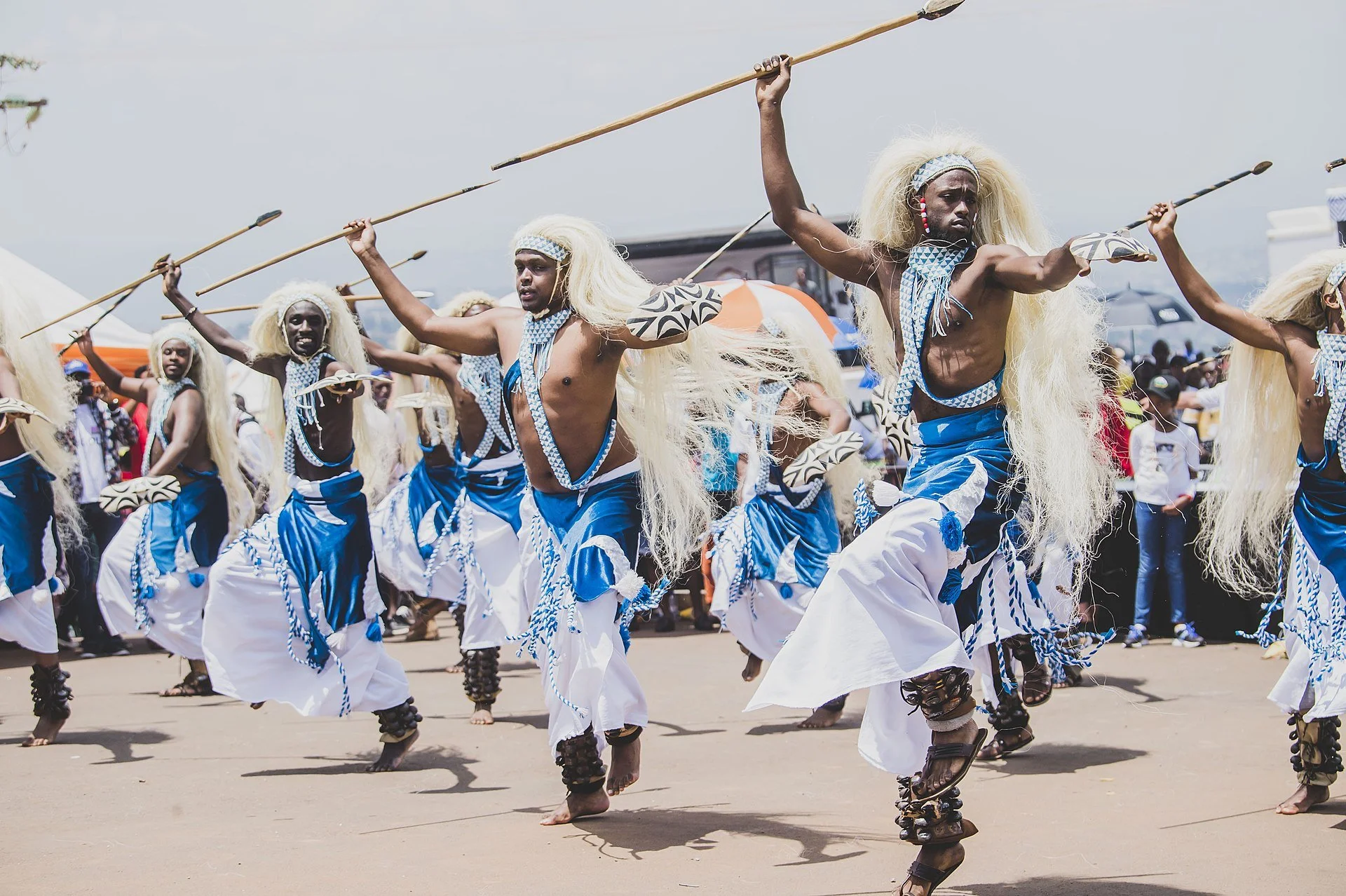
Credit: Wikimedia Commons / Isma250, CC BY-SA 4.0.
Contemporary Intore performance combines movement, ritual, and poetic expression, showing how Rwanda’s cultural memory continues through live performance.
FAQs
Who was Nyirarumaga?
Nyirarumaga was a Rwandan poet and adoptive queen mother of King Ruganzu II Ndoli. She is remembered for helping formalise dynastic poetry as a system for preserving royal history.
Why is she called the mother of Rwandan poetry?
She is credited with developing a formal historiographic poetic tradition, creating the Intebe y’Abasizi, and organising poet lineages that carried dynastic verse across generations.
Was Nyirarumaga Rwanda’s first poet?
Rwandan heritage sources describe her as the first formally recognised poet within the organised dynastic tradition. This does not mean poetic expression did not exist before her.
What are ibisigo?
Ibisigo are formal poems associated with Rwanda’s royal tradition. They praised kings while preserving dynastic events, political ideals, and historical memory.
What is an Impakanizi poem?
An Impakanizi is a form of dynastic poetry that recounts the reigns of successive kings through organised verses and recurring sections.
Can royal poetry be treated as completely factual history?
No. It is an important historical source, but it reflects the priorities of the royal court and should be compared with other oral, written, archaeological, and regional evidence.
Conclusion
Nyirarumaga did more than leave poems behind.
She helped create the conditions that allowed poetry to outlive its composer. She gave it institutional standing, systems of succession, and trained custodians who treated memory as a responsibility.
The history preserved through ibisigo was selective and shaped by the royal court. Yet without structures like those associated with Nyirarumaga, far less of that world might have reached later generations.
Her legacy reminds us that an archive does not always begin with paper.
Sometimes it begins with a voice trained to remember, another prepared to continue, and a language strong enough to carry history forward.
Learn Kinyarwanda Through History and Culture
With NKENNE, you can learn Kinyarwanda while exploring the people, traditions, and stories that give its words deeper meaning.
Begin with the language of poetry, memory, and leadership, then follow those words into the history that shaped them.
