
Master "Même" in African French: The Power of Emphasis Like "C'est Lui-Même"
By: Chimdindu Ken-Anaukwu
In Francophone Africa, especially Burkina Faso, a simple word like 'même' does heavy lifting. It turns a plain statement into something sharp, insistent, or confirmatory – exactly what you hear in heated discussions, quick agreements, or street debates. Think of "C'est lui-même" not as "It's him himself," but as "That's exactly him" or "Yes, that's the one." This guide explains how même works for emphasis in African French, with real-life examples from daily life in Burkina Faso and beyond. You'll finish knowing how to use it naturally, adding that authentic edge to your conversations.
How "Même" Works Differently in African French
In standard French, "même" often means "same" or "even” or reinforces pronouns like "moi-même" (myself).
In African French, shaped by languages like Mooré in Burkina Faso, Wolof in Senegal, or Dioula, it intensifies agreement, identification, or contradiction.
It adds punch: certainty, surprise, or "that's precisely it."
This comes from substrate influences where local languages stress affirmation strongly.
You hear it everywhere: markets, arguments, family talks.
The Classic Emphatic Structure: "C'est [Pronoun]-Même"
"C'est lui-même" identifies someone exactly.
It means "That's him, no doubt" or "It's really him."
Similar forms:
C'est moi-même (That's me / Exactly me)
C'est toi-même (That's you / You yourself)
C'est elle-même (That's her exactly)
In Burkina Faso, it's common in recognition: spotting someone in a crowd or confirming identity.
It carries a tone of finality, end of discussion.
Everyday Uses in Disputes and Agreements
Disputes: Someone denies involvement.
You respond: "C'est toi-même qui as commencé!" (You're the one who started it!)
It pins blame precisely.
Agreements: Confirming a point.
Friend says: "Le prix est trop élevé."
You: "C'est ça même!" (Exactly! / That's right!)
It shows strong alignment.
Another: "Il va pleuvoir." "C'est vrai même." (True indeed.)
These build rapport in casual or tense moments.
Variations Across Francophone Countries
Burkina Faso: Heavy on "C'est lui-même" in Mooré-influenced speech; direct, emphatic.
Côte d'Ivoire: Often "C'est ça même" or "Même chose" for agreement.
Senegal: "Même" pairs with Wolof flair, like "C'est toi-même hein" for playful accusation.
DRC: Lingala influence makes it rhythmic; "C'est lui-même là!"
Core idea stays: intensification for clarity or emotion.
Practical Examples from Burkina Faso Life
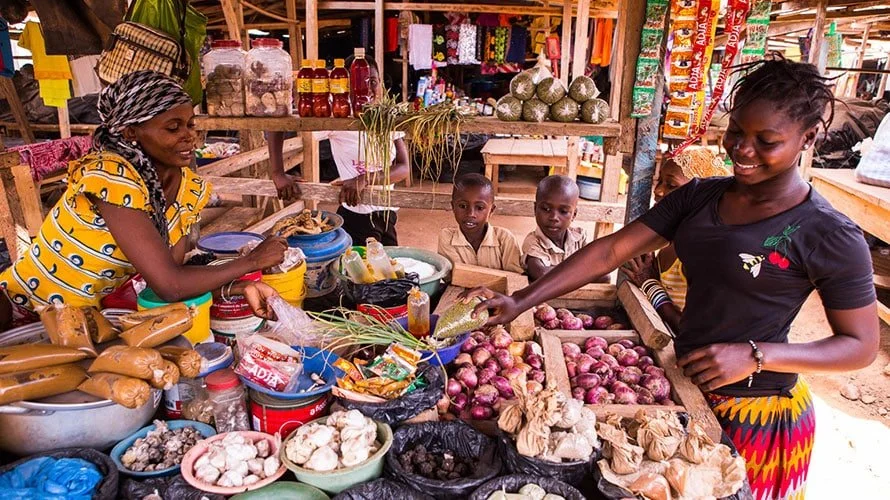
Market haggling:
Seller: "C'est 5000 CFA."
Buyer: "Non, c'est trop. 3000."
Seller: "C'est le dernier prix même!" (That's the final price exactly!)
Argument over plans:
Friend misses meetup.
You: "Mais c'est toi-même qui as dit 15h!" (But you're the one who said 3 PM!)
Agreement on food:
"Ce tieb est bon." "C'est ça même, trop bon!" (Exactly, too good!)
These show même resolving or sealing moments.
Tips to Sound Natural When Using It
Place même right after the pronoun or key word.
Add particles like "hein" or "là" for extra flavor: "C'est lui-même hein!"
Use in spoken contexts; it's informal, street-smart.
Practice in low-stakes chats to build confidence.
Avoid overusing; it loses punch.
FAQs
What's the difference between standard French "même" and African French use?
Standard French uses it for "self" or "even." African French amps emphasis, confirmation, or exactness; like turning up the volume on agreement.
Is "C'est lui-même" rude in disputes?
It can sound direct, but in context it's normal. Tone matters; said calmly, it's factual; heated, it's accusatory.
How common is "C'est ça même" in Burkina Faso?
Very; daily for strong yes, especially in Ouagadougou markets or among youth.
Can beginners use these structures?
Yes, start simple: "C'est moi-même" when pointing to yourself. Locals appreciate the effort.
Does "même" change meaning with different pronouns?
No, the emphasis stays. "C'est nous-mêmes" means "That's us exactly" in group settings.
Why does African French lean on emphasis like this?
Influences from tonal local languages make statements more forceful to cut through noise or clarify intent.
Conclusion
"Même" in African French isn't decoration; it's a tool for precision, connection, and that unmistakable vibe in Burkina Faso conversations. Mastering structures like "C'est lui-même" or "C'est ça même" lets you join debates, seal agreements, and show you get the cultural rhythm. This small word carries big weight in building real talk.
Ready for more? NKENNE delivers lessons on these nuances: everyday expressions, regional flavors, and the pride of speaking African French authentically. Step up your game today.