
Authentic Ofada Rice & Ayamase Stew: The Designer Meal That's Worth Every Bite
By: Chimdindu Ken-Anaukwu
Few Nigerian dishes command respect like Ofada rice paired with Ayamase stew. Often called "designer stew" for its premium feel and bold flavors, this combo started as street food in Lagos but quickly became a status symbol at parties and family gatherings. The unripe plantain-like aroma of Ofada rice meets the smoky, fermented punch of green pepper stew loaded with assorted proteins. In this guide, you'll get the real Yoruba way to make it at home: step by step, with tips that make it taste like it's from a top buka in the Southwest. Whether you're in Port Harcourt craving that Lagos vibe or just want to impress, this recipe delivers every time.
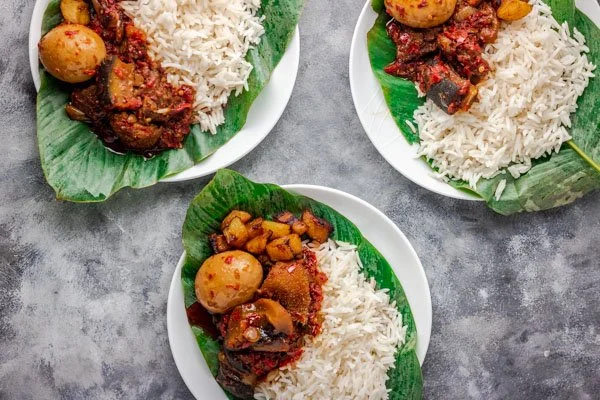
Why Ofada Rice and Ayamase Stew Stand Out in Yoruba Culture
This dish traces roots to Ogun State, named after the town of Ofada where the rice grows. Ofada rice is short-grain, unpolished, with nutty aroma from leftover bran—healthier and more flavorful than regular rice.
Ayamase stew (also called Ofada sauce or designer stew) uses green bell peppers for its signature taste. The name "Ayamase" means "Mase's wife" in Yoruba folklore, linked to a woman who created it. Bleached palm oil gives the dark color and depth, while iru (locust beans) adds that unmistakable fermented umami.
Today it's Lagos street royalty turned nationwide favorite. In places like Port Harcourt, it shows up at owambe parties—proof Yoruba food unites across Nigeria.
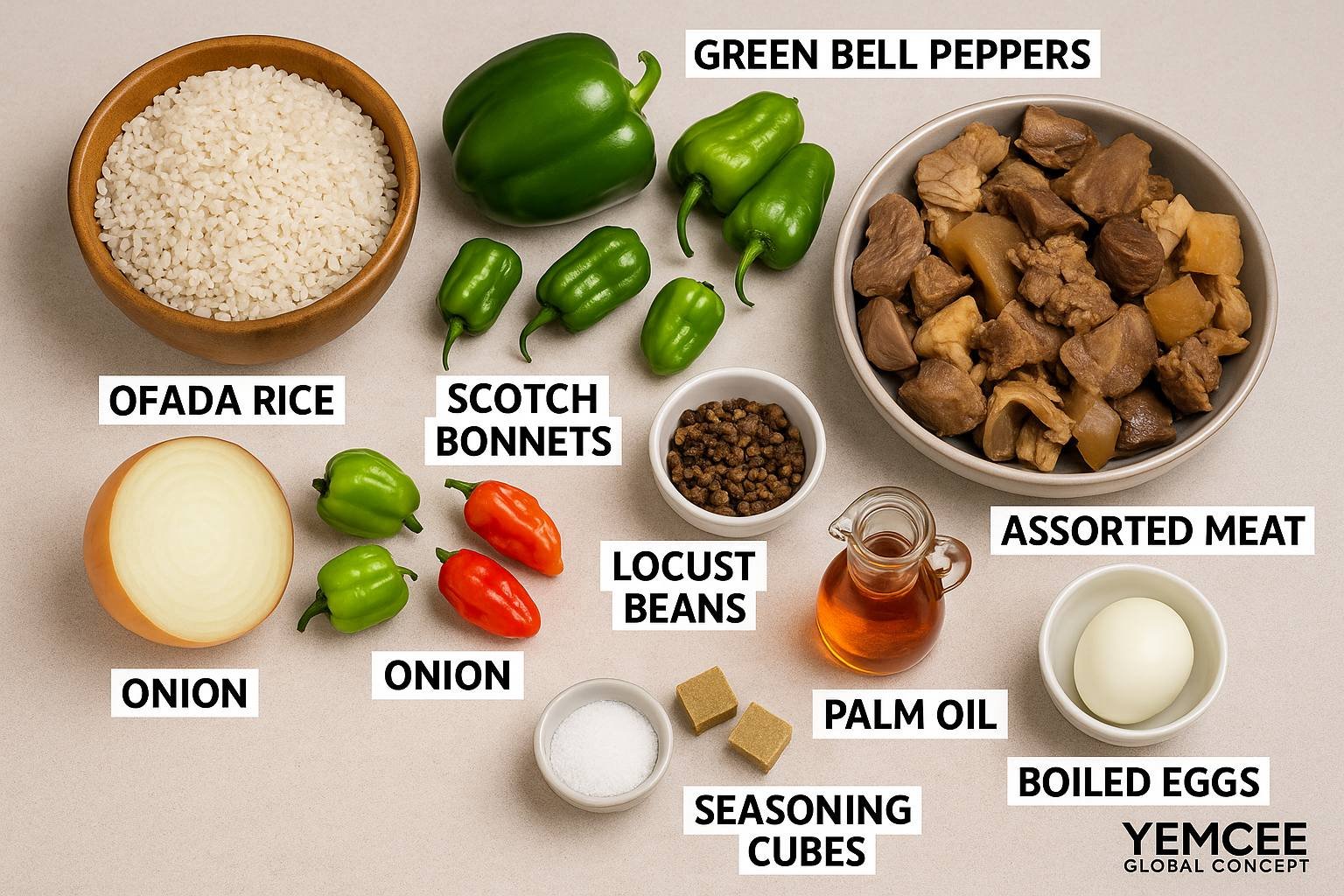
Key Ingredients for Authentic Flavor
Gather these for 6-8 servings. Focus on quality for real taste.
For Ayamase Stew:
8-10 large green bell peppers (tatashe)
4-6 scotch bonnet peppers (ata rodo) – adjust for heat
2 large red onions
1-1.5 cups palm oil (for bleaching)
2-3 tbsp iru (locust beans), rinsed
2-3 tbsp ground crayfish
Assorted boiled meats: 1-1.5 kg total (beef, shaki/tripe, ponmo/cow skin, goat meat, stockfish)
4-6 boiled eggs, peeled
Salt and bouillon cubes to taste
Optional: smoked fish or dried shrimp for extra depth
For Ofada Rice:
3-4 cups unpolished Ofada rice
Water for boiling
Salt
Optional: bay leaves or uma/banana leaves for steaming aroma
Step-by-Step: Cooking the Ayamase Stew (Ofada Sauce)
Prep the peppers Roughly chop green bell peppers, scotch bonnets, and one onion. Blend coarsely (not smooth) with half the iru. Set aside.
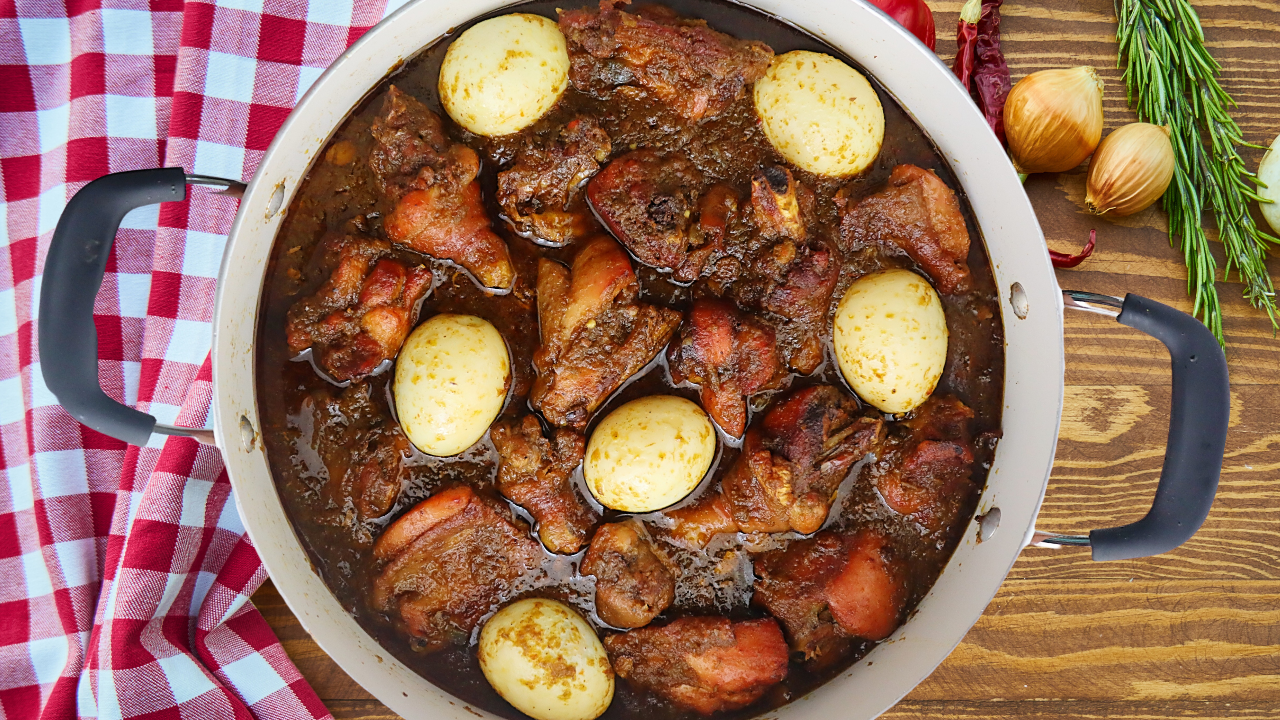
Bleach the palm oil Heat palm oil in a large pot on medium-high until it smokes and turns clear (about 10-15 minutes). Stir occasionally. This step removes raw taste and adds color—do it in a ventilated area.
Fry the base Lower heat. Add diced remaining onion. Fry until translucent. Pour in blended pepper mix. Fry 10-15 minutes until oil separates and raw smell vanishes.
Add proteins Stir in boiled assorted meats (cut bite-size), crayfish, remaining iru, and bouillon. Cook 10 minutes to infuse flavors.
Finish with eggs Add boiled eggs. Taste and adjust salt. Simmer 5-10 minutes on low. Stew should be thick, oily on top, dark from bleached oil.
Total cook time: 45-60 minutes after prep.
How to Prepare Perfect Ofada Rice
Sort and wash rice thoroughly to remove stones and dirt.
Boil in plenty of water with salt until soft but not mushy (20-30 minutes).
Drain excess water. For extra aroma, steam wrapped in banana or uma leaves if available.
Serve hot; Ofada's nutty taste shines against the rich stew.
Serving Tips and Cultural Touches
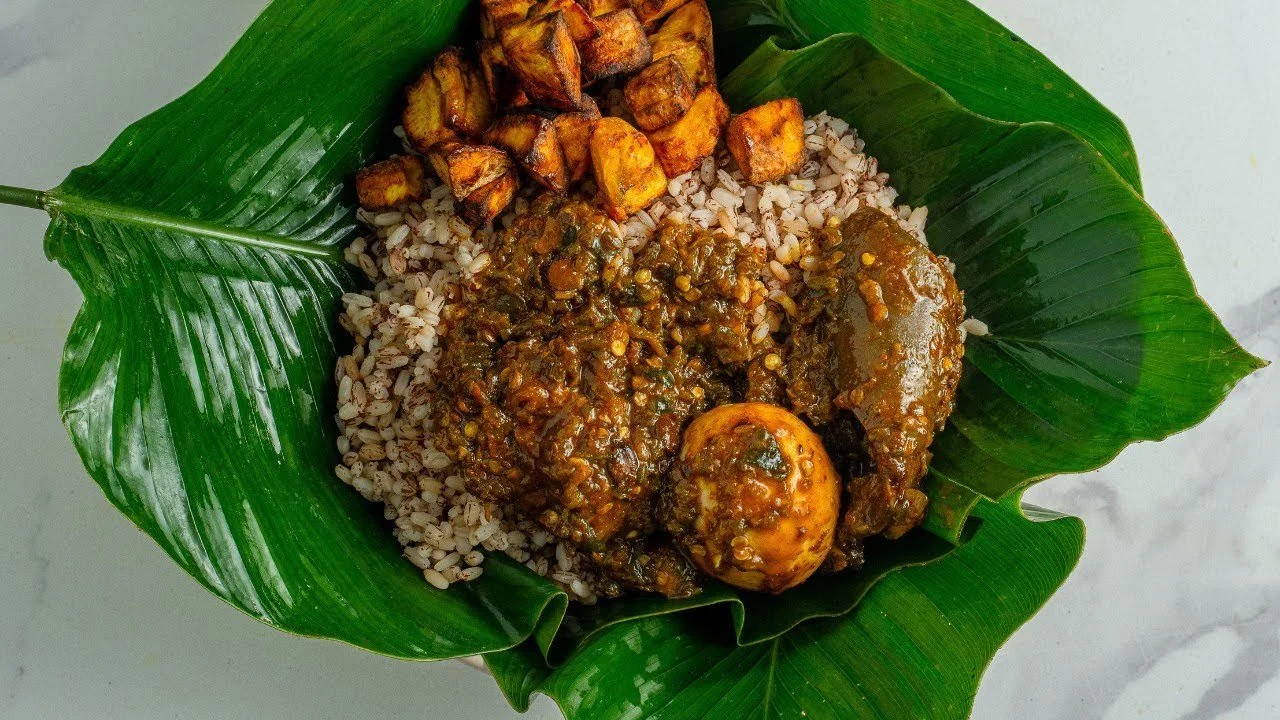
Plate on fresh banana or uma leaves for authenticity, it adds subtle flavor and looks premium.
Pair with cold drink to balance heat. Add extra boiled eggs or fried plantain on the side.
In Yoruba homes, it's shared family-style. In Port Harcourt, it's a weekend treat or party star.
Common Mistakes and Fixes
Over-blending peppers: Keep chunky for texture.
Skipping bleaching: Oil tastes raw; don't rush.
Too much heat early: Burnt stew ruins it; fry low after bleaching.
Bland iru: Rinse but don't skip; it's the soul.
FAQs
What makes Ayamase different from regular Ofada stew?
Ayamase uses green peppers for a bright, unique flavor. Traditional Ofada stew often uses red peppers; Ayamase became the popular "designer" version.
Is bleaching palm oil safe?
Yes, when done properly in a well-ventilated space. It changes flavor positively without health risks if not overheated.
Can I use regular rice instead of Ofada?
Yes, but Ofada's aroma and texture make the dish special. Regular long-grain works in a pinch.
Why is iru (locust beans) essential?
It gives fermented depth that's signature to authentic Yoruba Ayamase. Skip it and it tastes flat.
How spicy should Ayamase be?
Adjust scotch bonnets to taste. It's meant to be peppery but balanced by proteins and oil.
How long does Ayamase last?
Refrigerate up to 5 days or freeze portions. Reheats well; flavors deepen.
Final Thoughts: Bring This Yoruba Gem to Your Table
Ofada rice and Ayamase isn't just food; it's Yoruba ingenuity in a pot: local rice, bold peppers, fermented iru, and shared proteins. Mastering it connects you to centuries of tradition while creating something crave-worthy today. In a busy city like Port Harcourt, this dish reminds us of home-cooked pride.
Ready to Explore More Yoruba Flavors?
NKENNE brings you deeper into African languages and cultures, one delicious, meaningful step at a time. Check our guides on Yoruba greetings, market phrases, or more recipes. Join for free tips and community; start speaking and cooking like family. Your next bite (and word) awaits. 😊