
Intore Dance: Rwanda's Dance of Heroes; Leaps, Power, and Lasting Pride
By: Chimdindu Ken-Anaukwu
Imagine standing in a circle as deep drumbeats fill the air. Suddenly, a line of men explodes into motion: leaping sky-high, arms sweeping like lion paws, feet stamping with precision. That’s Intore, Rwanda’s most iconic traditional dance. It’s not just performance; it’s a living echo of bravery, community, and resilience.
In this guide, you’ll get the real story behind Intore: its origins, what makes the movements so powerful, the costumes that tell their own tale, and why it still moves Rwandans and visitors alike. You’ll finish feeling connected to something timeless.
What “Intore” Really Means
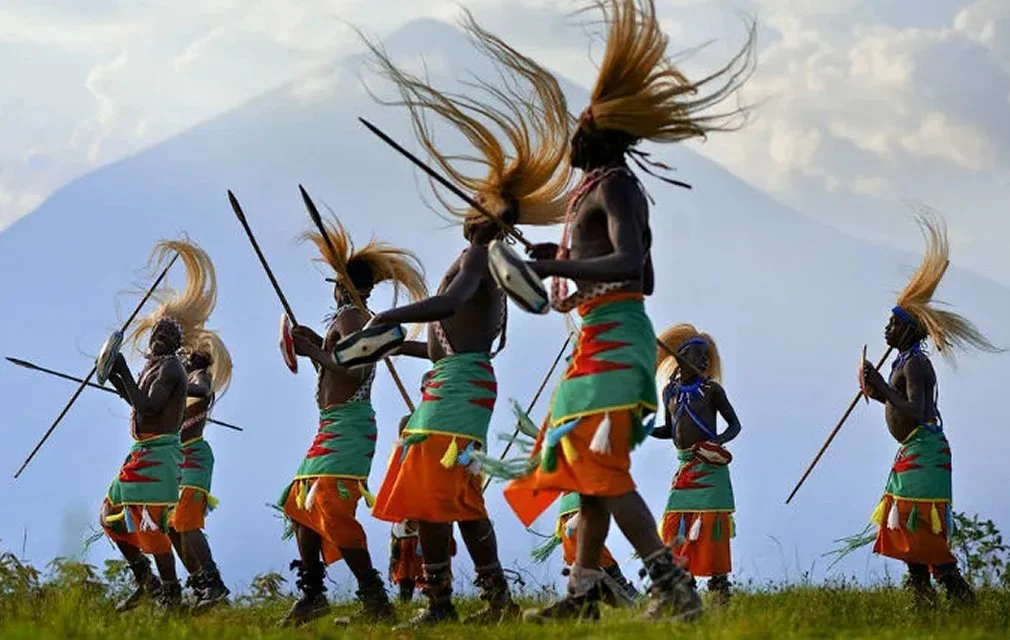
“Intore” translates directly to “the chosen ones” or “heroes” in Kinyarwanda.
It refers to the dancers themselves, selected for their strength, discipline, and skill.
The name captures the essence: these aren’t ordinary performers. They embody the ideal Rwandan warrior spirit, even as the dance has evolved beyond the battlefield.
Historical Roots: From Warriors to Performers
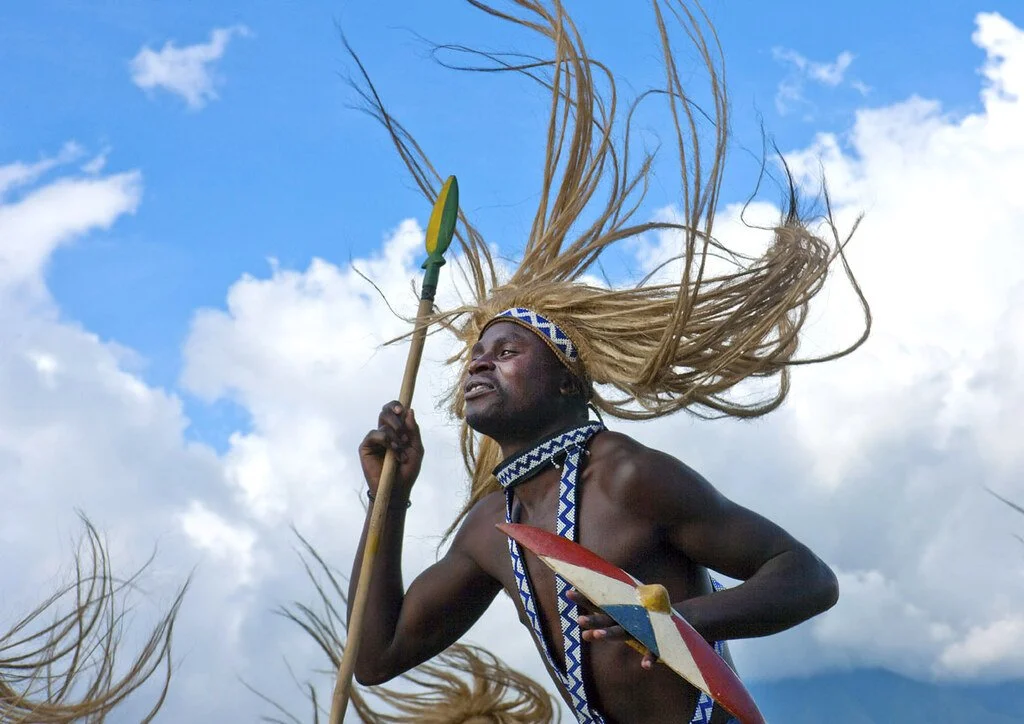
Intore began centuries ago in the royal courts of Rwanda’s kings.
Young men trained in it as part of warrior preparation, building agility, coordination, and fearlessness.
Dancers mimicked lions (a symbol of royalty), hunters, and battlefield formations.
Lines of performers represented ranks of warriors ready for battle.
After Rwanda’s monarchy ended and through colonial times, the dance survived in communities.
Today, it’s recognized by UNESCO as Intangible Cultural Heritage, preserving Rwanda’s identity.
The Movements: Grace Meets Raw Power
Intore is high-energy and precise.
Dancers form straight lines, moving in unison.
Key elements:
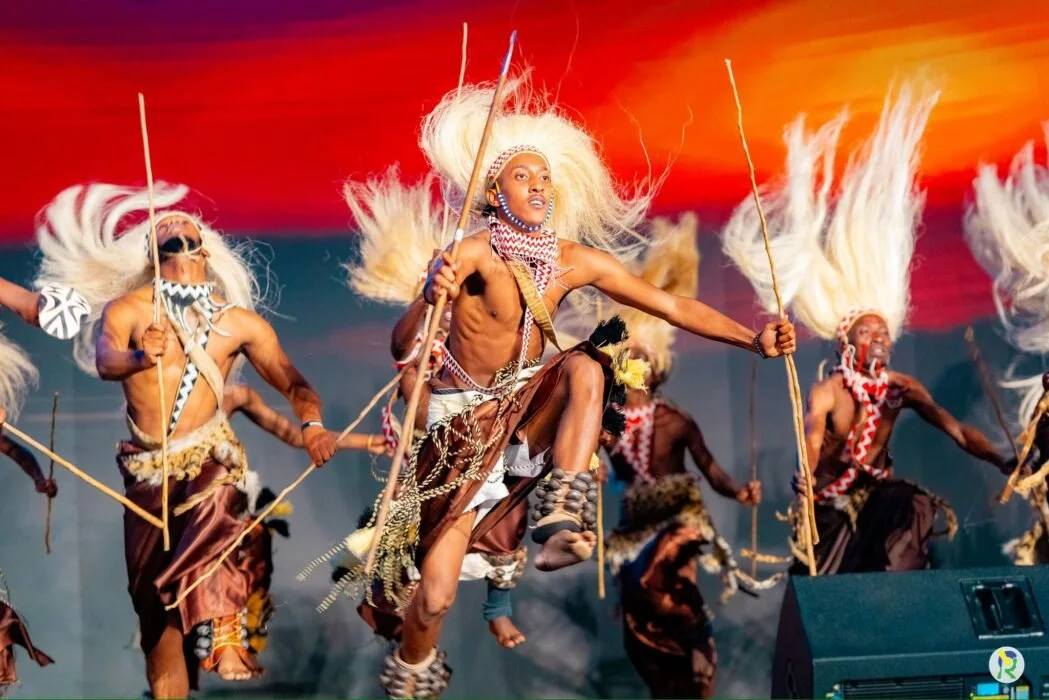
High leaps (ibihanga): jumping as high as possible, showing strength and endurance.
Arm gestures: sweeping, claw-like motions imitating lions or hunting poses.
Footwork: rapid stamps, shuffles, and kicks, often with ankle bells ringing.
Facial expressions: intense stares and proud gazes, conveying power and focus.
The contrast is striking: explosive jumps paired with controlled, graceful arms.
It’s athletic yet elegant, like controlled thunder.
These leaps and gestures demand serious training. Many dancers start young.
Costumes and Symbols: What Dancers Wear
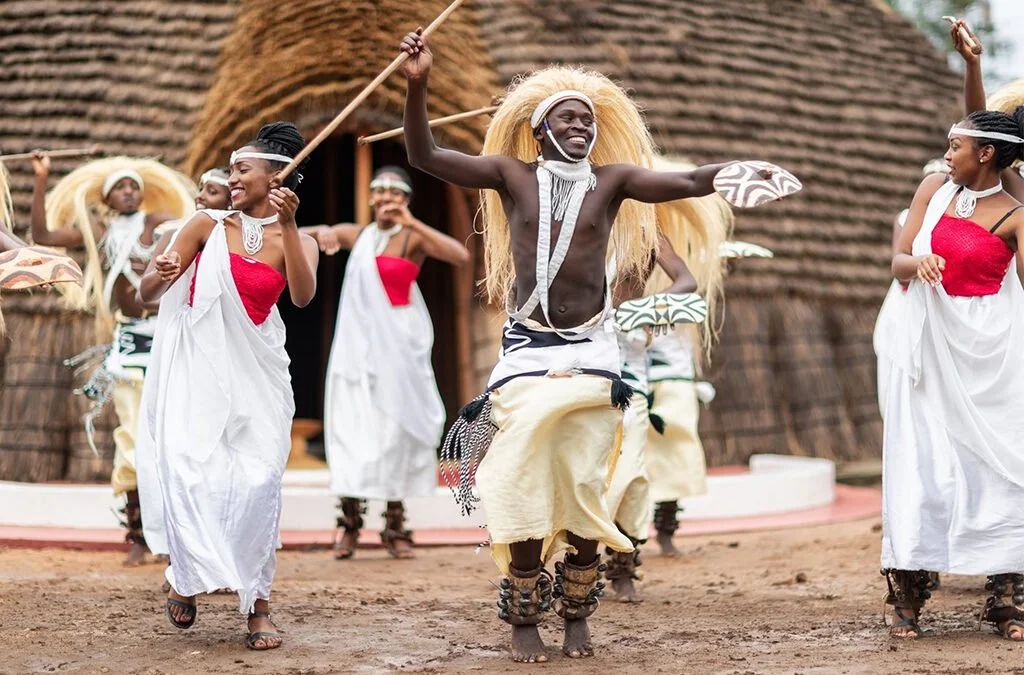
The look is unmistakable.
Traditional elements:
Headdresses: tall, white or colorful, sometimes with beads or feathers.
Ankle bells (imiringa): small metal bells that jingle with every step.
Beaded ornaments (ibitako): strung across shoulders and back, symbolizing respect and proper attire.
Skirts or wraps: often made of animal skins, fur, or grass-like materials.
Arm and leg bands: decorated with beads or fur.
Every piece has meaning: beads show status, bells add rhythm, skins tie back to hunting heritage.
Modern versions keep the essence but adapt for comfort and availability.
You see the pride in how dancers carry themselves. Costumes complete the transformation.
Drumming and Music: The Heartbeat Behind It
No Intore without ingoma, the big Rwandan drums.
Multiple drummers create layered rhythms: deep bass for power, higher tones for speed.
Chanting and calls from the group add energy.
The music drives the dance. Dancers sync leaps to the beat, making every movement feel alive.
It’s communal: drummers and performers feed off each other.
Intore Today: Unity, Festivals, and Healing
Intore is everywhere in modern Rwanda.
You’ll see it at:
Kwita Izina (gorilla naming ceremony)
National Independence Day
Weddings and receptions
Tourism shows in Kigali and Musanze
After 1994, Intore became a tool for healing, bringing people together across divides.
It reminds Rwandans of shared strength and identity.
For visitors, it’s often the moment they truly feel Rwanda’s spirit.
Frequently Asked Questions
What does Intore mean in Kinyarwanda?
Intore means “the chosen ones” or “heroes.” It refers to the skilled male dancers who perform this traditional Rwandan dance.
Is Intore only for men?
Traditionally yes, performed by men in warrior style. Some modern groups include women in variations, but the classic form remains male-led.
What are the main movements in Intore dance?
High leaps, lion-like arm gestures, rapid footwork, and synchronized line formations. Ankle bells and drumming add rhythm and intensity.
Where can I see Intore performances in Rwanda?
At cultural festivals, national events, gorilla naming ceremonies (Kwita Izina), weddings, or tourist venues in Kigali and Volcanoes National Park.
Why is Intore important after the genocide?
It symbolizes unity, resilience, and shared heritage, helping communities rebuild trust through shared cultural pride.
Is Intore recognized internationally?
Yes. UNESCO lists it as Intangible Cultural Heritage of Humanity, highlighting its value to Rwanda and global culture.
Intore isn’t frozen in the past. It’s living proof that strength and grace can coexist, that history can heal, and that community still matters most in Rwanda.
Next time you hear those drums, you’ll know the story behind the leaps.
Want to experience more of Rwanda’s heartbeat? Join NKENNE’s courses and resources. We guide you deeper into Kinyarwanda language, traditions, and the pride that comes with them. Your connection starts here.