
How to Say Thank You, You're Welcome, Sorry, and Be Polite in Shona
By: Chimdindu Ken-Anaukwu
Picture this: You hand someone their change at a market stall, and they say "Maita basa" with a smile. You feel seen.
Or you bump into someone in a crowd, and a quick "Pamusoroi" keeps things smooth.
These small words aren't just words in Shona culture. They show respect, humility, and connection.
In this guide, I'll show you the key polite phrases for thank you, sorry, excuse me, and more. You'll learn how they work in daily life, why respect matters so much, and how to use them right away.
Core Polite Phrases: Thank You and Responses
Shona has several ways to say thank you, depending on the situation and level of respect.
Ndatenda – Simple thank you (casual, everyday).
Maita – Thanks (very common, neutral).
Maita basa – Thank you for the work/help (used when someone has done something for you).
Maita henyu – Formal thanks (to elders or strangers).
For responses to "thank you," keep it humble.
Zvakanaka – It's good / No problem.
Unotendei? – Why thank me? (playful but polite).
Titambire – You're welcome (as in accepting thanks or hospitality).
Real-life example: Friend hands you food → You say "Maita basa." They reply "Zvakanaka" or just smile.
Saying Sorry and Excuse Me
Apologies in Shona are quick and sincere.
Ndineurombo – I'm sorry (general apology).
Ndine urombo – Same as above (slight variation).
Pamusoroi – Excuse me / Pardon me (when passing or interrupting).
Pamusoro – Excuse me (singular, less formal).
Use "Pamusoroi" when squeezing past people at a bus stop or asking to speak.
In a crowded kombi, say "Pamusoroi" to move – it's polite and prevents tension.
Everyday Courtesies and Gestures
Politeness goes beyond words. Shona customs include actions that show respect.
Ndapota – Please (before requests).
Titambire – Welcome (hospitality response).
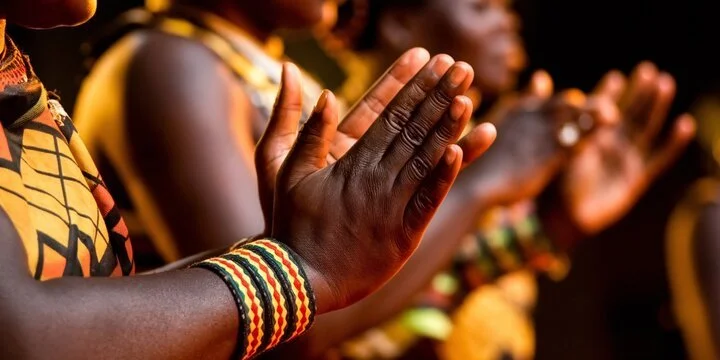
Clapping hands (wombera) – Traditional thank you when receiving something (twice for emphasis).
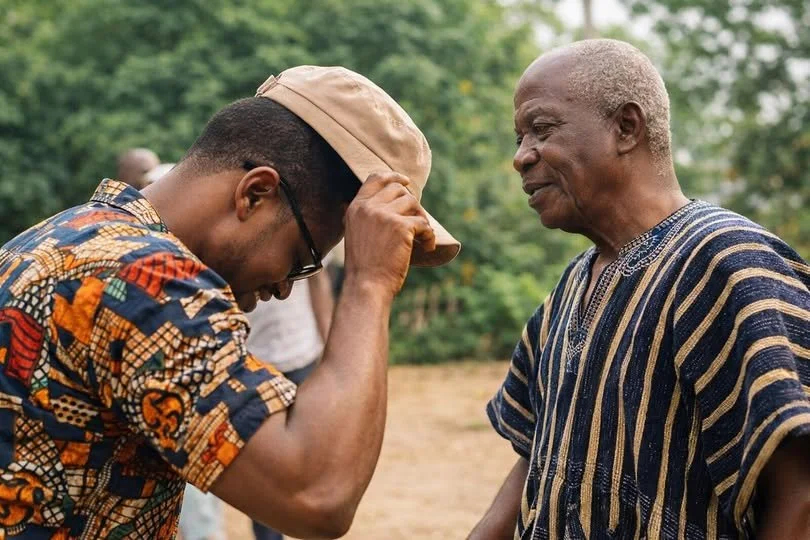
Lowering yourself – When greeting elders, sit or bow slightly.
In daily life: When someone gives you something, clap twice or tap your chest. It says "thank you" without words.
The Power of Plural for Respect
Shona uses plural forms to show respect – even to one person.
"Mhoroi" (hello, plural/respectful) instead of "Mhoro."
"Makadini?" (how are you? respectful) instead of "Wakadini?"
"Maita henyu" (formal thanks) vs. "Maita."
This "plural of politeness" is key when speaking to elders, strangers, or anyone you want to honor.
Why Politeness Matters in Shona Culture
Respect (tsika) is central.
You greet elders first, speak softly, and avoid arguing.
These habits build community and harmony.
In Zimbabwe today, using these phrases at markets, work, or family gatherings makes you stand out as thoughtful.
Frequently Asked Questions
What is the most common way to say thank you in Shona?
"Maita" or "Maita basa" – super common in daily life.
How do you say "you're welcome" in Shona?
"Zvakanaka" (it's good) or "Titambire" (welcome, as in accepting thanks).
What's the difference between "Ndineurombo" and "Pamusoroi"?
"Ndineurombo" is for sorry/apology; "Pamusoroi" is for excuse me (passing or interrupting).
Should I use plural forms with everyone?
Use them with elders, strangers, or in formal situations to show respect.
How do I say "please" in Shona?
"Ndapota" – add it to requests like "Ndapota, ndipeiwo..." (Please give me...).
Do people still clap hands as thanks in modern Zimbabwe?
Yes, especially in rural areas or traditional settings – it's a warm gesture.
These phrases open doors in Shona-speaking places.
They show you're trying to connect on their terms.
Start using them today – even one "Maita" can brighten someone's day.
If this helped, keep coming back to NKENNE. We're here for the language, the culture, and the pride that comes with it.
Maita henyu for reading. You're already doing great.