
By: Yvonne Mag-usara
Some dishes have a famous origin story. Madesu carries something quieter: the reliability of a pot that can feed several people without demanding expensive ingredients.
In Lingala, madesu means beans. The same word is also used when speaking about the familiar Congolese stew built from beans, onions, tomatoes, oil, and seasoning. There is no single household formula.
This guide explains what madesu means, how the stew is prepared, why recipes differ, and how its language can bring learners closer to everyday Congolese life.
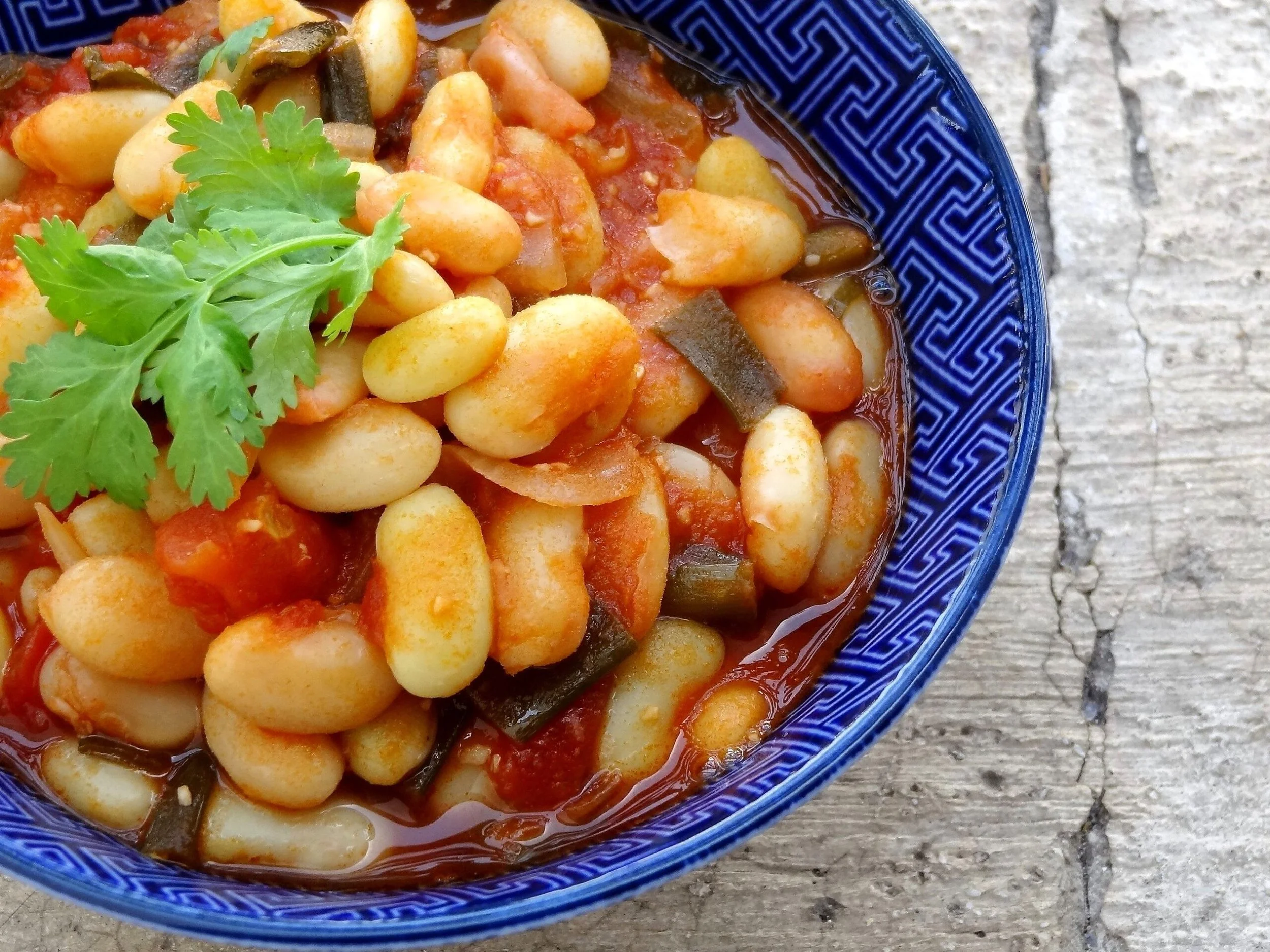
Credit: Recettes Végétales
Madesu can be prepared with different types of beans, including white beans simmered in a seasoned tomato sauce.
What Is Madesu?
The Lingala word madesu is the plural of lidesu, meaning a bean. That simple definition matters because madesu is an everyday ingredient before it is the name of a formal dish. The Lingala dictionary records both forms.
As a meal, madesu usually refers to beans cooked in a seasoned tomato and onion base until the sauce becomes thick and the beans grow tender. Red beans are common, but white beans and other varieties also appear.
Madesu does not need meat to feel complete. The beans give the stew its body, while the sauce carries the flavour.
Why Every Pot Tastes Different
Madesu has a recognizable structure, but not one fixed recipe.
Food writer Hawa Hassan notes that Congolese cooks may use palm oil, ginger, extra spices, chilli, smoked meat, or fish according to household preference. Her account appears with The Bittman Project’s madesu recipe.
One pot may be mild and tomato-rich. Another may carry more pepper, nutmeg, or the savoury depth of smoked fish. Some cooks leave more broth, while others reduce the stew until it becomes thick and creamy.
These differences do not make one version less authentic. They show how home cooking works. A dish remains recognizable while adapting to the cook, the pantry, and the people eating it.
Ingredients That Build Madesu
The ingredient list is modest, but each part has a clear job:
Beans provide the substance. Red, white, kidney, or borlotti beans can work.
Onions and garlic form the savoury base.
Tomatoes and tomato paste give the stew colour, acidity, and depth.
Oil carries the flavour. Neutral vegetable oil and palm oil produce different results.
Bay leaves, paprika, or nutmeg bring warmth without overwhelming the beans.
Green pepper, ginger, or chilli can be added according to taste.
Bouillon is common in some recipes, though it is optional.
The tomato base should be cooked until it loses its raw sharpness. This is where much of the stew’s flavour develops.
How to Make Madesu
This adaptable madesu recipe follows the broad home-cooking method documented by Congolese cooks. It is a starting point, not a claim to be the only correct version.
Ingredients
2 cups dried red or white beans, or 3 cans of cooked beans
2 to 3 tablespoons vegetable or palm oil
1 large onion, chopped
3 garlic cloves, minced
1 green bell pepper, chopped
1 can chopped tomatoes
1 tablespoon tomato paste
2 bay leaves
1 teaspoon paprika
A small pinch of nutmeg
Salt and black pepper
Chilli or bouillon, optional
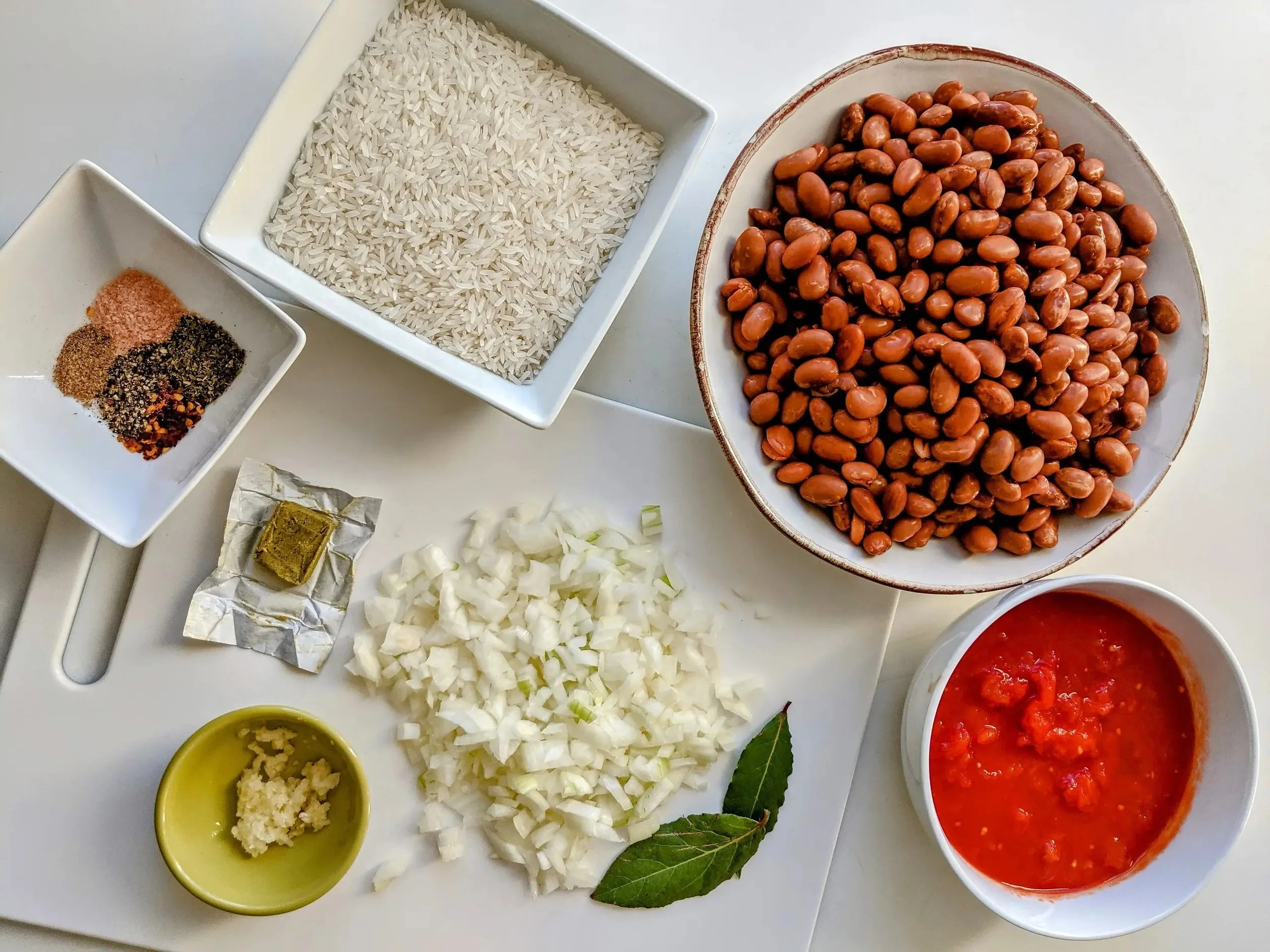
Credit: She Cooks It All
Method
If using dried beans, soak them and cook them in fresh water until fully tender. Keep some of the cooking liquid.
Heat the oil and soften the onion and green pepper.
Add the garlic, tomatoes, tomato paste, and bay leaves. Cook until the sauce darkens and thickens.
Stir in the paprika, nutmeg, salt, pepper, and any optional seasoning.
Add the beans with enough cooking liquid or water to loosen the sauce. Simmer gently for 20 to 30 minutes.
Mash a few beans against the side of the pot if you want a creamier texture.
Canned beans are also a practical option when you want to shorten the cooking time. Drain and rinse them before adding them to the sauce, then simmer until they have absorbed the surrounding flavours.
Safety note: Dried beans must be cooked thoroughly. The FDA advises soaking them for at least five hours and boiling them in fresh water for at least 30 minutes because raw or undercooked beans can contain harmful lectins. Read the FDA guidance.
What to Serve With Madesu
White rice is the most familiar companion. In Lingala, loso na madesu means rice and beans.
Fried plantains add sweetness beside the savoury tomato sauce. Potatoes, yams, bread, or boiled plantains can also make the meal more substantial.
Madesu may be served as:
A main dish with rice and plantains
A side beside grilled or stewed meat
A meatless meal made with vegetable bouillon
Part of a larger table with greens such as pondu
The stew often tastes even better after resting because the beans continue absorbing the seasoning.
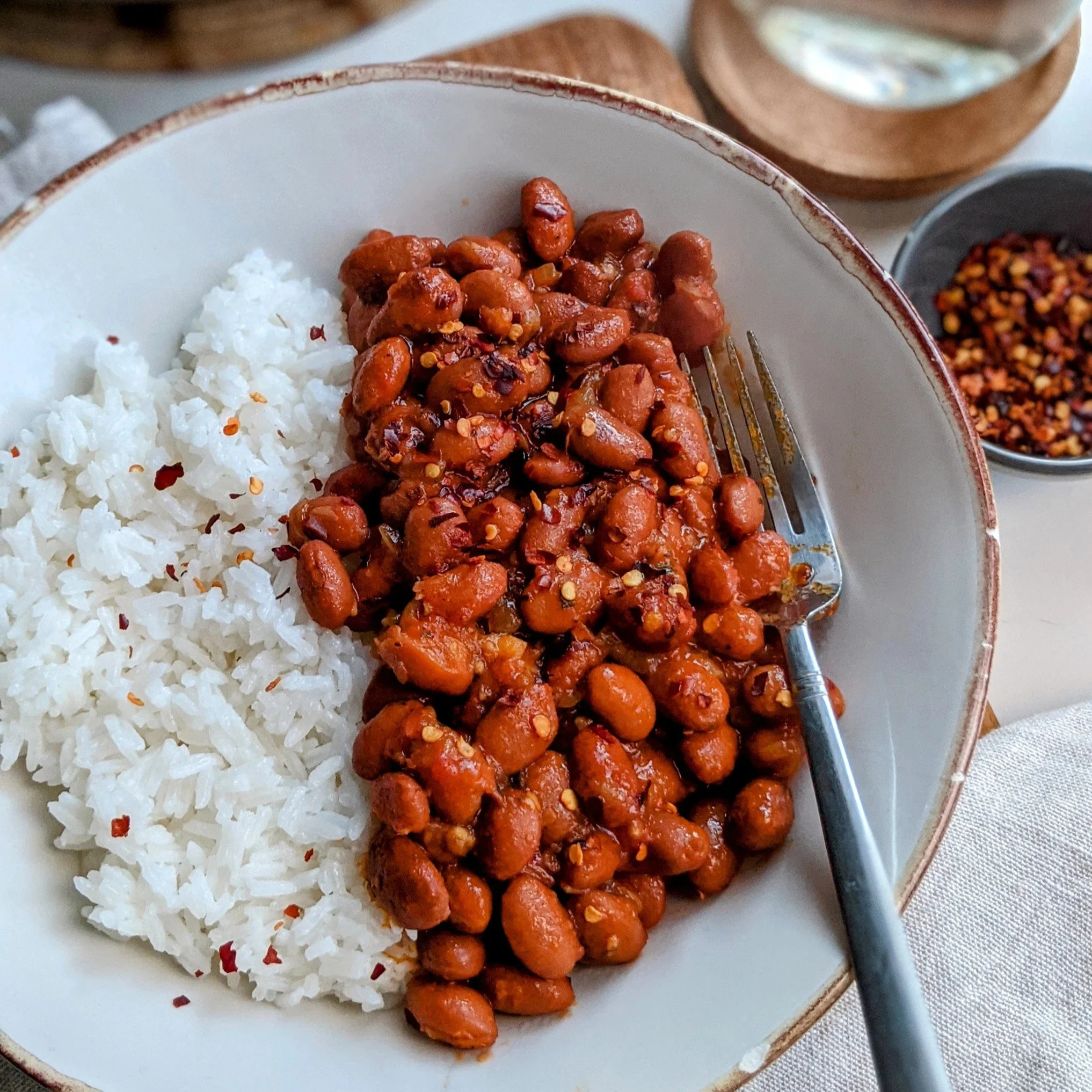
Credit: She Cooks It All
Madesu is often served with simple, filling sides such as rice, plantains, potatoes, yams, or bread, letting the richly seasoned beans remain at the centre of the meal.
Learning Lingala Through the Kitchen
Food vocabulary stays with you because it belongs to something physical. You can see it, prepare it, and share it.
Start with these expressions:
Madesu: beans
Lidesu: one bean
Loso na madesu: rice and beans
Nalambi madesu: I prepared beans
Nzungu ya madesu ezali na moto: The pot of beans is on the fire
Learn the complete phrase rather than memorizing madesu alone. That gives the word a place inside real speech.
For more context on how the language travels through Congolese life, read Lingala: The Language of Music, Dance, and Kinshasa.
FAQs
What does madesu mean?
Madesu means beans in Lingala. It is the plural of lidesu, meaning one bean.
What beans are used for madesu?
Red beans are common, but recipes also use white, kidney, or borlotti beans. The variety matters less than cooking the beans until tender.
Is madesu vegetarian?
It can be. Use vegetable bouillon or no bouillon for a meatless version. Other recipes may include chicken bouillon, smoked meat, or fish.
Can I make madesu with canned beans?
Yes. Drain and rinse the beans, prepare the tomato sauce, and simmer everything together for about 20 minutes. Canned beans make madesu practical for a weekday meal.
Is madesu spicy?
Not necessarily. Chilli may be added, but the dish can remain mild. Its main flavour comes from beans cooked in a well-seasoned tomato and onion base.
Is madesu the same as loso na madesu?
Not exactly. Madesu means beans or the bean preparation. Loso na madesu refers to rice served with beans.
Conclusion
Madesu does not need complicated ingredients to earn its place at the table.
The beans soften, the tomato sauce deepens, and an ordinary pot becomes enough to feed several people. Its strength is not novelty. It is dependability.
For diaspora cooks, preparing madesu can also return a Lingala word to daily use.
Cook the beans slowly, serve them generously, and let the language return with the meal.
Learn Lingala Through Food and Everyday Life
With NKENNE, learning Lingala can begin with words already attached to home: the food being cooked, the people waiting to eat, and the conversation around the table.
Explore Lingala language and culture in the NKENNE app through useful expressions, everyday situations, and the stories that give each word somewhere to belong.
