
Who Are the Haitian Creole People? Origins, African Roots, and Creolization
By: Chimdindu Ken-Anaukwu
Haitian Creole people form one of the most distinct cultural groups in the Americas. Their story begins with forced migration, survival, and the creation of something new.
This article unpacks the main influences that shaped them: strong West and Central African foundations, French colonial contact, smaller Taino traces, and the process of creolization that turned those elements into a living culture still thriving today. You will see how language, religion, family life, and national identity grew from that mix.
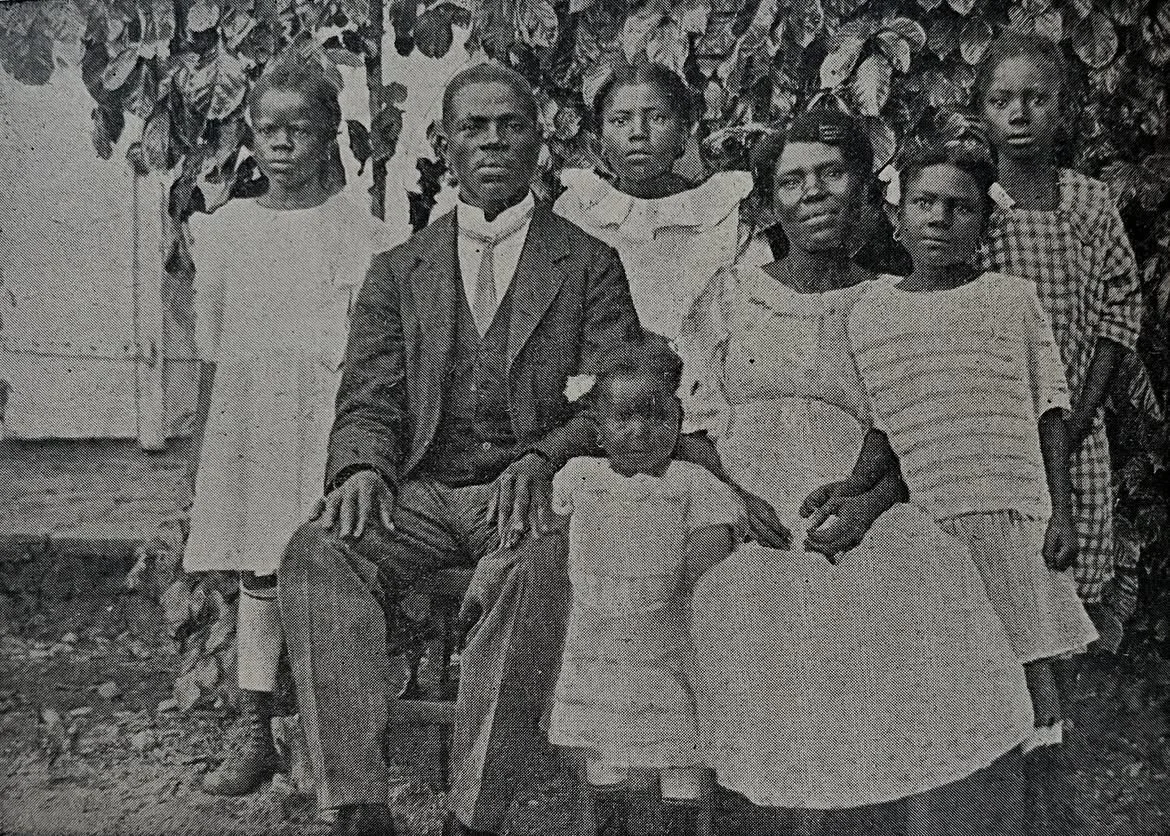
The Core African Foundations
The overwhelming majority of Haitians today descend from West and Central African peoples brought to the French colony of Saint-Domingue between the late 1600s and late 1700s.
Major groups included:
Peoples from the Bight of Benin region (Fon, Ewe, Aja, Yoruba)
Peoples from the Kongo region (BaKongo and related groups)
Others from Senegambia, the Gold Coast, and the Bight of Biafra (including Igbo)
These populations arrived speaking many different languages. On the plantations they needed a shared way to communicate among themselves and with the French. That pressure helped create Haitian Creole.
African influences remain visible in everyday life: the structure of the Creole language (especially grammar), Vodou religious practices, music and dance rhythms, foodways, and the strong emphasis on extended family and community. Genetic studies confirm that African ancestry forms the clear majority for most Haitians.
French Colonial Contact and Its Limits
French planters, soldiers, and administrators controlled Saint-Domingue and supplied most of the vocabulary for Haitian Creole. Roughly 90 percent or more of the language’s words come from French sources.
French influence also shaped aspects of formal culture, architecture in some areas, and the presence of a smaller mixed-ancestry population (often called milat or mulatto). Some free people of color held property and education under the colonial system.
Yet the numerical imbalance was extreme. By the late 1700s Africans and their descendants outnumbered Europeans by ratios often cited around 10 to 1 or higher. After the Haitian Revolution most remaining French colonists left or were expelled. French cultural dominance never fully replaced the African base.
Taino Presence and Its Scale
The Taino (an Arawak people) were the main Indigenous inhabitants of the island when Europeans arrived. They called the land Ayiti, meaning “land of mountains.” That name became the modern country’s name.
Spanish colonization in the early 1500s devastated the Taino population through disease, forced labor, and violence. By the time the French took firm control of the western part of the island in the late 1600s, few Taino communities remained.
Cultural traces exist:
Place names and some vocabulary in Haitian Creole
Possible echoes in certain Vodou practices and oral traditions
Symbolic use of Indigenous imagery after independence
Genetic studies show very little surviving Taino maternal ancestry in modern Haitian populations compared with Spanish-speaking Caribbean islands. The Indigenous contribution is real but limited relative to the African and European elements.

What Creolization Actually Meant in Haiti
Creolization describes the creation of new cultural forms under the specific conditions of Caribbean plantation society. In Haiti it produced:
A new language (Kreyòl Ayisyen) with French vocabulary and strong West African grammatical patterns
Vodou as a syncretic religion combining African spiritual systems with Catholic elements
New social structures centered on the lakou (extended family compound) and mutual support
Distinct music, dance, food, and storytelling traditions
Enslaved people from dozens of African backgrounds were deliberately mixed on plantations. They adapted, selected, and innovated under extreme pressure. Children born in the colony (Creoles) grew up with the emerging culture as their primary one. Maroon communities in the mountains sometimes preserved more African practices while still adapting to local conditions.
Creolization was never simple mixing. It was a process of survival, resistance, and invention.
How the Revolution Solidified a People
The Haitian Revolution (1791–1804) turned a colonial population into a nation. Formerly enslaved people and free people of color fought together, defeated European armies, and declared independence.
Leaders such as Toussaint Louverture and Jean-Jacques Dessalines helped forge a shared Haitian identity. Dessalines in particular pushed a radical vision that rejected racial distinctions among those who had fought for freedom. The new nation took the Taino-derived name Haiti and made Haitian Creole the language of the people.
That revolution remains the central historical event that defines Haitian Creole people as a free people who created their own state.
Living Identity Today
Haitian Creole people live primarily in Haiti and in large diaspora communities in the United States, Canada, France, the Dominican Republic, and elsewhere.
Core markers of identity include:
The Haitian Creole language as everyday speech
Strong family and community ties
Cultural practices rooted in African-derived traditions
Pride in the revolutionary history
Identity continues to evolve. Diaspora communities adapt traditions to new settings while maintaining clear connections to Haiti. Younger generations blend heritage with global influences without losing the foundational elements.
Common Questions About Haitian Origins
Are Haitians purely African?
No. The population is predominantly of African descent with smaller contributions from European (mainly French) and limited Indigenous sources. Culture reflects that layered history.
How much Taino ancestry do modern Haitians have?
Genetic studies indicate very low levels compared with other Caribbean populations that remained under Spanish rule longer. Cultural influence exists mainly in names, some words, and symbolic memory.
What does “Creole” mean in this context?
It refers both to the language and to people and culture formed in the colony through the blending process. In Haiti it became a national identity after independence.
Did all Africans in Saint-Domingue come from the same place?
No. They came from many regions and language groups. The shared colonial experience and the need to communicate produced the new culture.
Is Haitian culture the same as other Caribbean cultures?
It shares some features with other Creole societies but stands out because of the successful revolution, the early end of colonial rule, and the particular strength of African-derived elements that developed in relative isolation after 1804.
A People Who Made Themselves
Haitian Creole people emerged from African roots, colonial contact, and the hard work of creolization. They took what was imposed and what was carried across the ocean and built a language, a religion, a family system, and a nation.
That history explains both the resilience and the creativity still visible in Haitian life today. Understanding these origins helps anyone engage more respectfully with the culture and its people.
At NKENNE we share these stories so the knowledge stays alive and accessible. Explore more on Haitian language, family life, food, and history.
What part of Haitian origins interests you most? Share your thoughts or questions in the comments.