
Liboke: Banana-Leaf Magic – Fish or Meat Steamed to Perfection
By: Chimdindu Ken-Anaukwu
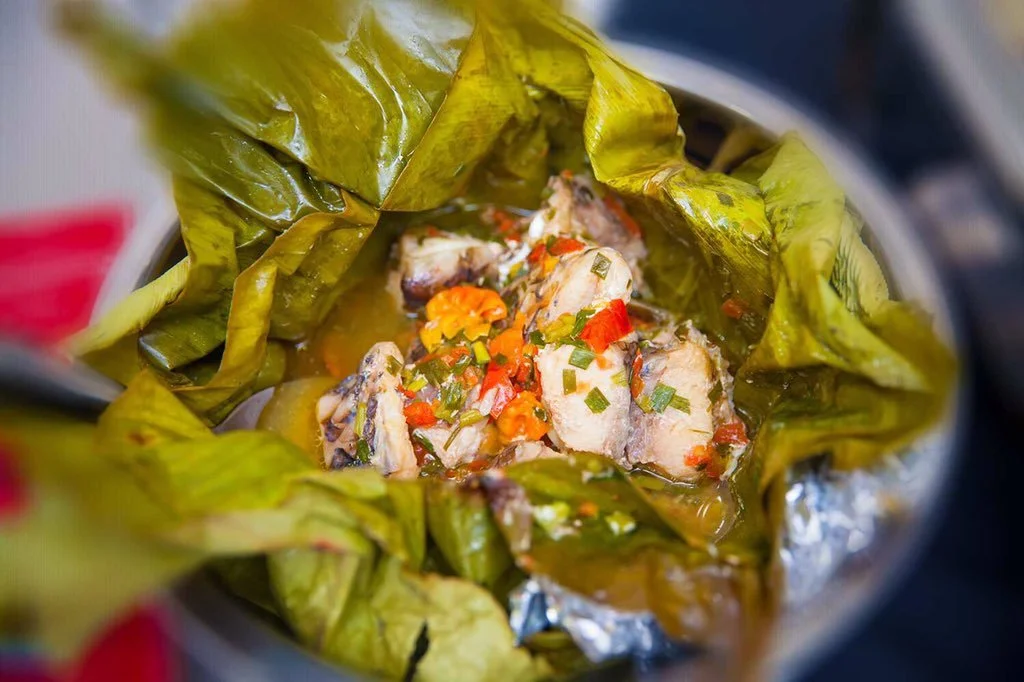
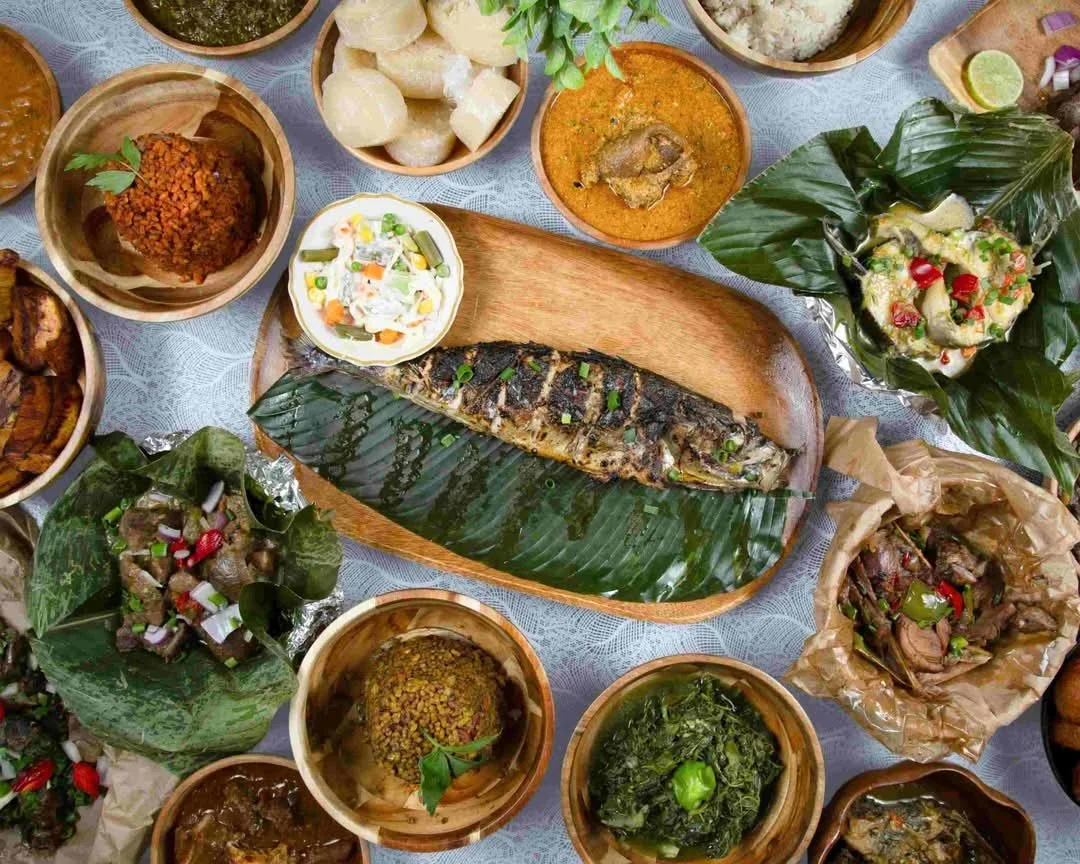
Picture fresh river fish or tender meat wrapped in fragrant banana leaves, slowly steamed or grilled until it absorbs every bit of spice and smoke. The leaves keep everything moist and add a unique earthy aroma you cannot get any other way. That is liboke, one of the most loved everyday dishes in Congolese kitchens, especially along the rivers of the Democratic Republic of Congo.
Liboke means "packet" or "small bundle" in Lingala. It turns simple ingredients into something special through the ancient art of leaf-wrapping. This guide shows you why it feels like magic, its riverside roots, how to make it at home, and the cultural reasons it brings people together.
What Makes Liboke So Special
Liboke is simple yet full of flavor. The banana leaves seal in moisture and infuse the food with a subtle, smoky taste. You get tender, perfectly cooked fish or meat without drying it out.
It works for everyday meals and special occasions. Families make big batches for gatherings because everyone loves opening their own fragrant packet. The method is healthy, uses minimal oil, and highlights fresh local ingredients. In Kinshasa markets or villages near the Congo River, liboke appears on tables almost daily.
Riverside Origins and Cultural Roots
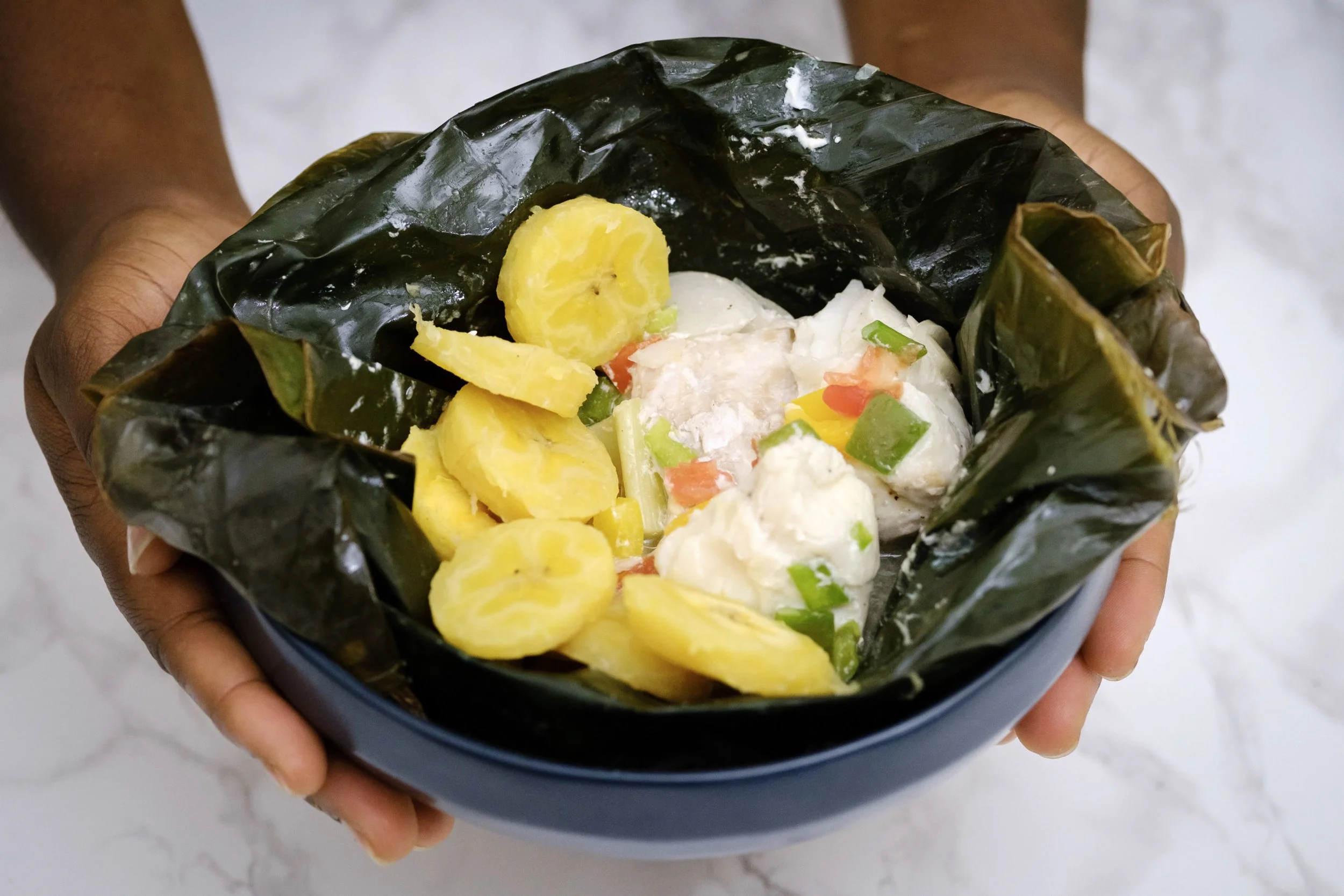
Liboke comes from communities living near rivers and forests in the DRC and Republic of Congo. Banana leaves grow abundantly there, so people naturally used them as natural wrappers and cooking vessels long before modern pots became common.
The technique reflects practical wisdom. Wrapping food preserves flavors, keeps it clean, and allows gentle steaming over open fires. It traveled from rural areas into urban kitchens and diaspora homes. Today it symbolizes ingenuity and connection to the land. In Lingala-speaking homes, preparing liboke often becomes a shared activity that brings generations together.
Core Ingredients for Real Flavor
You need fresh, simple items. Markets in Congo make this easy and affordable.
Fresh fish (tilapia, mackerel, or river fish) or meat (beef, chicken, or goat)
Banana leaves (large and flexible)
Tomatoes (sliced or chopped)
Onions (red or spring onions)
Garlic and ginger (freshly minced)
Chili peppers (pili-pili or Scotch bonnet for heat)
Salt, black pepper, and bouillon cubes or Maggi
Lemon or lime juice (to clean and brighten)
Optional: fresh herbs, palm oil for extra richness
The leaves are the star. They turn ordinary seasoning into something aromatic and memorable.
Step-by-Step: How to Make Liboke at Home
Follow these steps for authentic results. This serves 4 people.
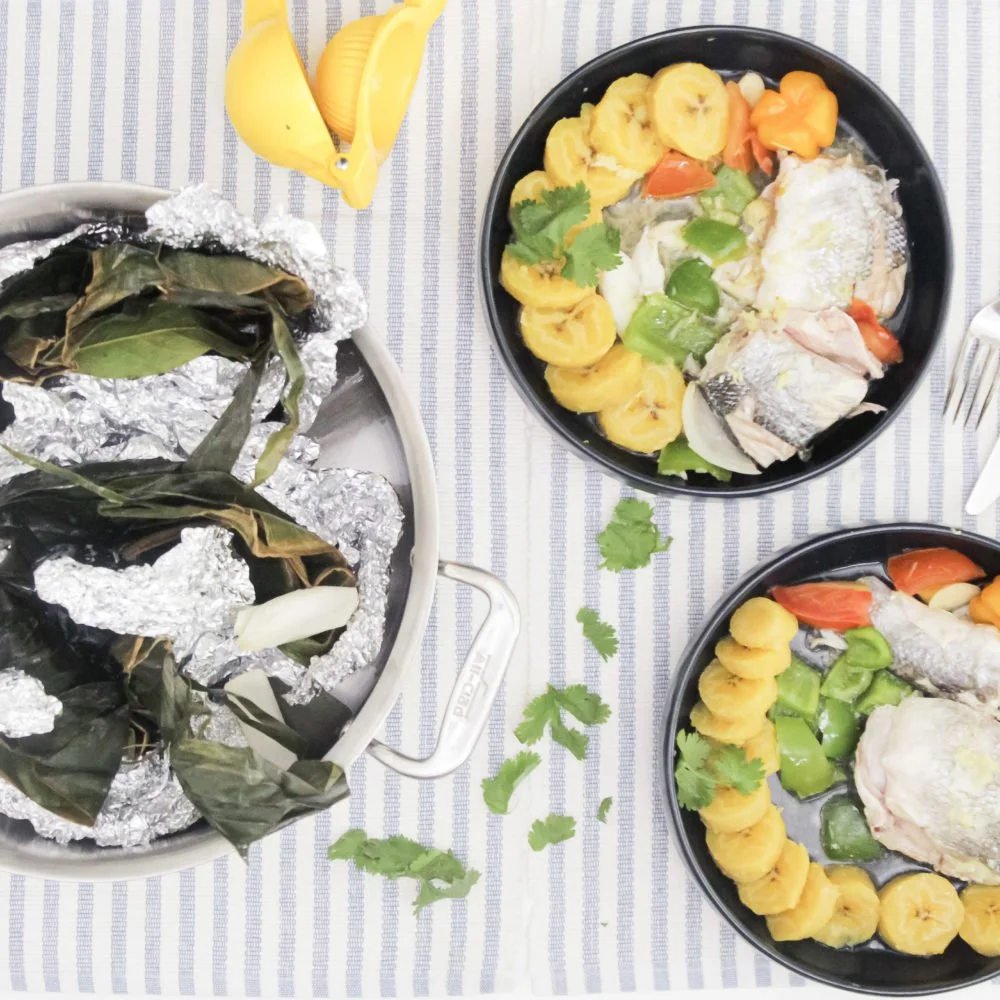
Prepare the leaves: Wash banana leaves well. Pass them quickly over a flame or dip in hot water to make them soft and pliable so they do not tear.
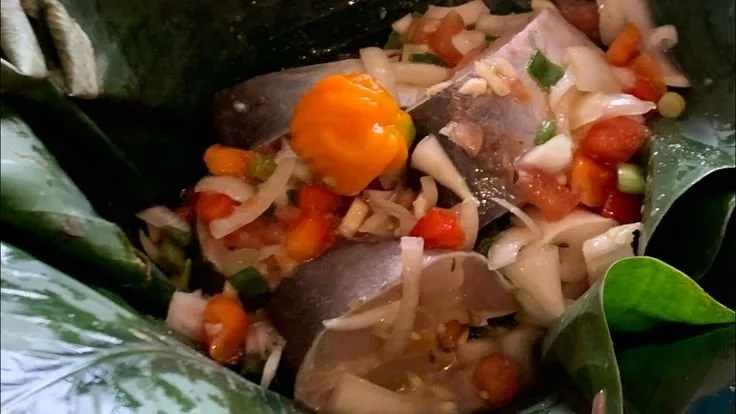
Marinate the protein: Clean fish or meat with lemon juice. Mix with chopped tomatoes, onions, garlic, ginger, chili, salt, pepper, and bouillon. Let it sit 20 to 30 minutes.
Wrap the packets: Lay out banana leaves in layers (usually two or three). Place seasoned fish or meat in the center with plenty of the vegetable mixture and marinade liquid. Fold securely like a parcel and tie with strips of leaf or string.
Cook: Steam over boiling water for 20 to 40 minutes depending on size. Or grill over medium coals for smoky flavor. You can also bake in the oven at 400°F (200°C) for 25 to 35 minutes.
Rest and open: Let packets sit a few minutes after cooking. Open carefully at the table so the aroma fills the room.
The result is moist, flavorful food with a gentle leaf perfume.
Fish Versus Meat Versions
Fish liboke (liboke ya mbisi) is the most common, especially with fresh river catch. It cooks faster and feels lighter.
Meat versions (liboke ya nyama) use tougher cuts that become tender in the steam. Chicken and goat work particularly well. Some families mix both or add smoked fish for deeper taste. The method stays the same. Only the marinating time changes slightly for meat.
Serving Traditions and Pairings
Serve liboke straight from the packet for maximum drama and flavor. It pairs beautifully with:
Fufu or kwanga (fermented cassava)
Boiled plantains or rice
Pondu (cassava leaves stew) on the side
In Congolese homes, people gather around, open their packets together, and share stories. A cold Primus beer or ginger drink completes the meal. Leftovers taste even better the next day.
FAQs
What does "liboke" mean in Lingala?
It means "packet," "bundle," or "small group." It refers to the wrapped portions of food.
Can I make liboke without banana leaves?
Yes. Use aluminum foil as a substitute, though it will lack the earthy aroma. Combine foil with parchment paper for better results.
How long does liboke take to cook?
Fish packets cook in 20 to 30 minutes. Meat needs 35 to 50 minutes. Always check for doneness.
Is liboke spicy?
It can be. Adjust the amount of chili peppers to your taste. Many versions include a mild heat that builds flavor.
Can I prepare liboke in advance?
Yes. Marinate and wrap the packets ahead, then cook when ready. They keep well in the fridge for a day.
What is the best fish for liboke?
Tilapia, mackerel, or any firm river fish. Freshness matters more than the exact type.
Wrapping Up: The Simple Magic That Connects Us
Liboke proves that great food does not need complicated tools or expensive ingredients. A few fresh items, good seasoning, and clever banana-leaf wrapping create something deeply satisfying. It carries riverside traditions into modern kitchens and reminds us of the ingenuity and warmth in Congolese culture.
Make a batch this weekend. Gather friends or family, open the packets together, and enjoy the aroma and stories that follow.
Ready for more real Congolese flavors and Lingala kitchen wisdom? Visit NKENNE for complete recipes, cultural stories, and practical guides that bring Africa’s traditions to your table. Which version of liboke will you try first?