
Twins in Yoruba Culture: The Sacred Ibeji Tradition That Still Thrives
By: Chimdindu Ken-Anaukwu
Yoruba land has one of the highest twin birth rates in the world. In places like Igbo-Ora in Oyo State, you can find nearly 50 sets of twins per 1,000 births. Twins are not seen as ordinary children. They are celebrated as special blessings and divine messengers who bring good fortune to their families. This belief gave birth to the ibeji tradition, complete with carved wooden figures, rituals, and ongoing care that continues today. In this guide, you will discover why twins hold such power in Yoruba culture, the meaning behind ibeji carvings, the rituals involved, and how modern families in Nigeria and beyond still honor them.

Why Twins Are So Special in Yoruba Belief
In Yoruba worldview, twins share one soul split between two bodies. This makes them spiritually powerful.
They are seen as messengers between the physical world and the spirit realm. Their arrival often signals blessings like prosperity, protection, or fertility for the entire family.
At the same time, twins require special care. If not properly honored, they could cause mischief or imbalance. This belief leads to rich traditions of respect, naming, and rituals that protect both the children and their loved ones.

The High Rate of Twin Births Among Yoruba People
Yoruba communities, especially in southwest Nigeria, record twin rates far above the global average of about 12 per 1,000 births.
Igbo-Ora has earned the nickname "Twin Capital of the World," with rates historically reaching 45-50 per 1,000 births. Studies link this partly to diet rich in yams and certain local foods that may influence ovulation.
This natural phenomenon reinforces the cultural reverence. Twins are common enough that families know exactly how to welcome and honor them from day one.
Understanding Ibeji: The Divine Twin Orishas
Ibeji refers to both the physical twins and the orishas (deities) associated with them. Taiwo (the first to arrive) and Kehinde (the second) have specific personalities in tradition.
Taiwo is considered the elder despite coming out first, while Kehinde is seen as wiser and more thoughtful. Families give them special names and treat them with extra attention.
These beliefs trace back centuries and remain strong, showing how Yoruba spirituality blends daily life with the divine.

Ere Ibeji Carvings: Wooden Homes for Twin Spirits
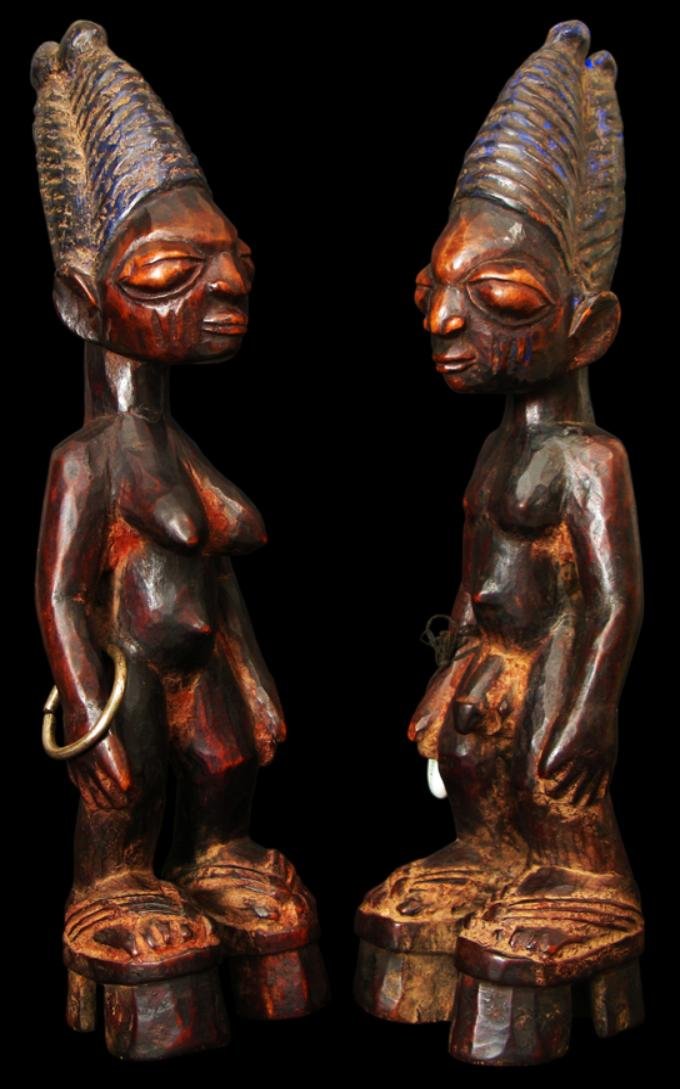
When one or both twins pass away, families commission ere ibeji, beautifully carved wooden figures.
These statues are not mere memorials. They serve as a physical home for the spirit of the deceased twin, allowing the soul to stay connected to the family and the living twin.
Carvers give them adult-like features, big heads symbolizing destiny (ori), scarification marks, and elaborate hairstyles. The figures are often adorned with beads, cloth, and cowrie shells.
Traditional Rituals and How Families Care for Ibeji
Mothers treat the ere ibeji like living children. They bathe them, oil the wood, dress them in matching clothes, feed them symbolically, and carry them on their backs.
Offerings of food, palm oil, and prayers happen regularly, especially on special days. Songs and lullabies soothe the spirits.
If both twins survive, families may still create figures or perform ceremonies to honor the ibeji orishas for continued protection.
These acts maintain balance and invite blessings into the home.
How the Tradition Lives On in Modern Times
In 2026, the ibeji tradition remains vibrant. Families in Lagos, Port Harcourt, and rural towns still commission carvings and perform rituals.
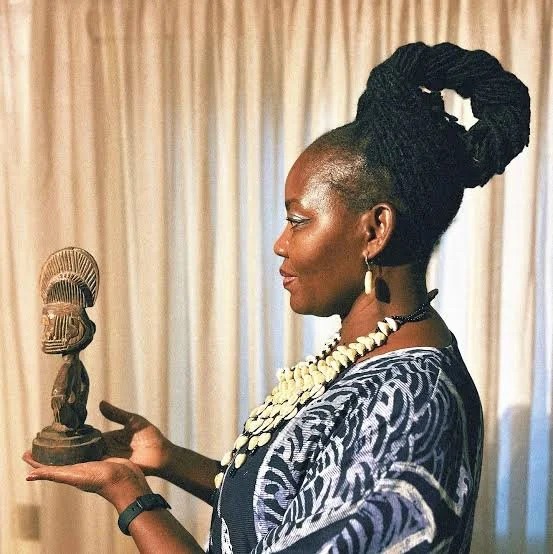
Urban families adapt by keeping smaller figures in homes or participating in annual festivals. Artists and cultural projects like the Ìbejì Project help preserve and celebrate the carvings as living art.
Many Yoruba people in the diaspora maintain the practice, blending it with contemporary life while teaching children the spiritual meaning. It stands as a powerful link to identity and ancestry.

Common Questions Answered
Why do Yoruba people have so many twins?
Genetic factors, diet rich in yams, and environmental influences contribute to the high rate, especially in areas like Igbo-Ora. Culturally, this reinforces the view of twins as blessings.
What happens if one twin dies?
The family carves an ere ibeji figure to house the spirit of the deceased twin. The living twin and family continue to care for the carving to maintain spiritual balance.
What do the names Taiwo and Kehinde mean?
Taiwo means "the first to taste the world," while Kehinde means "the one who arrives after." These names reflect their birth order and spiritual roles.
Are ere ibeji still carved today?
Yes. Skilled carvers continue the tradition, and many families commission new figures. They are also collected as important Yoruba art worldwide.
How do modern families honor ibeji?
Through regular offerings, dressing the figures, prayers, and participation in cultural events. Some combine traditional rituals with Christian or Muslim practices.
Can non-Yoruba people learn about or collect ibeji figures?
Respectful appreciation is welcomed. Understanding the spiritual meaning shows proper regard for this sacred tradition.
Final Thoughts: The Enduring Power of Ibeji
The ibeji tradition shows how deeply Yoruba culture values life, spirituality, and family connection. Twins and their carved representatives remind everyone that the visible and invisible worlds stay linked. This practice brings comfort, pride, and a sense of continuity that reaches from ancient times into today's bustling cities.
Ready to Explore More Yoruba Traditions?
NKENNE opens doors to authentic Yoruba language, stories, and living culture. Dive into our guides on Ile-Ife creation myths, oriki praise poetry, festivals, or everyday phrases. Join our community for lessons that make heritage feel personal and alive. Start your journey deeper today. 😊