
How Are You? Real Replies and Small Talk Starters in Shona
By: Chimdindu Ken-Anaukwu
Walk up to anyone in Zimbabwe and the first real connection often starts with a simple question.
Not the rushed English "How are you?" but the warm Shona version that shows genuine interest.
Asking "Wakadini?" or the respectful "Makadini?" opens the door to real chat. The reply "Ndiripo" means more than "I'm fine." It invites the next step: a little follow-up about family, health, or even the weather.
In Shona culture, these small exchanges build respect and community. They turn strangers into acquaintances and acquaintances into friends.
In this guide, I'll show you the exact phrases, how to use them naturally, real-life examples, and simple follow-ups so your conversations feel smooth and authentic from day one.

A day in and around Harare, Zimbabwe - Our World for You
The Basic Ways to Ask "How Are You?"
Shona has two main versions depending on how formal or respectful you want to sound.
Wakadini? – Casual "How are you?" (used with friends, people your age, or younger).
Makadini? – Respectful "How are you?" (use this with elders, strangers, or anyone you want to honor).
You can make it even warmer by adding the person's name or title: "Makadini amai?" (How are you, mother/aunty?) "Wakadini hama?" (How are you, brother/sister?)
The question itself already shows care.
Real Replies and How to Keep the Conversation Going
The most common and natural reply is:
Ndiripo – I'm here / I'm fine (the go-to answer that keeps things positive).
Other useful replies:
Ndiripo, zvakanaka – I'm fine, it's good.
Ndiripo, asi ... – I'm fine, but ... (then share a small update).
Tiripo – We are fine (when speaking for the family).
After "Ndiripo," the other person usually follows up. You can do the same.
A gentle follow-up question: Zvakanaka here? – Is everything good?
This keeps the door open without pressure.
Respectful Plural Forms and When to Use Them
Shona loves the plural of respect. Even when speaking to one person, use the "ma-" form to show politeness.
Ask Makadini? instead of Wakadini? with elders.
Reply with Tiripo (we are fine) to include the family.
Say Maita henyu when thanking.
Using the respectful form makes people feel valued right away. It costs nothing but earns big smiles.
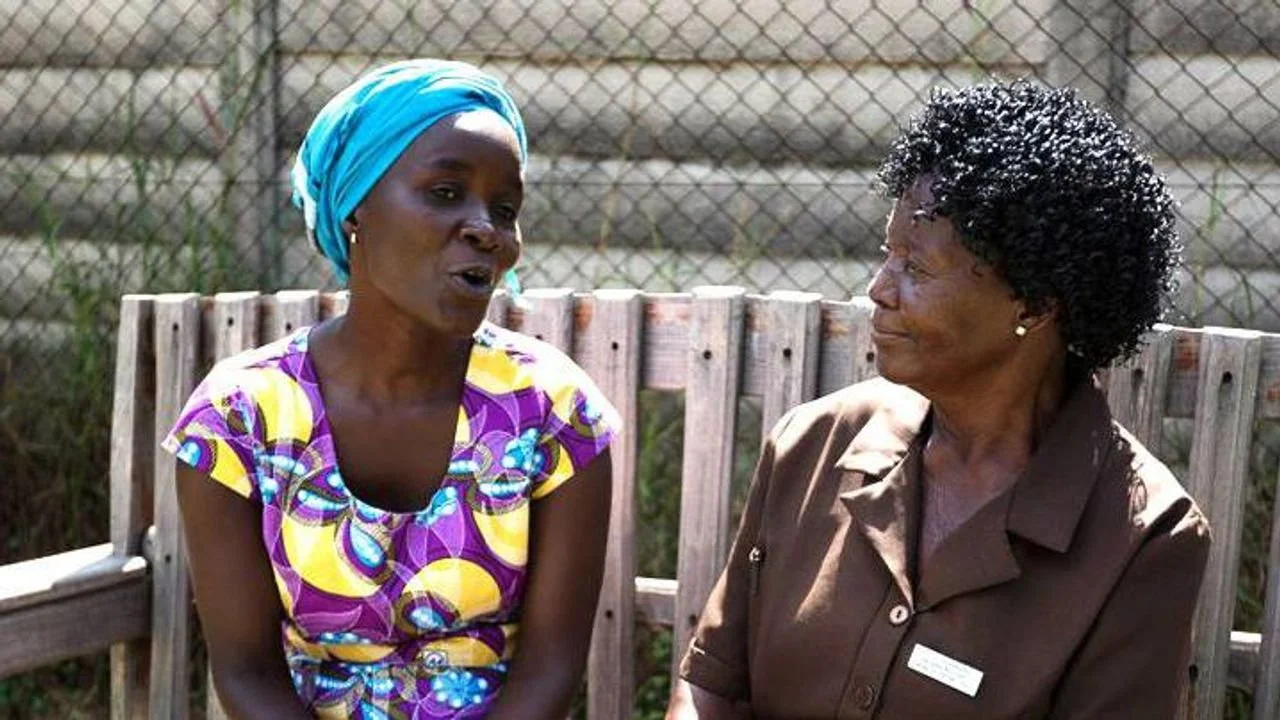
Two generations chatting warmly. Notice the respectful attention that makes small talk meaningful.
Common Small Talk Starters: Family, Health, and Weather
Once the "how are you" part is done, move into light chit-chat. Here are natural starters:
About family:
Mhuri yako yakadini? – How is your family?
Vana vakadini? – How are the children?
Amai naBaba vakadini? – How are mum and dad?
About health:
Unotambura here? – Are you suffering? (gentle way to ask if all is well).
Wakafara here? – Are you happy?
About weather or daily life:
Nhasi kwakadii? – How is today? (often about the heat or rain).
Kumusha kwakadini? – How are things at home/village?
These questions show you care about the person's whole world, not just a quick hello.
Putting It All Together in Everyday Situations
At the market:
You: "Makadini amai?"
Seller: "Ndiripo, maita."
You: "Zvakanaka here? Mhuri yenyu yakadini?"
With a neighbor in the morning:
You: "Wakadini hama?"
Neighbor: "Ndiripo. Nhasi kwakadii?"
You: "Kwakanaka, asi kuti rinopisa." (It's good, but it's hot.)
These short exchanges happen dozens of times a day. They make you part of the community instead of just passing through.

Market life in Zimbabwe is full of these warm, quick conversations that strengthen daily bonds.
Frequently Asked Questions
What is the difference between Wakadini and Makadini?
Wakadini is casual for friends and peers. Makadini is respectful for elders and strangers.
How do you reply to "Makadini?"
The easiest and most common reply is "Ndiripo" or "Tiripo" to include the family.
What does "Zvakanaka here?" mean?
It means "Is everything good?" – a gentle way to continue the conversation.
Can I ask about family right away?
Yes. Shona people love talking about mhuri (family). It shows interest and builds connection.
Is it okay to talk about the weather?
Absolutely. Comments about heat, rain, or the sun are very common and safe small talk.
Do young people still use these phrases?
Yes. Even in cities and on social media, Wakadini and Ndiripo remain the natural way to start chats.
Mastering these simple lines changes how people see you.
You stop being "the visitor" and start feeling like someone who belongs.
Start small. Next time you meet a Shona speaker, try "Makadini?" and watch the conversation open up naturally.
If this helped you feel more confident, keep coming back to NKENNE. We’re here to help you learn the language, understand the culture, and carry that pride wherever you go.
Maita henyu for reading. Your next conversation is going to feel much warmer. 😊