
Congolese Rumba and Coupé-Décalé: How Music Reinvents French Lyrics
By: Chimdindu Ken-Anaukwu
Music from the Congo and Côte d’Ivoire has long mixed French with local languages in ways that feel natural and powerful. Congolese Rumba and Coupé-Décalé show this clearly. From Papa Wemba’s elegant Lingala-French blends to DJ Arafat’s energetic Nouchi-filled tracks, artists reshape French for rhythm, emotion, and cultural expression. This post looks at how the languages work together and why the results sound so distinctive.
Congolese Rumba and the Art of Language Mixing
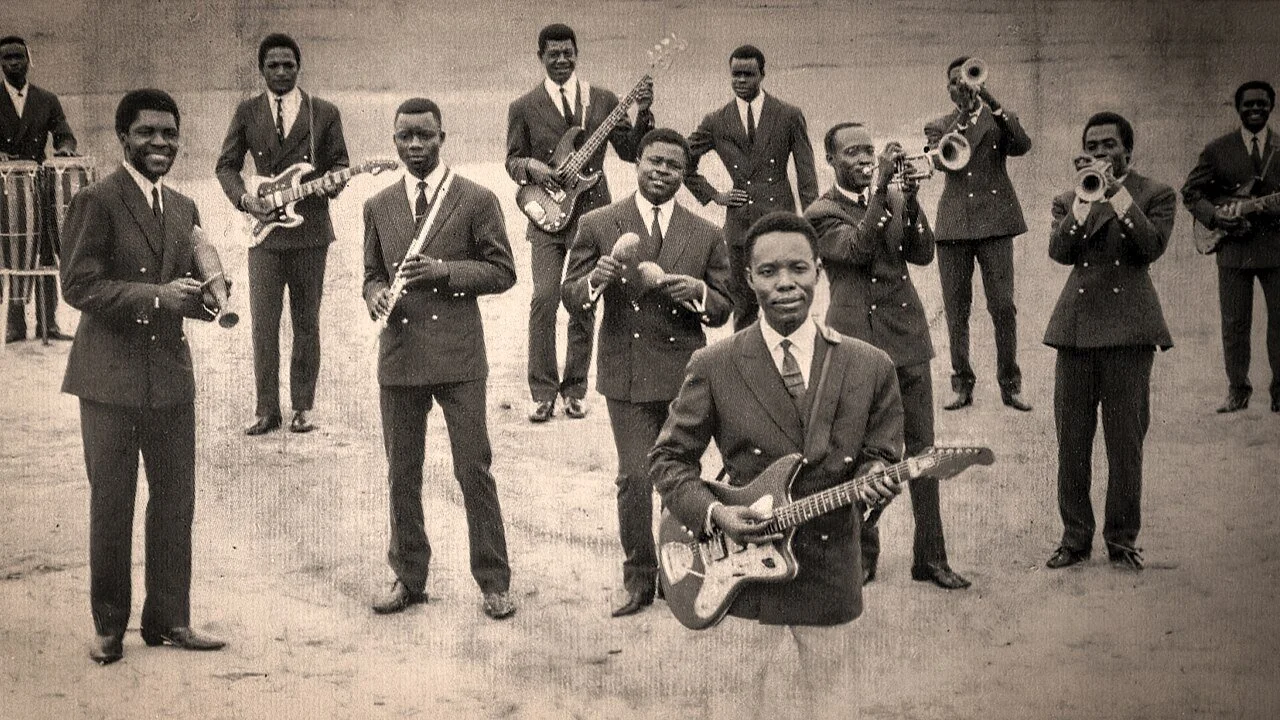
Congolese Rumba grew from Cuban influences in the mid-20th century and became a major African style. Artists often sing in Lingala, the main language of Kinshasa and Brazzaville, while weaving in French words and phrases.
The mix feels smooth. French lines can deliver clear messages or modern flavor. Lingala carries deeper emotion, proverbs, and local references. The combination creates a natural flow that fits the guitar-driven rhythms and sebene sections of Rumba.
Papa Wemba: Elegance, Lingala, and French
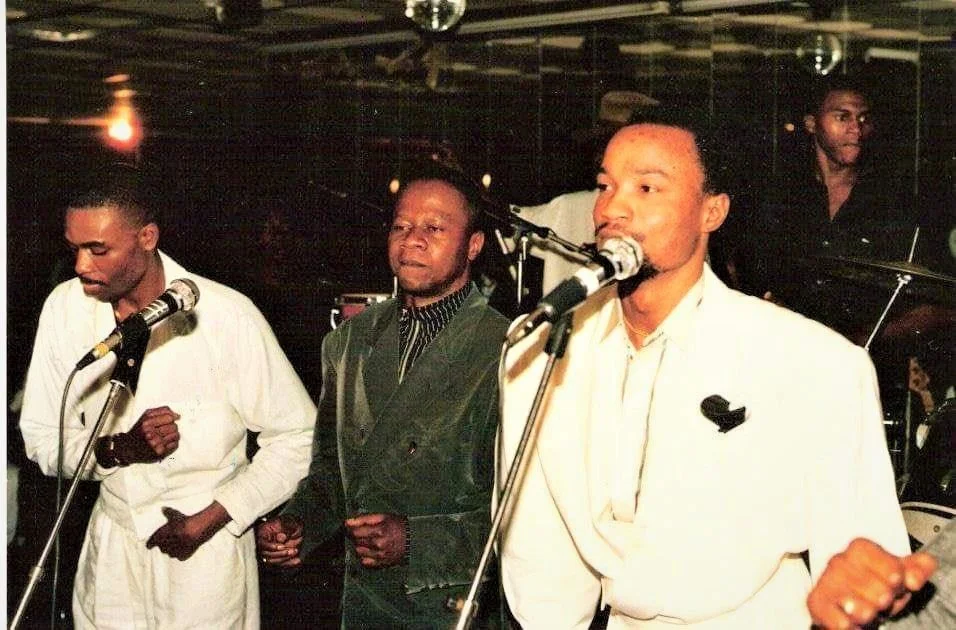
Papa Wemba stood as one of the great figures of Congolese music. He moved easily between pure Lingala and songs that included French. His style often reflected the Sape movement, with themes of elegance, identity, and social observation.
In many tracks, French appears for emphasis or to reach wider audiences, while Lingala holds the emotional core. The language switch feels intentional rather than forced. It lets the music speak to both local listeners and the broader Francophone world.
Wemba’s work showed how French could serve African storytelling without losing its own character.
Coupé-Décalé: Party Energy and Nouchi
Coupé-Décalé emerged in the early 2000s among young Ivorians, many of them living in Paris at the time. The name itself comes from Nouchi, the street slang of Abidjan. “Couper” and “décaler” carry ideas of clever moves and quick escapes, turned into a celebration of style and joy.
The music is upbeat, dance-focused, and full of attitude. Lyrics mix standard French with heavy Nouchi vocabulary. Words about showiness, money, dancing, and street life appear constantly. The result is music that feels rooted in Abidjan’s neighborhoods while traveling easily across Africa and the diaspora.
DJ Arafat and the Street Sound of Abidjan
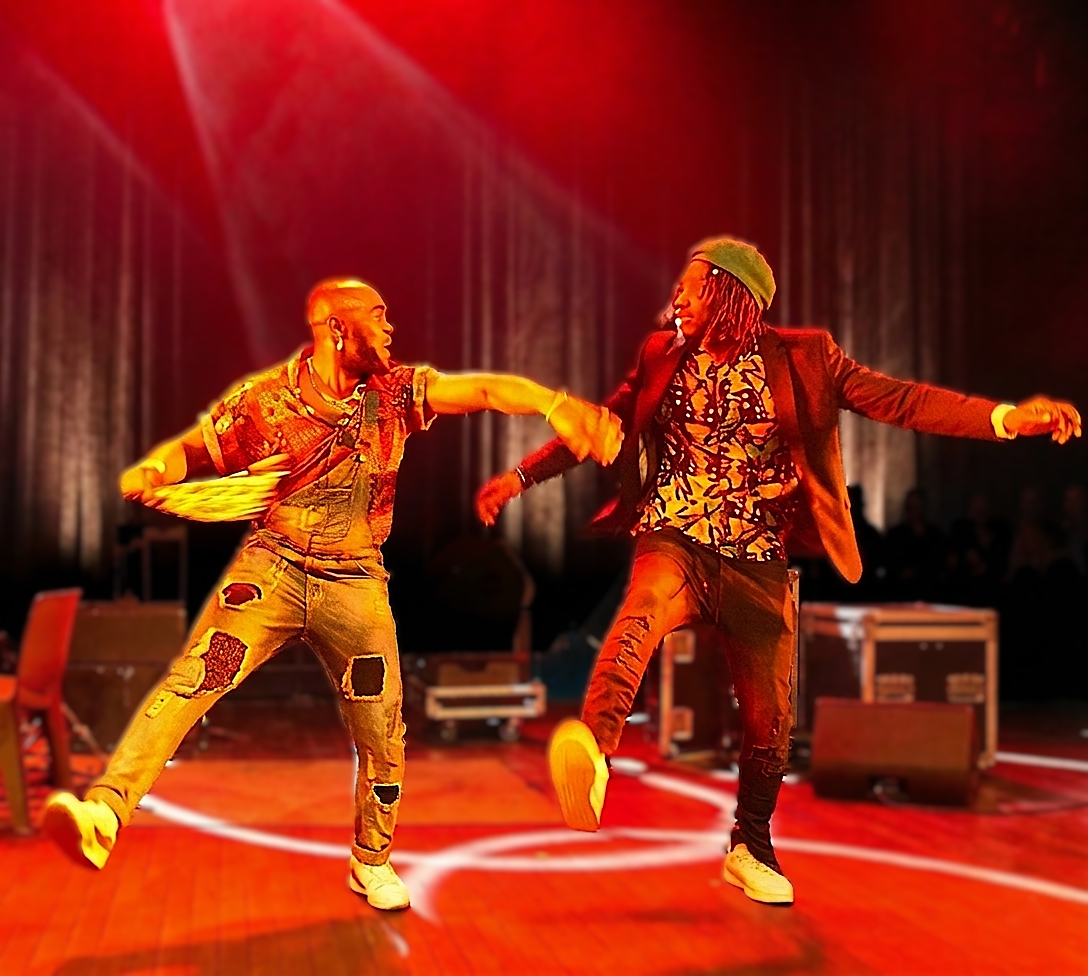
DJ Arafat became one of the biggest voices of Coupé-Décalé. His songs often celebrate the journey from the street to success. Tracks like those referencing “petit nouchi” describe growing up in Abidjan neighborhoods and rising through music.
He used French as a base but filled it with Nouchi expressions, call-and-response phrases, and playful commands that make people dance. The language feels fast, direct, and full of personality. It matches the high-energy production and the competitive spirit of the genre.

Why French Works Differently in These Genres
In both Rumba and Coupé-Décalé, French is not treated as a rigid formal language. Artists bend it to fit African rhythms and local realities.
In Rumba, French often adds clarity or elegance beside Lingala’s deeper emotional range. In Coupé-Décalé, French becomes a playground for Nouchi creativity. The mix creates new sounds, new rhymes, and new ways of expressing pride, struggle, and celebration.
This approach shows ownership. French becomes a tool rather than a fixed standard.
Rhythm, Rebellion, and Cultural Ownership
The language mixes serve practical musical needs. Certain words fit the beat better. Code-switching creates surprise and energy. Local slang signals belonging.
There is also a quiet form of cultural confidence. Artists claim French and reshape it with Lingala or Nouchi. The music carries both African roots and global reach at the same time. Listeners hear identity, humor, and sometimes social commentary without the language feeling forced.
FAQs
What is the difference between Lingala and Nouchi in these songs?
Lingala is a full language widely spoken in the Congo region. Nouchi is Ivorian street slang that mixes French with local languages and new inventions.
Did Papa Wemba sing mostly in Lingala?
Yes. Lingala was central, but he and many Congolese artists regularly included French phrases and lines.
Why is Nouchi so important in Coupé-Décalé?
Nouchi gives the music its street authenticity and playful energy. It connects the songs directly to Abidjan youth culture.
Can someone who only speaks standard French understand these songs?
They can catch many parts, especially the French sections. Full understanding often requires some knowledge of Lingala or Nouchi.
How has this mixing influenced later artists?
Many modern Afrobeats, rap, and dance tracks continue the same approach of blending French with local languages and slang for rhythm and identity.
Conclusion
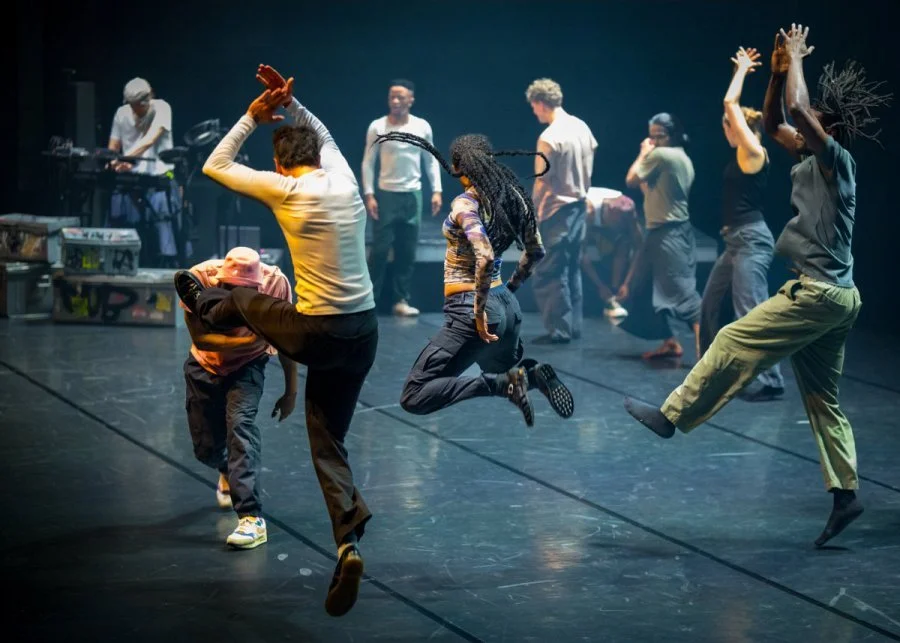
Congolese Rumba and Coupé-Décalé show how African artists take French and make it their own. Papa Wemba used Lingala and French to create elegance and depth. DJ Arafat and the Coupé-Décalé movement filled French with Nouchi energy and street attitude. The result is music that moves bodies and carries cultural pride.
This creative use of language continues to shape Francophone African music today. If you want to understand the lyrics, the slang, and the cultural context behind these sounds, NKENNE offers clear lessons in African French and the cultures that give it life. Start listening more closely. The words have a lot to say.