
Fumbwa: The Leafy Green That Packs a Flavor Punch
By: Chimdindu Ken-Anaukwu
Deep in Congolese forests and gardens grows a tough, dark green leaf that turns into one of the most satisfying stews on any nganda plate. Fumbwa, made from wild spinach or Gnetum leaves, is earthy, slightly bitter, and packed with flavor when cooked with smoked fish, peanuts, and a touch of heat. It is the kind of dish that feels like home.
This guide explores what fumbwa is, why it matters nutritionally and culturally, how it is traditionally prepared, and the best ways to enjoy it with rice or plantains.
What Exactly Is Fumbwa?
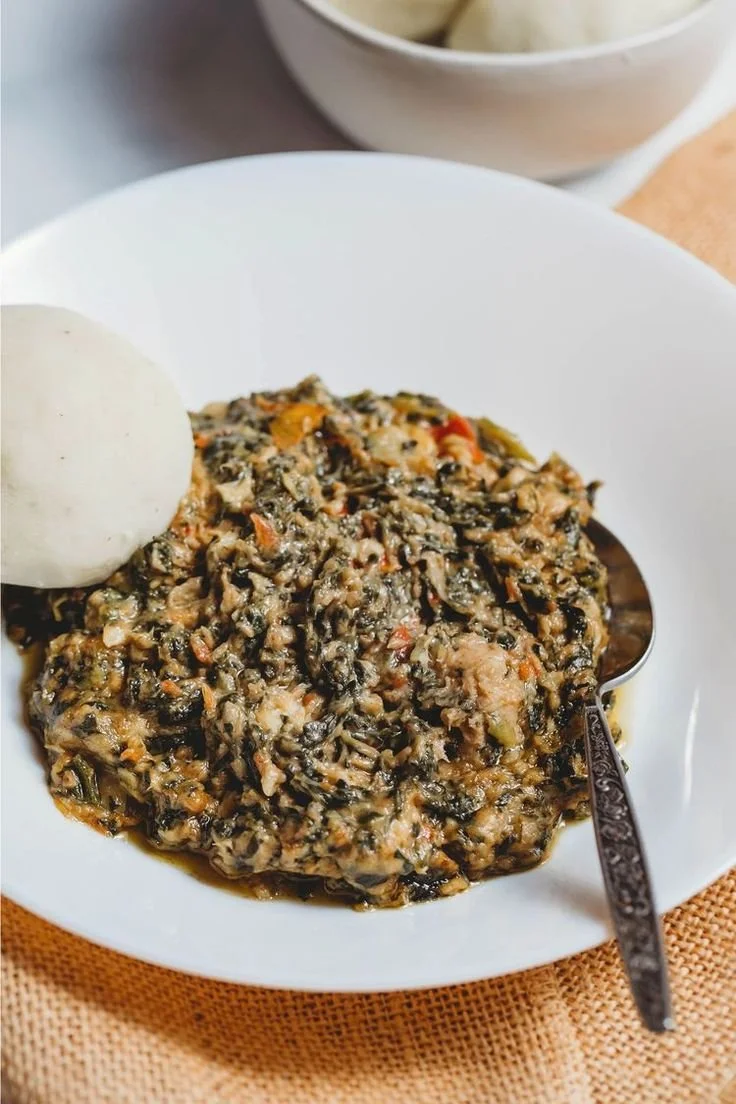
Fumbwa is a classic Congolese stew made primarily from the leaves of Gnetum africanum, often called wild spinach, eru, or fumbwa in local languages. The leaves are firm and slightly chewy when cooked, giving the dish a distinctive texture.
It is usually simmered with smoked fish, ground peanuts or peanut butter, onions, tomatoes, chili, and palm oil or vegetable oil. The result is a rich, savory, slightly spicy stew that balances earthiness with smoky and nutty notes. In Lingala-speaking areas and beyond, it is a beloved everyday and special-occasion dish.
Foraged Roots and Cultural Significance
Traditionally, fumbwa leaves were foraged from forests and riverine areas across Central Africa, including the Democratic Republic of Congo. Families and market sellers still gather or cultivate them, keeping the connection to the land alive.
This foraged origin reflects Congolese resourcefulness. People used what the forest provided and turned hardy greens into nourishing meals. Today fumbwa appears in homes, street-side ngandas, and diaspora kitchens as a proud taste of Congolese identity. Preparing and sharing it continues to link generations to their roots.
Nutritional Power of This Leafy Green
Fumbwa is more than flavor. The leaves are nutrient-dense, providing fiber, vitamins, and minerals that support overall health. Combined with protein-rich smoked fish and healthy fats from peanuts or palm oil, the stew becomes a balanced, filling meal.
It is especially valued in regions where access to varied produce can be limited. The dish delivers plant-based nutrition alongside animal protein, making it both practical and wholesome. Many people appreciate it as a “power food” that fuels daily work and family life.
Core Ingredients for Authentic Flavor
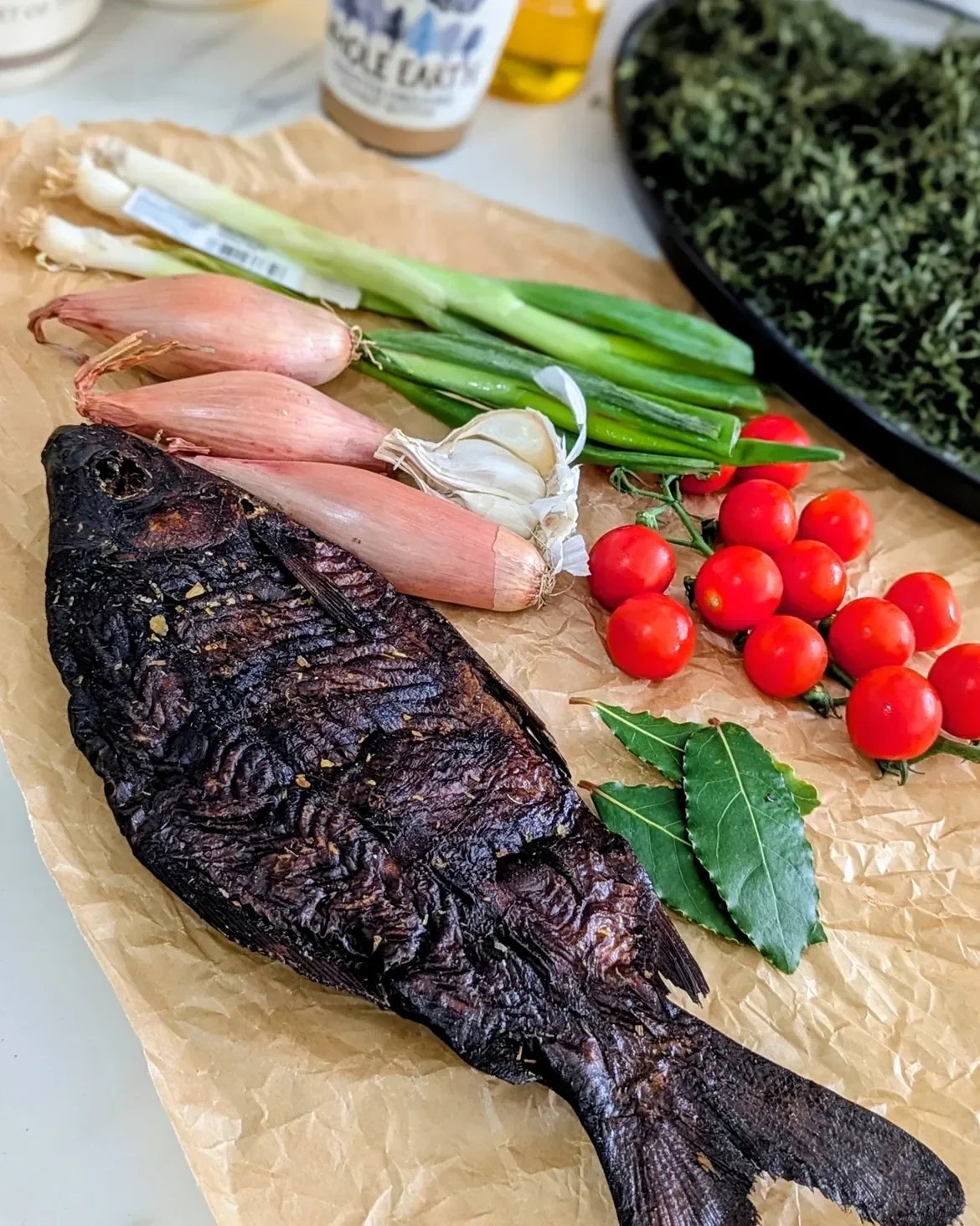
A good pot of fumbwa relies on simple, strong ingredients:
Fresh or dried fumbwa (Gnetum) leaves
Smoked fish (or salted fish for depth)
Ground peanuts or natural peanut butter
Onions, garlic, and tomatoes
Chili peppers (pili-pili) for heat
Palm oil or neutral cooking oil
Salt, bouillon cubes, and optional Maggi seasoning
Some cooks add eggplant, okra, or other greens for variation. The smoked fish and peanuts are key to the classic rich taste.
Step-by-Step: How to Make Fumbwa at Home
This method works for 4–6 people and takes about 45–60 minutes once the leaves are prepared.
Prepare the leaves: If using fresh fumbwa, wash thoroughly and slice or tear into smaller pieces. Dried leaves should be soaked or softened according to package instructions.
Sauté the base: Heat oil in a pot. Cook chopped onions until soft, then add garlic, tomatoes, and chili. Stir until the mixture softens and becomes fragrant.
Add fish and peanuts: Flake the smoked fish into the pot. Stir in ground peanuts or peanut butter diluted with a little water. Let it simmer so the flavors blend.
Cook the greens: Add the fumbwa leaves and enough water or stock to create a stew consistency. Season with salt and bouillon. Simmer on medium-low heat for 20–40 minutes until the leaves are tender but still have some bite.
Adjust and rest: Taste and adjust seasoning or heat. Let the stew sit for a few minutes so flavors deepen.
Serve hot. The longer it rests, the better it often tastes.

How Fumbwa Appears on Nganda Plates
In Congolese ngandas (small informal eateries) and home kitchens, fumbwa is a reliable star. It is commonly plated with:
White rice
Boiled or fried plantains
Fufu or kwanga on the side
A typical plate might feature a generous scoop of the green stew next to starchy sides, with extra chili available for those who like more heat. It is hearty enough to stand alone as a main dish yet versatile enough to share family-style.

Pairings and Serving Suggestions
Classic pairings include plain rice to soak up the sauce or sweet plantains to balance the earthy greens and smoke. Some people enjoy it with pondu or other vegetable sides for a full green-focused meal.
Drinks that work well are cold water, ginger juice, or a local beer. Leftovers reheat beautifully the next day, often tasting even richer.
FAQs
What is fumbwa made from?
Fumbwa is made from the leaves of Gnetum africanum, commonly known as wild spinach or eru. These are cooked into a stew with smoked fish, peanuts, and spices.
Is fumbwa the same as eru or okazi?
Yes. The leaves are known by different names across Central and West Africa (eru, okazi, fumbwa, etc.), but the plant and preparation style are closely related.
Can I use frozen or dried leaves?
Yes. Many markets and African grocery stores sell dried or frozen fumbwa/eru leaves. Rehydrate dried leaves before cooking.
How spicy is traditional fumbwa?
It usually has noticeable heat from pili-pili, but you can control the amount of chili to suit your taste.
What can I substitute for smoked fish?
Salted fish, dried fish, or even smoked turkey or mushrooms can work if smoked fish is unavailable. The smoky depth is important to the classic flavor.
Is fumbwa healthy?
Yes. The leaves provide fiber and nutrients, while the combination with fish and peanuts creates a balanced, protein-rich meal.
Wrapping Up: A Forest Flavor Worth Celebrating
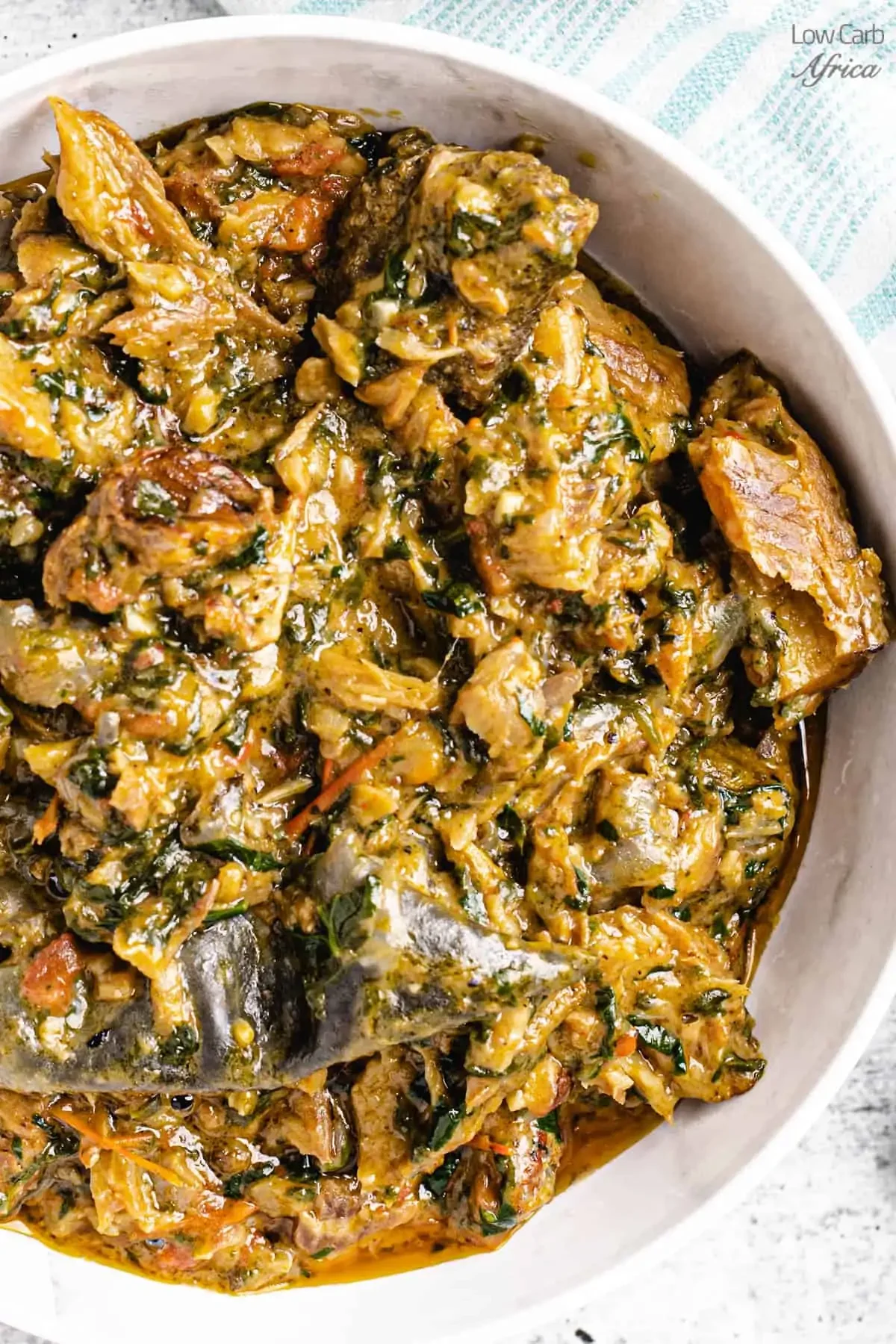
Fumbwa turns humble forest greens into a bold, nourishing stew that carries the taste of Congolese land and ingenuity. With its smoky fish, nutty richness, and gentle heat, it delivers comfort and cultural pride in every spoonful.
Try making it at home and taste why it remains a favorite on nganda plates and family tables. The combination of foraged roots and everyday cooking makes it both ancient and timeless.
Ready for more authentic Congolese recipes and cultural stories? Visit NKENNE for practical guides, Lingala kitchen phrases, and deeper explorations of the foods that define Central African life. Which side will you serve with your first pot of fumbwa?