
The Origins of the Shona People: Migrations, Roots, and Early Settlements
By: Chimdindu Ken-Anaukwu
The story of the Shona people does not begin in one place or one moment.
It begins with movement.
Over many centuries, communities speaking early forms of what would become the Shona language traveled, adapted, and settled across southern Africa. They brought farming skills, ironworking knowledge, and social systems that later grew into powerful kingdoms and a rich cultural heritage.
Understanding these origins helps explain why Shona identity feels so deeply rooted in the land of Zimbabwe today.
In this guide, I will walk you through the migrations, the early settlements, and the foundations that still shape Shona culture.
Who Are the Shona People?
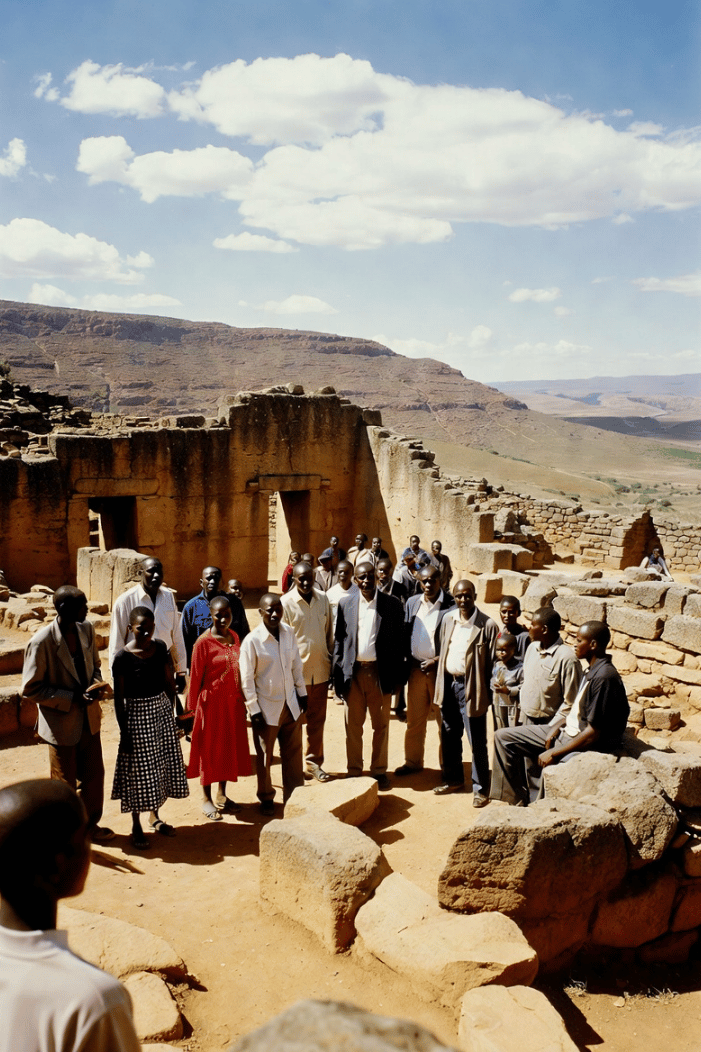
The Shona are the largest ethnic group in Zimbabwe.
They speak related dialects of the Shona language and share broad cultural practices around family, totems, ancestors, and the land.
Their history stretches back more than a thousand years. The people we call Shona today emerged from earlier Bantu-speaking communities that gradually formed distinct societies on the Zimbabwean plateau.
The Great Bantu Migrations
The roots of the Shona lie in the wider Bantu expansion.
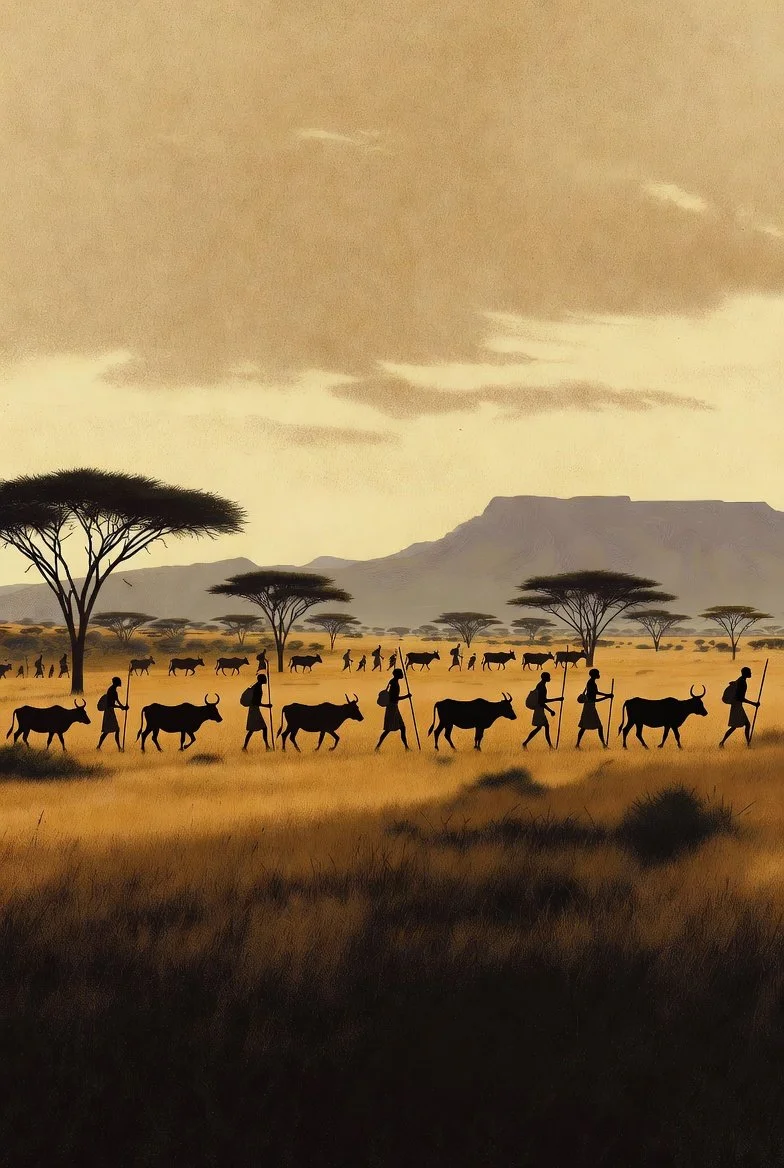
Beginning thousands of years ago, Bantu-speaking groups moved out of the region around present-day Cameroon and Nigeria. Over centuries they spread south and east across Africa, carrying ironworking, farming, and new languages.
By the early centuries of the Common Era, groups speaking ancestral forms of Shona languages had reached the area south of the Zambezi River. These movements were gradual. Families and clans moved in search of better land, water, and opportunities rather than as one single army.
Settling the Zimbabwean Highlands
The highlands of what is now Zimbabwe offered fertile soil, reliable rainfall in many areas, and good grazing.
Early Shona-speaking communities settled these plateaus and began building lasting villages. They cleared land for crops such as sorghum and millet, kept cattle, and developed iron tools.
Over time, certain areas became centers of population and influence. These early settlements laid the groundwork for later stone-building cultures and powerful states.
Early Ways of Life and Cultural Foundations
Daily life in these early communities centered on farming, herding, and kinship.
People lived in extended family groups linked by totems and shared ancestors. They developed systems of leadership based on lineage and spiritual authority. Iron tools improved agriculture and craft production. Pottery styles and settlement patterns show cultural continuity that later archaeologists would recognize as ancestral to the Shona.
These early practices formed the base of what we still see today: respect for elders, the importance of mhuri (family), and a worldview that connects the living with the ancestral world.
From Early Settlements to Complex Societies
By the late first millennium and into the second, some of these communities grew into more complex societies.
Trade in gold, ivory, and other goods connected the interior to the Indian Ocean coast. Leadership structures became more centralized. The famous stone architecture of Great Zimbabwe and related sites grew out of this long process of settlement and development.
The people who built those cities were descendants of the earlier highland settlers. Their achievements rested on centuries of gradual adaptation and cultural growth.
Why These Origins Still Matter Today
Knowing where the Shona people come from strengthens cultural confidence.
It shows that Shona society was not created overnight or by outsiders. It developed through long processes of migration, settlement, and innovation on African soil.
This history supports pride in language, totems, family structures, and the connection to the land. It also helps younger generations understand that their identity has deep and continuous roots.
Frequently Asked Questions
Where did the Shona people originally come from?
Their linguistic and cultural roots lie in the broader Bantu migrations that spread from West and Central Africa into southern Africa over many centuries.
When did Shona-speaking communities settle in Zimbabwe?
Ancestral groups arrived in the region south of the Zambezi in the early centuries of the Common Era and gradually established lasting settlements on the highlands.
Are all Shona people descendants of one single migration?
No. The Shona identity formed over time from related Bantu-speaking communities that settled and interacted across the plateau.
How do we know about these early origins?
Evidence comes from archaeology (pottery, iron tools, settlement sites), linguistics, and oral traditions passed down through generations.
What is the link between early settlements and Great Zimbabwe?
Great Zimbabwe and similar sites grew out of the farming, trade, and social systems developed by earlier highland communities.
Why is this history important for modern Shona people?
It affirms that Shona culture and identity have deep African roots and continuous development on the land of Zimbabwe.
The origins of the Shona people are a story of movement, adaptation, and lasting roots.
From long migrations to the settlement of the highlands, these early communities built the foundations of a culture that still thrives today.
Understanding this past is not just about dates and places. It is about recognizing the strength and continuity that live in the language, the land, and the people.
If this deepened your connection to Shona history, keep exploring with NKENNE. We are here for the language, the culture, and the pride that comes from knowing where we come from.
Maita henyu for reading. Your roots run deep.