
One Pot, Big Flavor: Authentic Agatogo Plantain Stew Recipe
By: Chimdindu Ken-Anaukwu
Picture a pot simmering on a rural stove in Rwanda: green plantains softening in a rich tomato broth, greens wilting into silky tenderness, garlic and onions building deep flavor. That's Agatogo: simple ingredients turning into pure comfort. It's the kind of meal that brings people together, no fuss, just satisfaction.
In this guide, you'll get the real scoop on Agatogo: its meaning, core recipe, easy steps, tasty variations, and why it's a daily go-to across Rwanda. You'll leave ready to cook it yourself and feel a bit closer to Rwandan home life.
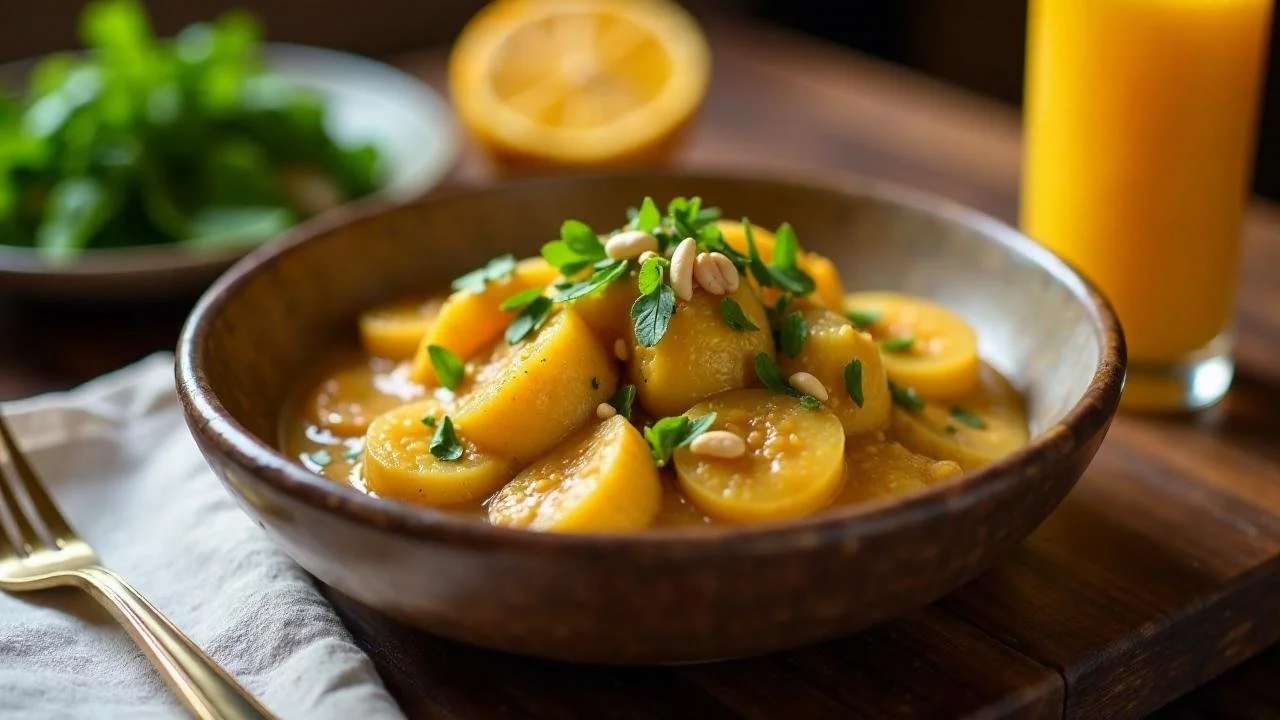
What Agatogo Really Means in Kinyarwanda
Agatogo comes from Kinyarwanda roots meaning a meal or stew made with bananas (plantains), meat, vegetables, or a mix. It's often described as "meal made from bananas, meat and vegetables."
The name highlights its flexibility – always built around green plantains, but the rest adapts to what's fresh and available.
In everyday talk, it's the stew that shows up when you need something hearty without much effort.
Why Agatogo Feels Like Home in Rwanda
Agatogo is everyday eating in Rwanda: affordable, filling, and made from staples like plantains from local farms.
Its sweet-savory balance comes from starchy plantains meeting tangy tomatoes and earthy greens.
Families cook big pots to share, especially in rural areas or after long days.
Post-1994, dishes like this helped rebuild community through shared meals. It's quiet proof of resilience: simple food that nourishes body and bonds.
Budget-friendly and endlessly customizable, it's perfect for beginners exploring Rwandan flavors.
Core Ingredients and Why They Work
The heart stays consistent:
Green plantains (4-6, mostly unripe for starch)
Tomatoes or tomato paste (for acidity and body)
Onion and garlic (flavor base)
Leafy greens (collard, spinach, or amaranth)
Oil for sautéing
Salt and sometimes broth/water
Optional stars:
Ground peanuts (for creaminess and nutty depth)
Bell peppers or carrots (sweet crunch)
Meat/fish (beef, goat, smoked fish in some homes)
Plantains provide bulk and natural sweetness. Tomatoes add brightness. Greens bring earthiness. Peanuts (if used) make it richer without heaviness.
Step-by-Step Authentic Recipe (Vegan Base)
Serves 4-6. Prep: 15 min. Cook: 40-50 min.
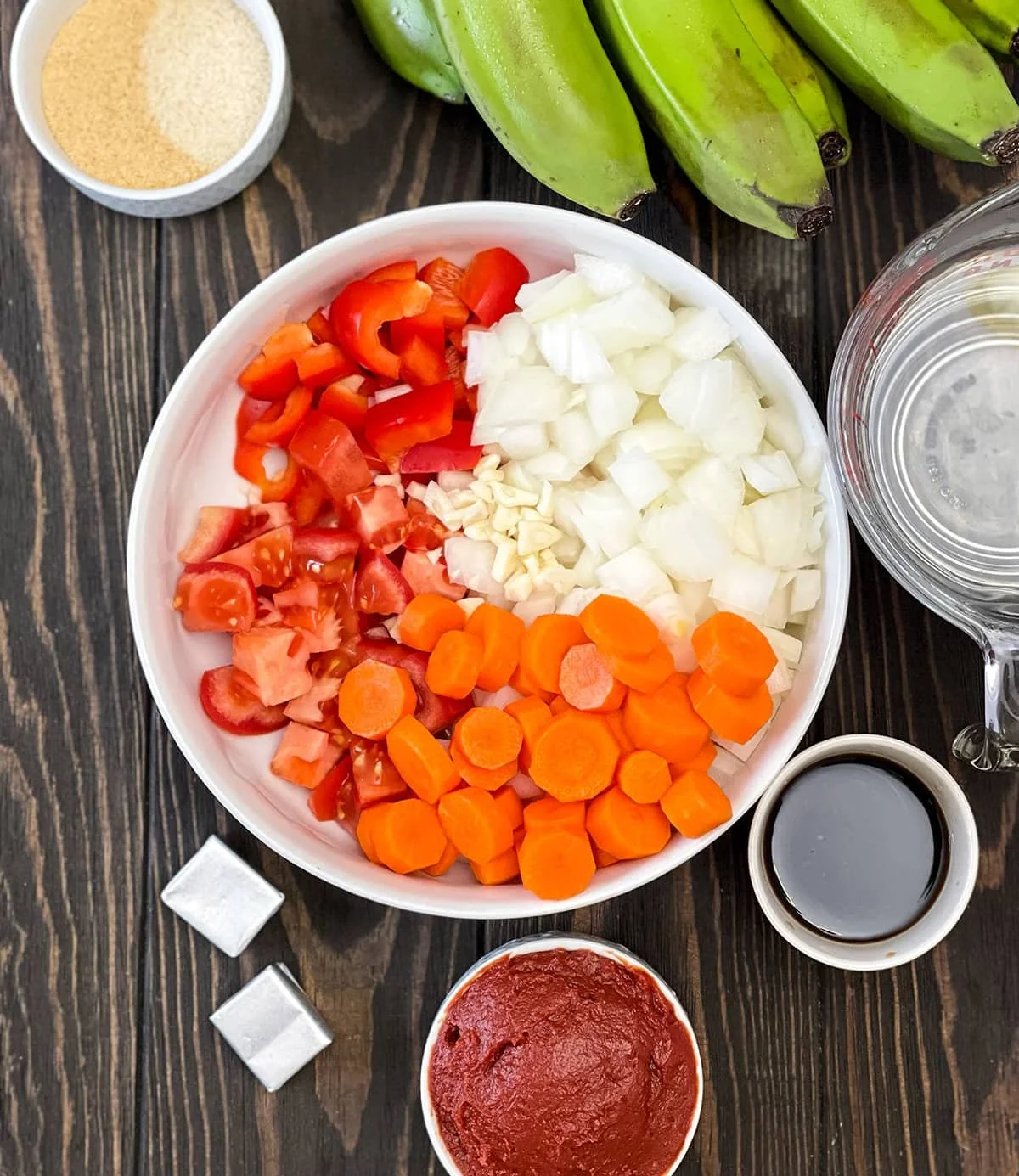
Ingredients:
4-5 green plantains, peeled and cut into chunks
1 large onion, chopped
4-5 garlic cloves, sliced
2-3 tomatoes, chopped (or 6 oz tomato paste)
2-3 cups leafy greens (collards or spinach), thinly sliced
1-2 tbsp oil
1 quart vegetable broth or water
Salt to taste
Optional: ½ cup ground peanuts, bell pepper, carrot
Steps:
Heat oil in a large pot over medium. Add onion; cook until soft (3-5 min).
Add garlic; stir 1-2 min until fragrant.
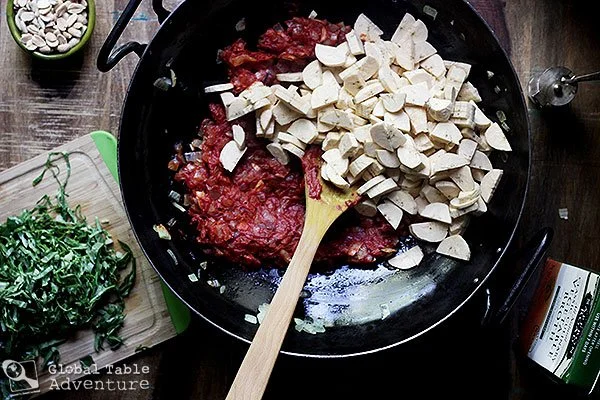
Stir in tomatoes (or paste); cook down 5 min until saucy.
Add plantain chunks, greens, and broth/water. Season with salt.
Bring to boil, then simmer uncovered 30-40 min until plantains are tender and sauce thickens.
If using peanuts, stir in ground ones last 10 min for creaminess.
Taste and adjust salt. Serve hot.
Peel tip: Cut ends, score skin lengthwise, soak in warm water to slip off easier.
Regional Variations and Custom Twists
Agatogo changes by what's on hand:
Northern areas: More peanuts for richer texture.
Lakeside: Add small fish like sambaza.
With meat: Beef or goat chunks browned first.
Veggie boosts: Carrots, bell peppers, or celery for extra layers.
Spicy kick: Fresh chilies or pili-pili.
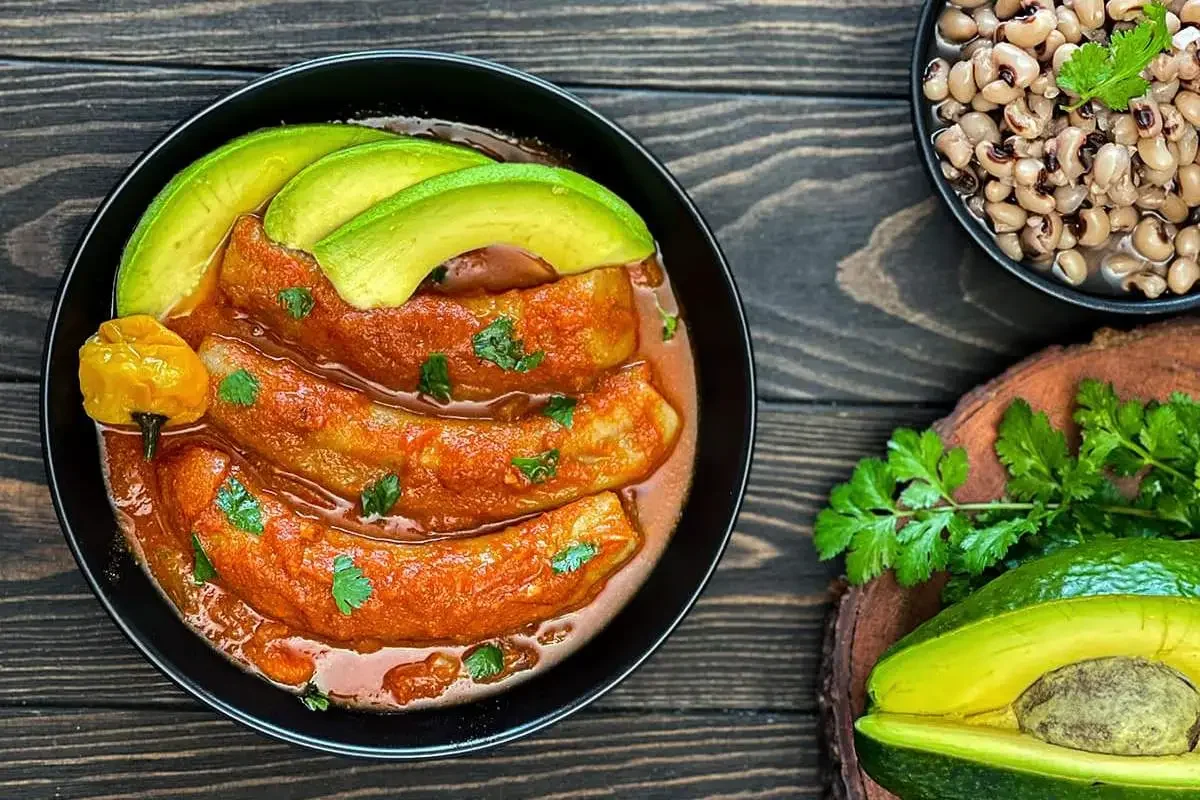
Modern home cooks: Avocado slices on top for creaminess.
The beauty? No wrong version – it stays comforting.
Serving and Pairing Tips
Scoop with ugali (cornmeal porridge) or rice. Eat by hand if you want the real feel: pinch and scoop.
Pairs great with kachumbari (tomato-onion salad) for freshness.
Leftovers taste even better next day as flavors meld.
Frequently Asked Questions
What does Agatogo mean?
It refers to a stew featuring plantains with veggies, meat, or fish – a flexible everyday meal in Kinyarwanda.
Is Agatogo always vegan?
Often yes, especially with greens and peanuts. Some add meat or fish, but the base works perfectly plant-based.
What greens work best in Agatogo?
Collard greens, spinach, or local amaranth. Collards give hearty texture that holds up in the stew.
Can I use ripe plantains?
No, green or semi-green for starchy body. Ripe ones turn mushy and overly sweet.
How do I make it creamier?
Stir in ground toasted peanuts toward the end. They thicken and add nutty richness.
Why is Agatogo so popular in Rwanda?
It's cheap, uses local crops, fills you up, and adapts to any kitchen – perfect for family meals.
Agatogo shows how Rwanda turns humble ingredients into something deeply satisfying. One pot, shared warmth, endless comfort.
Try it soon; that first spoonful hits different.
Ready for more Rwandan kitchen magic? Dive into NKENNE’s lessons and resources. We bring you authentic recipes, language tips, and the cultural pride that makes every bite meaningful. Your Rwanda journey is waiting.