
Fufuo ne Nkrakra Nkwan: Mastering the Classic Asante Fufu with Light Pepper Soup
By: Chimdindu Ken-Anaukwu
Nothing beats the satisfaction of tearing into a smooth ball of fufu dipped in steaming nkrakra nkwan on a lazy weekend afternoon. In Kumasi homes and across Asante communities, this combo is the ultimate comfort food. Families gather around the pounding mortar, turning boiled cassava and plantain into that perfect stretchy swallow while the spicy tomato-based light soup simmers with goat, fish, or chicken. In this guide, you will learn the authentic way to make both, including the real pounding technique that gives fufu its signature texture. Get ready to bring a piece of Asante tradition to your kitchen.
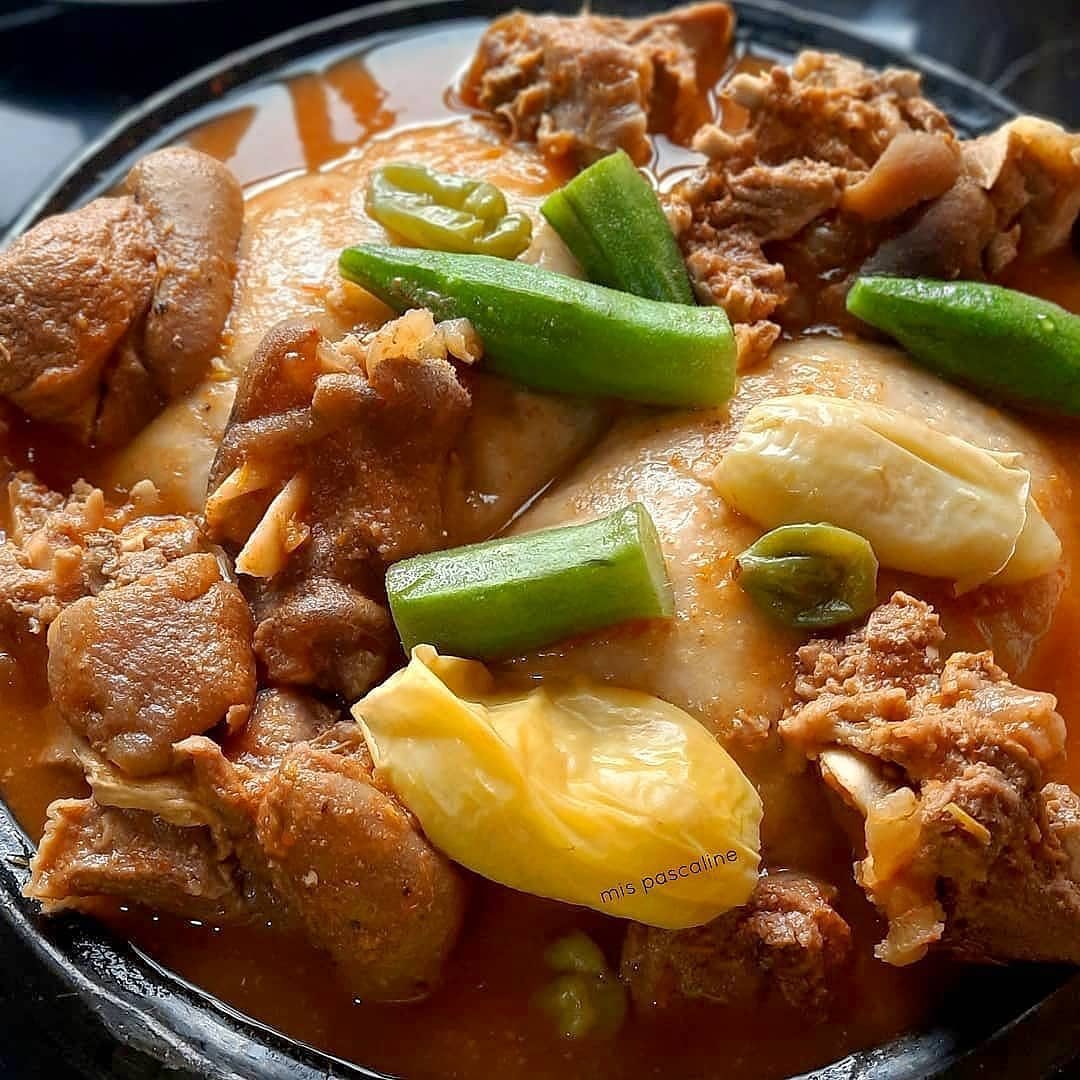
Why Fufuo ne Nkrakra Nkwan Is a Weekend Staple in Kumasi
In Asante homes, weekends mean time to slow down and connect. Pounding fufu is labor-intensive, so it often becomes a family activity. Children help peel, elders supervise the rhythm, and everyone shares the meal.
The light soup provides warmth and spice without heaviness, making it ideal after a long week. Goat meat or fresh fish adds richness, while tomatoes and pepper give that signature kick.
This dish represents care, patience, and togetherness. No quick fixes here. The effort in pounding mirrors the value placed on shared effort and good food.
Ingredients for Fufu (Fufuo)
Serves 4-6 people.
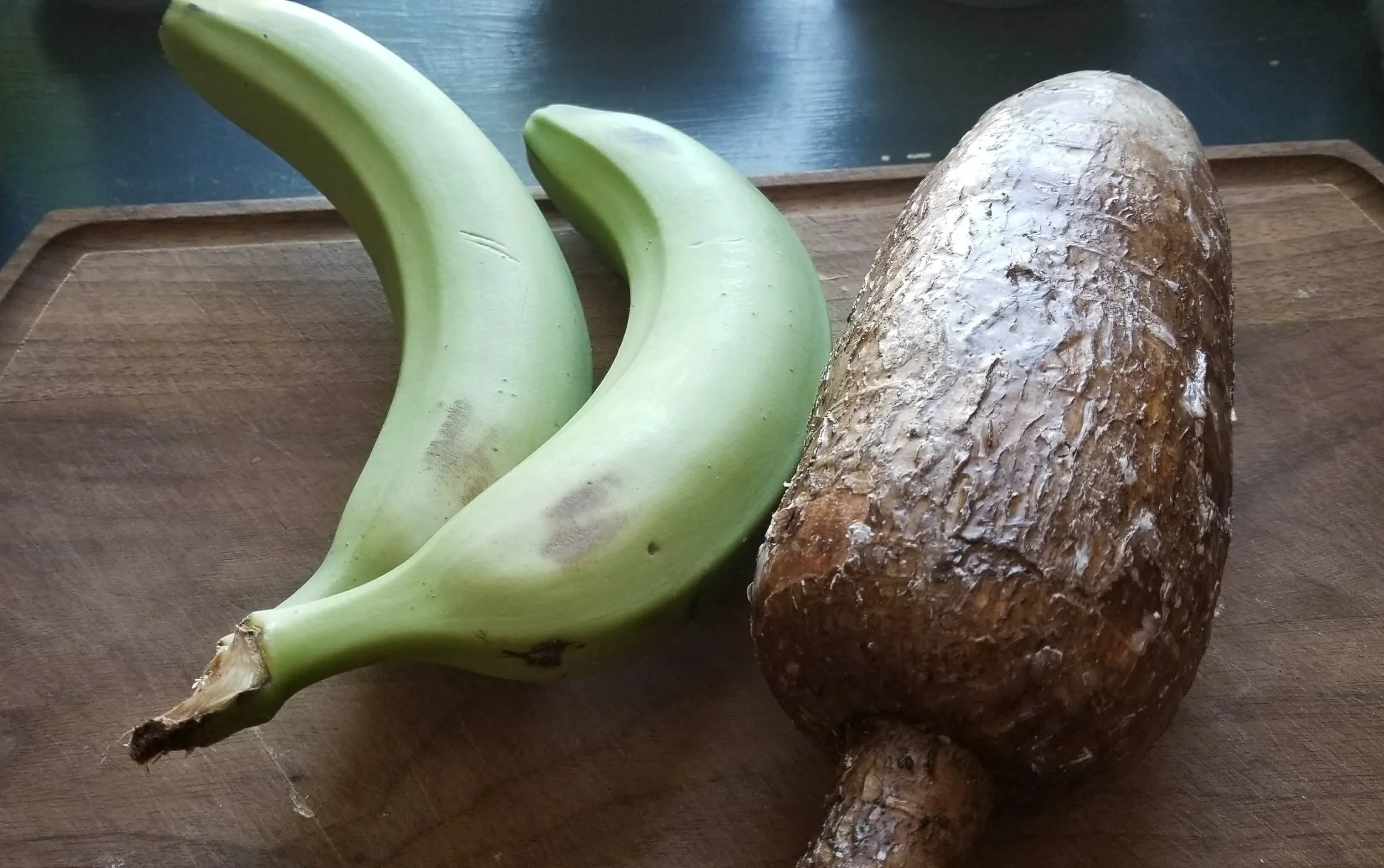
1 medium cassava root (about 1 kg, peeled and cut into chunks)
4-5 semi-ripe plantains (yellow with some green, peeled and cut)
Water for boiling
Pinch of salt (optional)
Use equal parts cassava and plantain for balanced texture. Fresh is best. Powdered versions exist, but nothing matches the real pounded one.
Step-by-Step: How to Pound Authentic Fufu
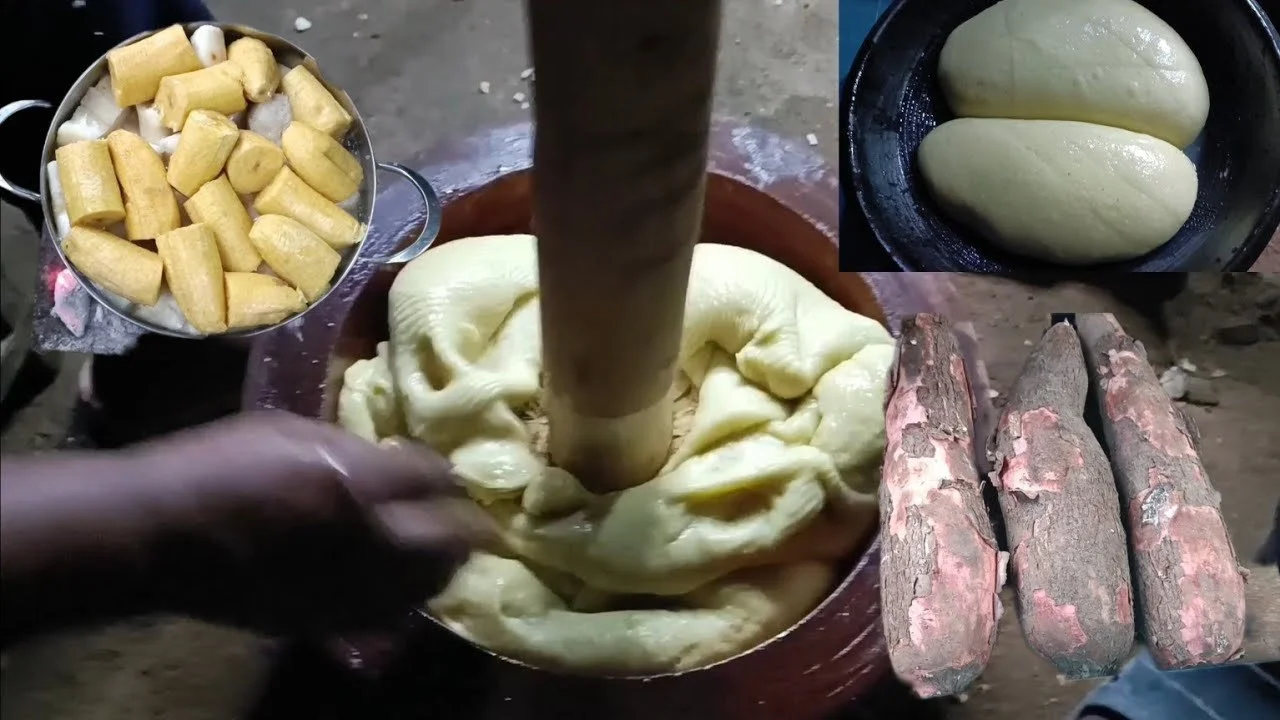
Boil the cassava and plantain chunks in salted water until very soft. This takes 20-30 minutes. Drain well.
Transfer to a wooden mortar (asanka or traditional pounding pot). Use a long wooden pestle (wisa).
One person pounds while another turns the mixture with wet hands or a spoon to prevent sticking.
Start slow to mash, then build rhythm. Pound firmly, folding in turns. Add small splashes of hot water if too dry.
The goal is smooth, stretchy dough that pulls away from the sides. It takes 15-25 minutes of consistent pounding.
Shape into balls and wrap in plastic or leaves to keep warm.
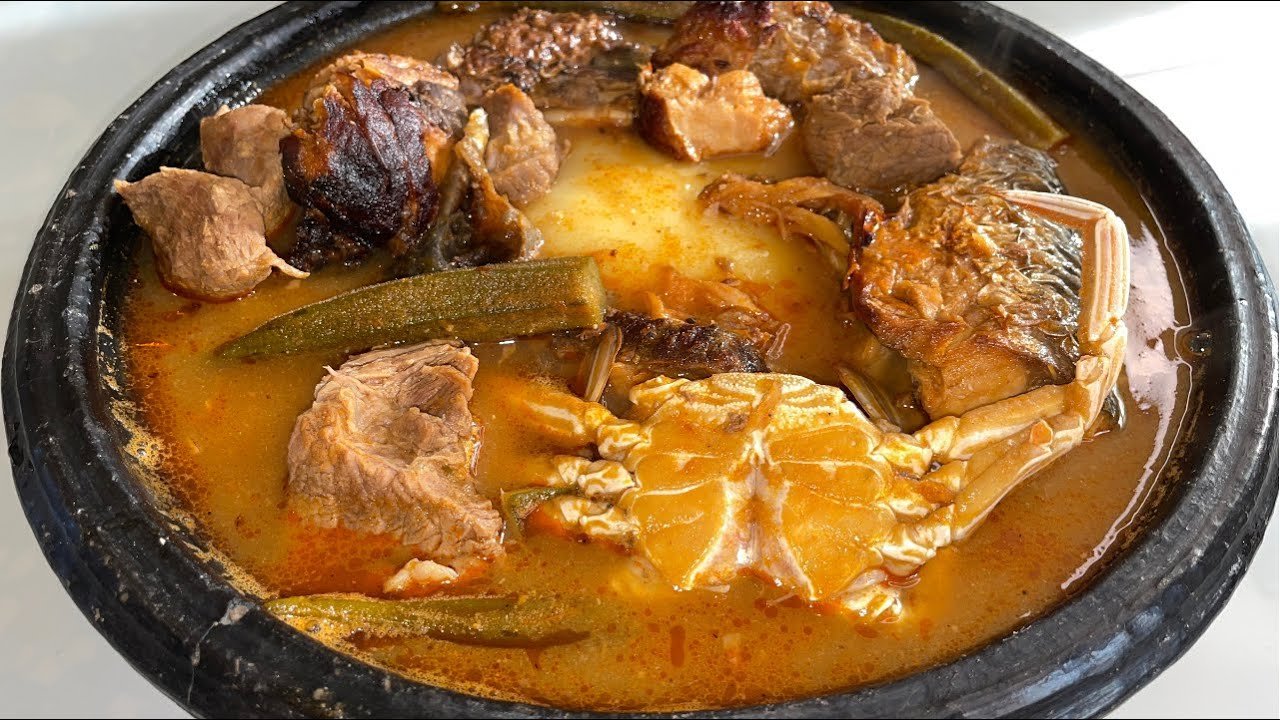
Ingredients for Nkrakra Nkwan (Light Pepper Soup)
1 kg goat meat, chicken, or fresh fish (cut into pieces)
4-5 medium tomatoes
1 large onion
2-3 scotch bonnet peppers (adjust for heat)
1 small piece ginger
3-4 garlic cloves
1 garden egg or small eggplant (optional)
Handful kontomire or spinach (optional)
Salt and seasoning cubes to taste
Water or stock
This soup stays "light" because it uses fresh blended tomatoes, not palm oil or groundnut base.
Cooking the Light Soup
Blend tomatoes, onion, peppers, ginger, and garlic into a smooth puree.
Boil the meat with salt, half the onion, and some ginger until tender (30-60 minutes depending on cut).
Add the blended mixture and bring to a boil. Simmer 15-20 minutes to cook out raw taste.
Add whole or sliced garden eggs, okra if using, and greens toward the end.
Taste and adjust seasoning. Let it rest off heat for flavors to meld.
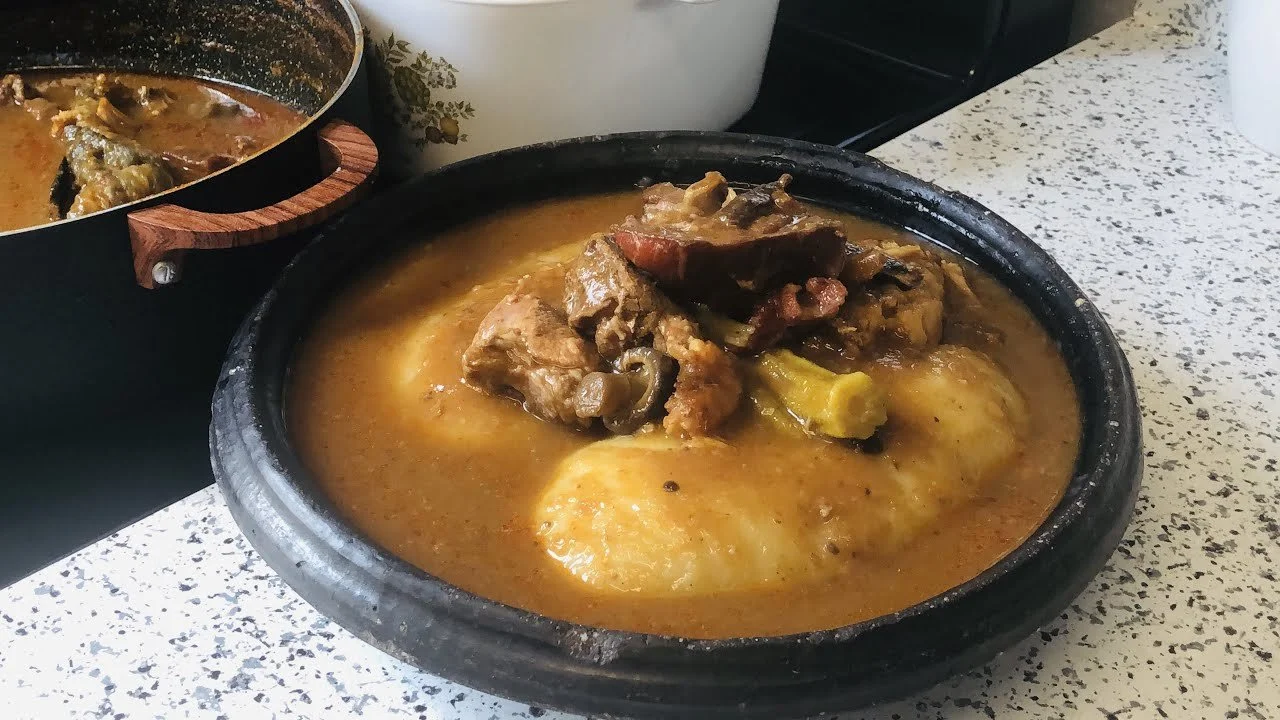
The result is a bright, spicy broth that pairs perfectly with fufu.
Serving and Eating Tips
Serve fufu as a large ball in a bowl with soup on the side or poured over.
Use clean hands to pinch off pieces, form a small dip, and scoop soup. Swallow without chewing much.
In Asante style, add extra pepper or onions on top for kick.
Leftovers reheat well. Store fufu wrapped and soup separately.
FAQs About Fufuo ne Nkrakra Nkwan
Can I make fufu without pounding?
Yes, blend boiled cassava and plantain then cook briefly on stove for a shortcut. Traditionalists prefer pounding for texture.
What meat works best in nkrakra nkwan?
Goat (aponkye) is classic Asante choice for depth. Chicken or tilapia works well too.
How spicy should light soup be?
Medium to hot. Scotch bonnets give authentic fire, but start small and adjust.
Why is fufu pounded in pairs?
One pounds, the other turns to avoid lumps and keep rhythm. It builds family teamwork.
Is this dish only for weekends?
Not strictly, but the time involved makes it special for gatherings or rest days.
Conclusion
Fufuo ne nkrakra nkwan is more than food. It carries the rhythm of Asante kitchens, the patience of pounding, and the warmth of shared meals. Master this, and you capture a core piece of Twi heritage that nourishes both body and spirit.
Ready to cook more authentic dishes or learn the Twi phrases that go with them? NKENNE has clear recipes, audio guides, and community tips to keep you connected. Start your next kitchen session with us. Medaase for joining the journey. Your pot is waiting.