
Kizomba: How Angola's Sensual Dance Conquered the World
By: Chimdindu Ken-Anaukwu
In the aftermath of a brutal civil war that lasted nearly three decades, Angolans found a way to heal and reconnect through movement and music. Kizomba emerged not just as a dance but as a quiet act of resilience: slow, intimate steps that allowed people to hold each other close when words failed. From Luanda's post-war nightclubs to packed festivals in Europe, Asia, and the Americas, this Angolan creation has become a global sensation. In this guide, you'll trace kizomba's journey from its semba roots, understand its emotional depth, see how it reflects Angola's strength, and discover why it keeps drawing people in today.
Origins in Semba: The Traditional Foundation
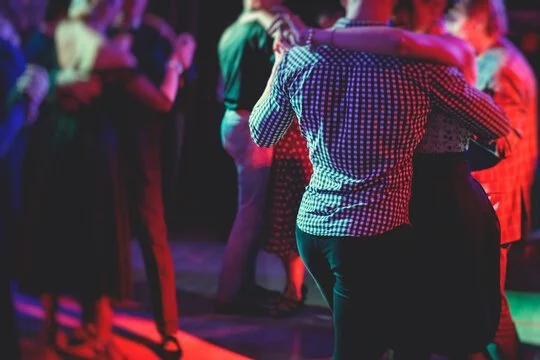
Semba is the heartbeat of kizomba. This traditional Angolan music and dance style dates back centuries, with roots in coastal rhythms near Luanda and Benguela from as early as the 17th century.
Semba features lively, upbeat tempos, agile footwork, and playful hip movements. It influenced Brazilian samba and served as Angola's popular party music in the 1950s and 1960s.
Dancers adapted semba steps to different beats, creating a flexible base for what would come next.
In many ways, kizomba is semba danced slower and smoother; same spirit, gentler expression.
Birth of Kizomba in the 1970s-1980s
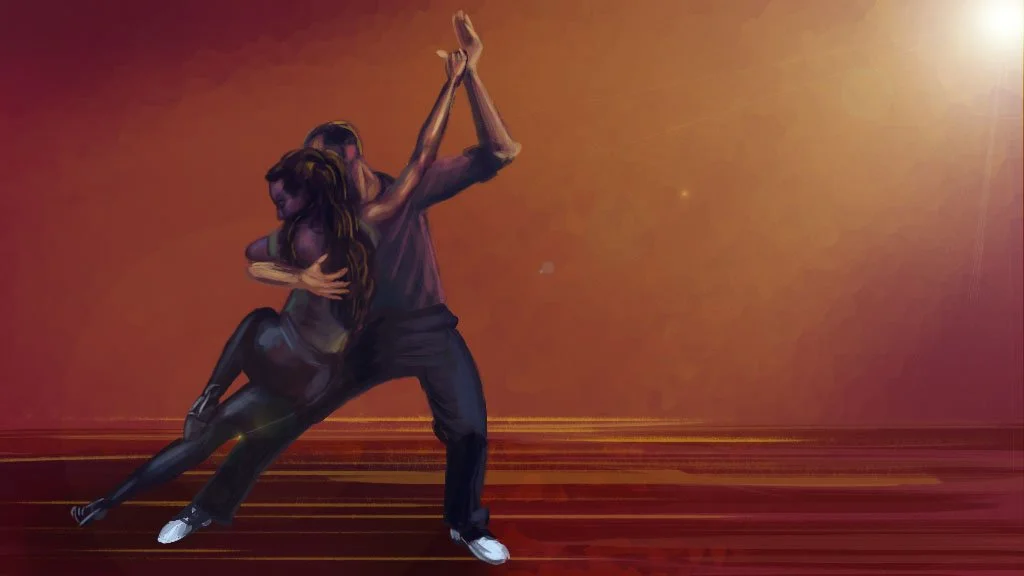
Kizomba took shape in late-1970s Luanda amid Angola's independence struggles and early civil war chaos.
The name "kizomba" comes from Kimbundu, meaning "party" or "celebration," capturing its role in bringing people together.
Artists like Eduardo Paim, often called the "father of kizomba," shaped the genre through production and promotion.
It started in informal settings: house parties and clubs where people slowed down semba to match softer, more romantic sounds.
This shift reflected a need for closeness and comfort during uncertain times.
Musical Fusion: Semba Meets Zouk
The key evolution came from blending Angolan semba with Antillean zouk from the French Caribbean islands.
Zouk brought melodic synths, strong bass lines, and slower cadences, softening semba's energy.
Angolan musicians absorbed these influences, adding local percussion and emotional lyrics.
By the 1980s, kizomba music had a distinct identity: romantic, sensual, with deep bass and flowing rhythms.
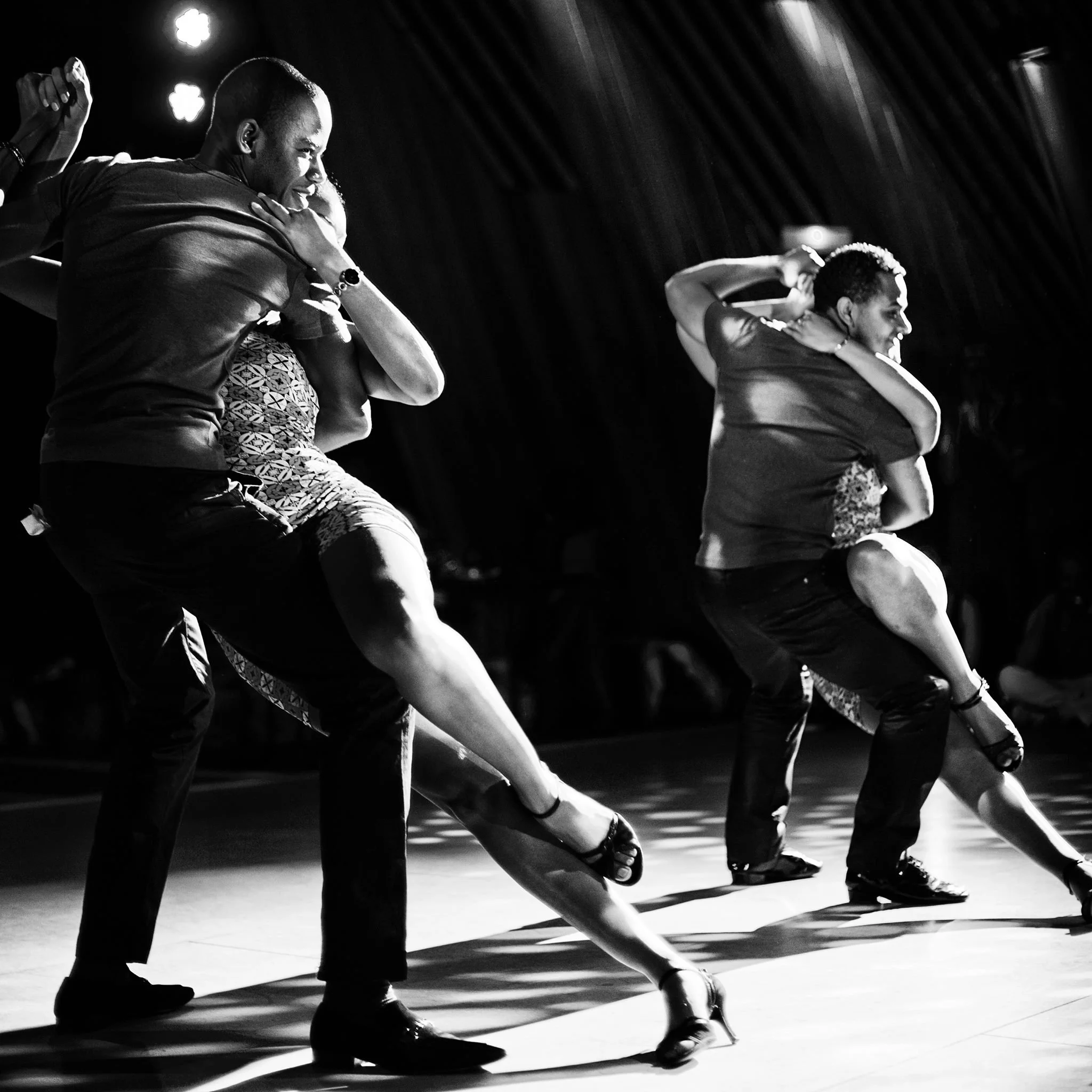
This fusion made it perfect for intimate partner dancing, emphasizing connection over flashy moves.
Post-War Angola: Dance as Resilience
Angola's civil war (1975-2002) left deep scars: displacement, loss, and division.
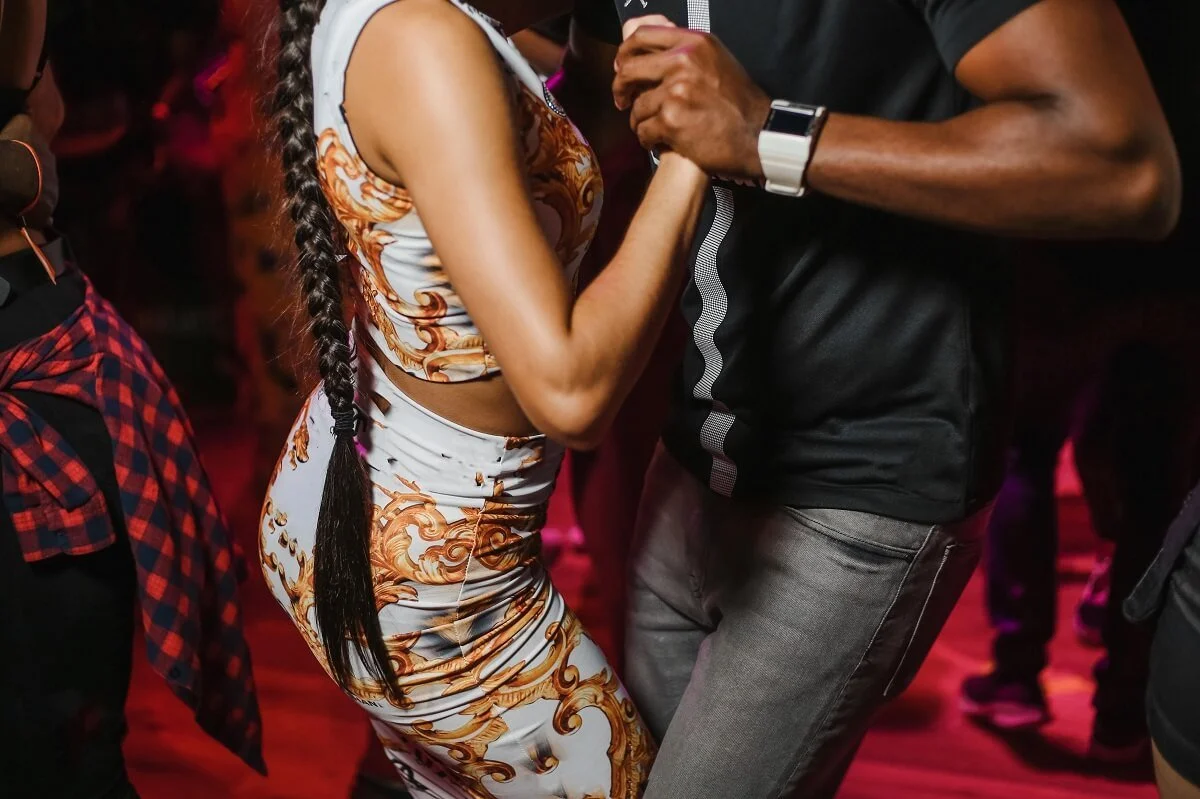
Kizomba became a tool for healing. In nightclubs, people danced to express hope, rebuild trust, and reclaim joy.
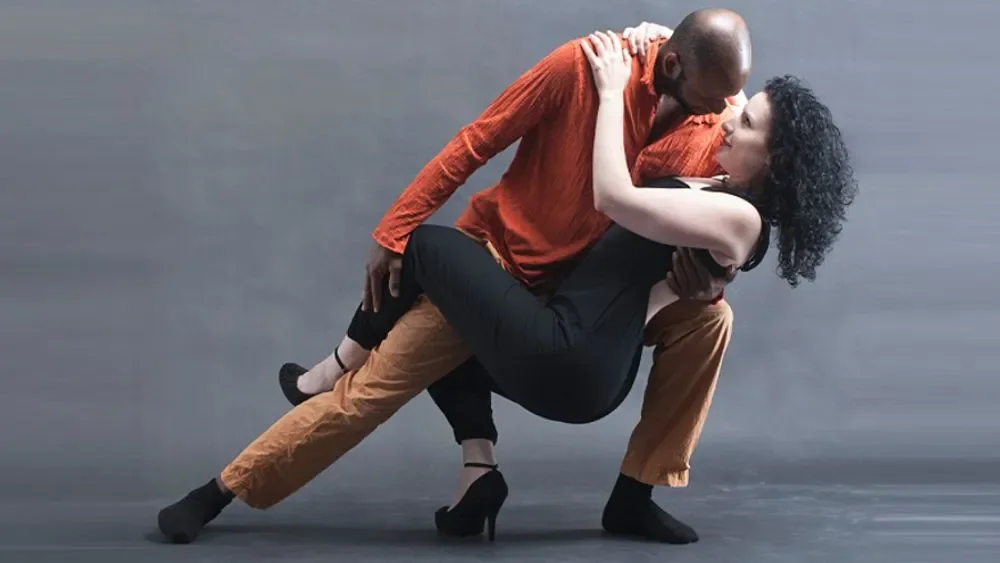
The close embrace and slow movements offered a safe space for vulnerability after years of conflict.
Artists' lyrics often touched on love, longing, and recovery, mirroring the nation's path to peace.
Today, kizomba stands as a symbol of Angolan endurance, turning trauma into shared celebration.
Emotional Storytelling Through Movement
Kizomba isn't about complex steps; it's about feeling.
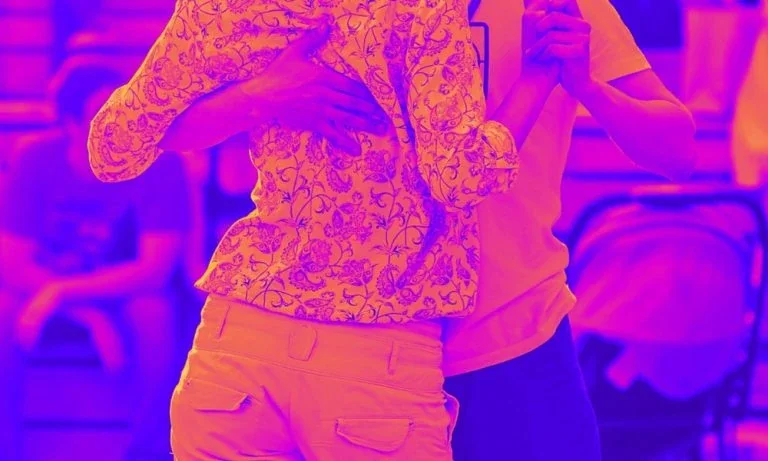
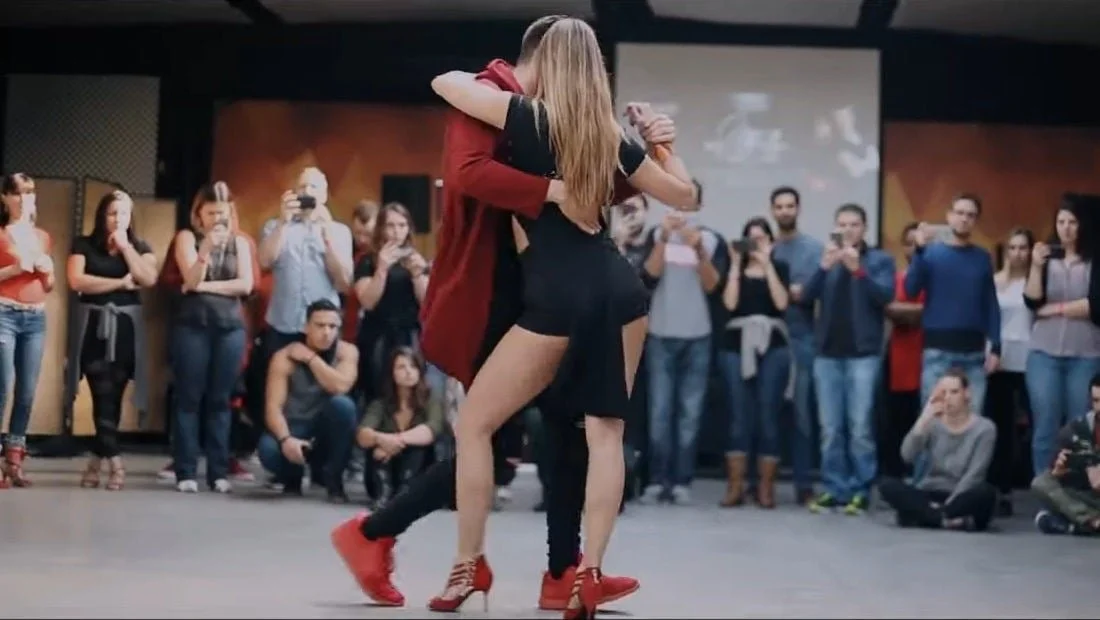
Partners maintain constant connection: torso to torso, subtle hip isolations, and gentle leads.
Dancers tell stories through body language: a slow dip for longing, a pause for tension, and a smooth turn for release.
The music's romantic themes amplify this; lyrics about love, heartbreak, and reunion guide the emotion.
This depth creates profound moments on the floor, where strangers build instant trust.
It's why kizomba feels so personal, even in a crowded room.
The Global Explosion: From Luanda to the World
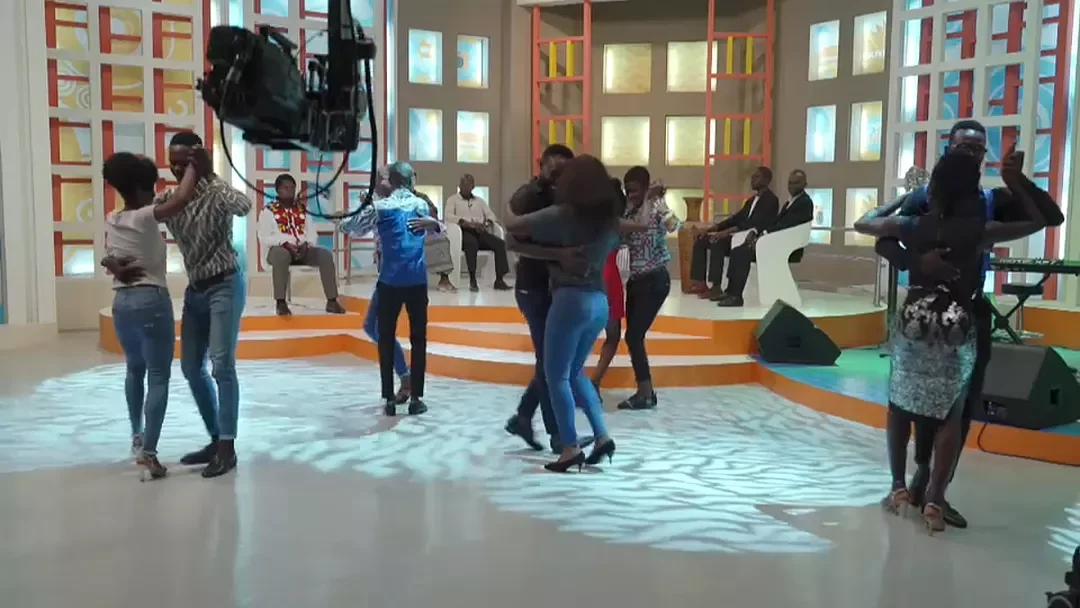
Kizomba first spread to Portugal and other PALOP countries in the 1990s, carried by Angolan communities.
By the early 2000s, it reached European dance scenes in France, Spain, the UK, and beyond, often alongside salsa circuits.
Festivals exploded around 2010-2015, with events in Poland, Hungary, and the US drawing thousands.
Online platforms like YouTube accelerated growth: tutorials and performances went viral.
Now kizomba thrives in Asia, Australia, the Middle East, and the Americas, with schools in nearly every major city.
Its appeal? The intimacy and accessibility – no flashy acrobatics needed, just connection.
Modern Styles and Variations
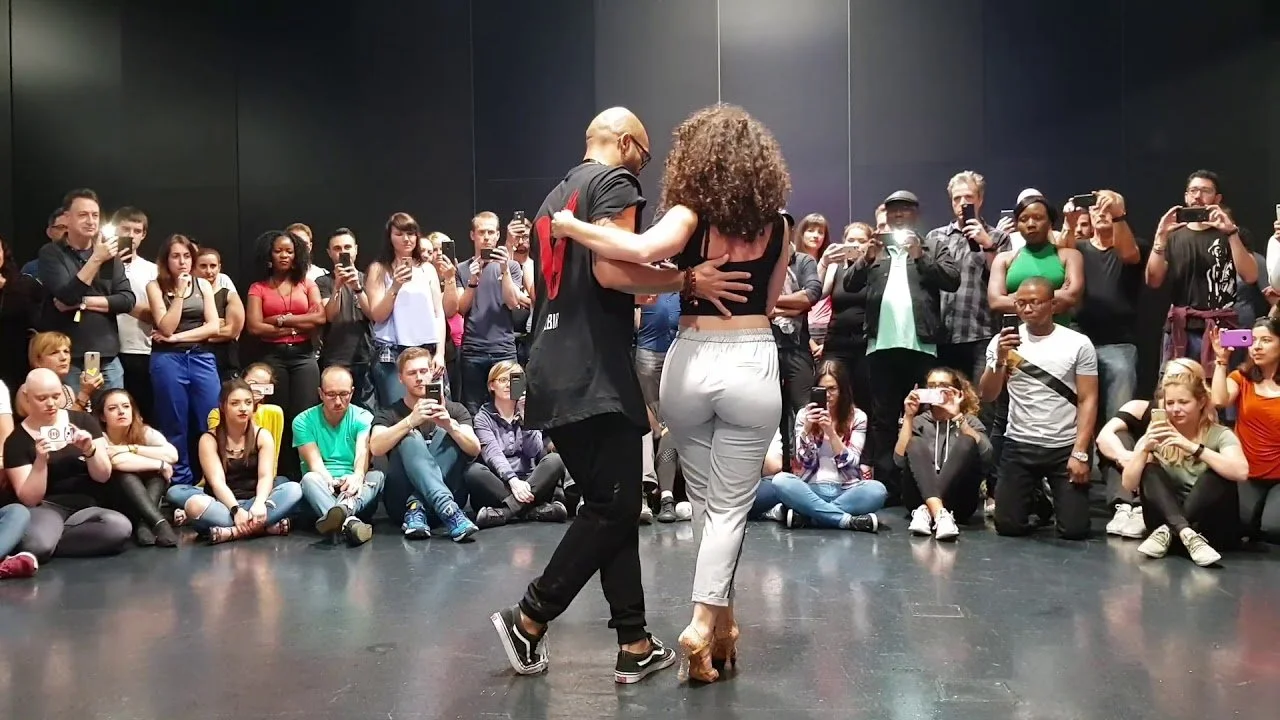
Urban Kiz emerged in Europe around 2010-2015, adding syncopations, dips, and modern flair while keeping the core embrace.
Fusion styles mix kizomba with tango, contemporary, or hip-hop elements.
Traditionalists stick to classic semba-influenced steps, emphasizing Angolan authenticity.
These variations keep the dance evolving without losing its emotional core.
FAQs
Where did kizomba originally come from?
It originated in Angola in the late 1970s-early 1980s as an evolution of traditional semba, blended with zouk influences.
How is kizomba different from semba?
Semba is faster and more energetic; kizomba slows it down for sensual, romantic flow with stronger emphasis on partner connection.
Why is kizomba linked to Angola's post-war period?
It provided emotional release and community rebuilding after the civil war (1975-2002), symbolizing hope and resilience.
What makes kizomba so emotional?
The close hold, slow movements, and music lyrics allow dancers to express vulnerability, longing, and connection non-verbally.
How did kizomba become global?
It spread via Portuguese-speaking communities to Europe in the 1990s-2000s, then exploded through festivals, online videos, and dance circuits worldwide.
Is kizomba the same as urban kiz?
No, urban kiz is a modern European variation with added elements like dips and syncopation; traditional kizomba stays closer to Angolan roots.
Final Thoughts
Kizomba proves that movement can heal what words cannot. Born from semba's lively roots, shaped by war's hardships, and carried across oceans, it reminds us of Angola's unbreakable spirit. Every embrace on the dance floor carries that history; resilience wrapped in rhythm.
This is Lusophone Africa's gift to the world: a dance that invites everyone to feel deeply and connect truly. Ready to step into it? Join NKENNE to explore kizomba's music, steps, and stories in immersive Portuguese lessons rooted in Angolan culture. Let's move forward together.