
The Zulu People: History, Language, and the Power of Cultural Memory
By: Yvonne Mag-usara
When many people think of the Zulu, one image comes to mind: fearless warriors carrying cowhide shields across the plains of southern Africa.
It is a powerful image, but it tells only part of the story.
The history of the Zulu people is also a story of language, family, music, storytelling, and cultural memory. It is the story of a people whose traditions have been carried across generations through spoken words, songs, ceremonies, and everyday life.
Today, isiZulu is the most widely spoken home language in South Africa, connecting millions of people to a shared history that continues to evolve. Whether spoken in a family home in Durban or learned by someone in the African diaspora thousands of miles away, the language remains a bridge between the past and the present.
In this blog, you'll discover who the Zulu people are, how the Zulu Kingdom emerged, why isiZulu is central to cultural identity, and how traditions continue to shape modern life in South Africa and beyond.
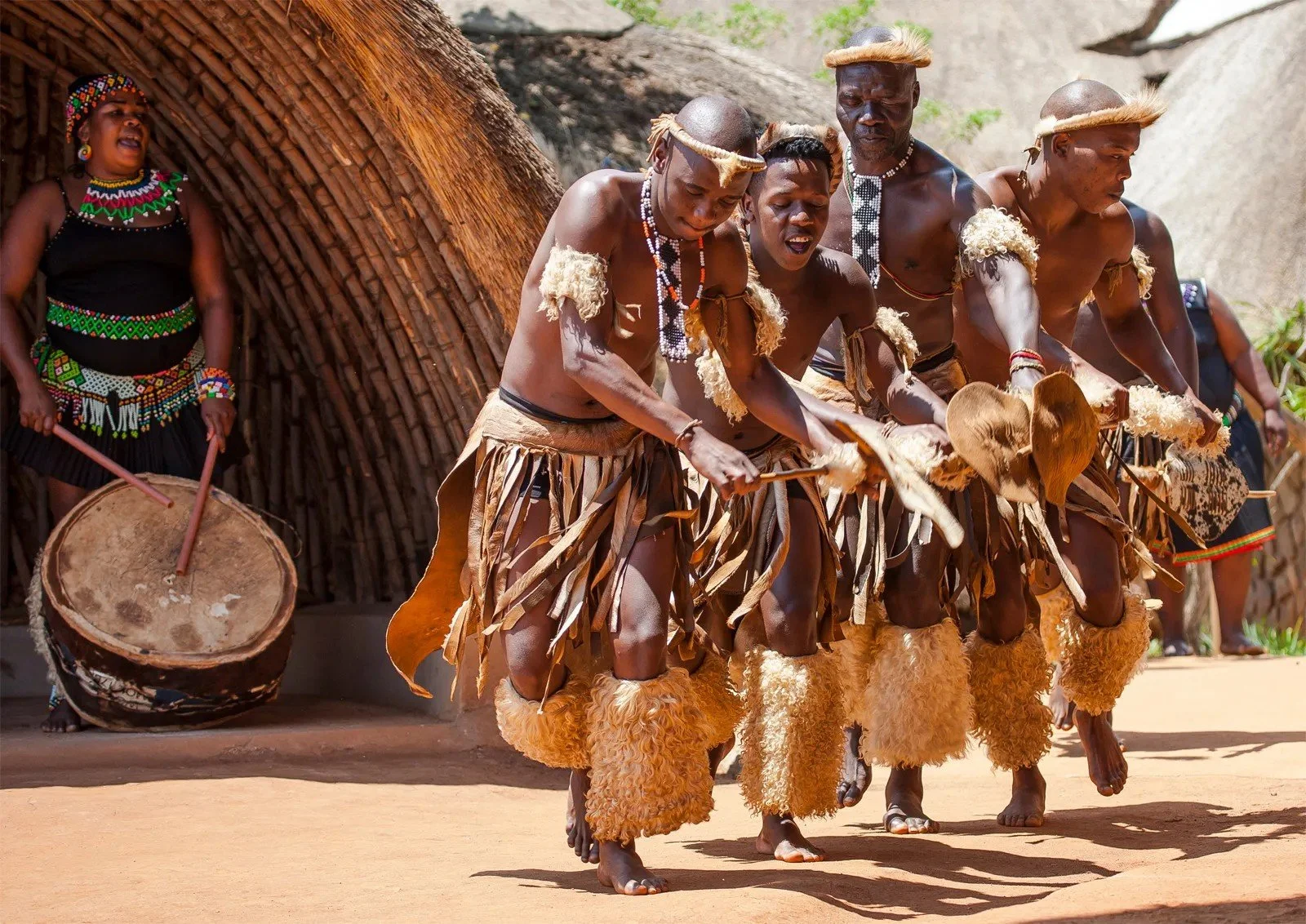
Credit: Encyclopædia Britannica
Traditional Zulu dance brings together music, movement, storytelling, and community, reflecting a cultural heritage that continues to thrive across generations.
Who Are the Zulu People?
The Zulu people are the largest ethnic group in South Africa, with more than 12 million native isiZulu speakers. While most live in KwaZulu-Natal, Zulu communities can also be found across South Africa and throughout the global African diaspora.
The Zulu belong to the Nguni branch of the Bantu language family. Their language, isiZulu, is closely related to isiXhosa, siSwati, and isiNdebele and remains one of Africa's most widely spoken indigenous languages.
For centuries, Zulu communities built their lives around farming, cattle keeping, family, and strong social ties. Before written records became widespread, history was preserved through storytelling, praise poetry, songs, and oral traditions. In many ways, language became the community's living archive, carrying history from one generation to the next.

Credit: Goway Travel
KwaZulu-Natal is the cultural heartland of the Zulu people and home to the largest population of isiZulu speakers.
What Does "Zulu" Mean?
The word Zulu means "heaven" or "sky." It comes from Zulu kaMalandela, the ancestor of the royal lineage. Over time, the name evolved from a single clan into the identity of one of Africa's most influential kingdoms and cultural communities.
Today, being Zulu represents more than ancestry. It reflects a shared language, cultural heritage, and traditions that continue to unite millions of people.
The Origins of the Zulu Kingdom
The Zulu Kingdom developed gradually rather than appearing overnight.
Before the nineteenth century, southeastern Africa was home to many Nguni-speaking chiefdoms that traded, formed alliances, and shared cultural traditions. The Zulu were initially one relatively small chiefdom among these communities.
During the late eighteenth and early nineteenth centuries, regional political changes and strong leadership helped shape a centralized kingdom that grew into one of southern Africa's most influential powers.
Daily life remained rooted in family and community. Extended families lived together in homesteads called imizi, where farming, cattle keeping, and shared responsibilities formed the foundation of society. Cattle were central to both the economy and important social customs, including marriage negotiations and ceremonial life.
Many of these traditions continue to be practiced today.
The Legacy of Shaka Zulu
King Shaka is one of the most recognized figures in African history. After becoming king around 1816, he transformed the Zulu from a small chiefdom into a powerful kingdom through political leadership, military organization, and strategic alliances.
His battlefield innovations, including regiment-based organization and new military tactics, reshaped warfare across southern Africa. Yet his influence extended beyond the military. He strengthened political institutions and helped unite diverse communities under a centralized kingdom.

Credit: Durban Local News
The statue of King Shaka Zulu honors one of southern Africa's most influential historical leaders and symbolizes the enduring legacy of the Zulu Kingdom.
Modern historians also encourage a balanced understanding of Shaka. While his achievements were remarkable, many early accounts were written by European observers whose perspectives have shaped popular narratives. Today, scholars continue to distinguish historical evidence from legend.
More importantly, the story of the Zulu people extends far beyond one ruler. Their enduring legacy lives through the millions of people who continue to speak isiZulu, celebrate cultural traditions, and preserve their heritage.
Why isiZulu Is More Than a Language
Learning isiZulu is about more than vocabulary. It offers a window into the values, traditions, and identity of the Zulu people.
Greetings like Sawubona ("I see you") and Ngikhona ("I am here") reflect the importance of respect and human connection, echoing the spirit of Ubuntu: "I am because we are."
The language also preserves history through proverbs, praise poetry (izibongo), songs, and storytelling. For many people in the African diaspora, learning isiZulu is a meaningful way to reconnect with culture, family, and heritage.
Everyday Traditions That Keep Culture Alive
While history tells us where the Zulu people came from, everyday traditions show how their culture continues to thrive.
Language and Greetings
Respect is central to Zulu culture. Greetings such as Sawubona ("I see you") reflect the importance of recognizing another person's dignity and presence. Language is not only a means of communication but also a way of expressing values and strengthening relationships.
Music and Dance
Traditional music and dance remain an important part of Zulu cultural life. They are performed during weddings, festivals, coming-of-age ceremonies, and community celebrations, preserving stories and strengthening community bonds.
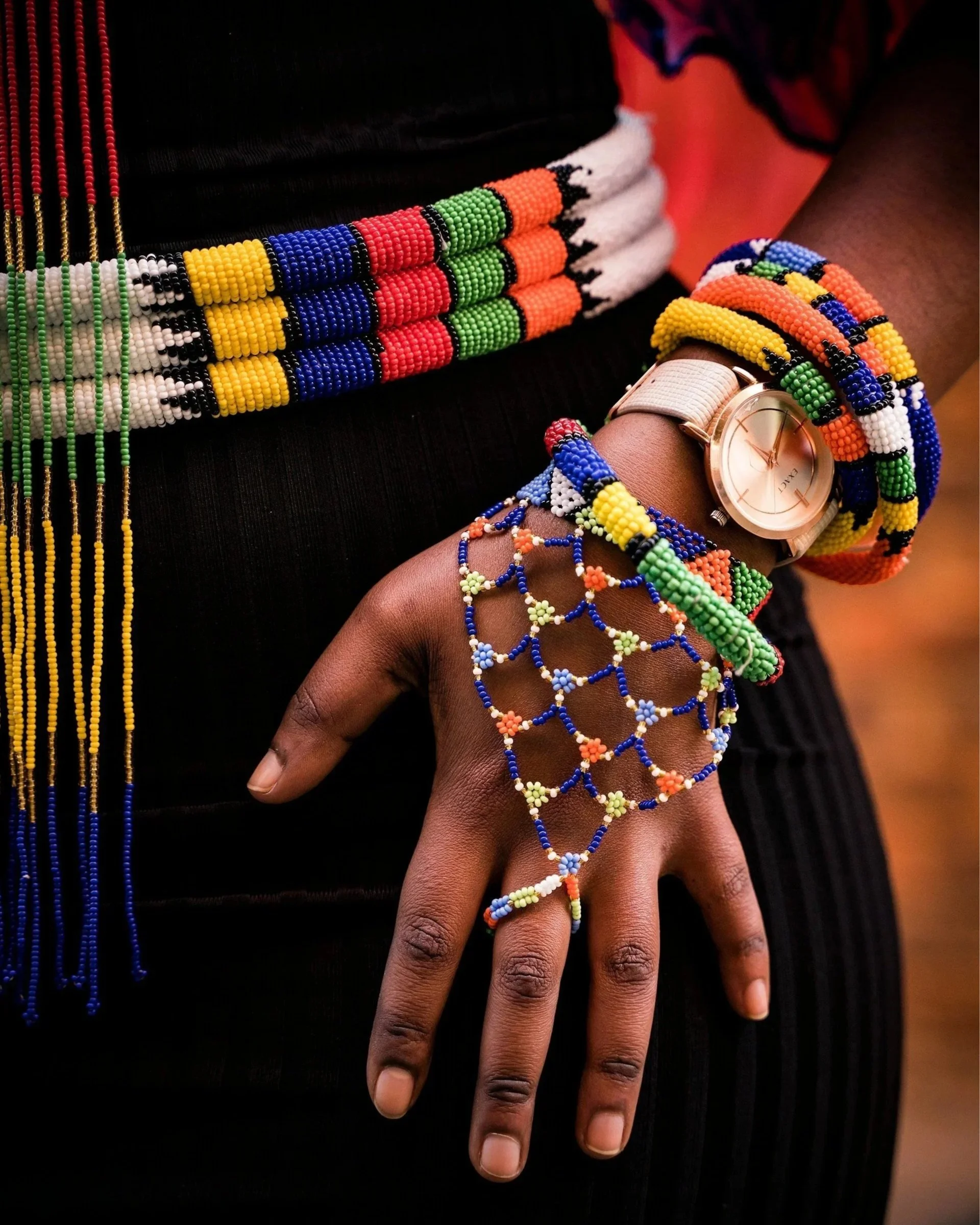
Credit: Ekinken Official
Every color and pattern in traditional Zulu beadwork tells a story, expressing identity, relationships, and cultural heritage through craftsmanship.
Beadwork
Zulu beadwork is both decorative and meaningful. Colors, patterns, and designs can communicate age, marital status, family connections, and even personal messages. Each piece reflects generations of artistic skill and cultural symbolism.
Food and Family
Traditional dishes such as uphuthu (crumbly maize porridge), amadumbe (African potatoes), and grilled meat continue to bring families together. Meals are often shared during celebrations, reinforcing the importance of community and hospitality.
The Zulu People Today
Today, the Zulu people continue to shape South Africa's cultural, political, and creative landscape. IsiZulu is the country's most widely spoken home language and is heard in schools, universities, music, television, literature, and everyday conversations.
Across the African diaspora, more people are also exploring Zulu history and language as a way to reconnect with their heritage. Digital learning platforms, cultural festivals, and online communities are making it easier than ever to engage with Zulu culture from anywhere in the world.
As traditions adapt to modern life, they continue to preserve the values, stories, and identity that define the Zulu people.
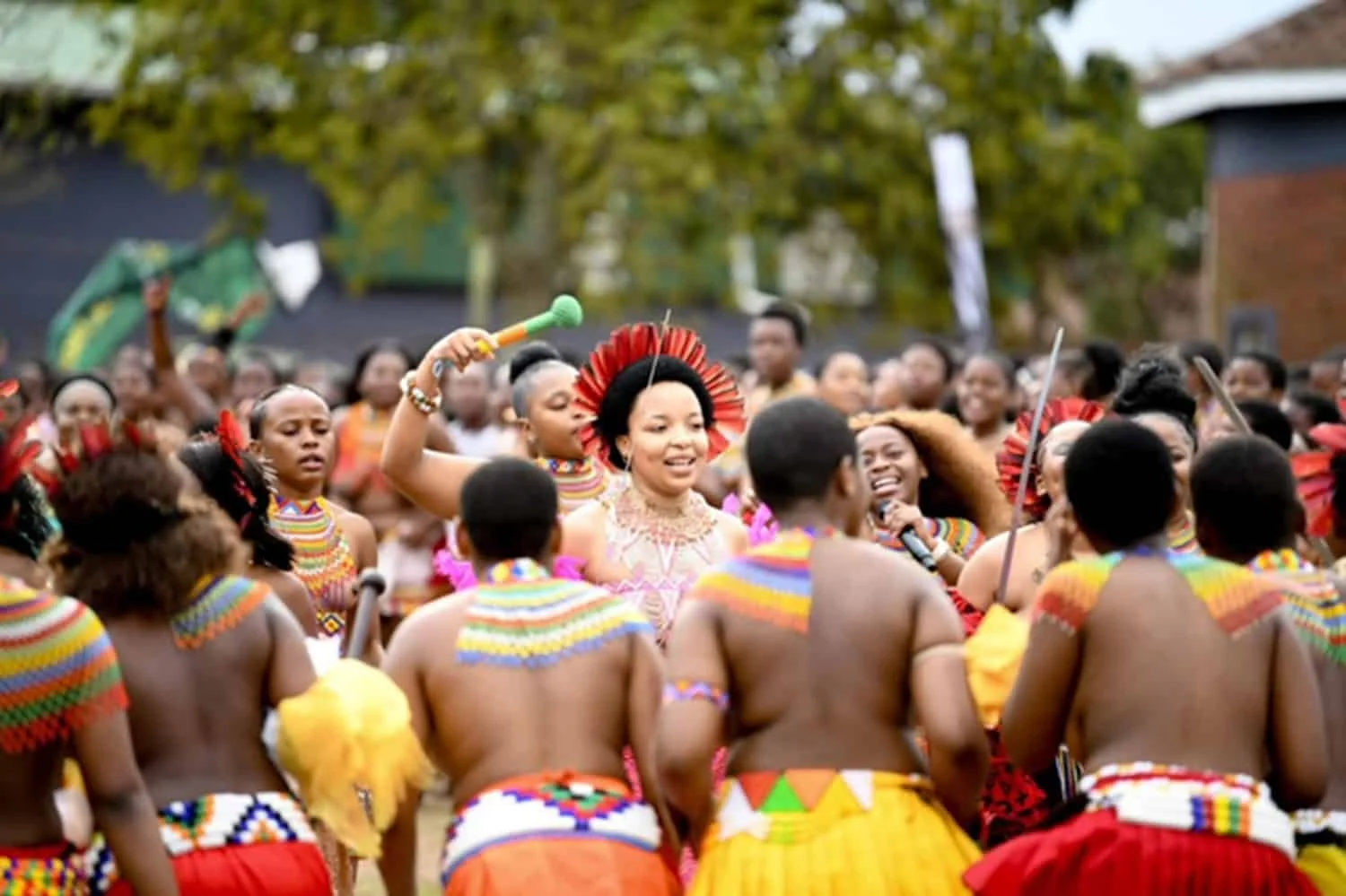
Credit: The Witness
Princess Sihle Mdluli (centre) of the Mdluli royal family joins participants at the annual Umkhosi woMhlanga (Reed Dance), a celebration of Zulu heritage, identity, and cultural continuity.
FAQs
Where do the Zulu people live?
Most Zulu people live in KwaZulu-Natal, South Africa, although large communities can be found throughout the country and across the African diaspora.
What language do the Zulu people speak?
The Zulu people speak isiZulu, a Bantu language in the Nguni language family. It is the most widely spoken home language in South Africa.
What is the meaning of the word "Zulu"?
The word Zulu means "heaven" or "sky." It originates from Zulu kaMalandela, the ancestor of the Zulu royal lineage.
Why is Shaka Zulu important?
King Shaka transformed the Zulu from a small chiefdom into a powerful kingdom during the early nineteenth century through military, political, and administrative reforms.
Why should I learn isiZulu?
Learning isiZulu offers more than language skills. It provides insight into Zulu history, traditions, values, and everyday culture while helping preserve one of Africa's most widely spoken indigenous languages.
Conclusion
The story of the Zulu people is one of resilience, community, and cultural continuity. Their history reaches far beyond famous battles and historical figures. It lives in the language people speak, the traditions families uphold, and the stories passed from one generation to the next.
Learning isiZulu is one of the most meaningful ways to experience that living heritage. Every word, greeting, and proverb offers a deeper understanding of a culture that continues to shape South Africa and inspire people around the world.
Whether you're reconnecting with your roots or exploring African cultures for the first time, every lesson is a step toward understanding the people behind the language.
Continue Your Journey with NKENNE
Language carries culture, history, and identity. With NKENNE, you can learn isiZulu while discovering the traditions, stories, and everyday expressions that give the language its meaning. Start your journey today and build a deeper connection with one of Africa's richest cultural traditions.
