
The Hidden World of Gulf of Guinea Creoles: Forro, Principense, and Annobonese
By: Chimdindu Ken-Anaukwu
Deep in the Gulf of Guinea lie small islands where people speak languages that feel like time capsules. These Portuguese-based Creoles mix European words with African grammar and rhythms. They tell stories of exploration, enslavement, mixing, and survival. Forro on São Tomé, Principense on Príncipe, and Annobonese (Fa d'Ambô) on Annobón connect Africa and Europe in living form. In this guide, you will discover their origins, unique features, and why they matter today as bridges between worlds.
What Are the Gulf of Guinea Creoles?
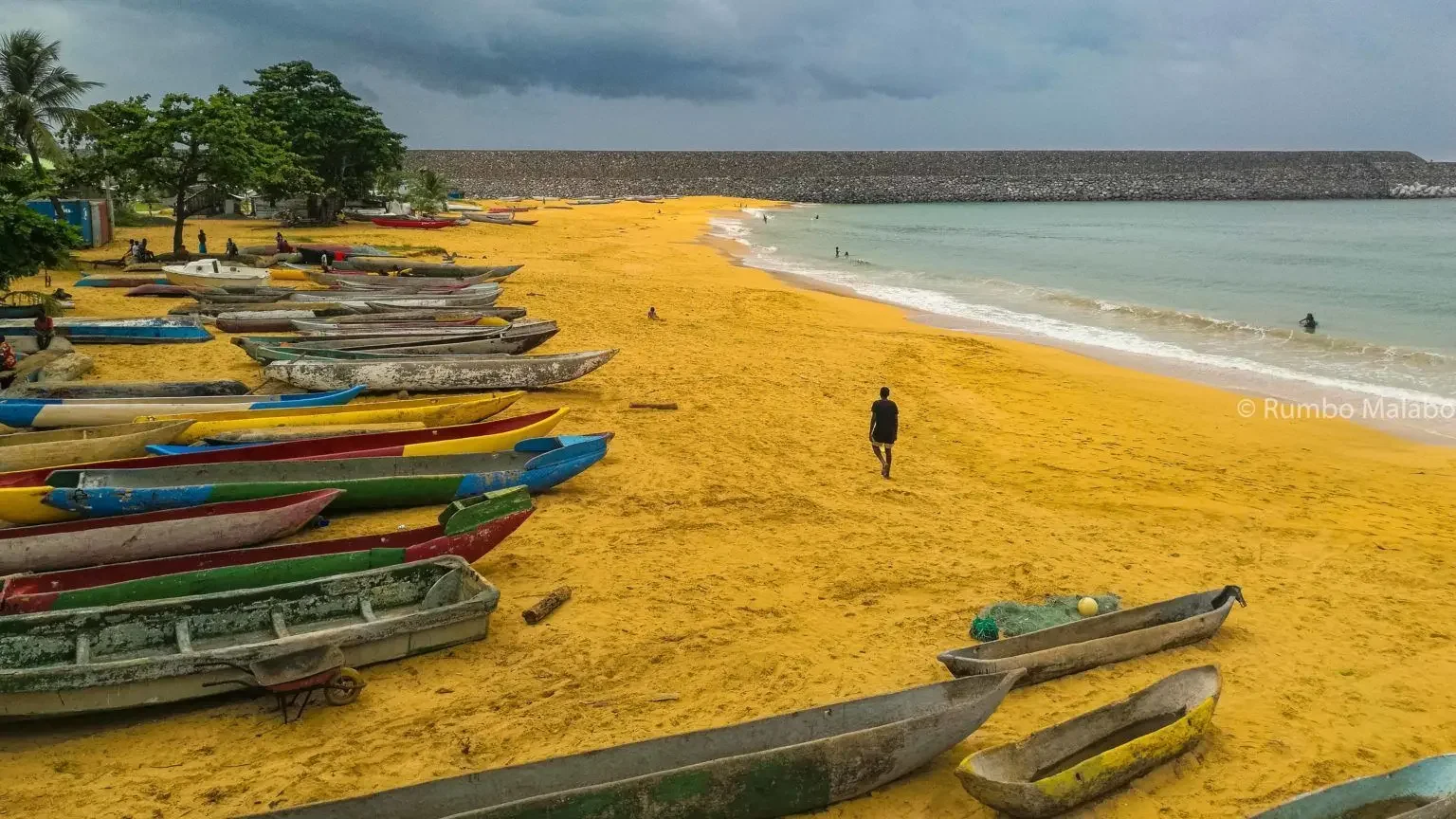
These are four closely related Portuguese-lexified Creole languages spoken on islands in the Gulf of Guinea. The main ones are Forro (Sãotomense), Principense (Lunguyê), Annobonese (Fa d'Ambô), and Angolar.
They developed among communities of enslaved Africans and Portuguese settlers from the 15th and 16th centuries onward. Today they serve as mother tongues for many islanders and symbols of unique local identities.
Shared Origins and History
Portuguese explorers reached these islands in the late 1400s. They brought enslaved people from mainland Africa to work on sugar and later cocoa plantations. The islands became melting pots.
A proto-creole likely formed first on São Tomé and then spread to Príncipe and Annobón. African languages (especially Bantu and Kwa groups) shaped the grammar. Portuguese supplied most of the vocabulary. Later influences included Spanish on Annobón after colonial shifts.
These Creoles survived centuries of isolation and colonial rule, becoming powerful markers of islander identity.
Forro Creole of São Tomé
Forro, also called Sãotomense, is the most widely spoken. It is the language of the Forro people, descendants of freed enslaved Africans and mixed unions.
Forro is vibrant in daily life, music, and storytelling on São Tomé. It reflects a strong sense of freedom. The name "Forro" itself comes from the Portuguese word for "free."
Speakers use it at home, markets, and cultural events, even as Portuguese remains the official language.
Principense Creole of Príncipe
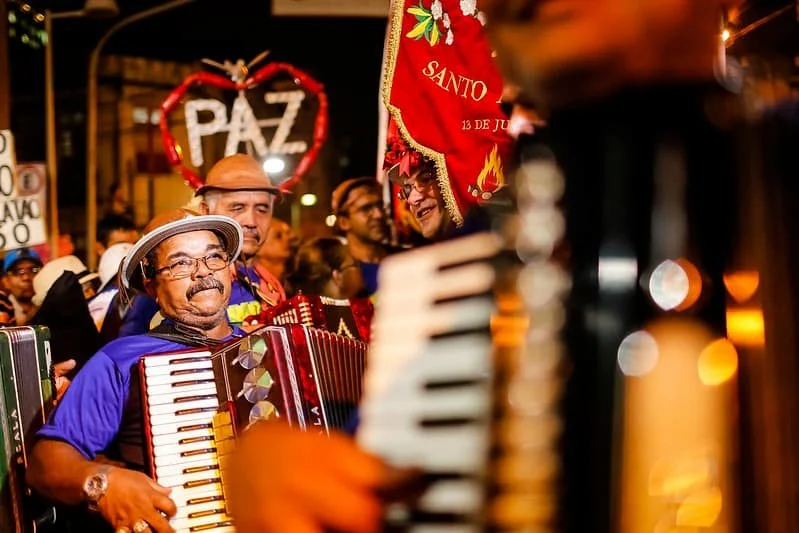
Principense, or Lunguyê, is spoken mainly on the smaller island of Príncipe. It is closely related to Forro but has developed its own character due to the island's relative isolation.
The language feels softer and retains unique expressions tied to local fishing and farming life. Fewer people speak it fluently today, making preservation efforts especially important.

Annobonese (Fa d'Ambô) of Annobón
Annobonese, known locally as Fa d'Ambô, is spoken on the remote island of Annobón (part of Equatorial Guinea) and some communities on Bioko. It is the most isolated of the group.
This Creole carries heavy Portuguese roots mixed with later Spanish influences. Speakers on this tiny volcanic island have maintained it strongly despite official Spanish rule. It serves as a vital link to their distinct identity.
Common Features and Interesting Differences
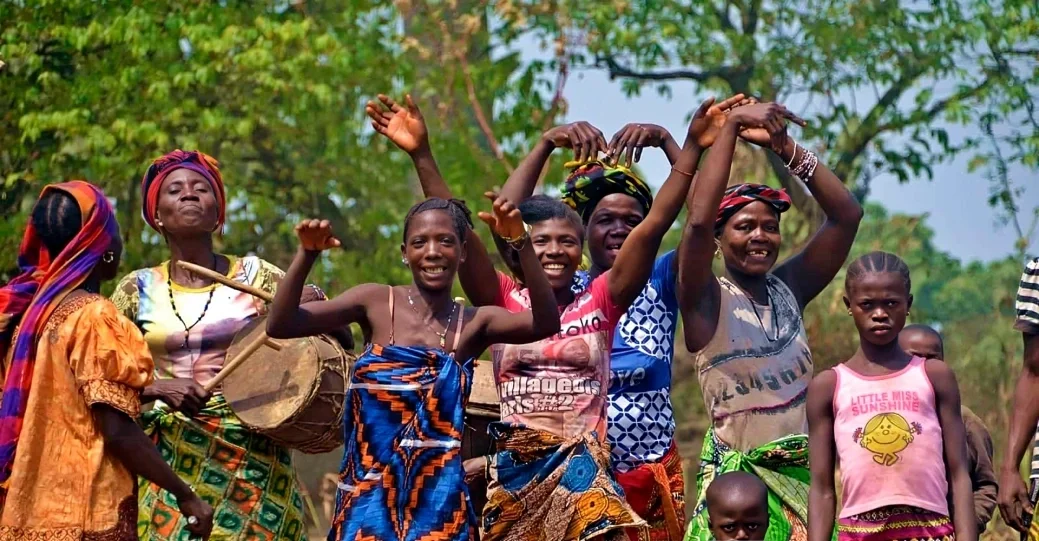
All these Creoles simplify Portuguese grammar while adding African-style features like serial verbs and specific pronoun systems. They share many core words but sound different from island to island.
For example, greetings and basic phrases show clear family resemblances yet local flavors. Vocabulary for nature, food, and family often draws from African sources, while everyday objects lean Portuguese.
These similarities prove their common origin. The differences highlight how each island shaped its own path.
Modern Life and Language Preservation
Today, younger generations shift toward Portuguese (and Spanish on Annobón) for education and opportunities. However, there is growing pride in these Creoles as symbols of heritage.
Musicians, writers, and cultural groups use them in songs, stories, and social media. UNESCO attention and local initiatives help keep them alive for future generations.
Practical Phrases and Examples
Here are a few examples to give you a taste:
Forro (São Tomé):
Bom dia → "Bom dja" (Good morning)
Como estás? → "Bô sta?" (How are you?)
Principense and Annobonese show similar patterns with slight variations in pronunciation and words.
These phrases feel warm and familiar yet distinctly local. Learning a few helps you connect with islanders on a deeper level.
FAQs
What makes these Creoles special?
They are living bridges that combine Portuguese vocabulary with strong African grammar and cultural elements from the Gulf of Guinea islands.
Are Forro, Principense, and Annobonese mutually intelligible?
Speakers can often understand each other with some effort, but each has unique features shaped by their island.
Why is Annobonese spoken in Equatorial Guinea?
Annobón island belongs to Equatorial Guinea, but its people and language trace back to Portuguese settlement and ties with São Tomé.
Are these languages endangered?
Some varieties like Principense are vulnerable. Community efforts focus on teaching them to children and documenting them.
How do these Creoles connect to learning Portuguese?
They offer a fascinating window into how Portuguese evolved in Africa. Many words are recognizable, making them fun entry points for learners.
Can visitors hear these languages on the islands?
Yes. You will hear them in markets, music, and daily conversations, especially outside formal settings.
Final Thoughts
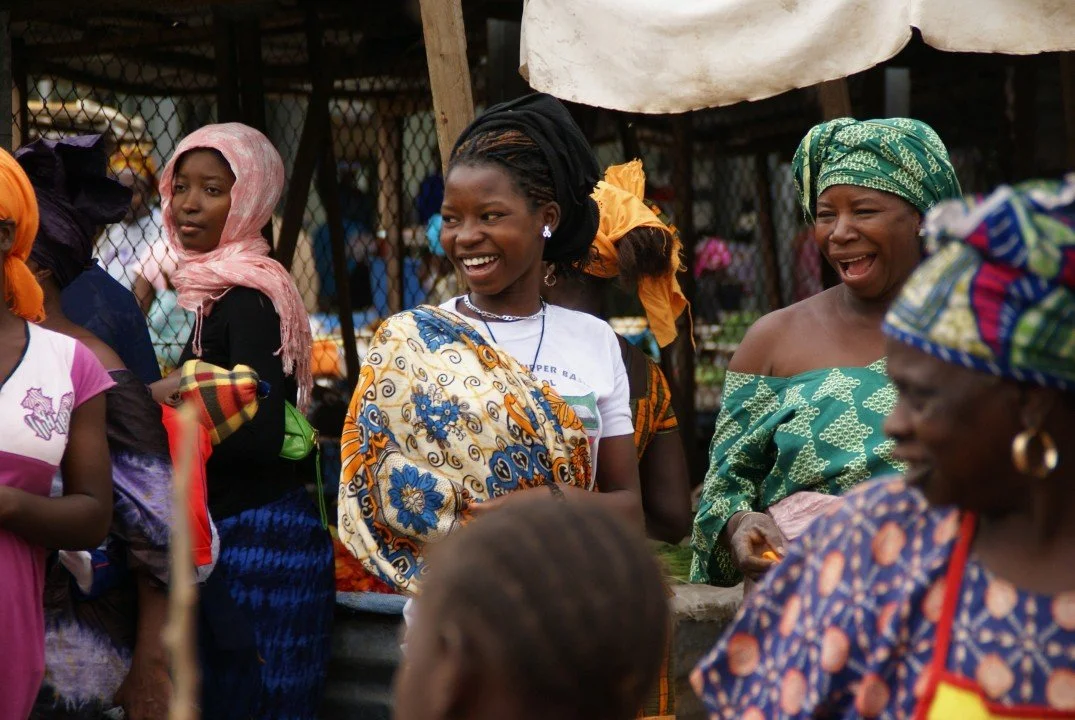
The Gulf of Guinea Creoles are hidden treasures of Lusophone Africa. Forro, Principense, and Annobonese carry centuries of history, resilience, and cultural creativity in every sentence. They remind us how languages can bridge continents and preserve identity against all odds.
By learning about them, you gain respect for the unique voices of these islands and the people who keep their heritage alive.
Ready to explore more hidden sides of Lusophone African languages and cultures? Join NKENNE for immersive lessons that connect words, stories, and people. Let’s discover these living bridges together.