
Zulu Crafts and Art: From Pottery to Beadwork Mastery
By: Chimdindu Ken-Anaukwu
Zulu hands have shaped clay and strung beads for centuries, turning everyday materials into objects that carry stories, status, and emotion. From the coil-built pots used in rituals to intricate beadwork that once whispered love messages without words, these crafts are living links to Zulu heritage. In this post, you'll discover the hands-on techniques of ukubaza (beading), the symbolism in bead colors, and how modern Zulu artists keep the traditions fresh while pushing boundaries. It's craftsmanship that speaks volumes.
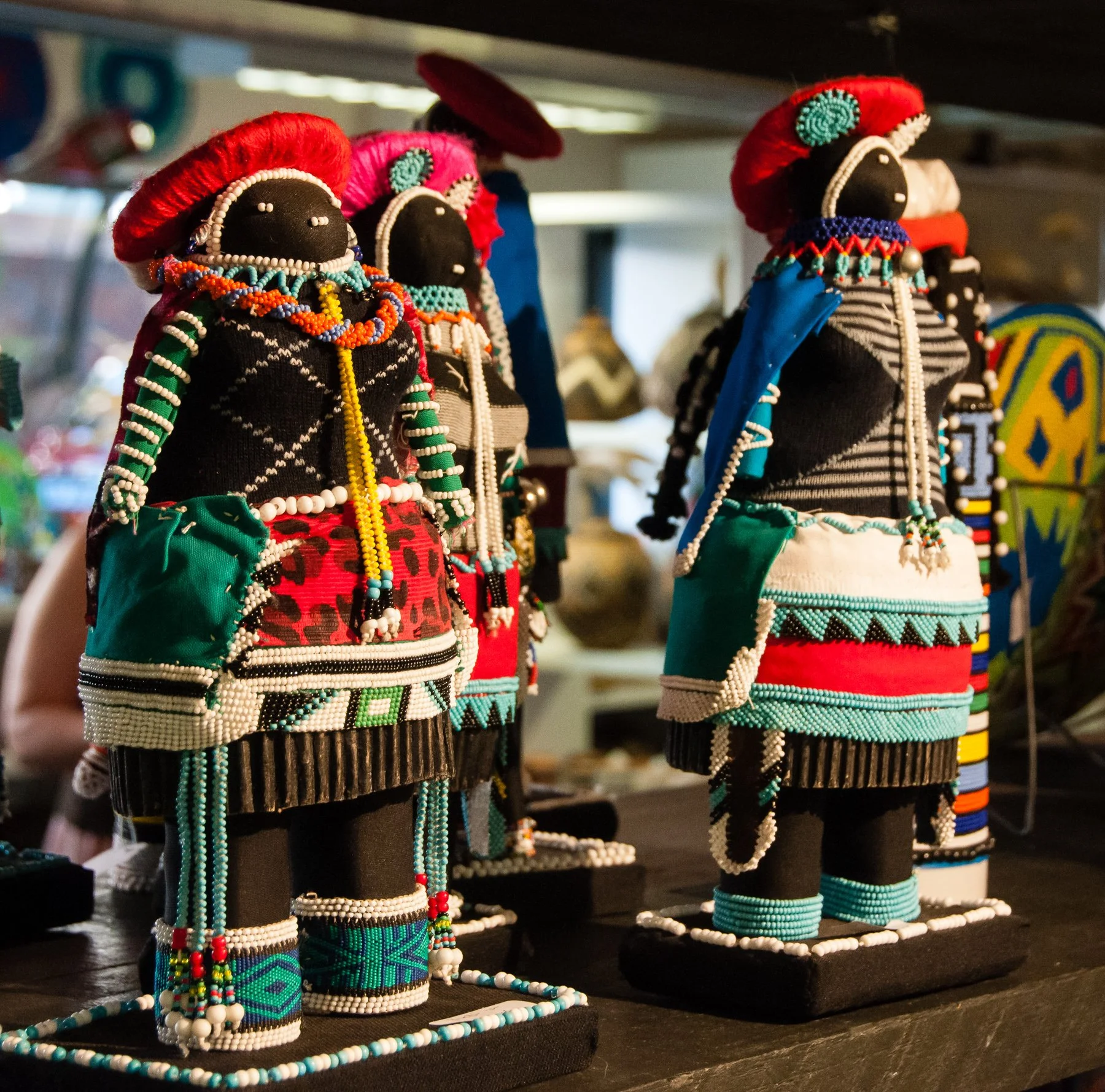
The Timeless Role of Crafts in Zulu Life
Zulu art isn't separate from daily life; it's woven into it.
Women traditionally handle pottery and beadwork, passing skills from mother to daughter.
These crafts mark life stages: birth, marriage, ceremonies.
They express identity, emotion, and community bonds.
Pottery holds food, beer, or ritual items; beadwork adorns bodies and tells personal stories.
Both show resourcefulness: using river clay, natural dyes, glass trade beads.
Zulu Pottery: Coiling Clay into Cultural Vessels
Zulu pottery dates back nearly 2,000 years, made mostly by women.
Pots serve practical and symbolic roles: storing water, cooking, brewing umqombothi (traditional beer), or in rites for hospitality and communality.
Common forms include large beer pots (uphisi) and smaller vessels.
Designs feature incised patterns like zigzags, triangles, braids – often echoing warrior scars or natural motifs.
The black finish comes from firing and polishing with animal fat.

Traditional Pottery Techniques and Their Meaning
Potters collect clay from specific river sites, clean and prepare it.
They use hand-coiling: rolling long clay snakes, stacking and pinching them into shape.
No wheel; everything is done by hand for even thickness.
Surfaces get smoothed with stones while damp.
Decoration: incised lines, impressed patterns, or raised elements.
Firing happens in open pits or ground holes covered with grass or leaves; smoke creates unique black tones.
Double firing blackens pots further; fat rub adds luster.
These methods ensure durability and beauty, tying the pot to earth and ancestors.
Ukubaza: The Art of Zulu Beadwork
Ukubaza refers to the beading process: stringing, weaving, stitching tiny glass beads.
Techniques include loom weaving for flat panels, netting for 3D shapes, or sewing beads onto cloth/leather.
Beads form necklaces, belts, anklets, headbands, even covering gourds or staffs.
Work is meticulous: patterns built row by row, colors chosen deliberately.
Historically, beads came via trade; now glass seed beads dominate.
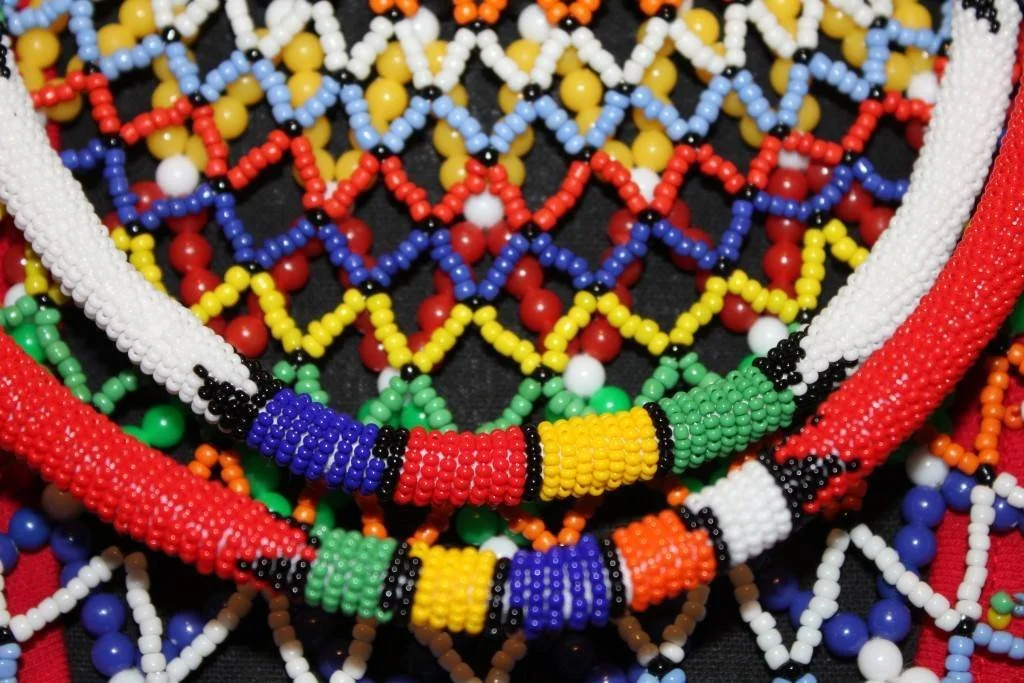
Bead Colors and Patterns: Decoding the Messages
Colors carry dual meanings, positive or negative, based on context and pairing.
Common interpretations:
White: Purity, hope, true love (positive); mourning, loss (negative)
Black: Marriage, regeneration (positive); sorrow, loneliness (negative)
Red: Intense love, passion (positive); anger, heartache (negative)
Blue: Fidelity, faithfulness (positive); hostility, sadness (negative)
Green: Contentment, growth (positive); jealousy, lovesickness (negative)
Yellow: Wealth (positive); poverty, hunger (negative)
Patterns and combinations amplify messages: black next to white signals marriage; red beside black means aching heart.
Geometric shapes like triangles represent gender or status.
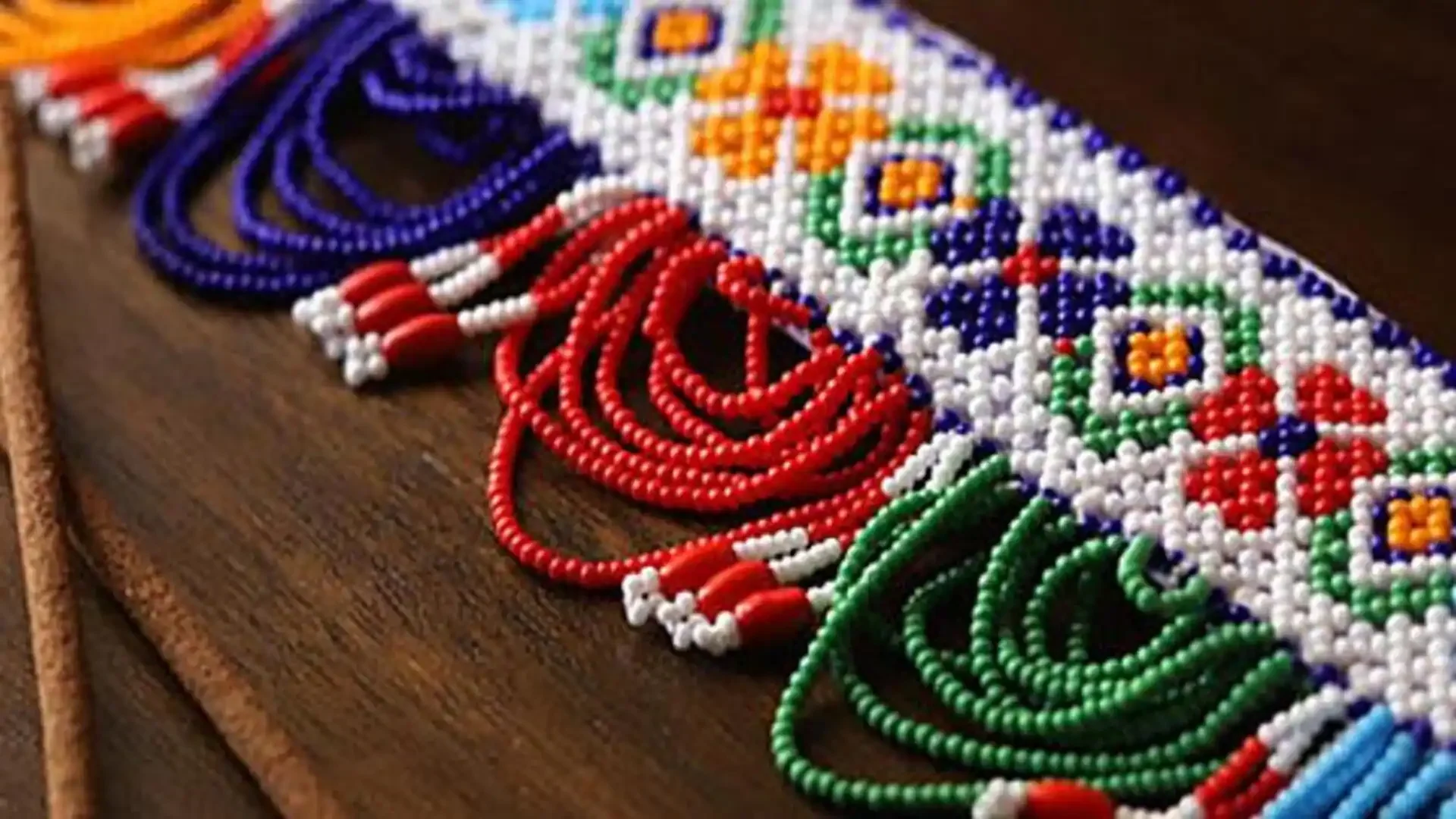
Zulu Love Letters: Silent Communication Through Beads
Before written notes, Zulu women sent "love letters" (izincwadi zothando or ubhala abuyise, "write so the other replies").
These small beaded panels or tokens conveyed feelings to suitors.
A girl might send white beads for purity and interest, then red for passion.
Combinations formed sentences: blue and white for fidelity in engagement.
Men rarely made beads; they asked female relatives to create responses.
This modest courtship tool let emotions flow without direct words, rooted in respect and symbolism.
Contemporary Zulu Artists: Blending Heritage with Innovation
Today's artists honor roots while adapting.
Potters like Jabulile Nala carry 2,000-year traditions but experiment with forms (vases, plates) using classic patterns in modern contexts.
She fires in pits and adds negative space designs inspired by warrior scars.
Others, like Clive Sithole, demonstrate coiling publicly, inspiring new makers.
In beadwork, artisans fuse ukubaza with fashion: bold jewelry, accessories blending traditional colors with contemporary styles.
Groups like Gone Rural or Ubuhle artists weave beads into global markets, supporting rural women.
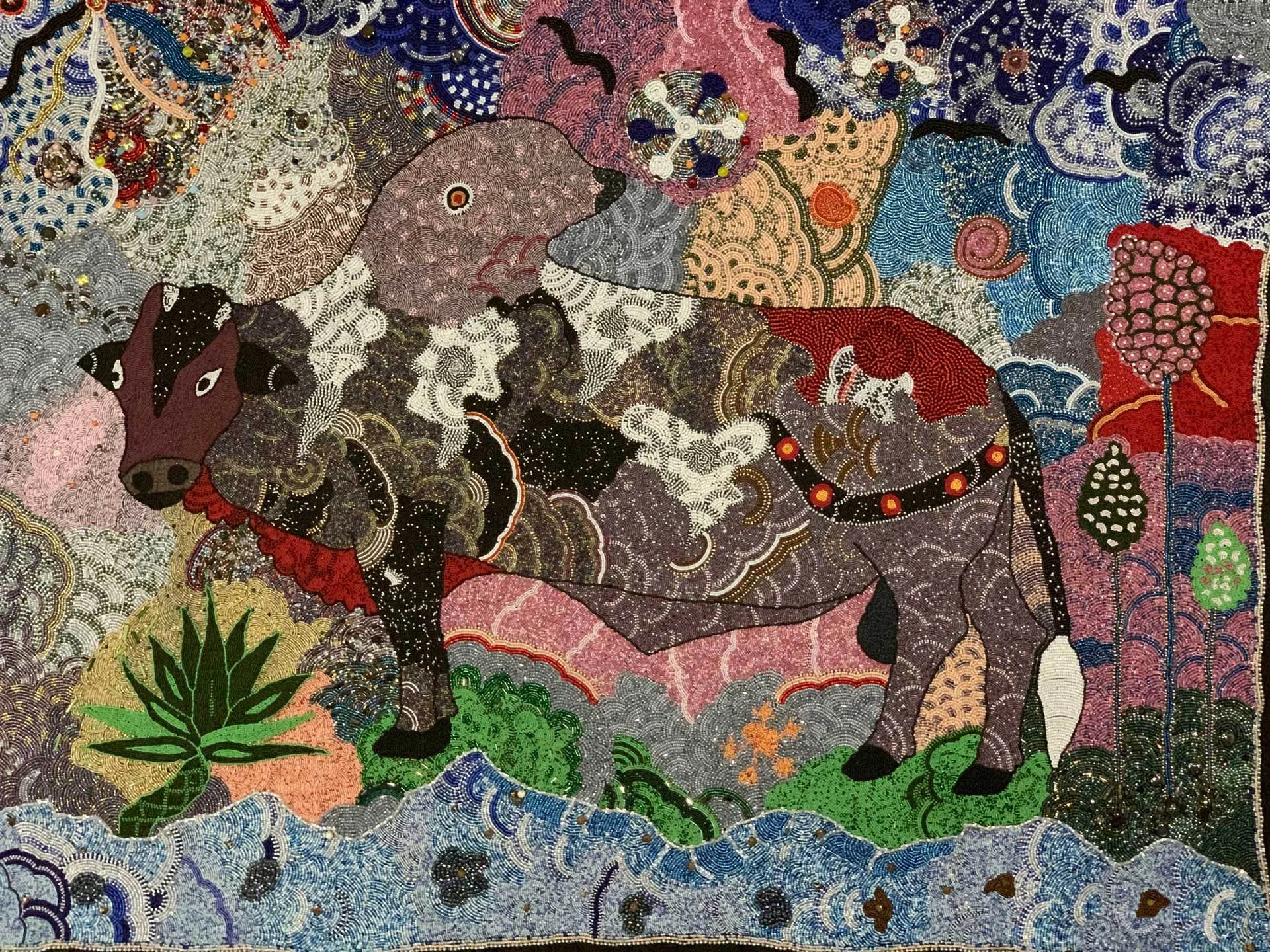
Modern pieces mix glass beads with wire, recycled materials, or abstract designs – keeping symbolism alive while appealing to new audiences.
This evolution shows Zulu art as dynamic, not frozen.
Why These Crafts Matter Today
They preserve identity amid change.
In urban South Africa, crafts connect people to rural heritage.
They generate income, empower women, sustain skills.
Globally, they showcase Zulu creativity, from museums to fashion runways.
Learning them builds appreciation for patience, symbolism, and community.
FAQs
What does ukubaza mean in Zulu beadwork?
Ukubaza refers to the act of beading or creating with beads, often involving intricate stitching or weaving techniques.
How do Zulu love letters work?
Women string beads in specific colors and patterns to send silent messages about love, commitment, or emotions to suitors.
Are Zulu pots still made traditionally?
Yes, many potters use coiling, pit-firing, and natural finishes, though some incorporate modern tools for larger works.
What colors symbolize marriage in Zulu beadwork?
Black and white together often represent marriage; blue and white can signal fidelity or engagement.
Who are some notable contemporary Zulu potters?
Artists like Jabulile Nala and her family lineage keep traditions alive, blending old firing methods with innovative designs.
Can outsiders learn Zulu beadwork or pottery?
Yes. Workshops, online tutorials, and cultural centers teach basics, respecting the craft's cultural roots.
Final Thoughts on Zulu Creative Legacy
Zulu crafts like pottery and beadwork prove that art can hold memory, emotion, and identity in every coil or bead. From the quiet messages in a love letter to the sturdy pots shared at family fires, these works remind us of skill passed hand to hand. In a fast world, they ground us in patience and meaning. Honor them by appreciating or even trying the techniques yourself.
Ready to Dive Deeper into Zulu Art?
At NKENNE, we bring Zulu creativity closer. Explore our guides on bead symbolism, pottery demos, or modern Zulu makers. Start crafting your connection to this heritage; join us and keep the tradition alive. Your hands might just create the next story.