
Cachupa: Cape Verde's National Corn Stew (A Slow-Cooked Taste of Home)
By: Chimdindu Ken-Anaukwu
On the rugged volcanic slopes of Santo Antão, families rise early to tend massive pots over wood fires. They let corn and beans simmer for hours while stories flow as freely as the grogue. This is cachupa, Cape Verde's national dish. It is a hearty, one-pot wonder that turns simple staples into something deeply comforting. In this guide, you will break down its core mix of hominy, beans, and meats. You will explore the two main styles (rica and pobre). You will zoom in on island-specific versions from Santo Antão, where the mountain air and local ingredients add their own character. You will walk away knowing how to make it, why it matters, and a few Creole words to share when you do.
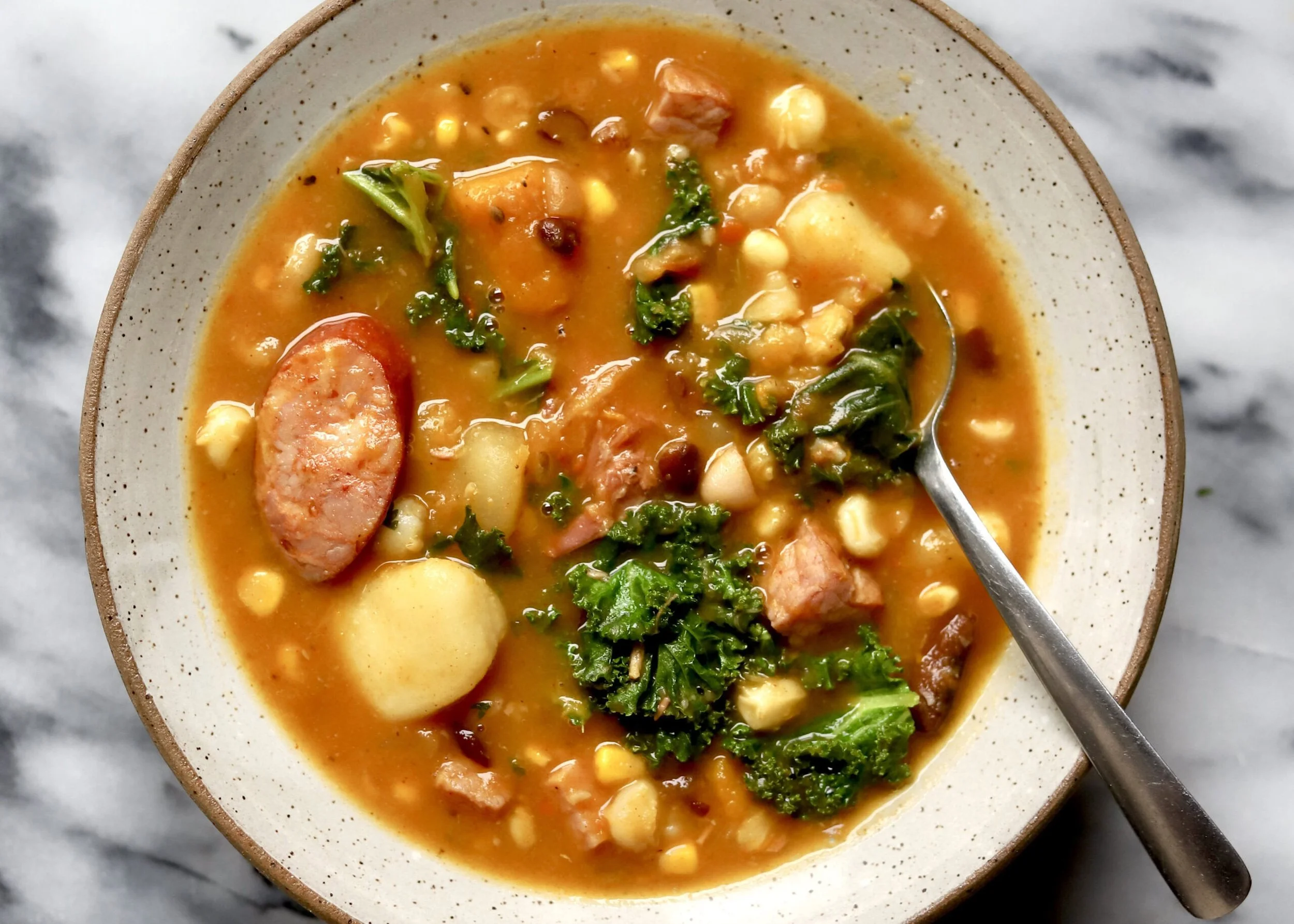
What Makes Cachupa Cape Verde's National Dish
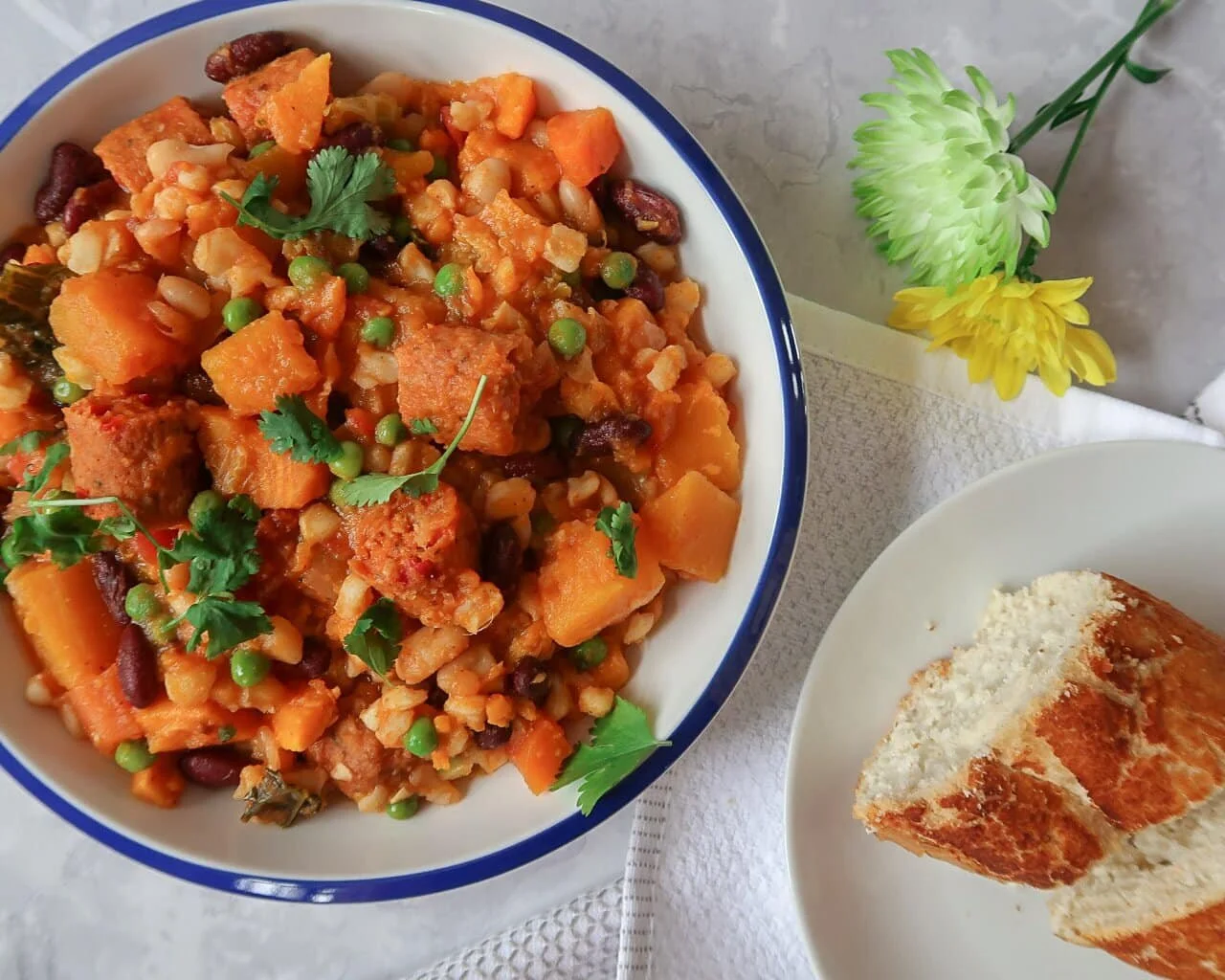
Cachupa is everywhere in Cape Verde. You find it from street eateries to family tables on holidays. It is a slow-cooked stew built around hominy (dried corn kernels treated with alkali) and beans. People bulk it with whatever vegetables and proteins are on hand.
This dish unites the 10 islands despite their differences in terrain and resources. Every household tweaks it, but the base stays consistent. Corn provides heartiness. Beans add protein. Long simmering melds the flavors.
It is called the national dish because it embodies morabeza. That is Cape Verdean warmth and hospitality. It turns scarcity into shared abundance.
Historical Roots: Survival and Fusion
Cachupa emerged during colonial times. Cape Verde served as a Portuguese trading post then. Enslaved Africans, Portuguese settlers, and later immigrants combined local corn (introduced via trade routes) with African bean traditions and Portuguese stew techniques.
Corn adapted well to the semi-arid climate. It became a staple for the enslaved and poor. Over generations, it evolved into a creative response to limited resources. Stretch what you have. Add what you can afford.
Today, it symbolizes resilience and community. It does so especially in diaspora kitchens where it keeps cultural ties alive.
Core Ingredients and Their Cape Verdean Names
The foundation is simple but flavorful. Use these terms to shop or talk like a local.
Milho (Corn/hominy): The star. Dried kernels are soaked and simmered until tender.
Feijão (Beans): Often red kidney, black-eyed, or lima for creaminess.
Cebola (Onion), tomate (tomato), alho (garlic): Build the base flavor.
Batata doce (sweet potato), mandioca (cassava/yuca), abóbora (squash/pumpkin): Add starch and sweetness.
Meats: Linguiça (sausage), porco (pork), frango (chicken), or atum (tuna) for richness.
Herbs: Louro (bay leaves), pimenta (chili), coentro (cilantro) for depth.
These words tie into learning Cape Verdean Creole (Kriolu) and Portuguese.
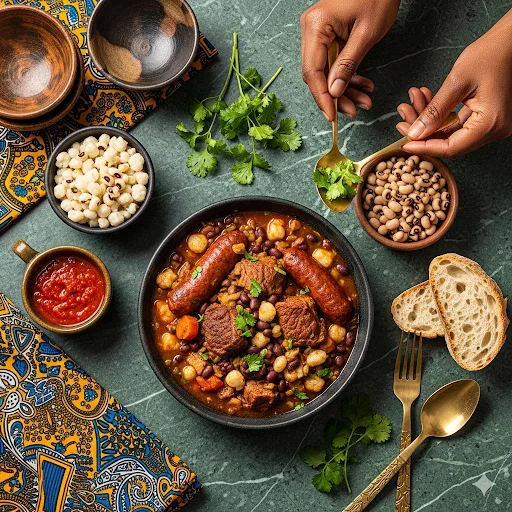
Cachupa Rica vs. Cachupa Pobre: The Key Differences
Two main styles reflect social and practical realities.
Cachupa Rica ("rich") loads up on meats. It includes pork, beef, chicken, sausage, and sometimes seafood. People reserve it for celebrations like weddings or New Year's. It is festive and filling.
Cachupa Pobre ("poor") keeps it simple. It focuses mostly on vegetables, beans, and corn. It might include fish or minimal meat. This is the everyday version. It stays accessible to all and emphasizes resourcefulness.
Both slow-cook for hours. Rica just has more layers of flavor from the proteins.
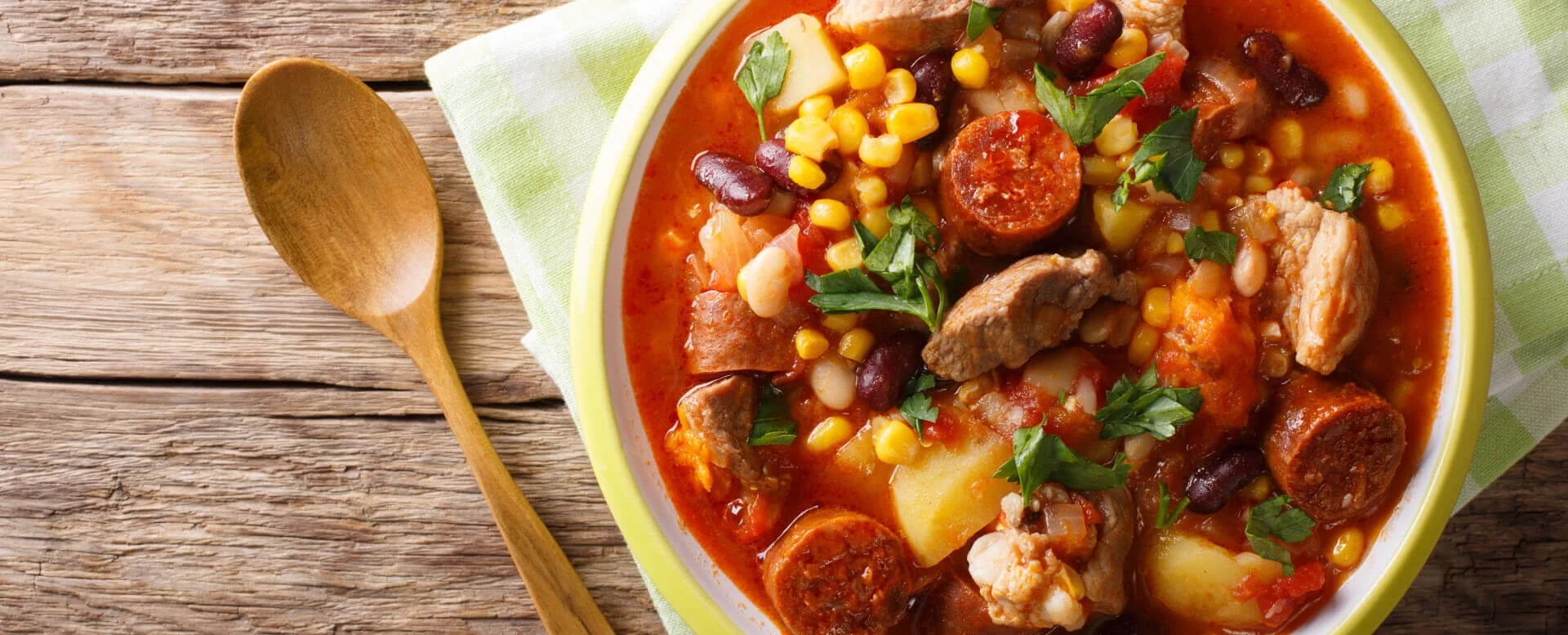
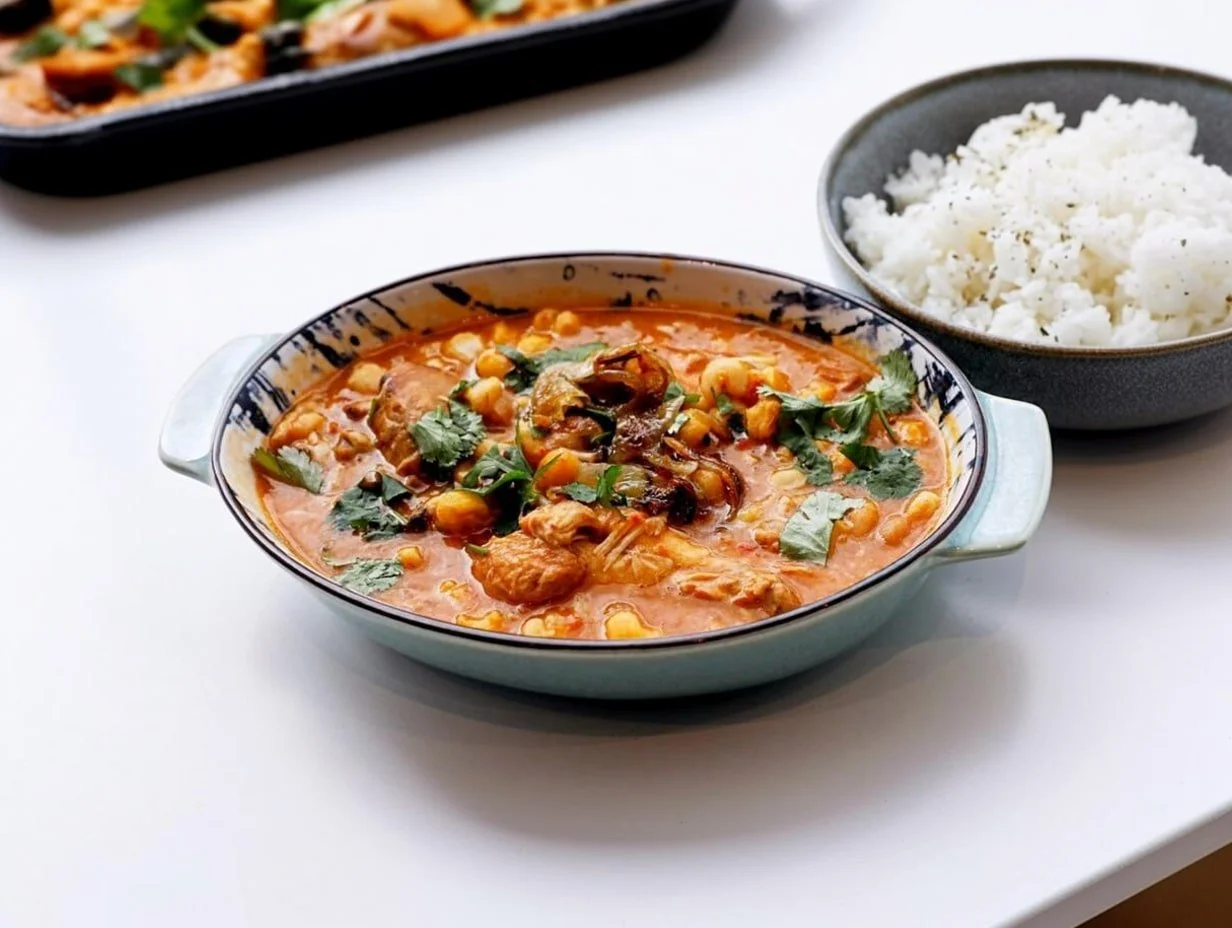
Santo Antão Island Variations: Mountain Flavors
Santo Antão is the greenest island. It has terraced valleys and sugarcane fields. It brings unique touches to cachupa.
Here, versions often include more root vegetables like mandioca and batata doce from local farms. Some add fresh greens or island-specific seasonings.
Grogue (sugarcane rum) might flavor the dish or accompany it. Coastal areas lean toward fish or seafood. Inland spots favor pork or goat.
The slow cooking fits the island's pace. Families gather around the pot. They share stories in Kriolu amid misty peaks.
Step-by-Step Basics: How to Cook Cachupa
Soak hominy and beans overnight.
Sauté cebola, alho, and tomate in oil.
Add soaked milho, feijão, bay leaves, and water or stock.
Simmer 2-3 hours. Add vegetables halfway through.
For rica, brown meats first and stir them in later.
Finish with greens and adjust seasoning. Serve hot. Often add a fried egg on top for extra comfort.
This teaches patience and layering. Those are key to Cape Verdean cooking.
Cultural Role in Cape Verdean Life
Cachupa appears at every major moment. You see it at births, funerals, and holidays. Women (and increasingly men) cook massive batches. The process becomes social time.
In diaspora communities, it recreates home. It links generations through taste.
It is more than food. It is morabeza in a bowl. That means hospitality, endurance, and pride in Cape Verdean identity.
FAQs
What is cachupa exactly?
A slow-cooked stew of hominy corn, beans, vegetables, and meats or fish. It is Cape Verde's national dish.
What's the difference between cachupa rica and pobre?
Rica includes lots of meats for special occasions. Pobre is simpler and vegetable-focused. It is everyday food.
How is Santo Antão's cachupa different?
It highlights mountain-grown roots like cassava and sweet potato. It is often paired with local grogue.
Can cachupa be made vegetarian?
Yes. Use cachupa pobre style with extra veggies and beans for a hearty, plant-based meal.
Why is corn so central to cachupa?
Corn arrived via trade. It thrived in the climate. It became a staple for survival and creativity.
How does cachupa connect to learning Portuguese or Kriolu?
Ingredients like "milho" (corn) and "feijão" (beans) build food vocabulary while cooking.
Final Thoughts
Cachupa captures Cape Verde's essence. Humble ingredients transform through time and care into something nourishing and unifying. From Santo Antão's terraced valleys to tables worldwide, it carries stories of adaptation, family, and joy. Mastering it means embracing a piece of Lusophone African heritage.
Ready to dive deeper into Cape Verdean flavors, language, and traditions? Join NKENNE for lessons that bring these cultural gems to life. Let's cook and converse together.