
By: Chimdindu Ken-Anaukwu
Some dishes feel like home the moment you taste them. Ikokore is one of those. This soft, peppery water yam pottage is an Ijebu classic that many people outside the region still underrate. Loaded with seafood and rich palm oil flavor, it delivers pure comfort in every spoon. In this guide, you will learn how to make authentic Ikokore the proper way, why it holds a special place in coastal Yoruba cooking, and how to get that perfect soft texture that makes it unforgettable.
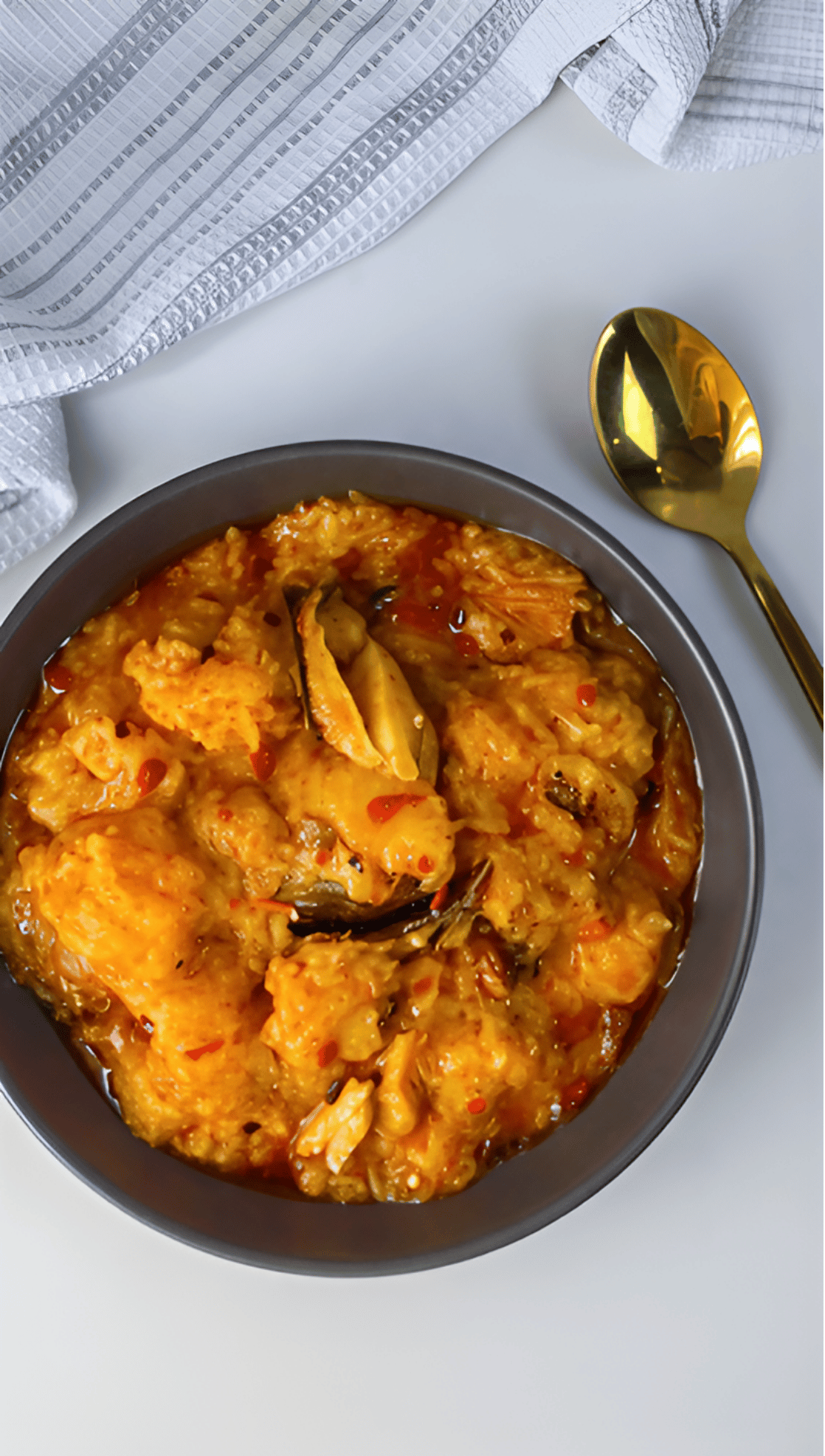
Why Ikokore Is Special in Ijebu Cooking
Ikokore comes from the Ijebu people of Ogun State. It is one of their signature dishes and a true representation of coastal Yoruba cooking.
The base is water yam, which has a unique sticky and soft quality when cooked. Combined with smoked fish, prawns, and a well-seasoned pepper base, it becomes rich, slightly stretchy, and deeply satisfying.
Unlike regular yam porridge, Ikokore has a smoother, more luxurious mouthfeel. That is why many Ijebu families still prepare it for special weekends and family gatherings.
Key Ingredients for Real Flavor
Main ingredients (for 4–6 people):
1 medium water yam (about 1–1.5 kg)
½ cup palm oil
1 large onion
3–4 scotch bonnet peppers (adjust to taste)
1 red bell pepper (optional for color)
2–3 smoked fish (deboned)
Handful of dried prawns or crayfish
Stockfish or dried fish (optional)
Seasoning cubes and salt to taste
Locust beans (iru) – highly recommended
Fresh spinach or ugu leaves (optional, for finishing)
Water yam is the star. Regular white yam will not give the same soft, slightly elastic texture.
How to Prepare the Water Yam
Peel the water yam carefully. It can be slippery.
Grate it using the fine side of a grater or blend it with a little water until smooth but still slightly textured.
Some people soak the grated yam briefly and squeeze out excess liquid. Others cook it directly. Both methods work, but squeezing helps control the final consistency.
Step-by-Step Ikokore Recipe
Heat the palm oil in a pot. Do not bleach it.
Add sliced onions and fry gently.
Add the blended pepper mix and locust beans. Fry until the oil rises and the raw smell disappears.
Add the smoked fish, prawns, stockfish, seasoning, and salt. Stir and let the flavors combine for a few minutes.
Add a little water or stock to create a light base.
Pour in the grated water yam gradually while stirring continuously to avoid lumps.
Reduce the heat and cook gently, stirring often, until the mixture thickens and becomes soft and glossy.
Taste and adjust seasoning. If using vegetables, add them at the end and stir in.
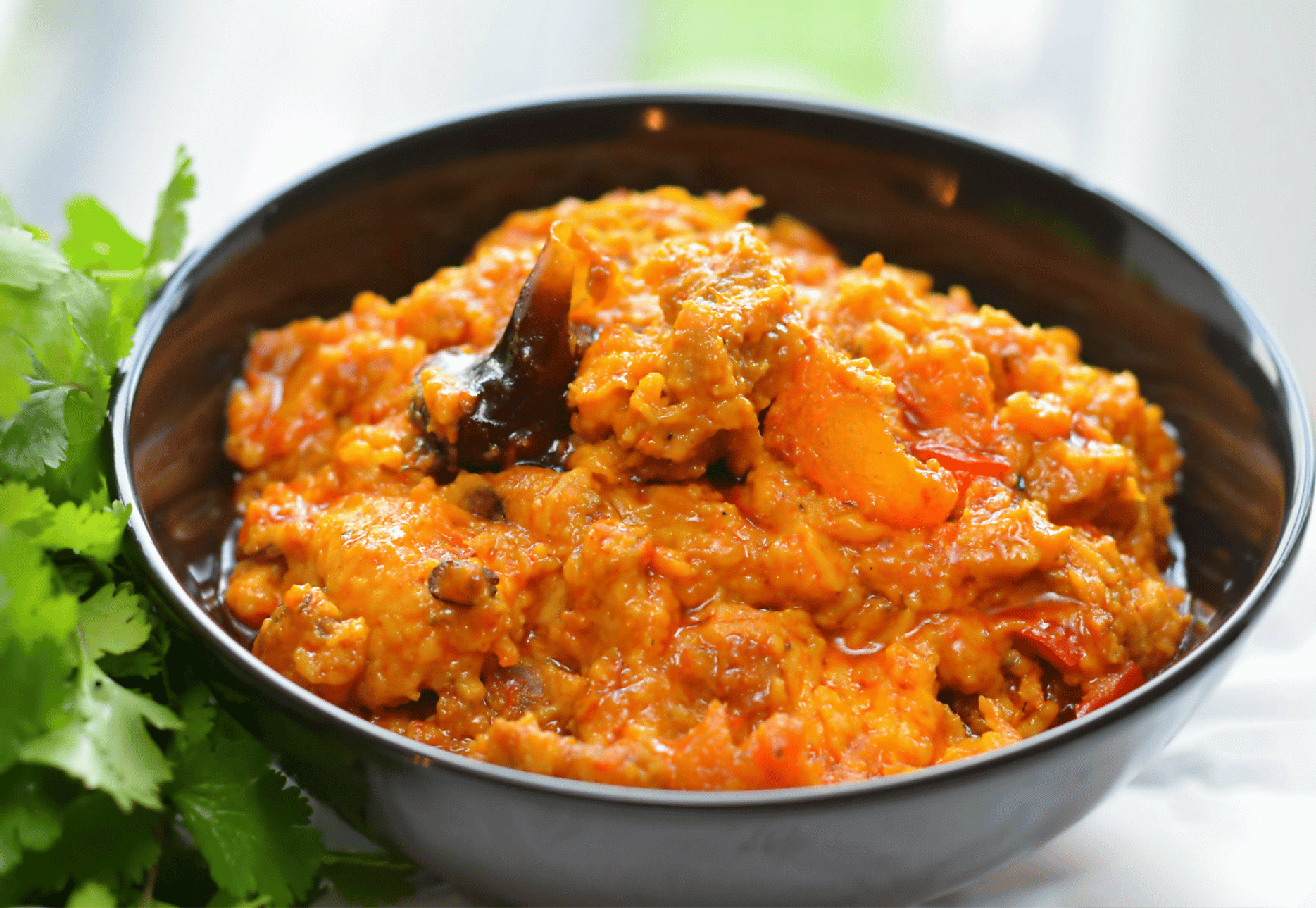
The finished Ikokore should be soft, slightly stretchy, and rich with pepper and seafood flavor.
Tips for the Perfect Soft Texture
Grate or blend the yam finely for smoothness.
Stir constantly when adding the yam to prevent lumps.
Cook on low to medium heat. High heat can make it tough.
Do not add too much water. Ikokore should be thick and spoonable, not watery.
Palm oil and iru give it the authentic Ijebu taste. Do not skip them if you want the real flavor.
Serving Suggestions
Serve Ikokore hot on its own. It is filling enough to stand as a full meal.
Some people enjoy it with a side of cold drink or soft drink to balance the heat. It also pairs well with plain boiled plantain if you want extra substance.
Common Mistakes and How to Fix Them
Using regular yam instead of water yam: The texture will not be the same. Source proper water yam.
Adding the yam too quickly: Lumps form easily. Add gradually and stir well.
Cooking on high heat: The pottage can become dense. Keep the heat gentle.
Not frying the pepper base properly: The sauce will taste raw. Take time with this step.
FAQs
What is the difference between Ikokore and regular yam pottage?
Ikokore uses water yam, which gives a softer and slightly elastic texture. Regular yam pottage is firmer and less sticky.
Can I make Ikokore without seafood?
Yes, but the traditional version relies heavily on smoked fish and prawns for depth. You can use mushrooms or more vegetables as alternatives.
Is water yam easy to find?
In many Nigerian markets, especially in the Southwest, water yam is available. Ask for “water yam” or “ìsù omi.”
How long does Ikokore keep?
Store in the fridge for up to 2–3 days. Reheat gently with a splash of water because it thickens as it cools.
Can I blend the water yam instead of grating?
Yes. Many modern cooks prefer blending for speed and smoother results.
Is Ikokore spicy?
It is traditionally peppery. You can reduce the scotch bonnet quantity to suit your preference.
Final Thoughts: A Dish Worth Knowing
Ikokore is one of those dishes that quietly represents the best of coastal Yoruba cooking. Soft, rich, peppery, and full of seafood flavor, it delivers comfort without complication. Once you master the texture and seasoning, it becomes a reliable favorite for family meals and quiet evenings. This Ijebu special deserves more attention, and now you have everything you need to make it properly.
Ready for More Yoruba Comfort Food?
NKENNE brings authentic Yoruba recipes, language, and culture into everyday life. Explore more dishes like gbegiri, ofada, moi moi, and akara, plus practical language guides that help you speak with confidence. Join our community and keep discovering the flavors and stories that make Yoruba heritage rich and alive. Your next comforting meal starts here.