
By: Chimdindu Ken-Anaukwu
Hollywood and popular media have long reduced Haitian spirituality to dolls, curses, and fear. The reality is far richer and more grounded.
Haitian Vodou is a living religion shaped by West and Central African traditions, Catholic practice, and the specific history of Haiti. Most practitioners see no conflict in serving the spirits while also attending Catholic Mass. This article explains the core beliefs, the role of the lwa, the historical process of syncretism, and the everyday practices that define the tradition.
One God and Many Spirits
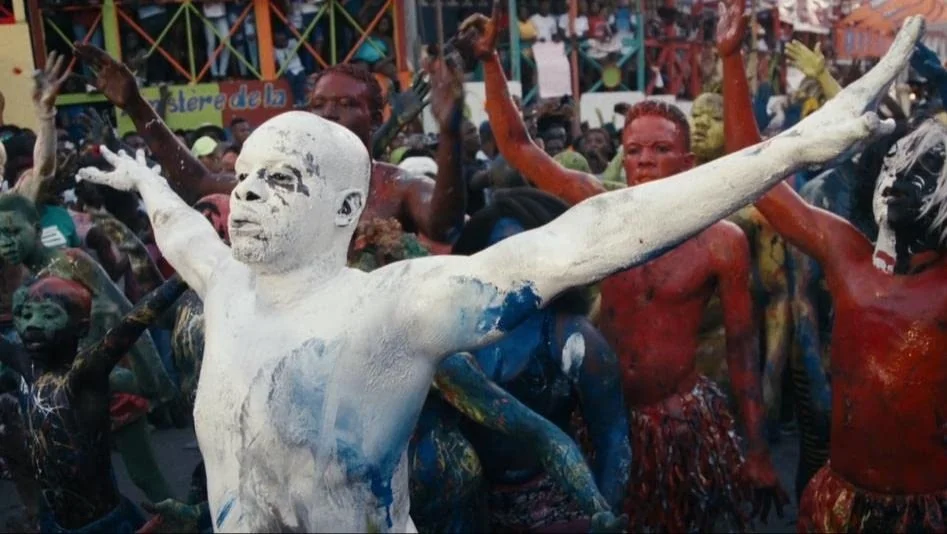
Vodou is monotheistic at its foundation. Practitioners believe in one supreme creator, Bondye (from the French “Bon Dieu,” meaning Good God). Bondye is distant and rarely intervenes directly in human affairs.
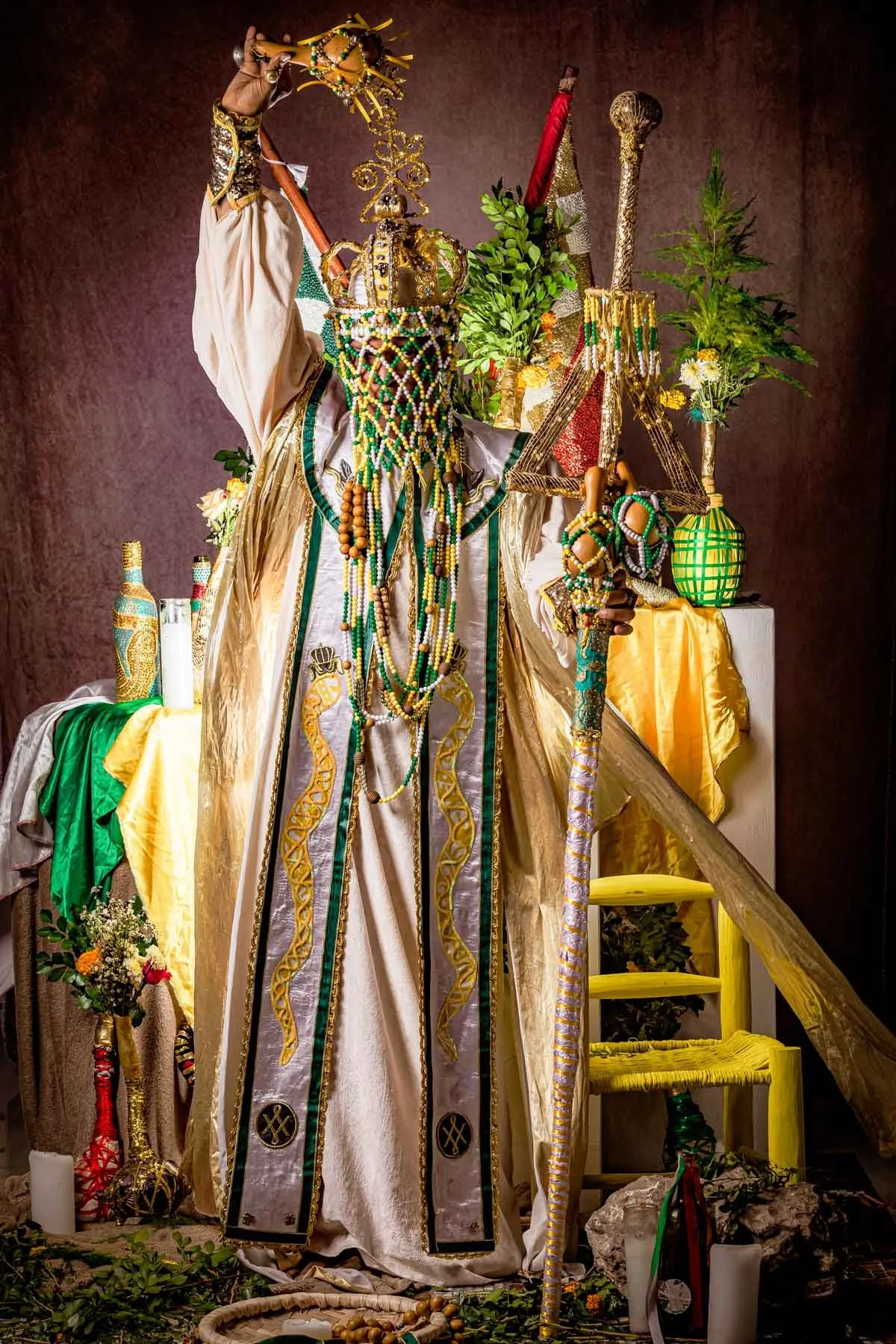
Between Bondye and people stand the lwa (also spelled loa). These are spirits who act as intermediaries. They have personalities, preferences, colors, foods, and areas of influence. People serve the lwa through offerings, song, dance, and ceremony in exchange for guidance, protection, healing, and support in daily life.
This structure is similar in some ways to Catholicism’s relationship between God and the saints, which helped make the blending of the two systems possible.
The Lwa: Intermediaries Between Heaven and Earth
There are hundreds of lwa, organized into “nations” or nanchon that reflect the African origins of the enslaved people who created the religion. The two most prominent groups are:
Rada: Generally cooler, more peaceful spirits linked to older West African traditions (especially Fon and related peoples).
Petwo: Hotter, more intense spirits that developed in Haiti itself under the conditions of slavery and revolution.
Well-known lwa include:
Papa Legba, the opener of the crossroads who must be greeted first in most ceremonies
Danbala (or Damballah), the serpent spirit of wisdom and creation, often linked with Saint Patrick
Ezili (Erzulie) Freda, associated with love, beauty, and luxury, and Ezili Dantò, a fierce protective mother figure
Ogou, a warrior spirit connected with iron, strength, and justice
The Gede family, spirits of the dead who bring humor, sexuality, and truth-telling
Each lwa has specific symbols (called vèvè), preferred offerings, and ways of “mounting” or possessing a person during ceremony.
How Syncretism With Catholicism Worked
Under French colonial rule, enslaved Africans were required to be baptized as Catholics. African religious practice was suppressed. In response, people continued to serve their spirits while using Catholic images and language as a protective cover.
Spirits were paired with Catholic saints who shared similar attributes or visual symbols. Danbala was associated with Saint Patrick (because of the snakes). Ogou was linked with Saint James. Ezili was connected with various forms of the Virgin Mary.
After independence in 1804, the Catholic Church withdrew from Haiti for decades. This period allowed Vodou to develop more openly while still carrying Catholic elements. Many Haitians today continue to practice both traditions side by side without seeing contradiction. They may attend Mass and still serve their family lwa at home or in a temple (hounfo).
Core Practices: Service, Ceremony, and Community
Vodou is practical and relational. Much of the activity centers on maintaining good relationships with the spirits and with the community.
Key elements include:
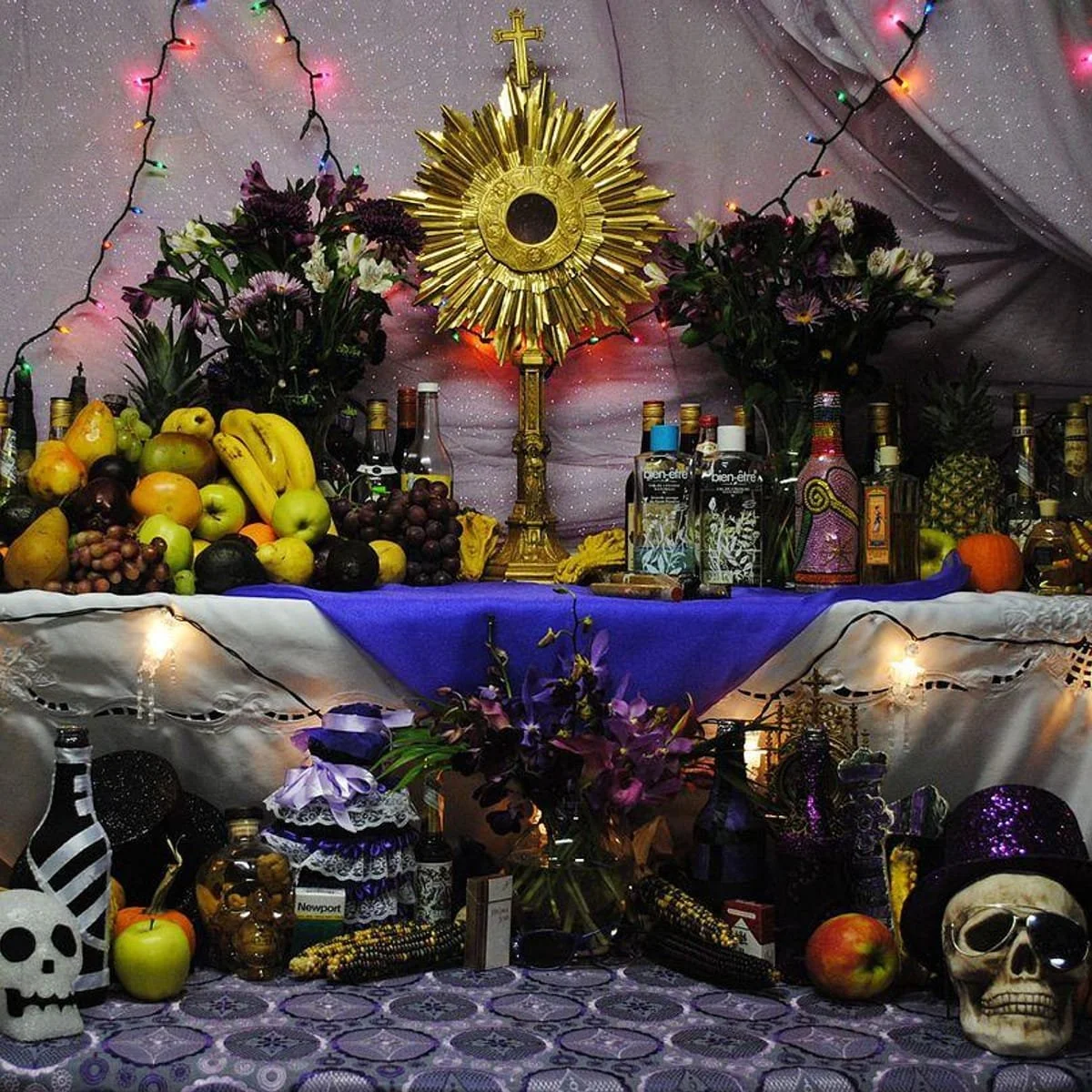
Offerings of food, drink, candles, and sometimes animal sacrifice to feed and honor the lwa
Drumming, singing, and dancing that invite the spirits to possess participants
Healing work using herbs, ritual, and the help of the lwa
Respect for ancestors and the dead
Initiation into deeper levels of service for those who become priests (oungan) or priestesses (manbo)
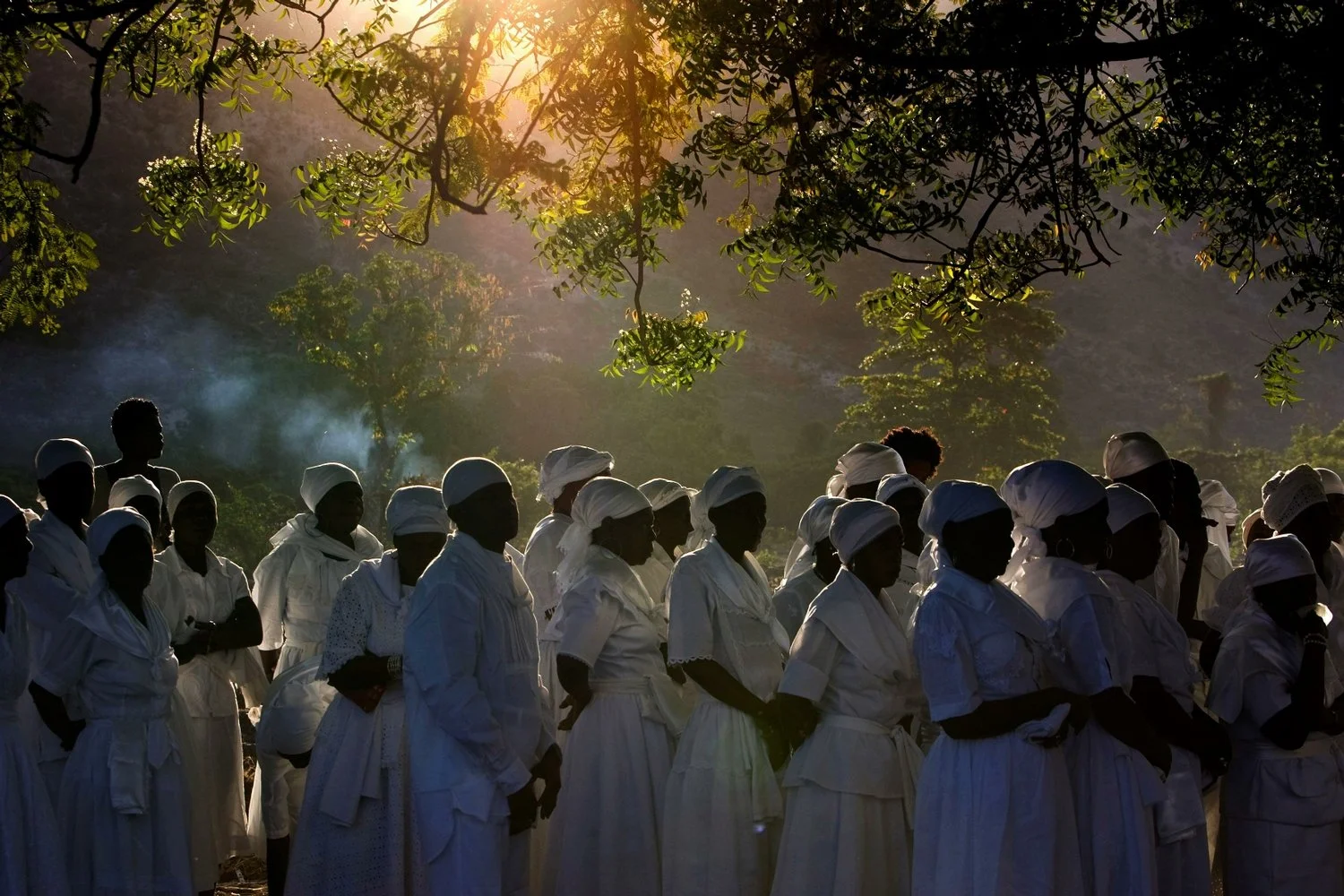
Ceremonies often follow or coincide with the Catholic calendar. Many families keep small home altars. Larger public ceremonies take place in temples and are community events that strengthen social bonds.
Beyond the Stereotypes
Popular images of “voodoo dolls,” zombies as mindless monsters, and constant black magic do not reflect mainstream Vodou practice.
Most activity focuses on healing, protection, family well-being, and maintaining balance with the spirits. Possession is understood as a welcome and temporary invitation of the spirit into a person’s body, not as demonic takeover. Animal sacrifice, when it occurs, is treated as a serious offering, similar to practices in other traditional religions around the world.
Negative stereotypes have historical roots in colonial fear, anti-Haitian racism, and later political use of the religion. Accurate understanding requires looking past those images.
Vodou in Daily Haitian Life
For many Haitians, Vodou is less a separate “religion” and more a way of living that includes respect for spirits, ancestors, and community. It provides frameworks for dealing with illness, conflict, protection, and life transitions.
It is practiced both in rural areas and in cities, and it travels with the Haitian diaspora. In 2003 Haiti officially recognized Vodou as a religion. While Protestant Christianity has grown significantly, Vodou remains a deep cultural and spiritual force for many families.
Common Questions
Do most Haitians practice Vodou?
Many Haitians engage with both Catholicism (or Protestantism) and Vodou elements. Exact numbers vary, and self-identification does not always capture the full picture of practice.
Is Vodou the same as “voodoo” in Louisiana or elsewhere?
Haitian Vodou is distinct, though related traditions exist in other parts of the African diaspora. Practices, spirits, and histories differ.
Is spirit possession dangerous?
Within the tradition it is considered a normal and often positive part of ceremony when properly guided by experienced practitioners.
Does Vodou involve harming people?
Mainstream practice focuses on healing, protection, and relationship. Like any religion, it has ethical guidelines and can be misused by individuals, but that is not its core purpose.
Can outsiders practice Vodou?
Some lineages accept non-Haitians, but authentic practice requires serious commitment, relationship with a community, and respect for the tradition’s cultural roots.
A Living Tradition of Resilience
Haitian spirituality, through Vodou and its long conversation with Catholicism, shows how people under extreme pressure can create something new, coherent, and sustaining. The spirits, the ceremonies, and the daily service continue to give meaning, healing, and connection to many Haitians at home and abroad.
Understanding the real beliefs and practices replaces fear with respect. It also reveals a sophisticated religious system that has helped a people survive and create culture against great odds.
At NKENNE we share accurate cultural knowledge so African and diasporic traditions are seen clearly and with dignity. Explore more on Haitian history, language, and daily life.
What part of Haitian spirituality would you like to understand better? Share your questions in the comments.