
By: Chimdindu Ken-Anaukwu
Nothing quite prepares you for your first Egungun festival. Suddenly, the street fills with larger-than-life figures spinning and dancing in colorful, layered costumes while crowds cheer and sing. These are not just performers. In Yoruba tradition, Egungun masquerades are ancestors returning to visit the living. This guide explores the deep history and spiritual meaning behind Egungun, how the performances work, and why this tradition remains powerful in modern Nigeria, reminding families about lineage, respect, and accountability.
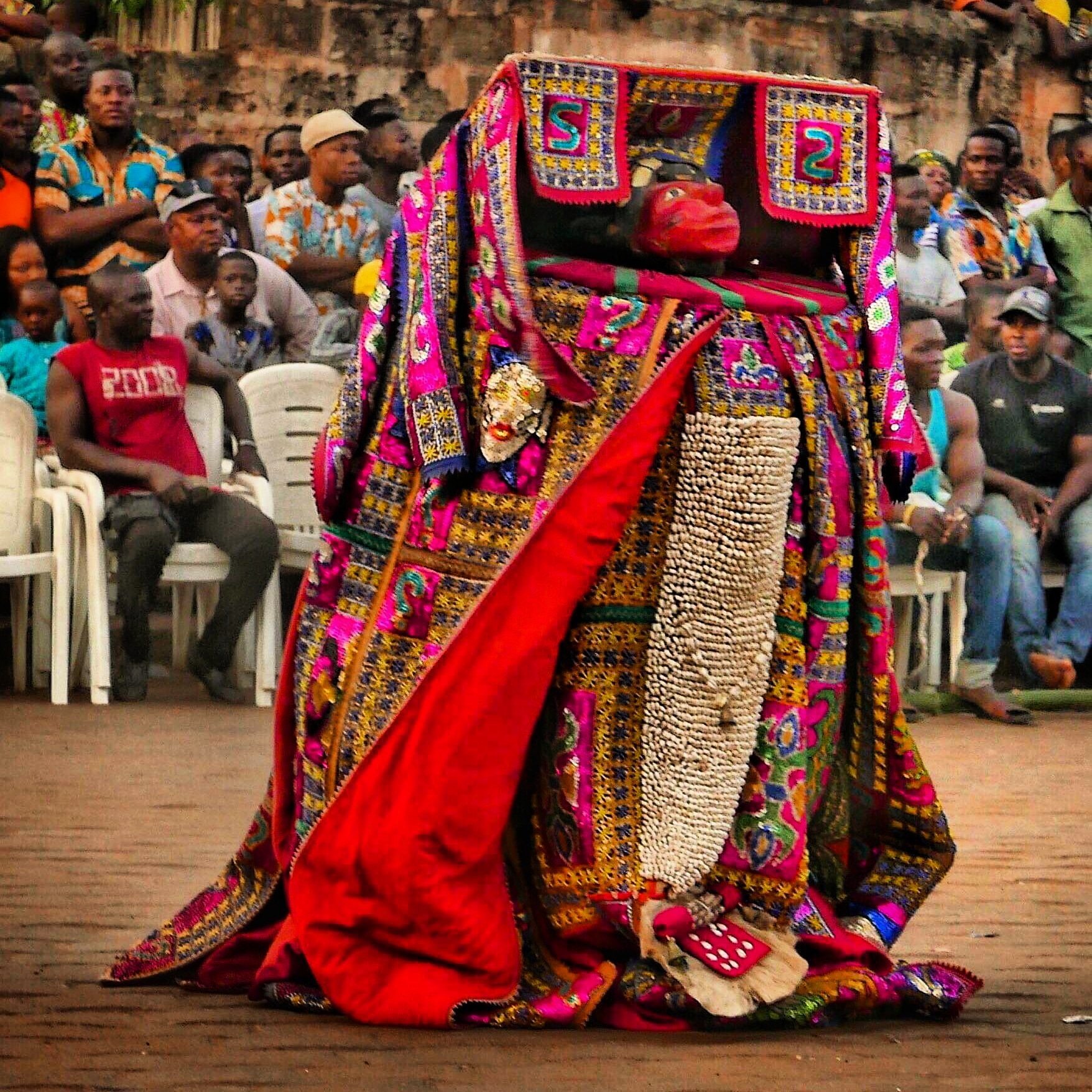
What Egungun Masquerades Really Are
Egungun refers to the collective spirits of departed ancestors in Yoruba belief. During festivals, specially trained performers wear elaborate costumes and masks to temporarily house these spirits.
The masqueraders dance, chant, and interact with the community. Some are playful, others stern. Through them, ancestors are believed to offer blessings, warnings, or judgments.
This living theater connects the visible world with the invisible one in a powerful way.
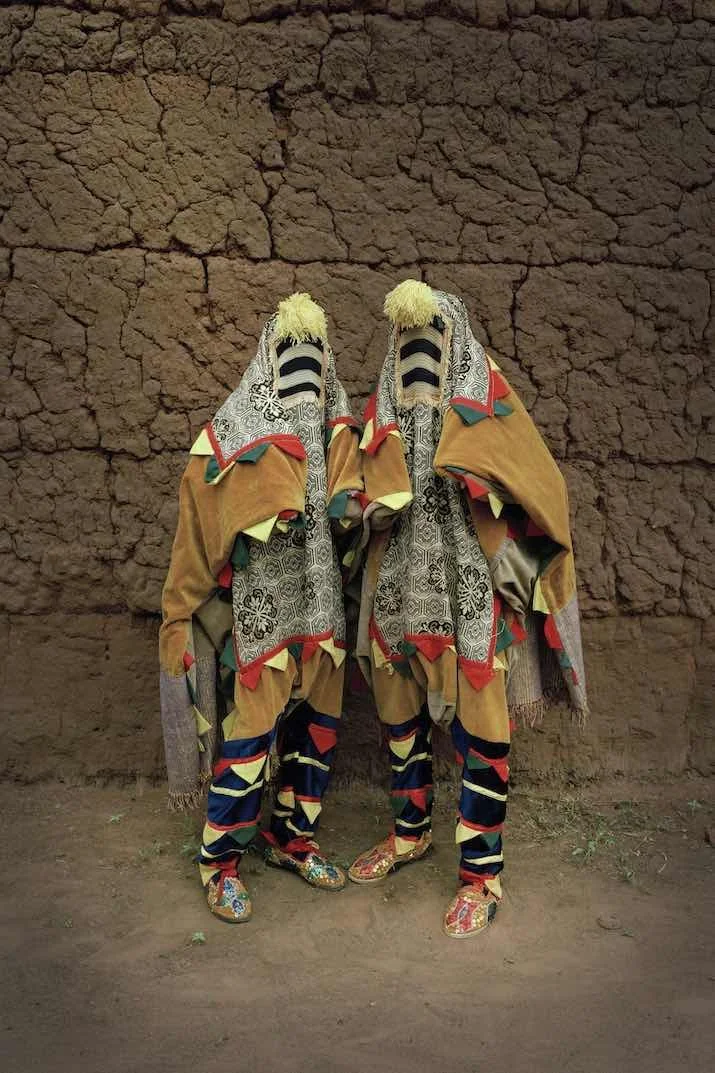
The Spiritual Meaning Behind the Masks
Yoruba people believe death is not the end. Ancestors continue to watch over their families. Egungun gives them a physical way to return.
The mask completely covers the performer so the human disappears. Only the ancestor remains visible. This creates a sacred space where the community can speak directly to their forefathers.
It is both celebration and serious responsibility. The presence of Egungun reinforces moral order in the society.
History and Origins of Egungun
Egungun has existed for centuries among the Yoruba. It is especially strong in towns like Oyo, Ede, and Abeokuta.
The tradition developed as a way to honor family lineages and maintain social harmony. In the past, Egungun societies held significant power. They could settle disputes and correct wrongdoing in the community.
Colonial times and modernization challenged the practice, but it survived and adapted.
How Egungun Performances Work
Festivals usually happen during the dry season, often lasting several days.
Families or lineages sponsor their own Egungun. Performers are initiated members of secret societies who undergo training and rituals.
The masquerader appears suddenly, accompanied by drummers and singers. He moves with incredible energy, sometimes performing acrobatics or delivering messages. The crowd responds with songs, praise, and gifts.
Some Egungun are known for whipping people lightly as a form of playful discipline or blessing.
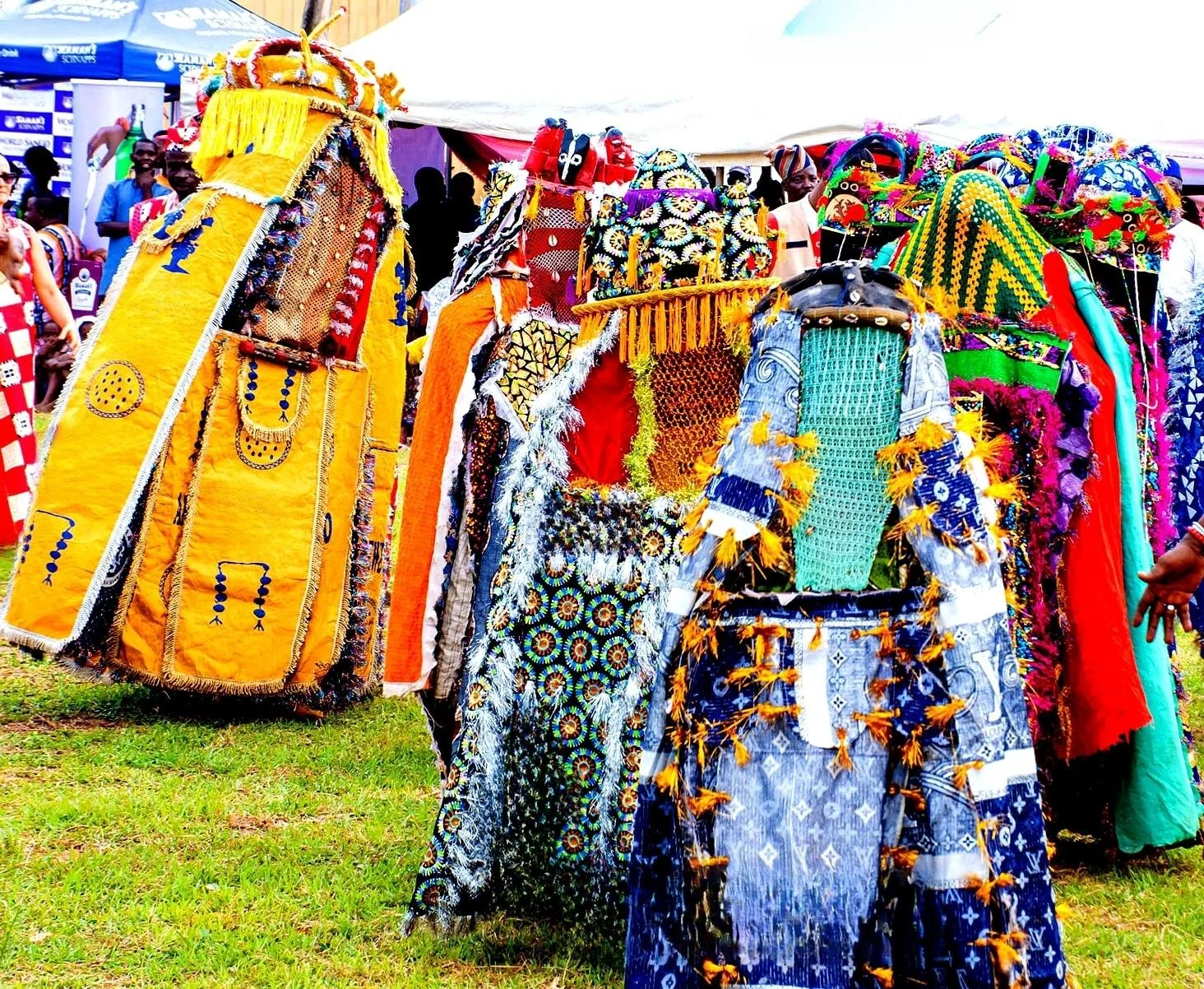
Costumes and Their Spectacular Symbolism
Egungun costumes are masterpieces of Yoruba art. They consist of many layers of cloth, netting, beads, mirrors, and carved wooden headpieces.
Each layer and color carries meaning. Bright colors represent joy and vitality. The sheer number of fabrics shows the wealth and prestige of the family.
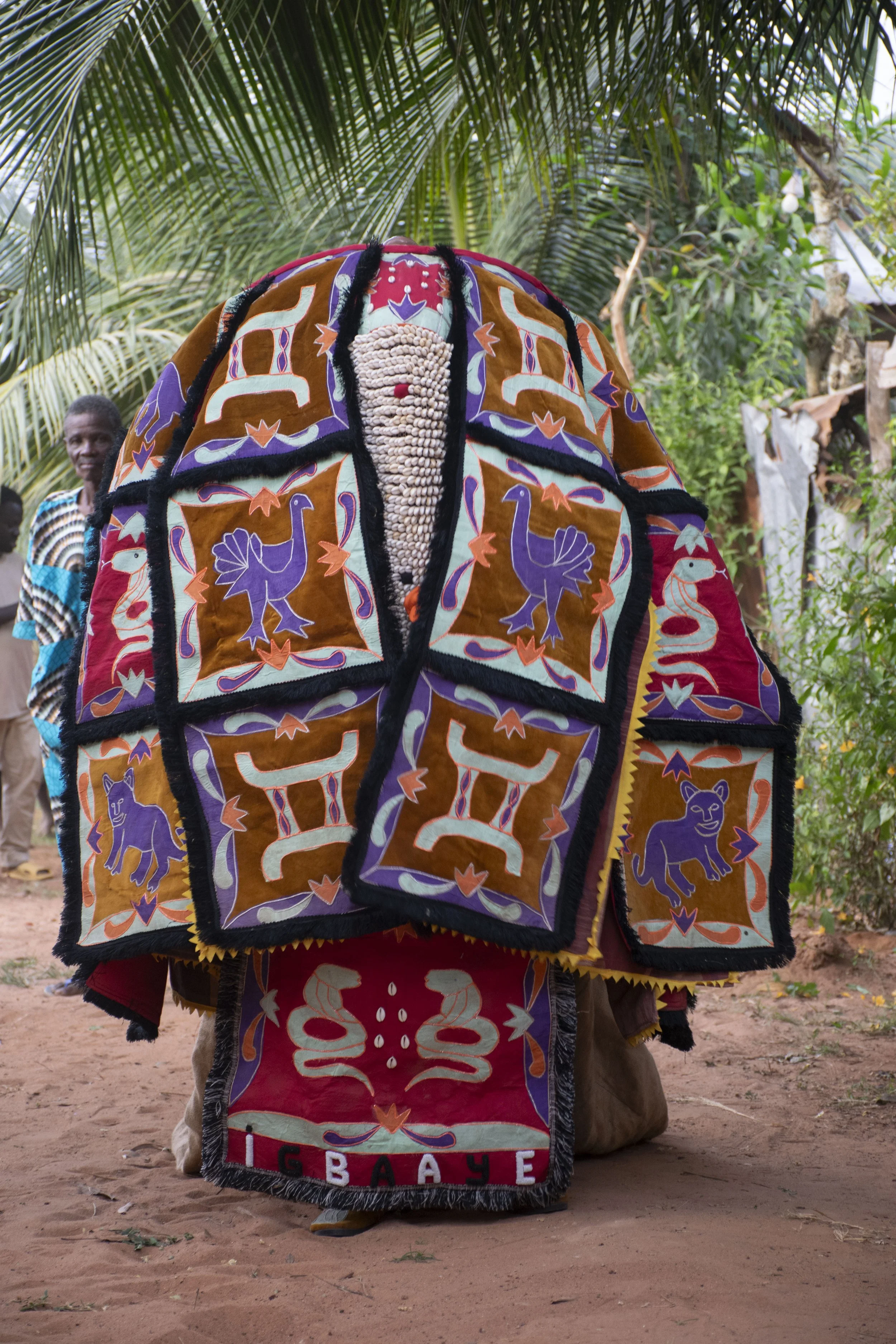
Some costumes feature animal motifs or symbolic objects. The more elaborate the costume, the greater the spiritual power it is believed to carry.
Modern Adaptations in Today’s Yoruba Communities
In 2026, Egungun remains alive and evolving. Festivals in Lagos and Port Harcourt now attract large crowds, including tourists and young people.
Some groups incorporate contemporary music and dance styles while keeping the core rituals. Social media has helped spread videos of stunning performances across the world.
Urban families still sponsor Egungun to mark important occasions like funerals, anniversaries, or thanksgivings. The tradition has become both spiritual and cultural identity statement.
Why Egungun Still Matters for Lineage and Accountability
Egungun constantly reminds people of their roots. It shows that your actions affect not just the present but also how your ancestors view you.
The masquerades praise good behavior and subtly (or directly) call out wrongdoing. This public accountability helps maintain strong community values.
For younger generations, participating in or watching Egungun strengthens pride in Yoruba heritage and encourages respect for elders and family history.
Common Questions Answered
What does Egungun mean?
Egungun means “bone” or “skeleton,” referring to the spirits of the dead ancestors.
Are women allowed to perform as Egungun?
Traditionally, core Egungun performers are men, but women play vital roles in singing, organizing, and supporting the festivals.
Is Egungun the same as other Yoruba masquerades?
No. Egungun specifically represents ancestors. Other masquerades like Gelede or Epa have different spiritual purposes.
Can outsiders watch Egungun festivals?
Yes. Most public performances welcome respectful visitors, though some sacred parts remain private for initiated members.
Do Egungun still discipline people?
In some communities, certain Egungun lightly whip or chase people as a traditional form of correction or blessing. It is usually done in good spirit.
How dangerous is it to touch an Egungun?
Tradition says you should not touch the costume. Doing so disrespects the spirit. Most performers maintain safe distance from the crowd.
Final Thoughts: Living Connection to the Ancestors
Egungun masquerades turn belief into breathtaking theater. They bring ancestors into the streets in spectacular costumes and powerful movement. More than entertainment, they keep families connected to their past while guiding behavior in the present. In a fast-changing world, this tradition continues to offer identity, accountability, and wonder.
Ready to Dive Deeper into Yoruba Traditions?
NKENNE is your guide to authentic Yoruba language, culture, and living heritage. Explore more on Ile-Ife, ibeji traditions, or everyday phrases that bring these stories alive. Join our community for rich lessons, cultural insights, and practical ways to connect with your roots. Your journey into Yoruba depth continues here. 😊