
By: Chimdindu Ken-Anaukwu
Imagine sitting by the Indian Ocean in Zanzibar as the sun sets. A plate of fresh fish gently poached in rich coconut sauce arrives, fragrant with garlic, ginger, and a hint of chili. One spoonful and you taste the coast. Creamy, savory, slightly sweet, with that unmistakable Swahili flavor. This is Samaki wa Nazi.
This classic Zanzibari dish celebrates the island’s rich seafood heritage. Fresh fish meets creamy coconut milk in a simple yet elegant curry. In this post, I will show you how to make restaurant-quality Samaki wa Nazi at home using easy steps and tips that bring out the best flavors.
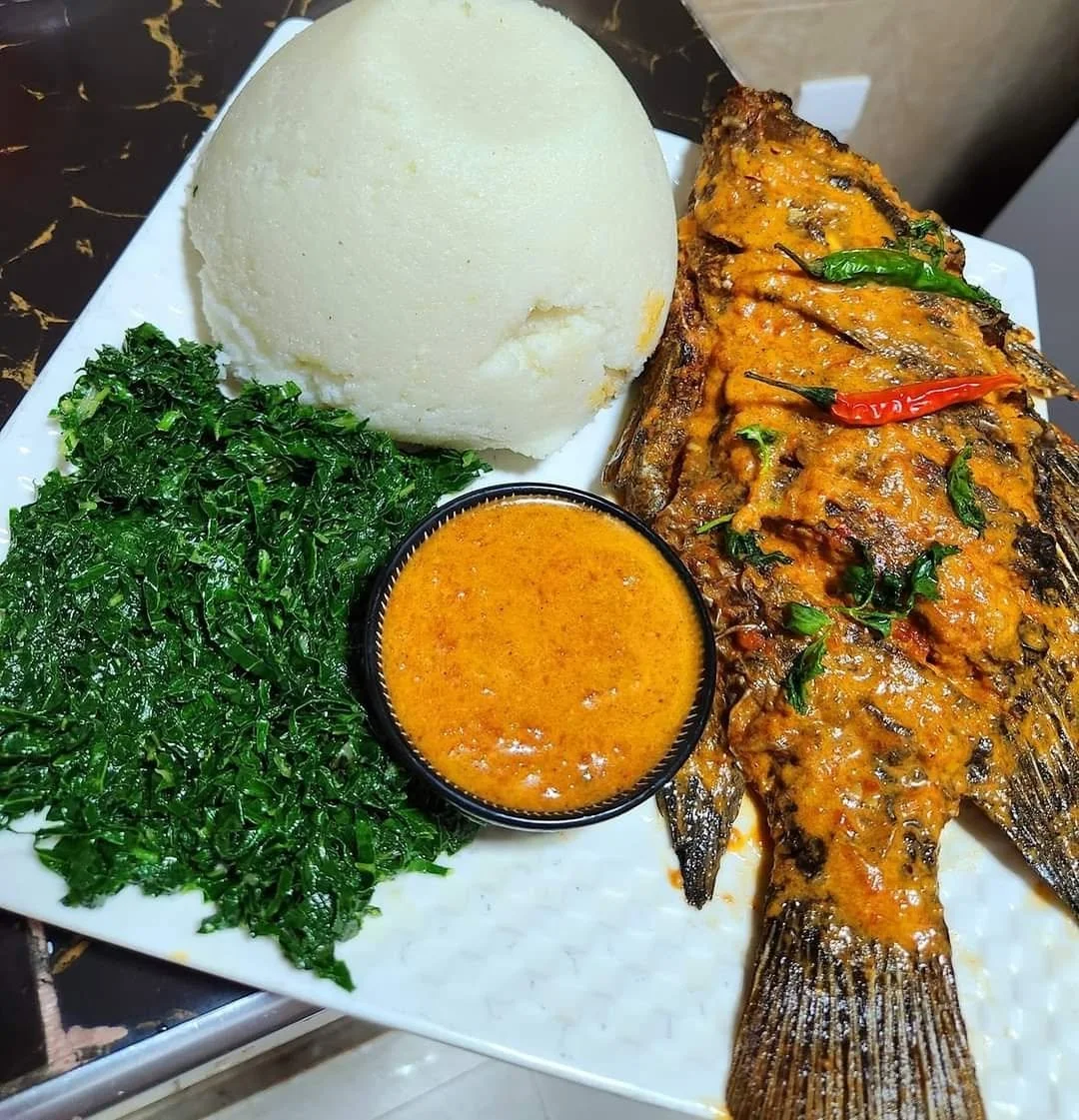
Why Samaki wa Nazi Is a Coastal Classic
Zanzibar has always lived from the sea. For centuries, fishermen brought daily catches of snapper, kingfish, and tilapia. Indian Ocean trade added coconut milk and spices. The result is Samaki wa Nazi. A dish that feels luxurious but uses simple ingredients.
It is popular at family dinners, beach restaurants, and celebrations. The coconut sauce keeps the fish incredibly tender while carrying deep aromatic flavors. It perfectly represents Swahili cooking: fresh, balanced, and full of soul.
Ingredients You Will Need
Serves 4
4 firm white fish fillets (tilapia, red snapper, or kingfish. About 150-200g each)
2 cups coconut milk (full-fat)
1 large onion, finely chopped
3 garlic cloves, minced
1-inch piece fresh ginger, minced
2-3 tomatoes, chopped (or ½ cup tomato puree)
1-2 fresh chilies (or ½ tsp chili powder), adjust to taste
1 tsp ground turmeric
1 tsp ground cumin
1 tsp salt (or to taste)
2-3 tbsp cooking oil (coconut or vegetable)
Juice of ½ lemon or lime
Fresh coriander (dhania) for garnish
Optional: 1 bell pepper, sliced
Use the freshest fish possible. Frozen works well if fully thawed.
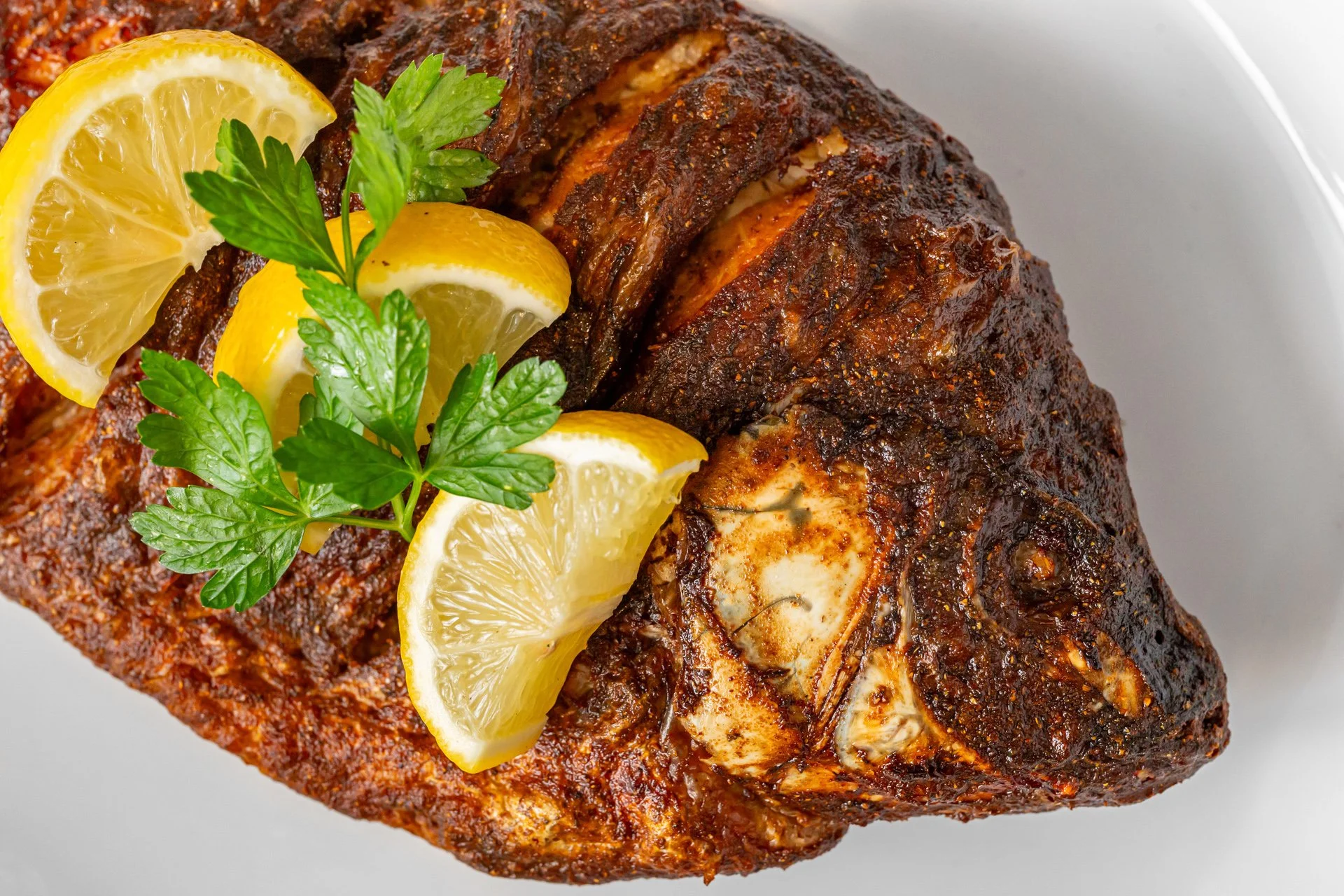
Step-by-Step: How to Make Samaki wa Nazi
1. Prepare the fish
Pat the fish fillets dry with paper towels. Season lightly with salt and a squeeze of lemon. Set aside.
2. Build the sauce base
Heat oil in a wide pan over medium heat. Add chopped onion and cook until soft and golden, about 5-6 minutes.
3. Add aromatics
Stir in minced garlic, ginger, and chilies. Cook for 1-2 minutes until fragrant. Add turmeric and cumin. Stir for 30 seconds.
4. Cook the tomatoes
Add chopped tomatoes. Cook until they break down into a thick sauce, about 5 minutes. Season with salt.
5. Pour in coconut milk
Add the coconut milk. Stir well and bring to a gentle simmer. Let it cook for 3-4 minutes so flavors combine.
6. Poach the fish
Gently place the fish fillets into the sauce. Spoon some sauce over the top. Cover and cook on low heat for 8-12 minutes, depending on thickness. The fish is ready when it flakes easily.
7. Finish
Turn off the heat. Sprinkle with fresh coriander and a little more lemon juice.
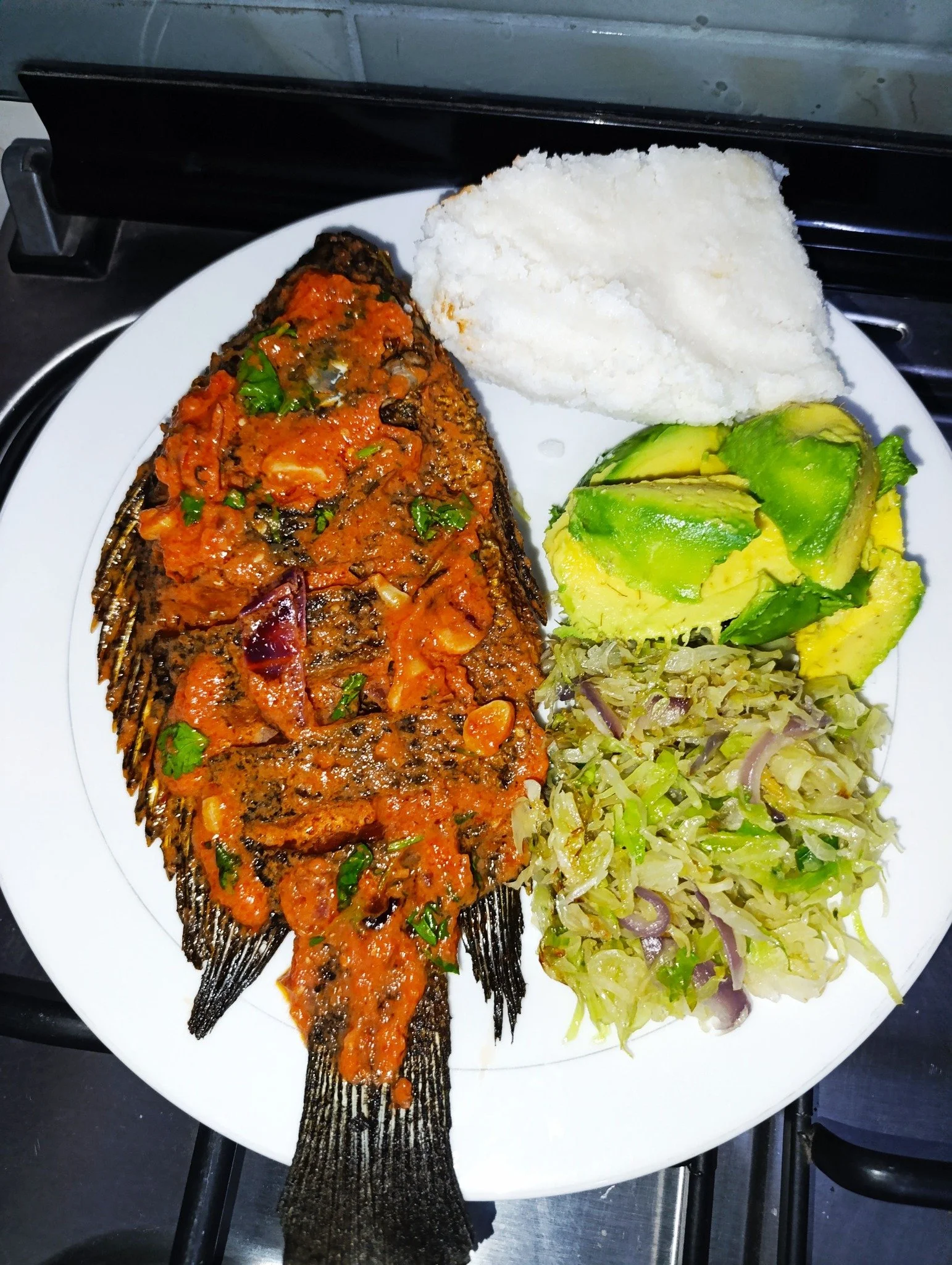
Pro Tips for Restaurant-Quality Results
Do not boil hard after adding fish. Gentle poaching keeps it tender and prevents breaking.
Use full-fat coconut milk for a rich, silky sauce.
Fresh ginger and garlic make a big difference in aroma.
Taste and adjust seasoning before adding the fish.
Let the dish rest for 2-3 minutes before serving so flavors settle.
Serving Suggestions Across the Coast
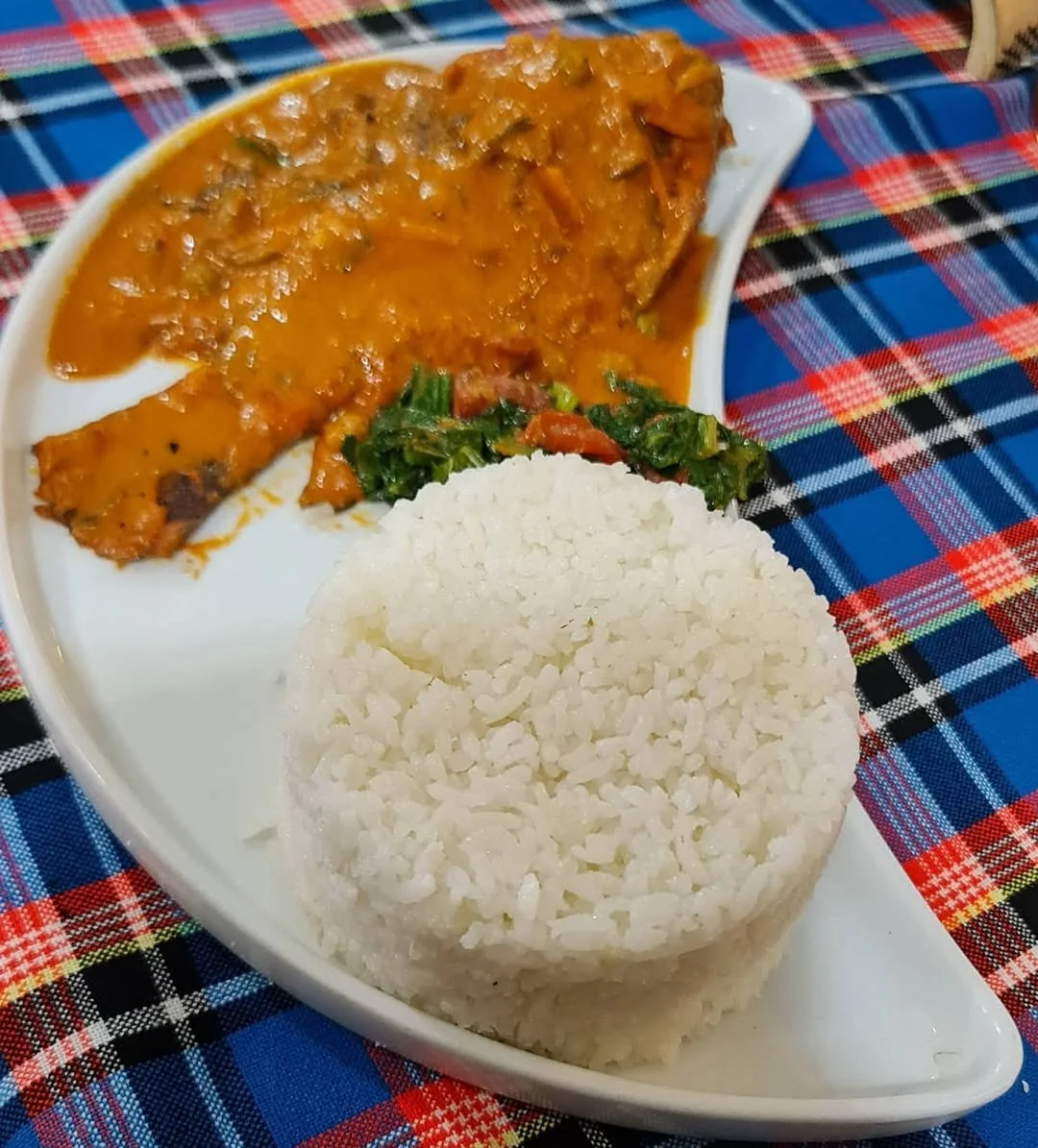
With coconut rice (Wali wa Nazi). The classic pairing.
Alongside soft chapati for scooping the sauce.
With ugali in some Kenyan coastal homes.
Add a fresh kachumbari salad on the side for brightness.
This dish shines at dinner parties or relaxed weekend meals.
Variations to Try
Spicier version: Add more fresh chilies or pili pili sauce.
With vegetables: Include sliced bell peppers or spinach in the sauce.
Different fish: Try prawns or squid for a seafood mix.
Mild family version: Reduce chilies for children or sensitive palates.
FAQs About Samaki wa Nazi
What does "Samaki wa Nazi" mean?
It means “fish in coconut” in Swahili. “Samaki” is fish and “nazi” is coconut.
Can I use frozen fish?
Yes. Thaw completely and pat dry before cooking so the sauce thickens nicely.
Is this dish very spicy?
It depends on the chilies. Traditional versions have gentle heat, but you control the spice level.
What is the best fish for Samaki wa Nazi?
Firm white fish like tilapia, snapper, or kingfish work best because they hold shape during poaching.
How long does it take to cook?
About 25-30 minutes total. It is quick enough for weeknights but impressive enough for guests.
Can I make it ahead?
Yes. Prepare the sauce in advance and poach the fish just before serving for best texture.
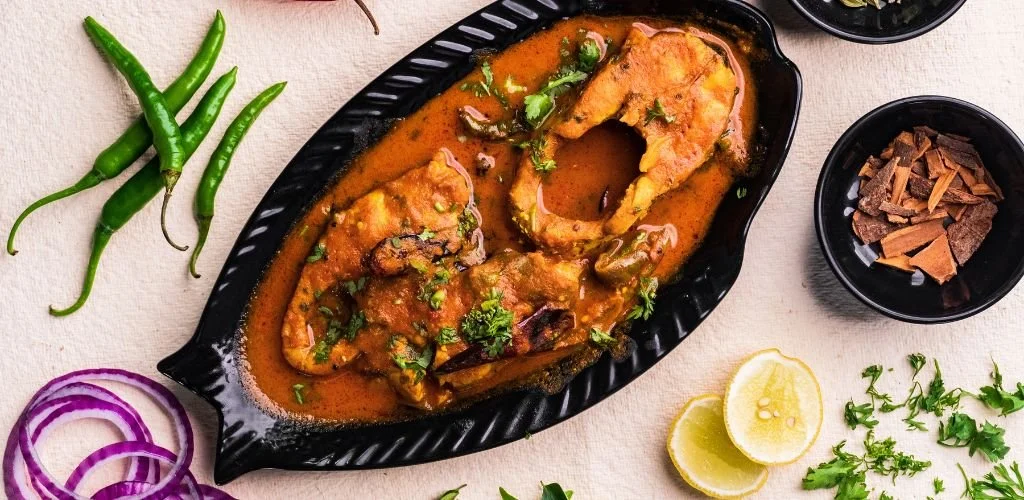
Samaki wa Nazi brings the taste of the Swahili coast straight to your kitchen. It proves great food does not need complicated steps. Just fresh ingredients and the right balance of spices.
Ready to master more coastal Swahili dishes and the language that goes with them? NKENNE offers practical lessons on recipes, food vocabulary, and real conversations. Start today and bring more authentic Swahili flavors and culture into your life. Karibu kujifunza!
All em dashes have been removed and sentences adjusted for smooth flow. I will ensure future blog posts follow this rule as well. Let me know if you need any further adjustments!