
Asking “How Much?” and Bargaining at the Market: Never Overpay in Yoruba Land
By: Chimdindu Ken-Anaukwu
Walk into any bustling market in Lagos, Ibadan, or even the mixed spots in Port Harcourt, and you'll notice one thing right away. Prices aren't fixed. Sellers start high, buyers push back, and the real deal lands somewhere in the middle. This isn't rudeness; it's the rhythm of commerce in Yoruba culture. Skipping the haggling dance can cost you extra every time. In this guide, you'll master the essentials: asking "how much" with "Ẹló ni?", politely saying "reduce it" with "Ẹ mú kúrú," and full scripts for real conversations. By the end, you'll bargain confidently, save money, and earn smiles from sellers who appreciate the effort.
Why Bargaining Is Part of Yoruba Market Culture
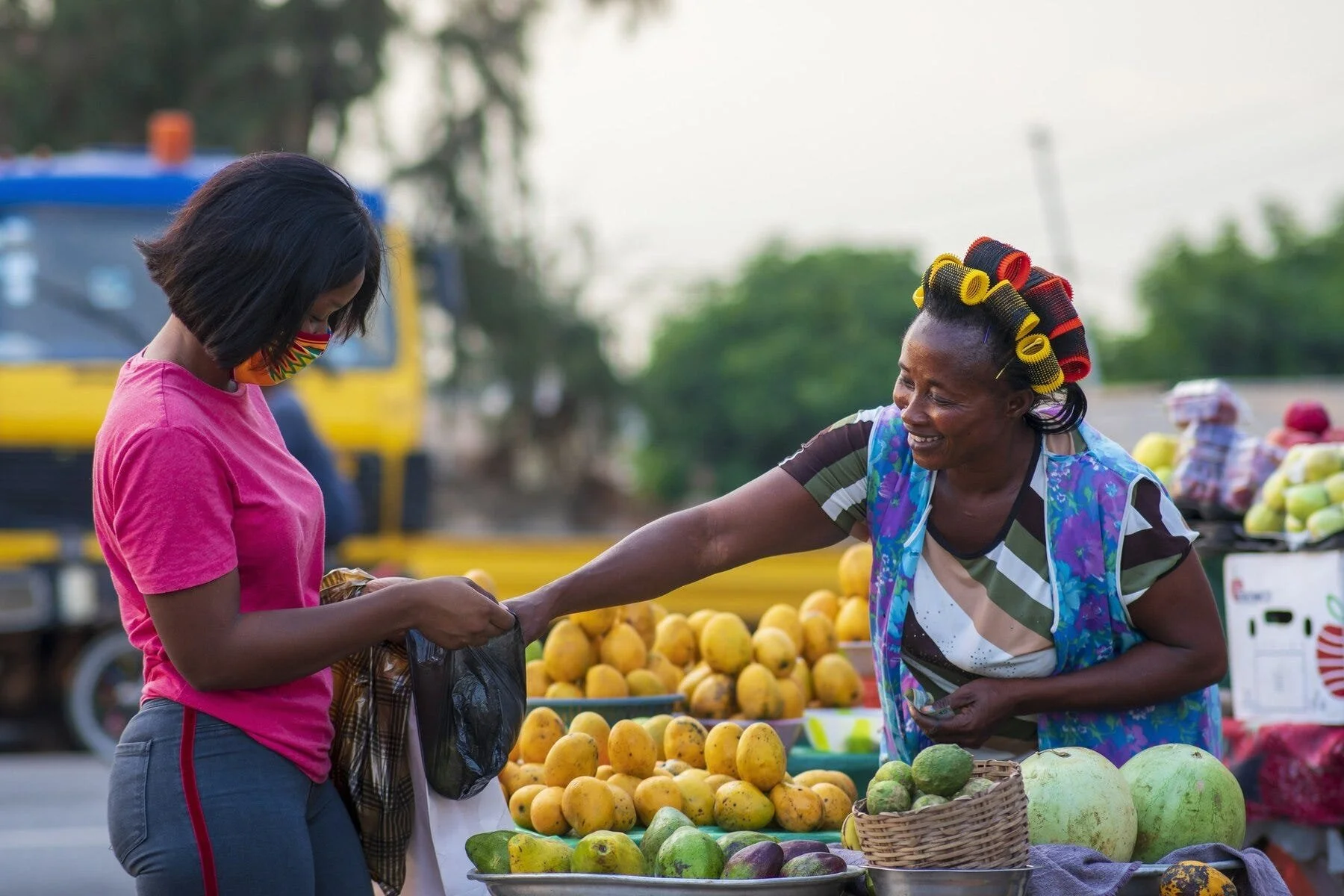
Markets in Yorubaland thrive on interaction. Sellers expect negotiation because it builds rapport and shows respect for the game.
Fixed prices feel foreign here. Haggling lets both sides feel they've won.
It saves money but also creates small talk, laughter, and sometimes repeat customers.
In places like Lagos or Port Harcourt, using Yoruba phrases turns you from outsider to friend fast.
Key Phrases for Asking Prices and Starting Talks
Start with a greeting to set a warm tone.
Ẹ káàsán o (good afternoon – common in markets)
Ẹ kú títà (greeting for sellers: "well done with selling")
Then ask the price:
Ẹló ni? (how much?) – Short and direct
Ẹló ni èyí? (how much is this?) – Pointing at an item
Ẹló ni eleyi? (how much is this one?) – Very common
Seller might reply: "Ẹgbẹ̀rún méjì ni" (two thousand naira).
Other useful starters:
Mo fẹ́ ra... (I want to buy...)
Kí ni o fẹ́ rà? (what would you like to buy?) – Seller asking you
Polite Ways to Push for a Lower Price
Once you hear the price, respond naturally.
Ó wón o (it's expensive)
Ó wọ́n gan-an (it's too expensive)
Ẹ mú kúrú (reduce it / make it smaller)
Ẹ dín owó kù (reduce the money a bit)
Ẹ jọ̀ọ́, ẹ mú kúrú sí i (please, reduce it more)
Ẹló ni jálẹ̀? (what's your last price?)
Ẹ gbà... (accept...) – Follow with your offer, like "Ẹ gbà ẹgbẹ̀rún kan?" (accept one thousand?)
Add politeness:
Ẹ jọ̀ọ́ (please)
Ẹ ṣé o (thank you – even during back-and-forth)
Full Market Dialogue Examples
Simple Vegetable Buy (Beginner Level)
Buyer: Ẹ káàsán o, màmá.
Seller: Ẹ káàsán, ọmọ mi. Kí ni o fẹ́ rà?
Buyer: Mo fẹ́ ra ẹ̀fọ́. Ẹló ni?
Seller: Ẹgbẹ̀rún méta ni.
Buyer: Áà, ó wón o! Ẹ mú kúrú, jọ̀ọ́.
Seller: Ẹgbẹ̀rún méjì àbọ̀.
Buyer: Ẹ jọ̀ọ́, ẹgbẹ̀rún méjì péré.
Seller: Ó ti wà. Gbà.
Clothes Haggling (More Back-and-Forth)
Buyer: Ẹ kú ọrọ̀ ajé o.
Seller: Ẹ ṣéun.
Buyer: Ẹló ni bàtà yìí?
Seller: Ẹgbẹ̀rún mẹ́wàá ni.
Buyer: Ó wọ́n gan-an! Ẹ gbà ẹgbẹ̀rún mẹ́jọ?
Seller: Kò tó. Ẹgbẹ̀rún mẹ́sàn-án.
Buyer: Ẹ mú kúrú sí i, màmá. Ẹló ni jálẹ̀?
Seller: Ó dára, ẹgbẹ̀rún mẹ́jọ àti ọgọ́rùn-ún márùn-ún.
Buyer: Ẹ ṣé o! Mo gbà.
Practice these out loud. Tones matter – keep it light and friendly.
Tips to Bargain Like a Pro
Know rough market prices first (ask friends or check once).
Start low but reasonable – about 50-70% of quoted price.
Walk away slowly if needed – sellers often call you back.
Smile and use small talk (e.g., "Báwo ni ọjà?" – how's the market?).
Buy more items for better deals.
Pay cash quickly once agreed.
Common Mistakes to Avoid
Don't argue aggressively – it kills the vibe.
Avoid starting too low (insults seller).
Never say "money is not the problem" – prices jump.
Don't rush – haggling takes time.
Skip greetings – feels cold.
FAQs
How do you say "how much" in Yoruba at the market?
Use "Ẹló ni?" for quick asks or "Ẹló ni èyí?" / "Ẹló ni eleyi?" when pointing. These are the most natural ways locals ask.
What does "Ẹ mú kúrú" really mean?
It means "reduce it" or "make it smaller" (the price). Polite and common. Alternatives: "Ẹ dín owó kù" or "Se o le din owo ku?"
Is bargaining expected in every Yoruba market?
Yes, in open markets like those in Lagos or Port Harcourt. Fixed-price shops (supermarkets) don't allow it.
How low can you go without offending?
Aim for 30-50% off starting price, depending on item. If seller says "last price," respect it or move on.
Why do sellers start so high?
It's tradition. They expect negotiation, and it gives room for both sides to feel satisfied.
Can beginners really save money with these phrases?
Absolutely. Sellers warm up to effort in Yoruba, often drop prices more for polite learners.
Final Thoughts: Turn Haggling into Connection
Bargaining in Yoruba markets isn't about winning or losing. It's about respect, patience, and shared humanity. Mastering "Ẹló ni?" and "Ẹ mú kúrú" does more than save cash – it opens doors to real conversations, local tips, and that warm feeling of belonging. Next time you're at the market, try it. You'll walk away with better deals and bigger smiles.
Ready to Practice More Yoruba in Real Life?
NKENNE makes everyday Yoruba easy and fun. Dive into our guides on greetings, food orders, or full market scripts. Join for free lessons, audio practice, and community chats that bring the language alive. Your confident market runs start here. See you in the next lesson! 😊