
Taarab Music: The Soulful Soundtrack of the Swahili Coast (From Zanzibar Nights to Global Beats)
By: Chimdindu Ken-Anaukwu
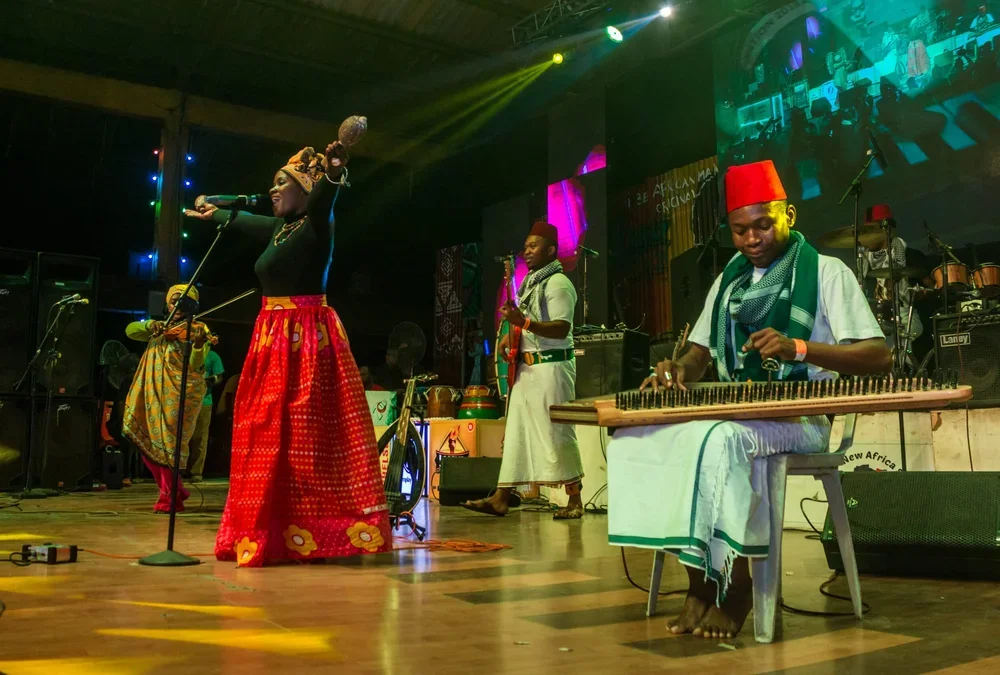
Picture a warm Zanzibar evening. Strings weep gently. A qanun sparkles like distant stars. Percussion pulses with life. A voice rises, telling stories of love, longing, or gentle shade. That's taarab. It hits you in the chest. It makes you sway. You might even close your eyes for a second. This isn't background music. It's the heartbeat of coastal celebrations.
Taarab blends Arab melodies, Indian rhythms, African percussion, and touches of Western instruments into something uniquely Swahili. Born in Zanzibar over a century ago, it still lights up weddings, parties, and quiet nights. In this post, you'll get the real story. Its roots. Legendary voices. The instruments that make it hypnotic. How it keeps evolving today.
What Is Taarab and Where Did It Come From?
Taarab comes from the Arabic word "tariba." It means to be moved or enraptured by beauty. It fits. The music started in Zanzibar in the late 1800s under Sultan Seyyid Barghash. He loved luxury. He brought Egyptian musicians to his palace. What began as court entertainment spread to weddings and community events.
By the early 1900s, it had Swahili lyrics and local flavor. Trade routes carried influences. Arab from Oman and Egypt. Indian from merchants. African from coastal rhythms. It became the sound of the Swahili coast, from Lamu to Dar es Salaam to Mombasa.
The Magical Blend: Instruments and Influences
Taarab's sound is a true fusion. Arab elegance meets Indian groove, African drive, and Western polish.
Key instruments include:
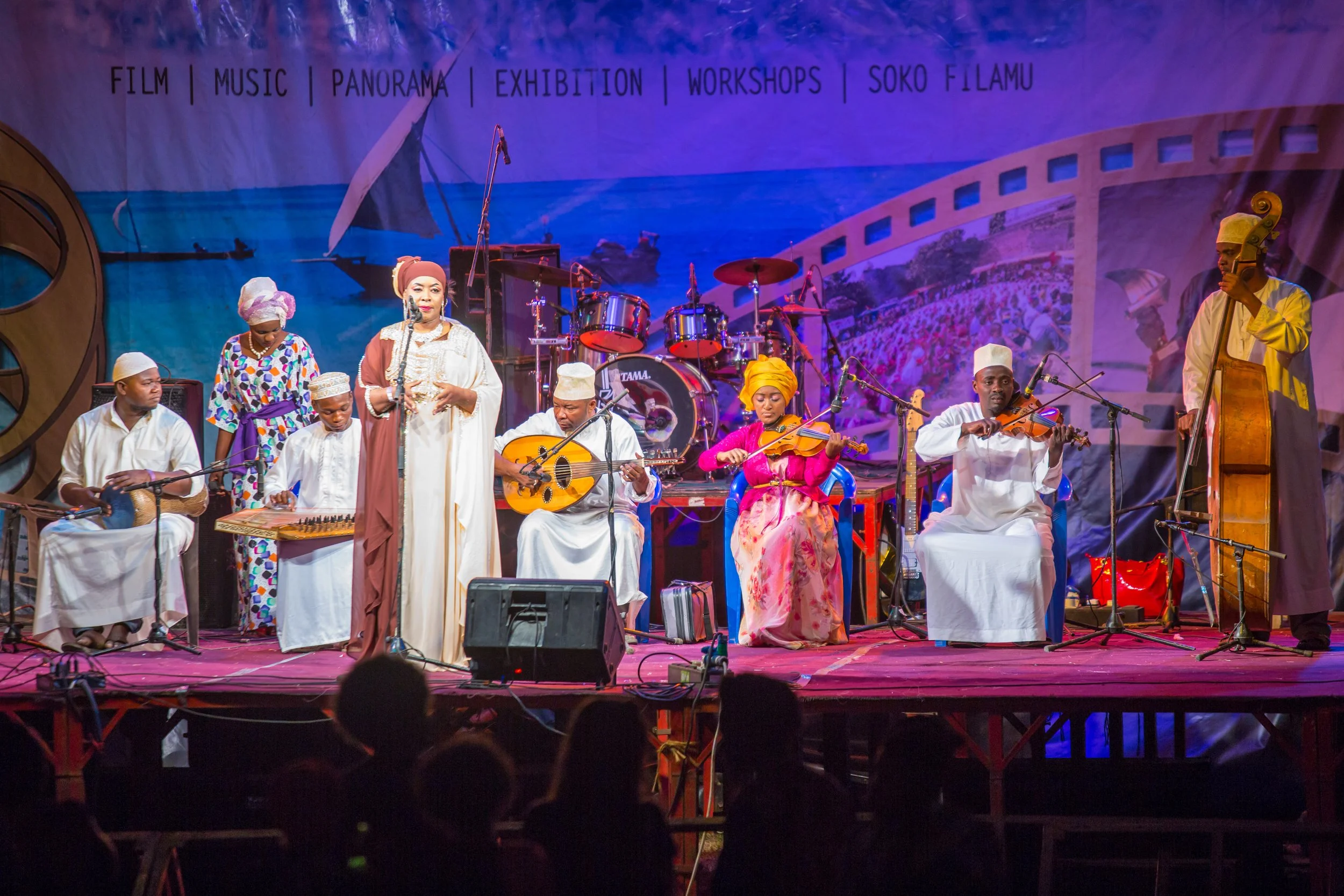
Oud — pear-shaped lute for melancholic melodies (Arab root).
Qanun — plucked zither that adds shimmering runs (Middle Eastern).
Violins — Western strings for soaring lines.
Accordion or keyboard — modern touches for harmony.
Tabla or dumbek — Indian and Arab drums for rhythm.
Riqq or local percussion — hand drums that keep the pulse African.
The result is hypnotic layers. Slow builds. Emotional peaks. Rhythms that make you move. Traditional taarab stays poetic and subtle. Modern versions speed up. They add pop flair. They go bolder with lyrics.
Legendary Voices That Shaped Taarab
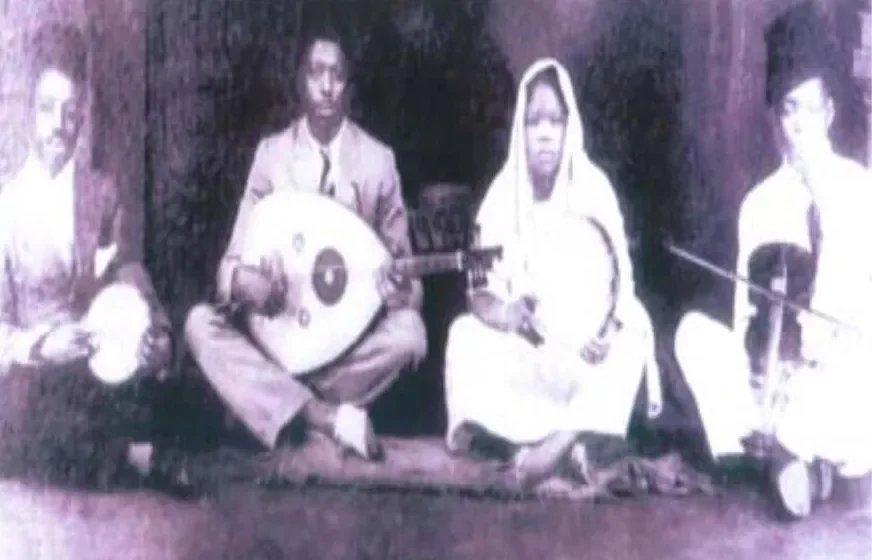
Women lead the story here. Siti binti Saad, born around 1880, changed everything. From humble roots, she became the first East African woman to record commercially, in India for Columbia Records. Her Swahili lyrics gave voice to everyday people, especially women. She sang about love, society, and life with wit and depth.
Then came Bi Kidude (Fatuma binti Baraka), the "queen of taarab." Born around 1910, she performed into her 100s with raw power and presence. Her voice carried unyago (women's initiation songs) too. She kept the tradition alive globally.
Other greats include Culture Musical Club ensembles and modern artists like Siti Muharam (Siti binti Saad's great-granddaughter). These voices turn poetry into emotion.
Taarab at Weddings and Evening Parties
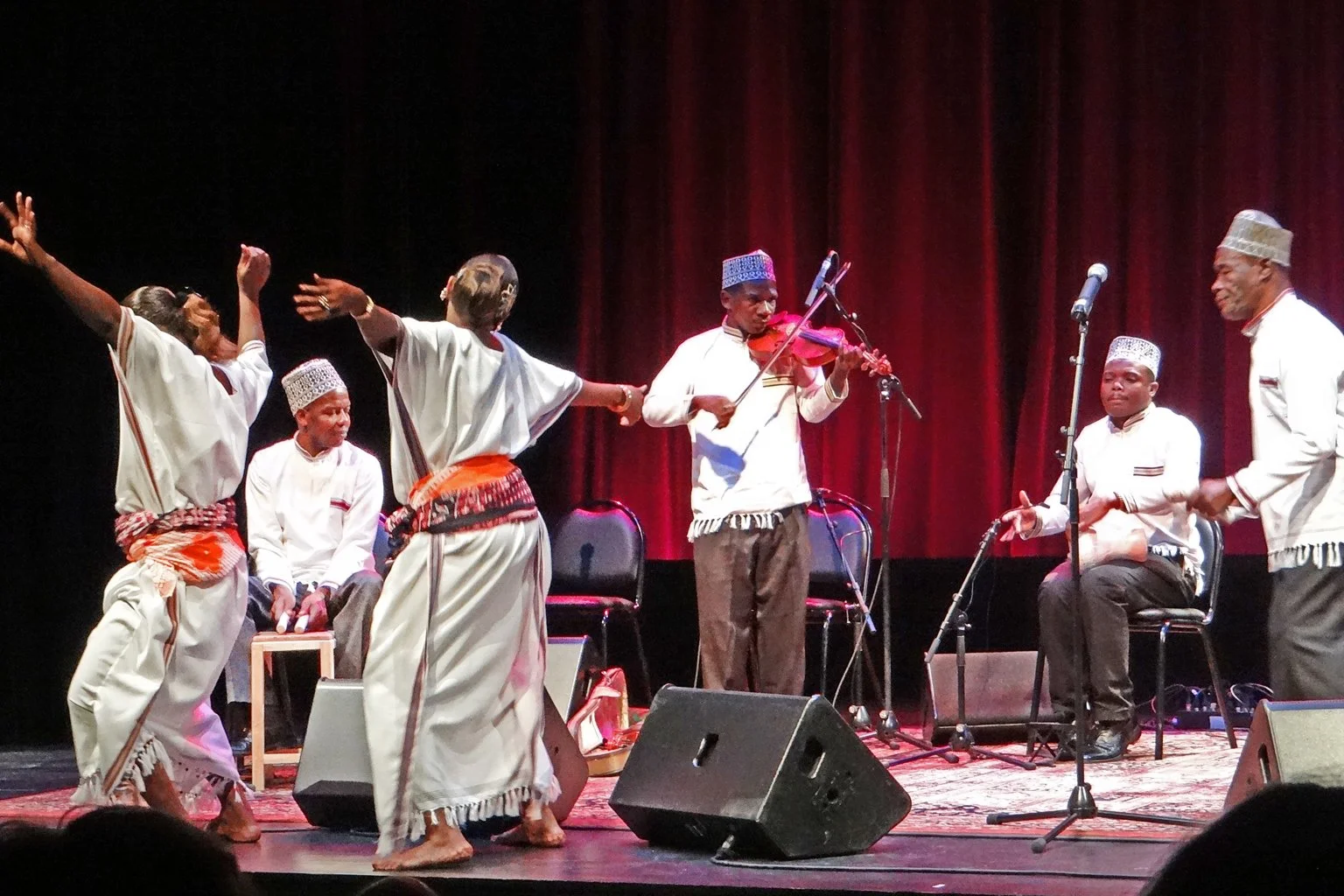
No Swahili wedding feels complete without taarab. It plays during henna nights, the kupamba (bride's display), and the walimah feast. Guests dance. Women ululate. Men sway. Lyrics often comment on the couple or life, poetic, sometimes teasing.
At evening parties or community events, bands set up. People request songs. They throw money at favorites (a tradition). The vibe is intimate yet electric. Slow songs for reflection. Faster ones for dancing. It builds community. One song can last 10-15 minutes as the crowd responds.
In Zanzibar or Mombasa, you might catch it at a street celebration or festival. It's living tradition.
From Zanzibar Nights to Global Stages
Taarab traveled. From palace to streets. Then to recordings. Festivals like Sauti za Busara in Zanzibar showcase it worldwide. Modern groups mix it with bongo flava or global sounds. Artists tour Europe. They collaborate. They keep it fresh.
It's not frozen in time. Young musicians learn at places like Dhow Countries Music Academy. Digital platforms spread old recordings and new twists. Taarab proves Swahili culture adapts while staying rooted.
Quick Tips to Experience Taarab Yourself
Listen to classics: Siti binti Saad's recordings or Bi Kidude's powerful tracks.
Attend if you can: Sauti za Busara festival or local coastal events.
Start simple: Search "Zanzibar taarab playlist" for that hypnotic flow.
Pair it: Play during dinner or a chill evening. Let it transport you.
FAQs About Taarab Music
What does taarab mean?
It comes from Arabic "tariba," meaning to be emotionally moved or ecstatic by music and beauty.
Where did taarab originate?
Zanzibar in the late 1800s, introduced by Omani sultans and Egyptian musicians, then spread along the Swahili coast.
What instruments are typical in taarab?
Oud, qanun, violins, accordion, tabla, dumbek, and local percussion. They blend Arab, Indian, African, and Western elements.
Who are the most famous taarab singers?
Siti binti Saad (the pioneer), Bi Kidude (the queen), and modern voices like Siti Muharam or Culture Musical Club members.
How is taarab used in weddings?
It soundtracks henna nights, bridal displays, and feasts. It creates joy, dance, and emotional connection.
Is taarab still popular today?
Yes. It thrives at events, festivals, and through modern fusions. It keeps Swahili coastal heritage alive globally.
Taarab isn't just music. It's emotion wrapped in melody. History in every note. It shows how the Swahili coast turned influences into something beautiful and shared. Listen once, and you'll understand why it still moves people after all these years.
Want to feel it deeper? NKENNE brings Swahili culture to life through language, stories, and sounds. Check our modules on coastal traditions and music vocab. Start exploring today. You'll hear the coast calling. Karibu!