
Understanding Wolof Social Structure: From Geer Nobles to Griot Storytellers
By: Chimdindu Ken-Anaukwu
Many assume West African societies lacked formal hierarchies, but Wolof culture built one of the most organized systems in the region, blending status, skills, and community roles. This setup powered the ancient Jolof Empire and still quietly influences everything from Senegalese weddings to modern music. In this guide, you'll uncover the layers of Wolof castes, their historical roots, and why they matter today, leaving you with a clearer view of this vibrant heritage.
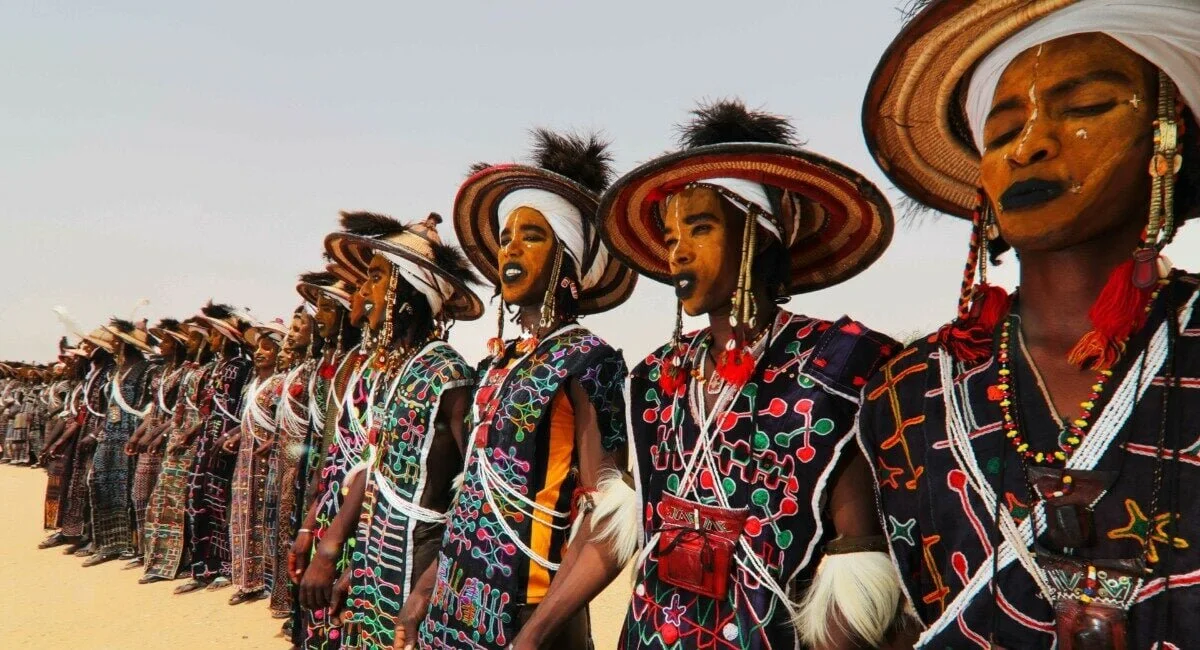
The Foundations of Wolof Social Structure
Wolof social structure revolves around a hereditary hierarchy that divides society into three main castes: geer, ñeenyo, and jaam.
This system emerged during the Jolof Empire around the 14th century, shaped by warfare, trade, and the need for specialized roles.
It emphasized balance. Higher groups provided protection, while lower ones offered essential services like craftsmanship or storytelling.
In practice, this meant everyone knew their place, but it also fostered deep interdependence. No wedding or dispute resolution happened without all layers involved.
Today, in Senegal, this Wolof hierarchy blends with urban life, but its echoes remain in family dynamics and respect protocols.
Geer: The Freeborn Nobles at the Core
Geer form the top tier, the freeborn nobles who historically owned land, led armies, and governed.
They included kings, warriors, and everyday farmers called baadoolo, those tied to the soil but free from servitude.
Geer embodied dignity and restraint. Think of them as the steady backbone, handling agriculture, fishing, and leadership.
In rural Senegal now, geer families often lead village councils, deciding on community matters like water rights or festivals.
A real example: During Tabaski celebrations, geer hosts might oversee the feast, ensuring hospitality flows to all.
This class's influence shows in Wolof proverbs that praise self-control, reminding us why geer status still carries quiet prestige.
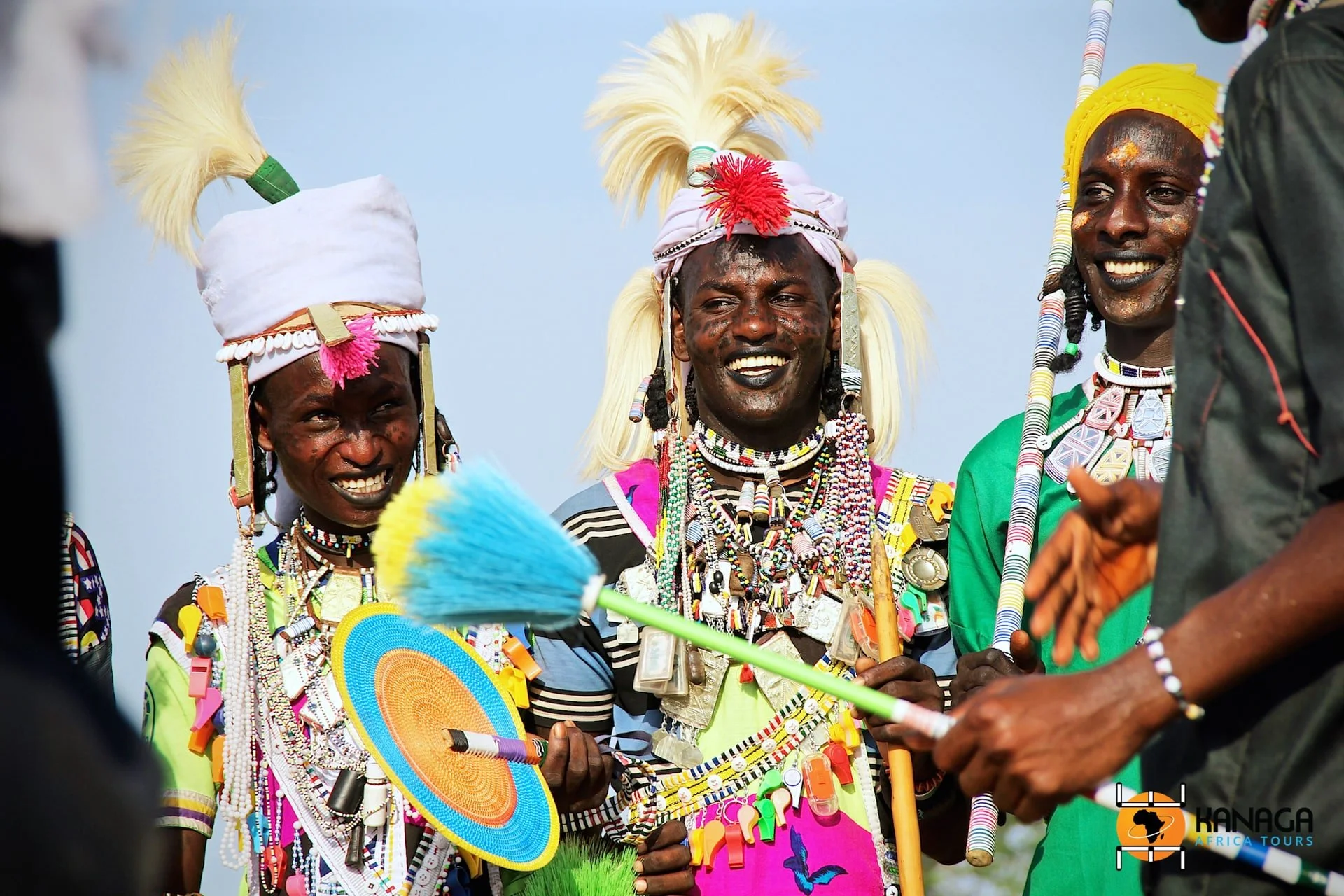
Ñeenyo: Skilled Artisans and Griot Storytellers
Ñeenyo cover the artisan castes, specialists in trades that kept society running smoothly.
Subgroups include blacksmiths (tëgg), who forged tools, and woodworkers, but the stars are griots, or géwël.
Griots serve as oral historians, musicians, and praise-singers. They memorize family lineages, mediate conflicts, and energize events with rhythm.
Imagine a griot at a naming ceremony, drumming on a tama while reciting ancestors' deeds. It's not just entertainment; it's cultural glue.
Their role is paradoxical: vital yet ranked below geer due to their expressive, public nature.
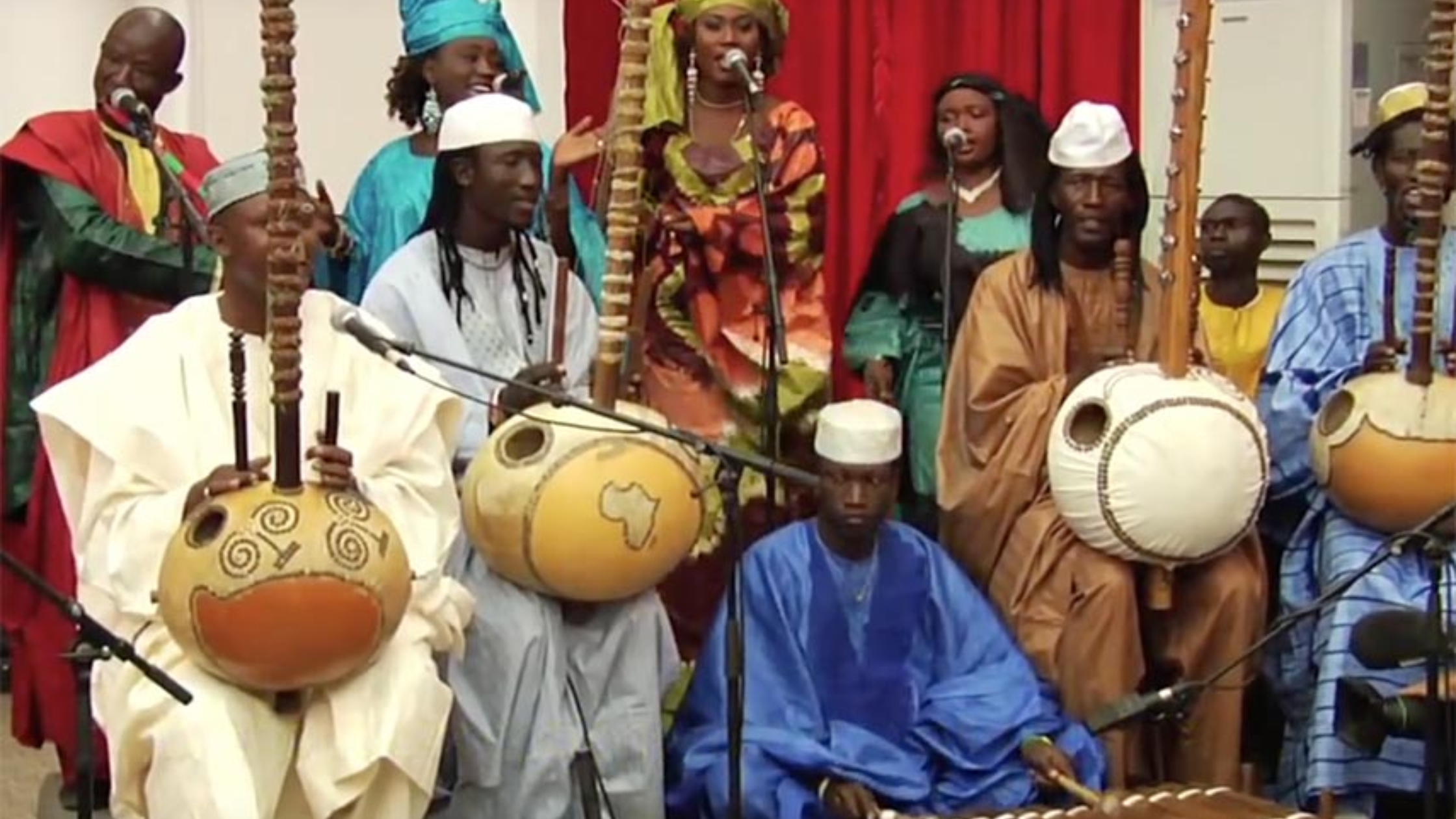
Senegal's Griots: Guardians of Living History
In modern times, griot storytellers like Youssou N'Dour have gone global, fusing tradition with mbalax beats.
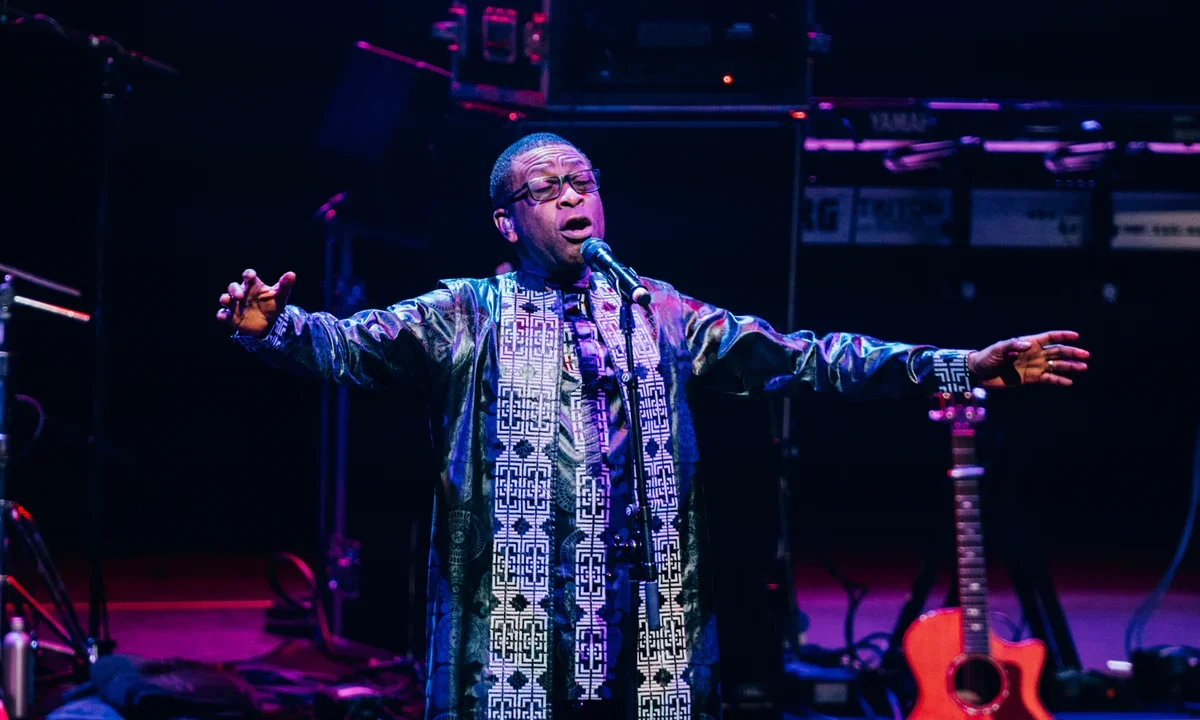
Youssou N'Dour: Senegalese superstar is on magnificent ...
Jaam: The Historical Servile Class
Jaam refers to descendants of those once enslaved, often through war or trade during empire days.
They provided labor in fields or households, sometimes rising in status via loyal service to geer.
Colonial abolition in the late 1800s ended legal slavery, but social markers lingered.
In today's Senegal, jaam descendants thrive in professions, but rural areas might still see subtle biases in marriages.
A practical note: Understanding jaam helps explain why some Wolof avoid certain discussions; it's about respecting history without judgment.
This layer reminds us that Wolof social structure was never static, always adapting to change.
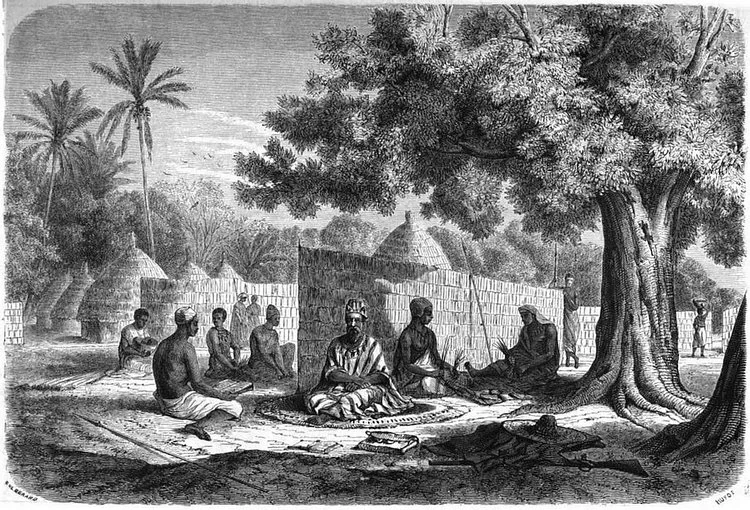
Wolof Empire - World History Encyclopedia
How Wolof Hierarchy Persists and Evolves Today
In 2026 Senegal, Wolof social structure isn't rigid like centuries ago. Urban Dakar mixes everything with education and jobs leveling the field.
Yet persistence shows in endogamous marriages; crossing castes can raise eyebrows, more than ethnic differences.
Griots now dominate media and politics, turning traditional roles into power.
Rural life holds tighter to hierarchy, with geer leading and ñeenyo performing at events.
Modern relevance? It shapes teranga, Senegal's famed hospitality, where roles ensure everyone contributes.
Apply this knowledge: Next time you hear Wolof music, recognize the griot's caste-driven skill. It adds depth to the experience.
FAQ: Common Questions on Wolof Social Structure
What is the main difference between geer and ñeenyo in Wolof castes?
Geer are freeborn nobles focused on leadership and land, while ñeenyo are artisans like griots, specializing in crafts and oral traditions.
How do griot storytellers fit into Wolof hierarchy?
Griots, part of ñeenyo, rank below geer but are essential as historians and musicians, preserving culture through songs and mediation.
Is the Wolof social structure still relevant in modern Senegalese culture?
Yes, subtly in marriages and rural leadership, but urbanization has softened it, allowing more mobility across castes.
What historical events shaped Wolof castes?
The Jolof Empire's wars and trade in the 14th–19th centuries created the system, with colonial abolition later easing servile roles.
Can someone change their caste in Wolof society today?
Caste is hereditary, but modern life prioritizes achievement over birth, letting individuals transcend traditional limits through education.
Why is understanding Wolof hierarchy important for learners?
It unlocks cultural nuances in language, etiquette, and events, making interactions in Senegal more respectful and meaningful.
Wrapping Up: Why This Matters for Cultural Pride
Grasping Wolof social structure reveals a system built for resilience, where every role, from geer nobles to griot storytellers, strengthened the whole. It's a reminder of Africa's sophisticated past, evolving into today's dynamic Senegal. Knowing this fosters pride in heritage that values community over individualism.
Ready to apply this insight? Dive into Wolof language basics with NKENNE's courses, where culture and conversation come alive. Start your journey today and connect deeper with this rich world.