Umuganda: Rwanda's Monthly Community Service Day That Builds a Nation
By: Chimdindu Ken-Anaukwu
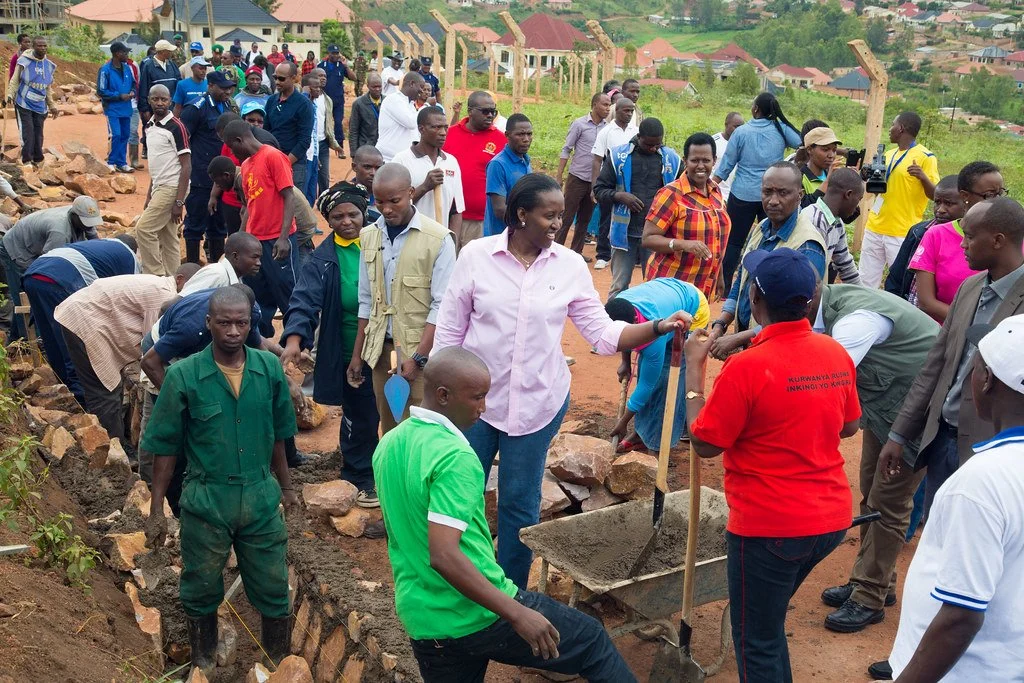
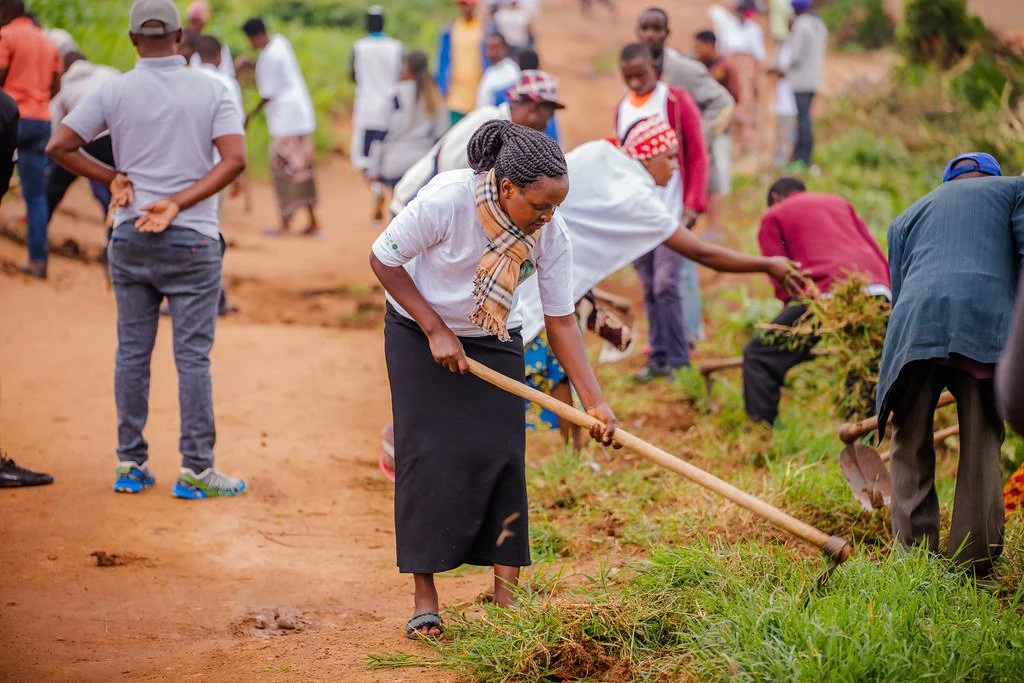
Every last Saturday of the month, across Rwanda, streets become quiet as people step out with tools, brooms, and hoes. From cities to remote villages, citizens of all ages come together to clean, plant trees, repair roads, and build homes for the vulnerable. This is Umuganda, one of the most powerful examples of community spirit in the world today.
In this guide, you will understand what Umuganda really means, its history, how it works in modern Rwanda, and why it continues to shape the nation. You will also see practical ways visitors and diaspora can appreciate and even participate in this unique tradition.
What Umuganda Really Means
Umuganda is a Kinyarwanda word that translates to “coming together for a common purpose” or “communal work.”
It represents the deep cultural value of collective effort for the greater good. The practice existed long before modern Rwanda, but today it stands as a symbol of unity, responsibility, and national rebuilding.
The History and Revival of Umuganda
Umuganda has roots in traditional Rwandan society, where communities worked together on big tasks such as building houses or clearing land.
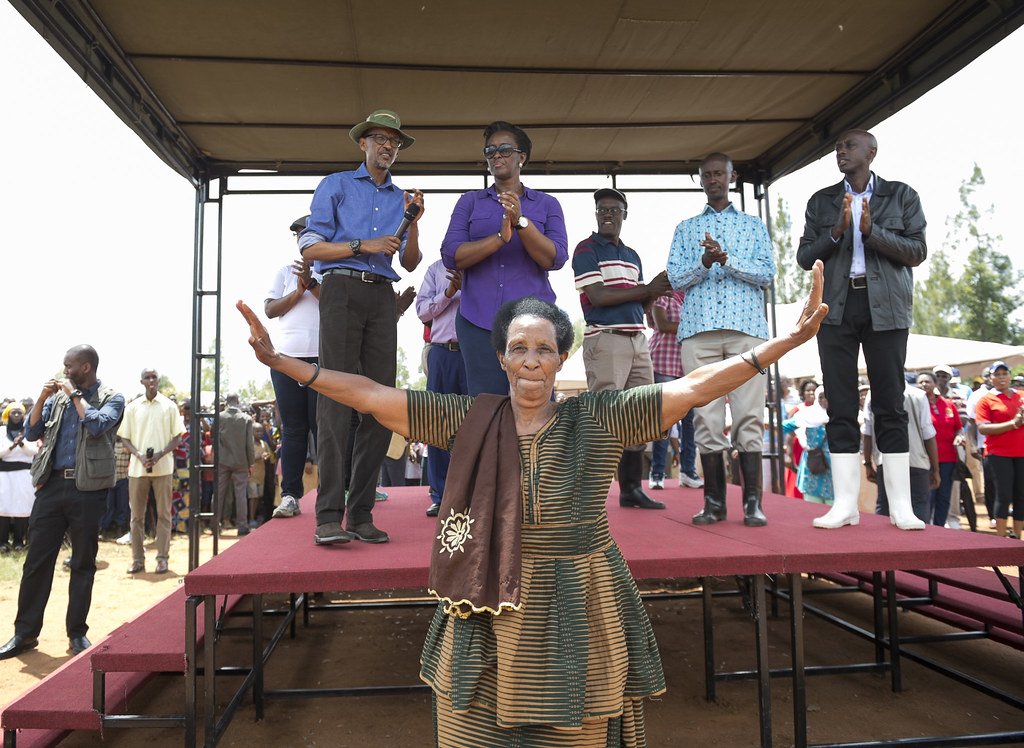
After the 1994 Genocide against the Tutsi, the government revived and formalized Umuganda as a tool for healing, reconciliation, and rapid development. What began as a way to rebuild destroyed infrastructure has grown into a monthly rhythm that reinforces the idea that every citizen has a role in making Rwanda better.
How Umuganda Works Today
Umuganda takes place on the last Saturday of every month, from 8:00 AM to 11:00 AM.
During these three hours, normal business activities stop in most areas so that citizens can participate. All able-bodied Rwandans between 18 and 65 years old are expected to join.
Local leaders organize the activities based on community needs. Everyone works side by side, regardless of social status, job, or background.
What People Actually Do on Umuganda Day
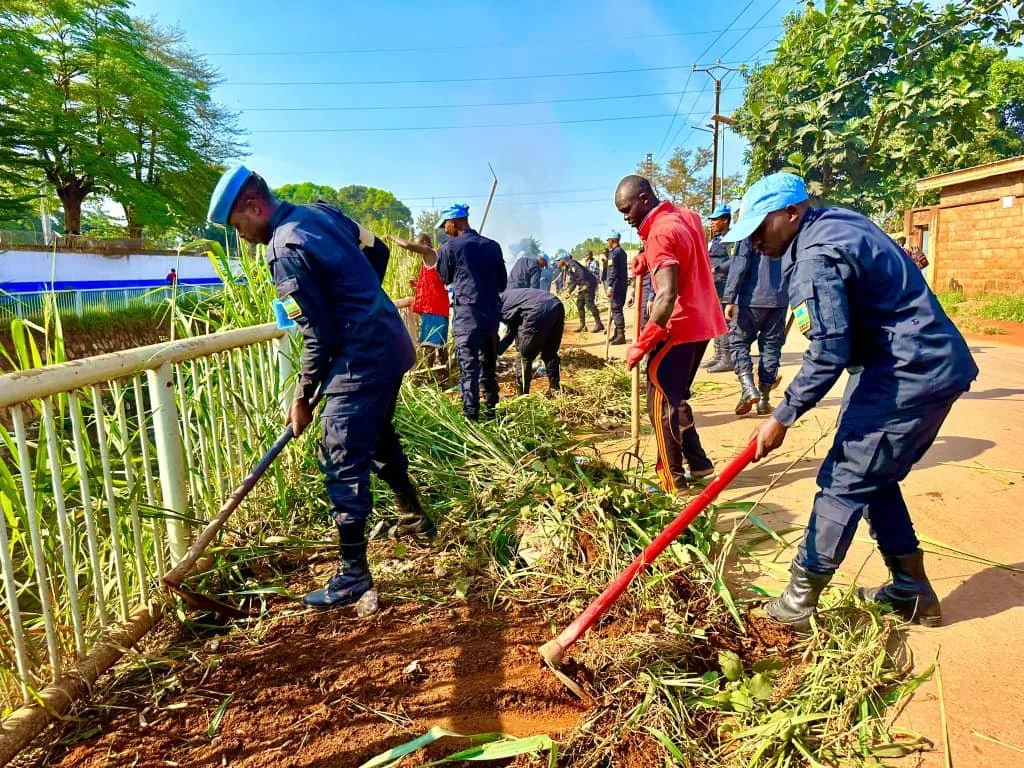
Activities vary by neighborhood and season. Common tasks include:
Cleaning streets, markets, and public spaces
Planting trees and maintaining forests
Building homes for orphans and vulnerable families
Repairing roads and drainage systems
Creating vegetable gardens in schools and health centers
Clearing bushes to prevent erosion
The work is practical and visible. You can often see immediate improvements in the environment and community spaces.
The Impact on Rwanda’s Development
Umuganda has delivered impressive results over the years:
Millions of trees planted nationwide
Cleaner cities and improved public hygiene
Stronger community bonds across former divides
Faster infrastructure development at the local level
A shared sense of ownership and pride in the country
It has become a model for community-driven development that many other nations study.

Why Umuganda Feels Both Voluntary and Mandatory
While participation is technically required by law for citizens, the real power comes from social and cultural pressure rather than punishment.
Most Rwandans participate willingly because they see the direct benefits and feel the value of contributing. The spirit is one of togetherness, not force. This balance makes Umuganda effective and deeply respected.
How to Experience or Support Umuganda
If you are visiting Rwanda, you can respectfully observe or join Umuganda activities in your local area.
Ask your hotel, host, or guide about joining a session. Bring gloves and a positive attitude. Foreign residents and friends of Rwanda are often warmly welcomed when they show genuine interest.
Even from afar, you can support related initiatives through tree-planting projects or organizations working on Rwandan community development.
Frequently Asked Questions
What does Umuganda mean in Kinyarwanda?
It means “coming together for a common purpose” or communal work for the benefit of everyone.
When is Umuganda held?
Every last Saturday of the month, from 8 AM to 11 AM.
Is Umuganda mandatory?
It is mandatory for Rwandan citizens aged 18–65, but the spirit behind it is one of voluntary community service and national pride.
Can foreigners participate in Umuganda?
Yes. Visitors and foreigners living in Rwanda are welcome to join. It is best to coordinate through your local area or host.
What kind of work happens during Umuganda?
Cleaning public spaces, planting trees, building houses, repairing roads, and other community improvement projects.
Why is Umuganda important for Rwanda?
It promotes unity, cleanliness, environmental protection, and collective responsibility while delivering real development results.
Umuganda is much more than a cleanup day. It is a living expression of Rwandan values: unity, hard work, and shared purpose. In a world that often feels divided, this monthly tradition shows what is possible when people work together toward common goals.
Next time you are in Rwanda on the last Saturday of the month, take a moment to witness or join Umuganda. You will understand the heart of the country in a deeper way.
Want to learn more about Rwandan culture, language, and traditions? NKENNE is here to guide you. Explore our lessons and resources to connect meaningfully with Rwanda’s rich heritage. Your journey starts here.