
Basic Colors and Descriptions from Cape Verdean Perspectives
By: Chimdindu Ken-Anaukwu
Walk along Praia’s waterfront at sunset and you will see the ocean shift from deep azul to sparkling turquoise as the sky turns orange. In Cape Verde, colors are not just words. They describe the islands’ dramatic landscapes, the sea that surrounds them, and everyday life. This guide teaches you basic colors in Portuguese from a Cape Verdean point of view. You will learn how locals describe Praia’s ocean, volcanic mountains, and colorful towns. You will also discover how standard Portuguese blends with Kriolu expressions for richer descriptions.
Why Colors Matter in Cape Verdean Life
Cape Verde is a land of striking contrasts. Deep blue seas meet black volcanic rocks and green valleys. Locals use colors to share stories about their islands, the weather, and their feelings. In Praia, the capital on Santiago island, people constantly talk about the sea, the light, and the changing skies. Learning these color words helps you paint vivid pictures when speaking and shows respect for Cape Verdean culture.
Basic Colors in Portuguese with Cape Verdean Flavor
Here are the essential colors with their Portuguese names and how they sound in Cape Verde:
Azul (blue) – The most important color. It describes the endless ocean around the islands.
Verde (green) – Refers to the valleys and mountains after rain.
Vermelho (red) – Used for sunsets and the colorful houses in some neighborhoods.
Amarelo (yellow) – The bright sun and sandy beaches.
Branco (white) – The foam of the waves and traditional houses.
Preto (black) – The volcanic rocks and dark sands on some beaches.
Laranja (orange) – Sunrises and many fruits.
Rosa (pink) – Flowers and some painted buildings.
In casual speech, Cape Verdeans pronounce these clearly but with a melodic rhythm.
Describing the Ocean and Praia Landscapes
Praia sits on a plateau overlooking the Atlantic. Locals describe it with feeling:
O mar está azul profundo. The sea is deep blue.
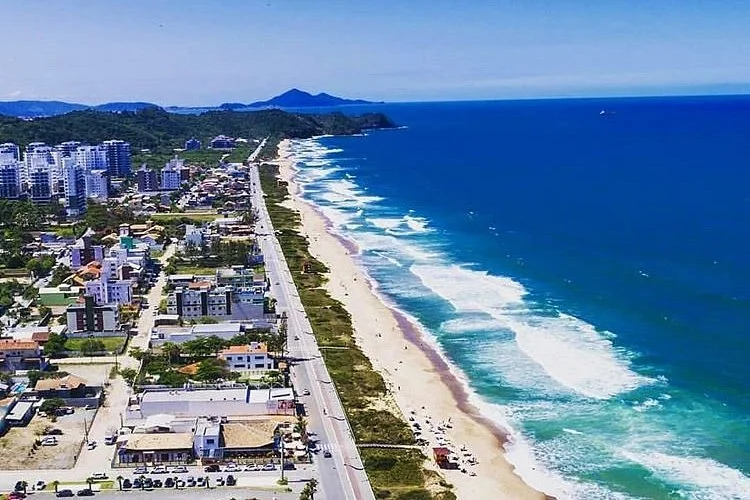
A água é azul-turquesa perto da praia. The water is turquoise near the beach.
O céu está azul claro hoje. The sky is light blue today.
As ondas são brancas e fortes. The waves are white and strong.
These descriptions help you talk about the beautiful views in Praia or on other islands like Sal and Boa Vista.
Colors of the Islands: Mountains, Towns, and Sky
Cape Verde’s landscapes offer many chances to practice colors:
As montanhas são verdes depois da chuva. The mountains are green after the rain.
As casas são brancas e vermelhas. The houses are white and red.
O pôr do sol é laranja e rosa. The sunset is orange and pink.
A terra é preta nas zonas vulcânicas. The soil is black in volcanic areas.
You can use these when traveling between islands or sharing photos with friends.
Kriolu Elements in Everyday Descriptions
Cape Verdeans often mix Portuguese with Kriolu for natural expression. You might hear:
Mar azul (standard) becomes "Mar ta azul" in Kriolu-influenced speech.
"Azul di céu" – Blue of the sky.
"Verde di montanha" – Green of the mountain.
People say "bem bonit" (very beautiful) after describing a colorful scene.
This blend makes conversations warmer and more authentic. Learning a few mixed phrases shows you understand Cape Verdean identity.
Practical Phrases for Conversations
Use these ready-to-go phrases:
Qual é a tua cor preferida? What is your favorite color?
O mar está muito azul hoje. The sea is very blue today.
Gosto das casas brancas de Santiago. I like the white houses of Santiago.
Olha o céu cor-de-laranja! Look at the orange sky!
Practice them while looking at photos of Cape Verde or planning a trip.
FAQs
How do you say "blue" in Cape Verdean Portuguese?
Azul. It is the same as standard Portuguese but used often when talking about the ocean.
What is the difference between Portuguese and Kriolu color words?
Kriolu mixes African and Portuguese roots and is spoken more casually. People often blend both.
Why is the color blue so important in Cape Verde?
The islands are surrounded by the Atlantic Ocean. "Azul" appears in daily conversations, music, and art.
Can I use these colors when visiting Praia?
Yes. Locals appreciate when visitors describe the beautiful landscapes using these words.
How do colors connect to learning Portuguese?
They provide easy vocabulary for beginners and help you create descriptive sentences quickly.
Are there special color expressions in morna or other Cape Verdean music?
Yes. Many songs use colors to express emotions, especially blues and greens connected to the sea and home.
Final Thoughts
Colors in Cape Verde are more than vocabulary. They help you see and describe the beauty of Praia’s ocean, the green valleys, and the warm island life. By learning "azul", "verde", and the others with their local flavor, you gain a deeper connection to Cape Verdean culture and language.
You now have practical tools to talk about the islands like someone who knows them. This small knowledge opens bigger conversations and understanding.
Ready to explore more Cape Verdean language, music, and culture? Join NKENNE for immersive lessons that bring words, colors, and stories together. Let’s keep learning and discovering.