
Uli Body Art: Ancient Igbo Designs That Inspired Modern Tattoos
By: Chimdindu Ken-Anaukwu
Imagine elegant, flowing lines drawn on skin, walls, and sacred spaces that tell stories of beauty, identity, and resilience. That is Uli, the ancient Igbo artistic tradition that goes far beyond body decoration.
Long before tattoos became popular worldwide, Igbo women created intricate symbolic designs using natural dyes. They applied these patterns not only on the body but also on mud walls of homes, shrines, and compounds. Today, Uli is enjoying a powerful revival in fashion, tattoos, interior décor, and contemporary art.
In this article, you will discover the rich history of Uli, its deep cultural meaning, and how this versatile art form continues to inspire modern creativity.
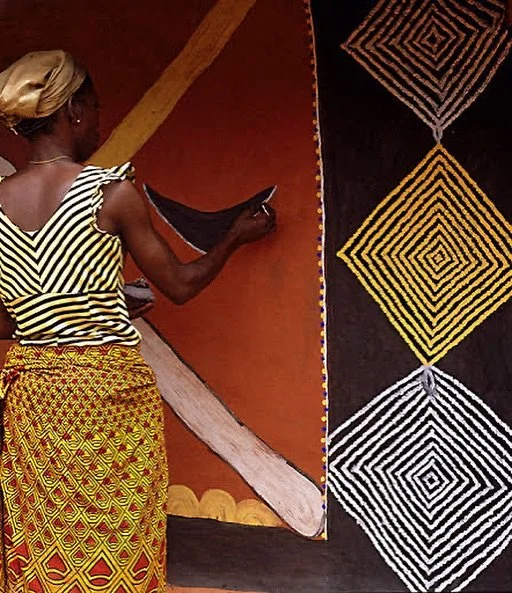
What Is Uli Art?
Uli (also called Uri) is a traditional Igbo visual art form characterized by elegant, curvilinear, and abstract designs. It uses flowing lines, dots, spirals, and geometric patterns.
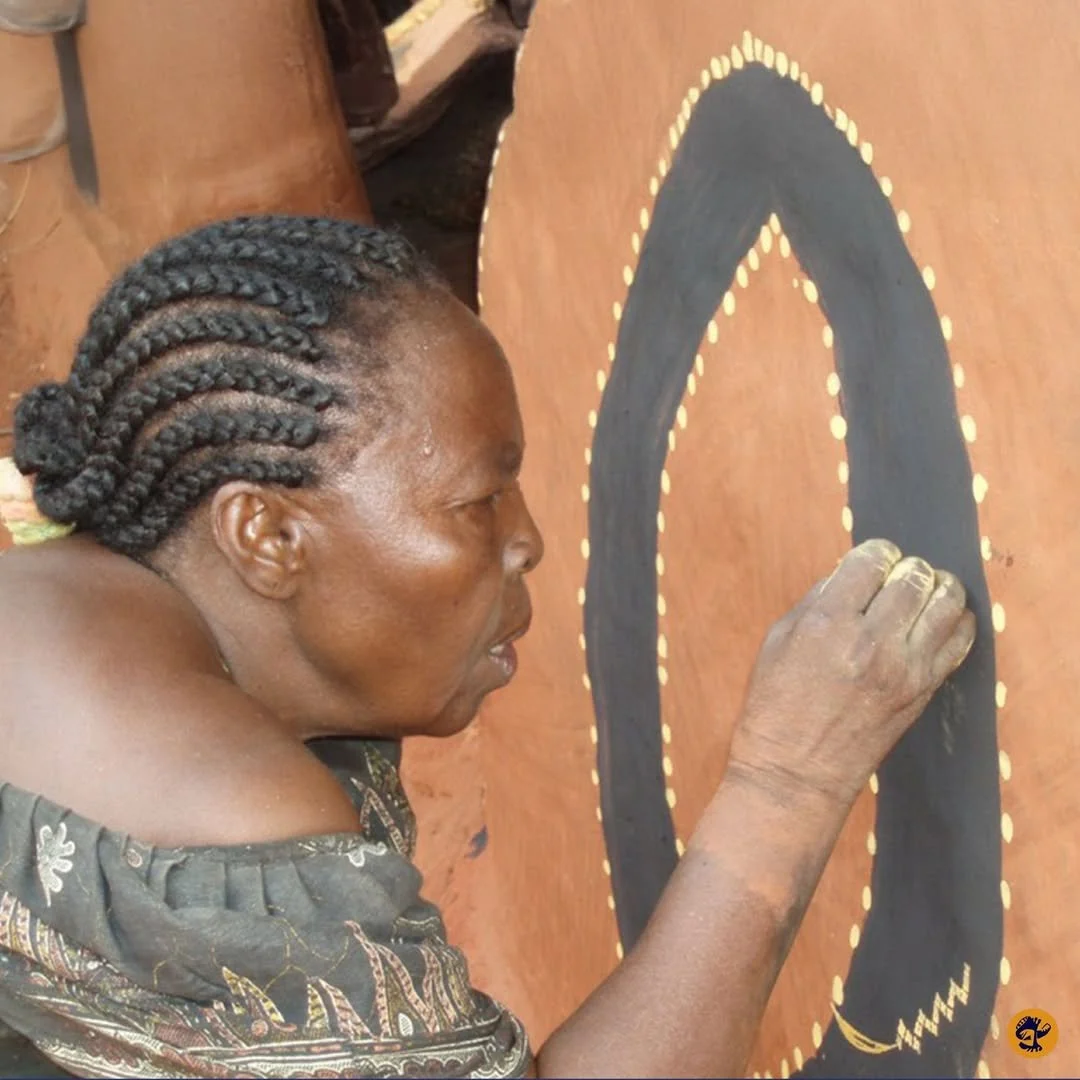
While best known as body art, Uli is much broader. It was (and still is) painted on walls of homes, meeting halls, and shrines, turning everyday living spaces into works of art.
This dual use (body and architecture) made Uli a complete artistic language of the Igbo people.
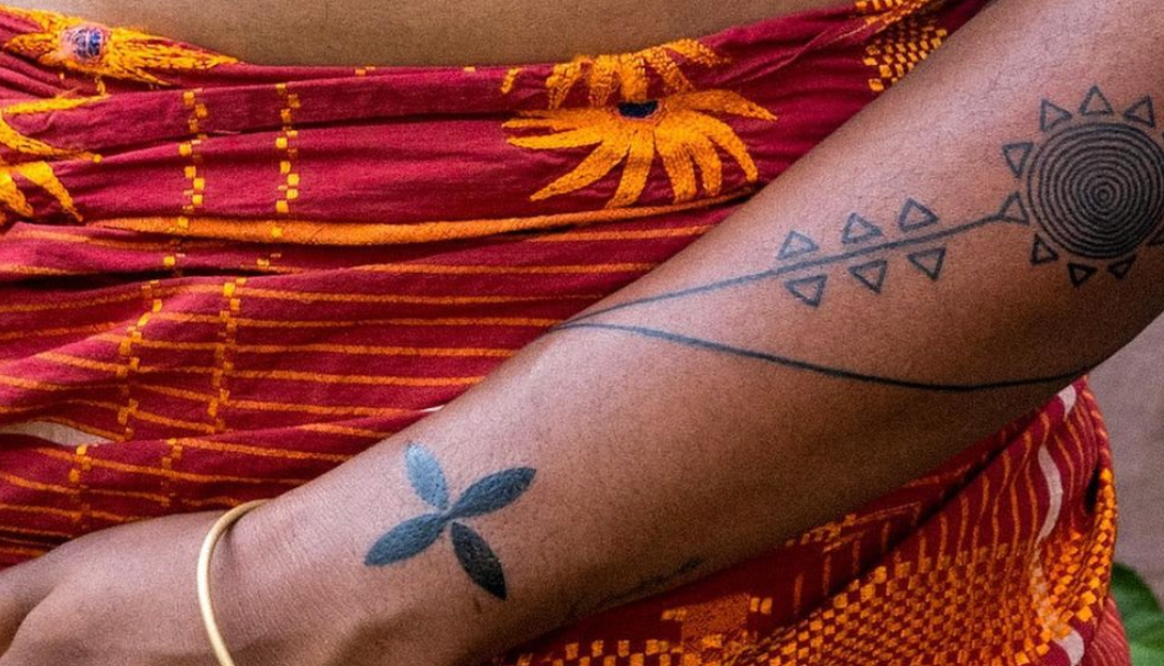
How Traditional Uli Art Was Created
The dye was extracted from the berries or pods of the Uli plant. Women processed it into a dark liquid that stained both skin and walls.
They applied the designs freehand using sticks, feathers, or bones. On walls, the patterns were often larger and more elaborate, serving as beautiful home décor.
The body designs lasted one to two weeks, while wall paintings could last much longer, sometimes months or years.
Uli on the Body and Beyond
Uli was never limited to the human body. Women decorated:
Their skin for beauty and ceremonies
The exterior and interior walls of compounds
Sacred spaces and Mbari shrines
Doors and pillars of important buildings
These wall paintings served as both decoration and cultural expression. They turned mud houses into stunning visual statements, showcasing the artistic skill and taste of the women.

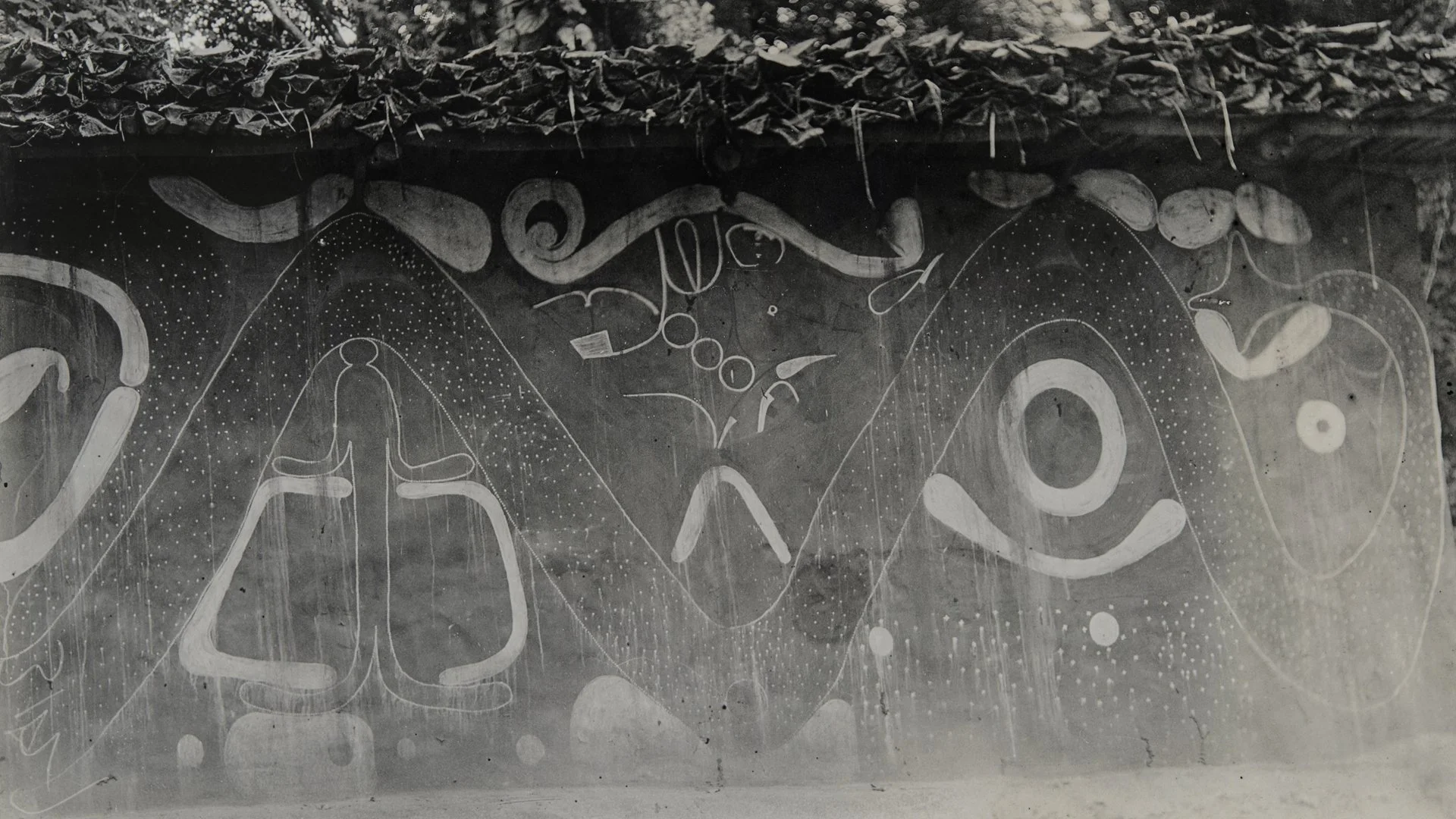

Symbolism and Cultural Significance
Uli designs often drew inspiration from nature: plants, animals, and everyday objects. While not a strict written language, the motifs carried deep meaning.
Common themes included fertility, beauty, wealth, morality, and social status. The art celebrated femininity and harmony with the spiritual world.
For the Igbo, Uli represented more than decoration. It expressed identity, pride, and connection to community and ancestors.
Uli in Everyday and Special Occasions
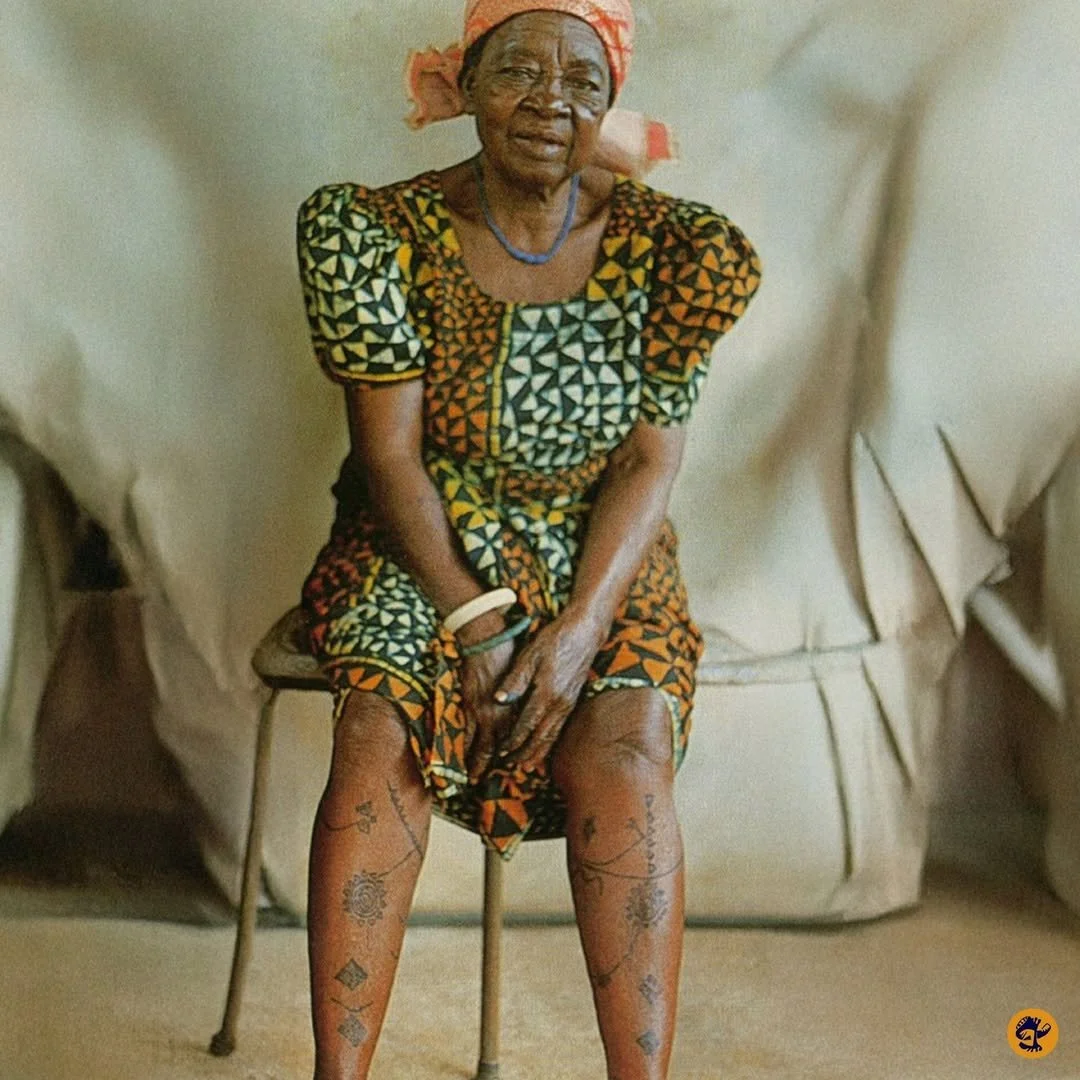
Uli is both body art and design. Traditionally practiced by Igbo women, it was painted on the skin to mark daily life and major moments like marriage, childbirth, and funerals. The same flowing motifs also appeared on walls, doors, and household spaces, turning homes into living canvases.
Women painted one another, making it a shared creative and social ritual. The patterns came from nature and spiritual belief systems, with each symbol carrying meaning such as fertility, protection, beauty, and status.
Uli was never just decoration. Whether on the body or in the home, it expressed identity, honored ancestors, and reflected a deep sense of harmony and culture.


The Decline and Modern Revival
Colonialism and missionary influence contributed to the decline of Uli. Many young people abandoned it for modern makeup and Western styles.
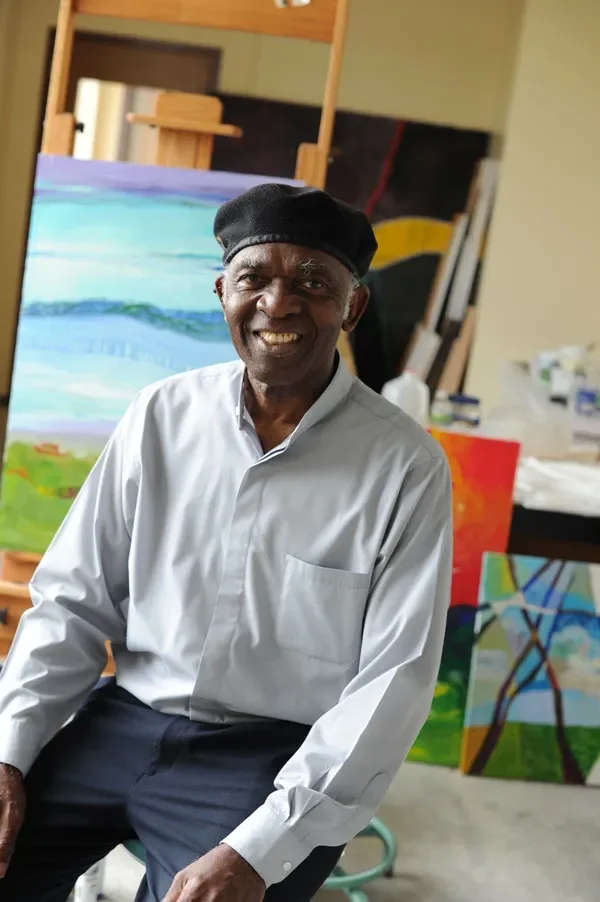
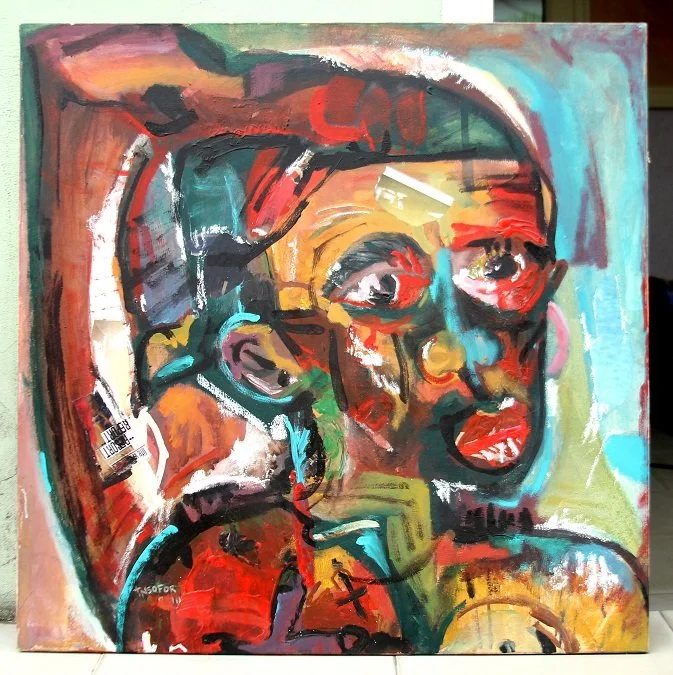
Thankfully, a strong revival is underway. The famous Nsukka Group of artists (including Uche Okeke and Obiora Udechukwu) brought Uli into contemporary Nigerian art from the 1970s.
Today, traditional motifs appear in paintings, textiles, sculptures, and digital designs. Efforts to document the practice are helping preserve this heritage.
Uli’s Influence on Fashion and Tattoos
Modern Nigerian fashion designers now incorporate Uli patterns into clothing, accessories, and jewelry. The flowing lines translate beautifully to fabric.
Igbo tattoo artists are also reviving the tradition by turning ancient Uli motifs into permanent body art. This creates a powerful link between past and present.
The clean, minimalist aesthetic of Uli appeals to people worldwide who want meaningful tattoos with African roots.
Frequently Asked Questions
What does Uli mean?
Uli refers to both the plant used for dye and the art form itself. It is a celebrated traditional Igbo body and mural decoration.
Is Uli only body art?
No. While famous as body decoration, Uli was extensively used for wall paintings and home décor in traditional Igbo compounds.
Who traditionally created Uli designs?
Igbo women were the main practitioners. They painted on other women for beauty and special occasions.
Is Uli the same as a tattoo?
No. Traditional Uli was temporary. Modern artists now adapt the designs into permanent tattoos.
What do Uli symbols represent?
They often symbolize beauty, fertility, nature, and social values. The focus is more on visual harmony than fixed meanings.
Can non-Igbo people wear Uli-inspired designs?
Yes, with respect. Many appreciate it as cultural appreciation when done thoughtfully.
Where can I see Uli art today?
Look for exhibitions featuring the Nsukka artists, modern fashion shows, or Igbo cultural festivals. Some traditional practitioners still exist in parts of Ebonyi and other states.
Conclusion
Uli is far more than beautiful body designs. It is a complete Igbo artistic tradition that decorated both people and their living spaces with elegance and meaning.
From ancient village walls to modern fashion runways and tattoos, Uli continues to inspire. Its revival shows the strength and timelessness of Igbo creativity.
Appreciating Uli means connecting with a rich, living piece of Nigerian cultural heritage.
Ready to explore more of Igbo culture and language? With NKENNE, the first African language learning app, you can learn practical Igbo while discovering powerful cultural traditions like Uli. Download today and deepen your connection.