
Crispy Pinkaso: How to Make Hausa Fried Dough Like a Pro
By: Chimdindu Ken-Anaukwu
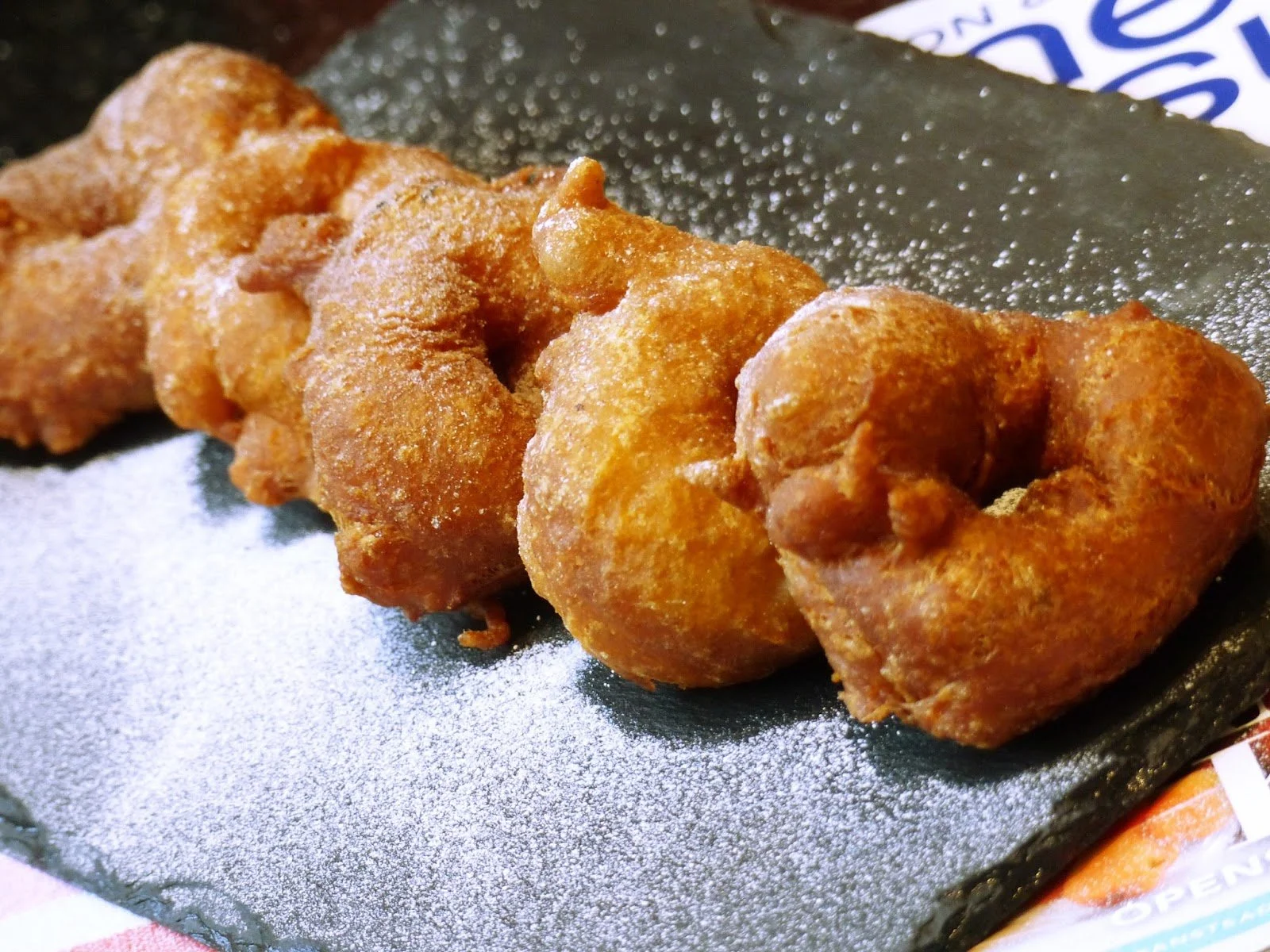
Craving a crunchy, addictive snack that pairs perfectly with a warm cup of tea or Hausa koko? Pinkaso is your answer. These golden, savory fried dough bites are a beloved street food across Northern Nigeria and Hausa communities, crispy on the outside, soft and airy inside, with just the right kick from onions and peppers.
This easy recipe delivers restaurant-style results at home. It’s perfect for breakfast, tea time, parties, or whenever you need a quick, satisfying treat.
What Is Pinkaso?
Pinkaso is a traditional Hausa savory snack made from fermented dough with chopped onions and peppers. It’s lighter and crispier than regular puff-puff, thanks to the right balance of yeast, baking agents, and vegetables.
Street vendors fry them fresh in the mornings, often served alongside spicy millet porridge (koko). Once you try them, they become dangerously addictive.
Ingredients (Makes about 25–30 pieces)
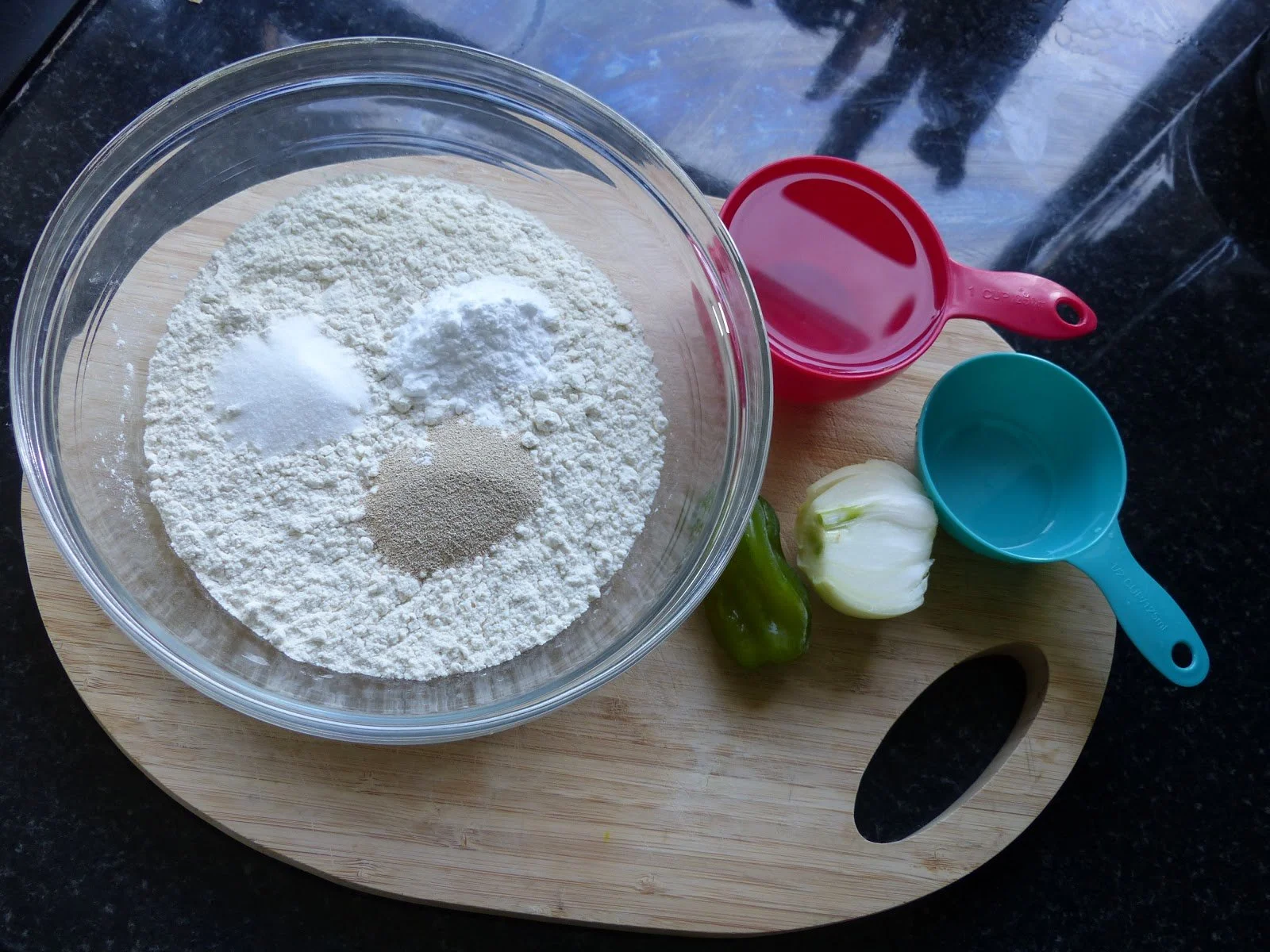
3 cups all-purpose flour (or plain flour)
1 tablespoon active dry yeast
1 teaspoon baking powder (for extra crispiness)
½–1 teaspoon salt
1 medium onion, finely chopped
2–4 scotch bonnet peppers or chili peppers (adjust to taste), finely chopped
1¼–1½ cups warm water (adjust for soft dough)
Vegetable oil or groundnut oil for deep frying
Optional: 1 teaspoon sugar (helps with browning and fermentation)
Step-by-Step Instructions
In a large bowl, mix the flour, yeast, baking powder, salt, and sugar (if using).
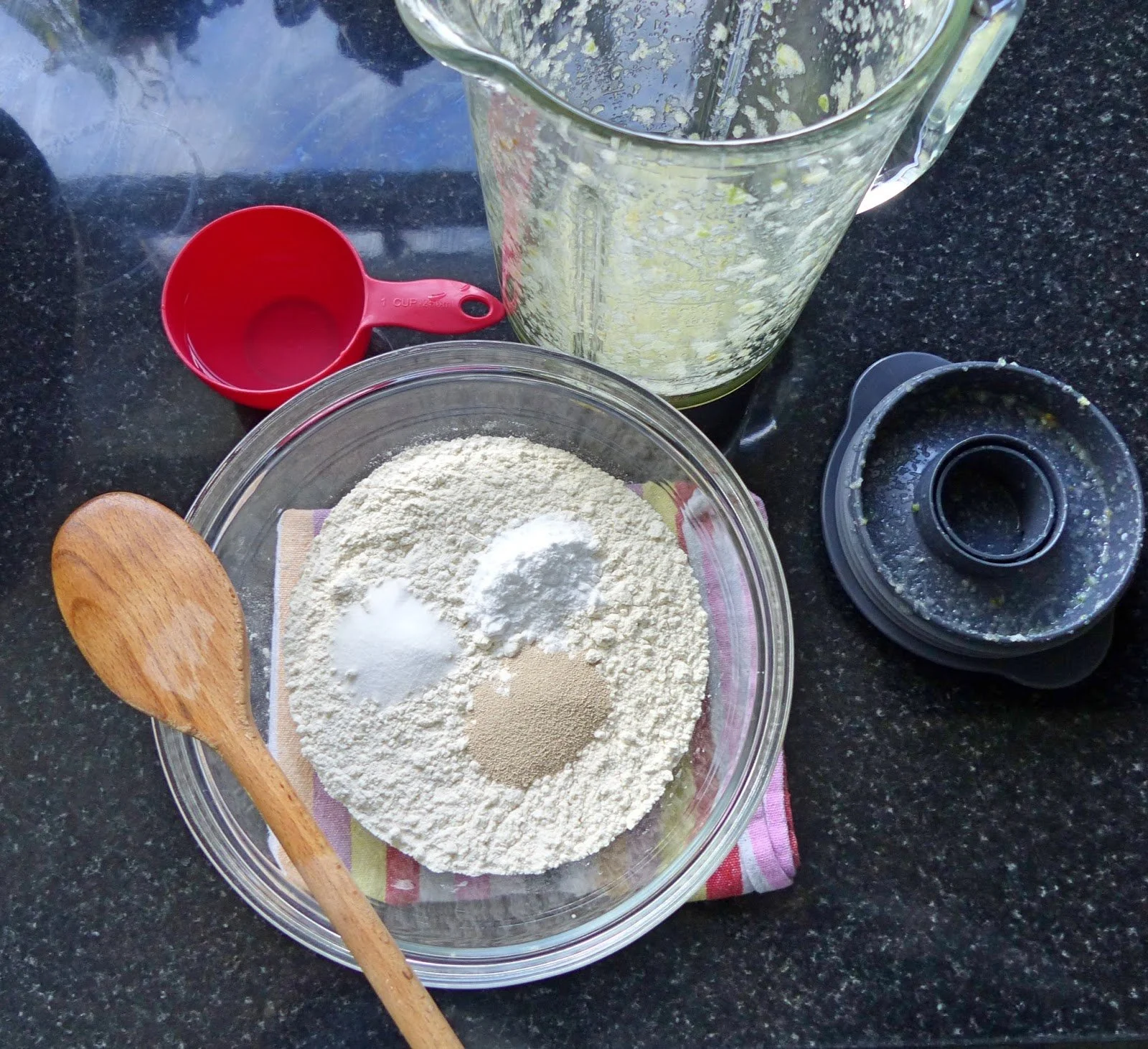
Add the chopped onions and peppers. Mix well so they’re evenly distributed.
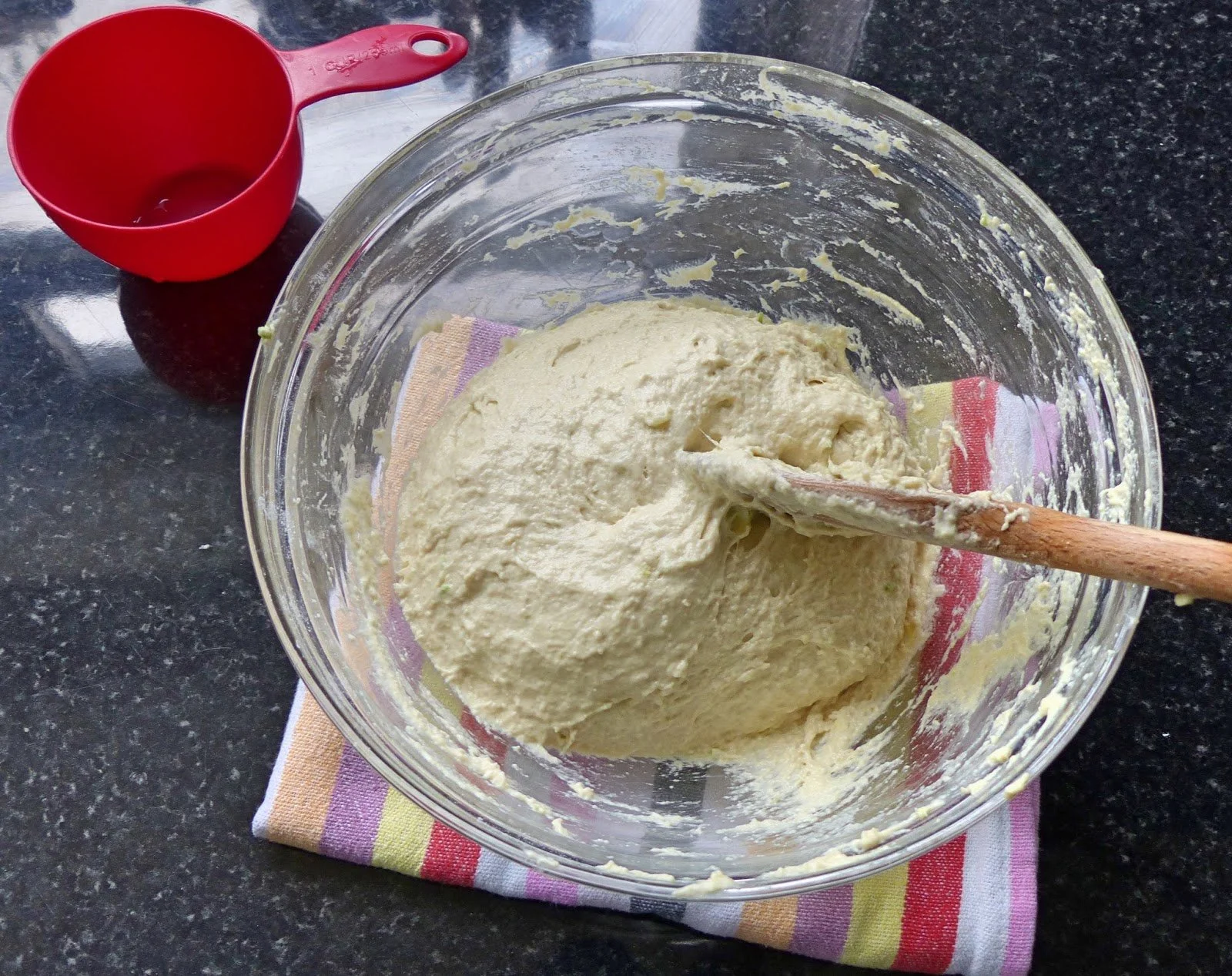
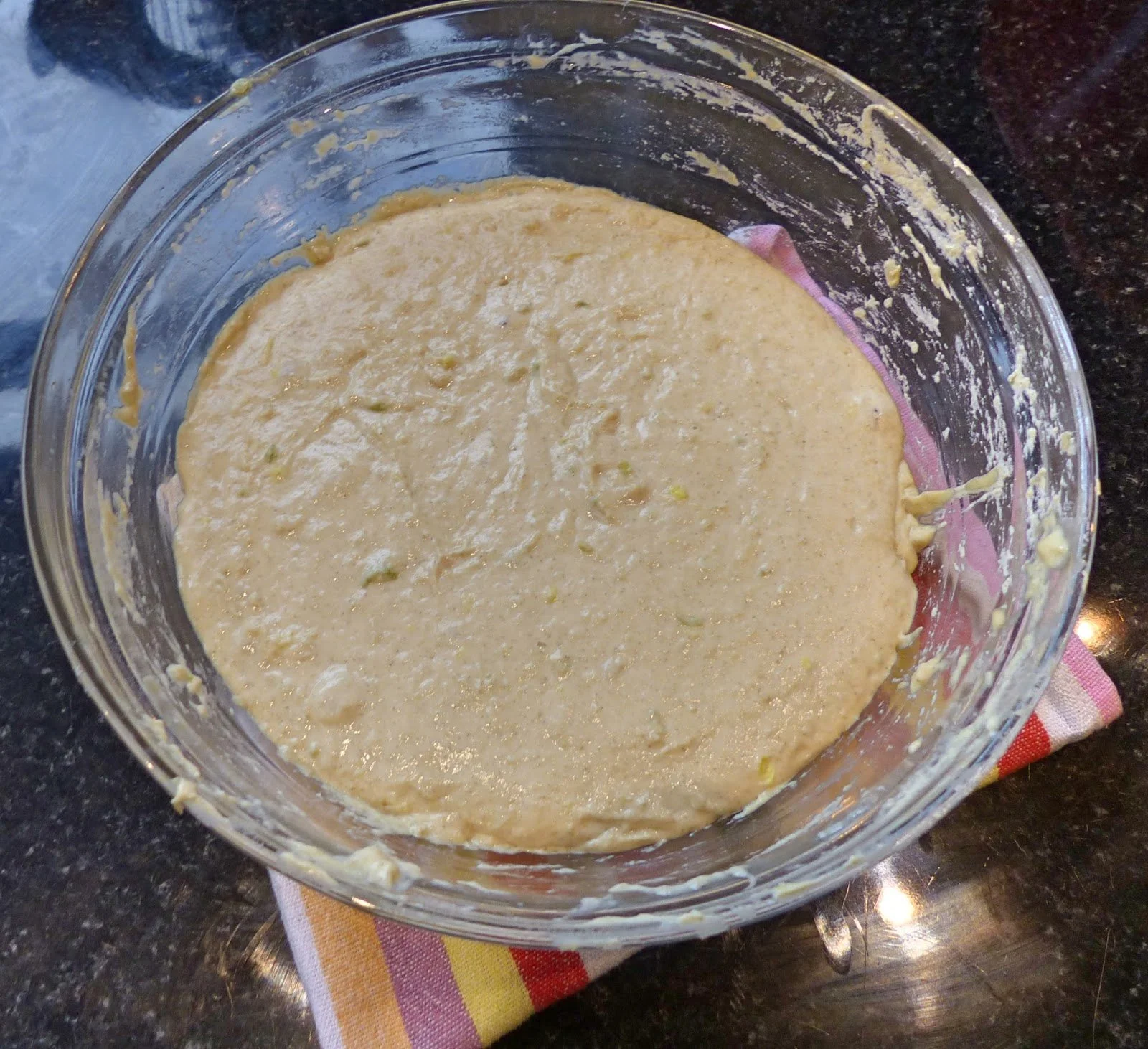
Gradually add warm water and mix into a soft, sticky dough. It should be thicker than pancake batter but softer than bread dough.
Cover the bowl with a clean cloth or plastic wrap. Let it rise in a warm place for 45–90 minutes until doubled in size and bubbly.
Heat oil in a deep pot or fryer over medium heat (about 170–180°C / 340–350°F).
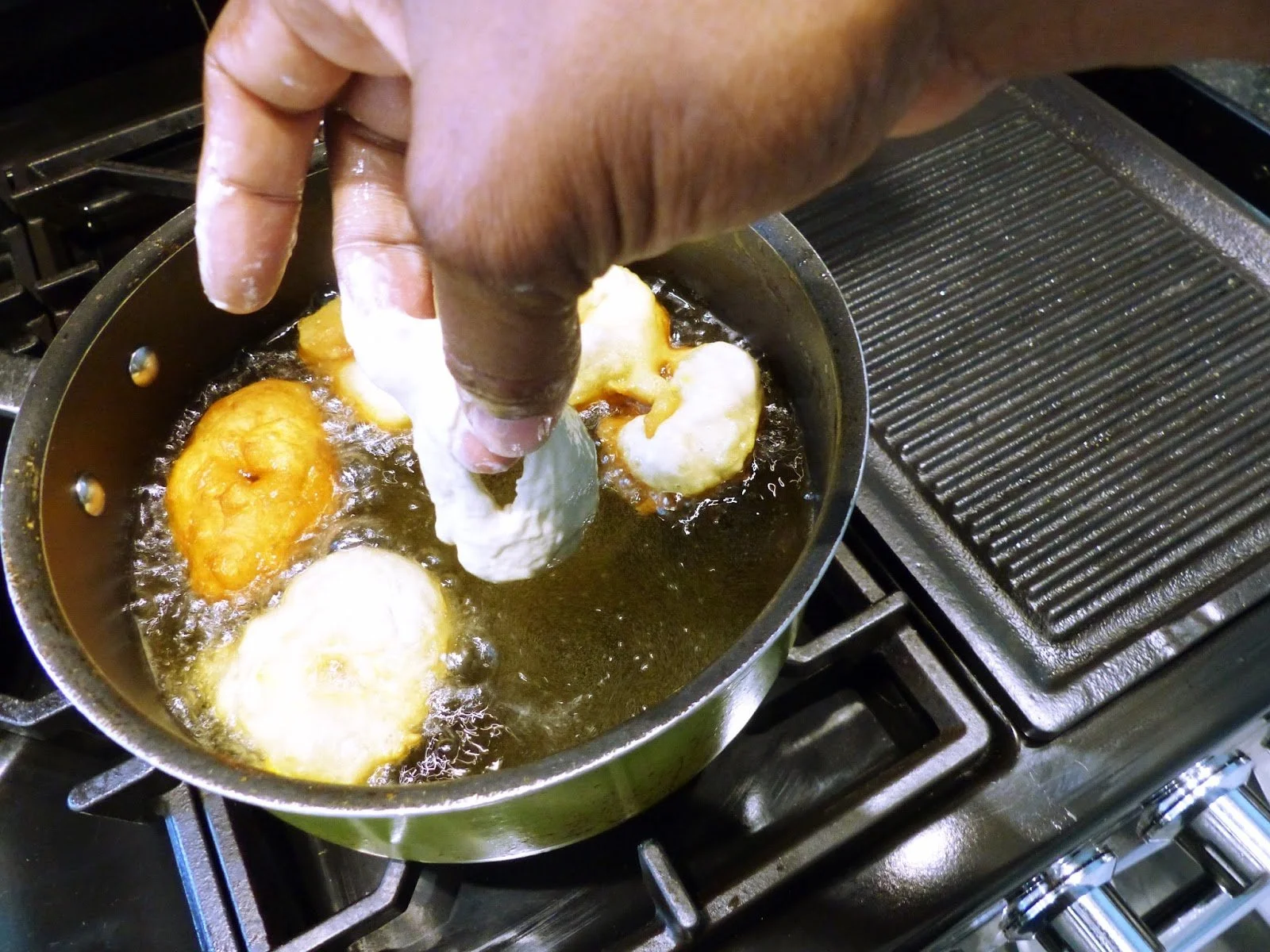
Wet your hands or use two spoons to scoop small portions of dough and gently drop into the hot oil. Avoid overcrowding.
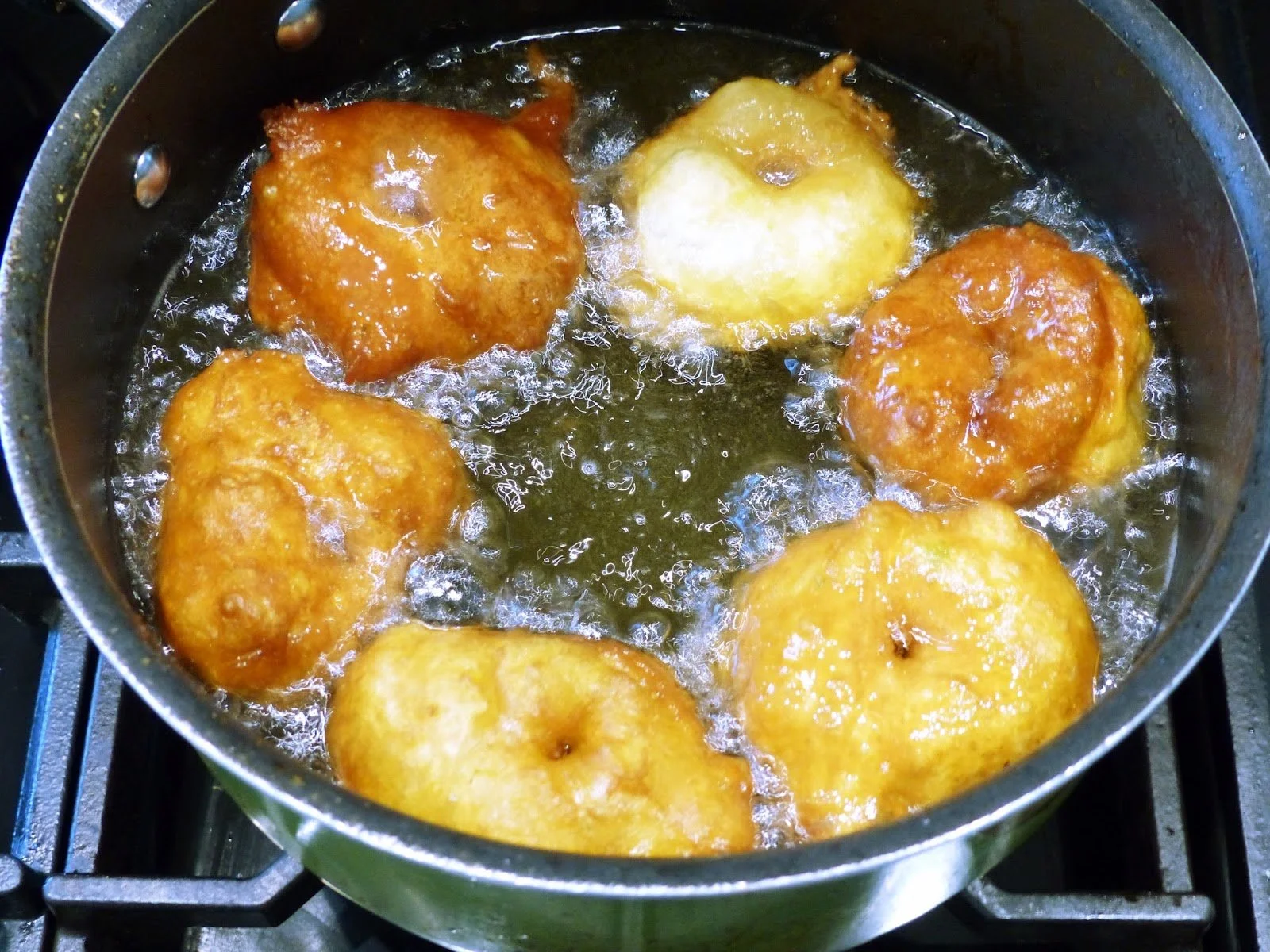
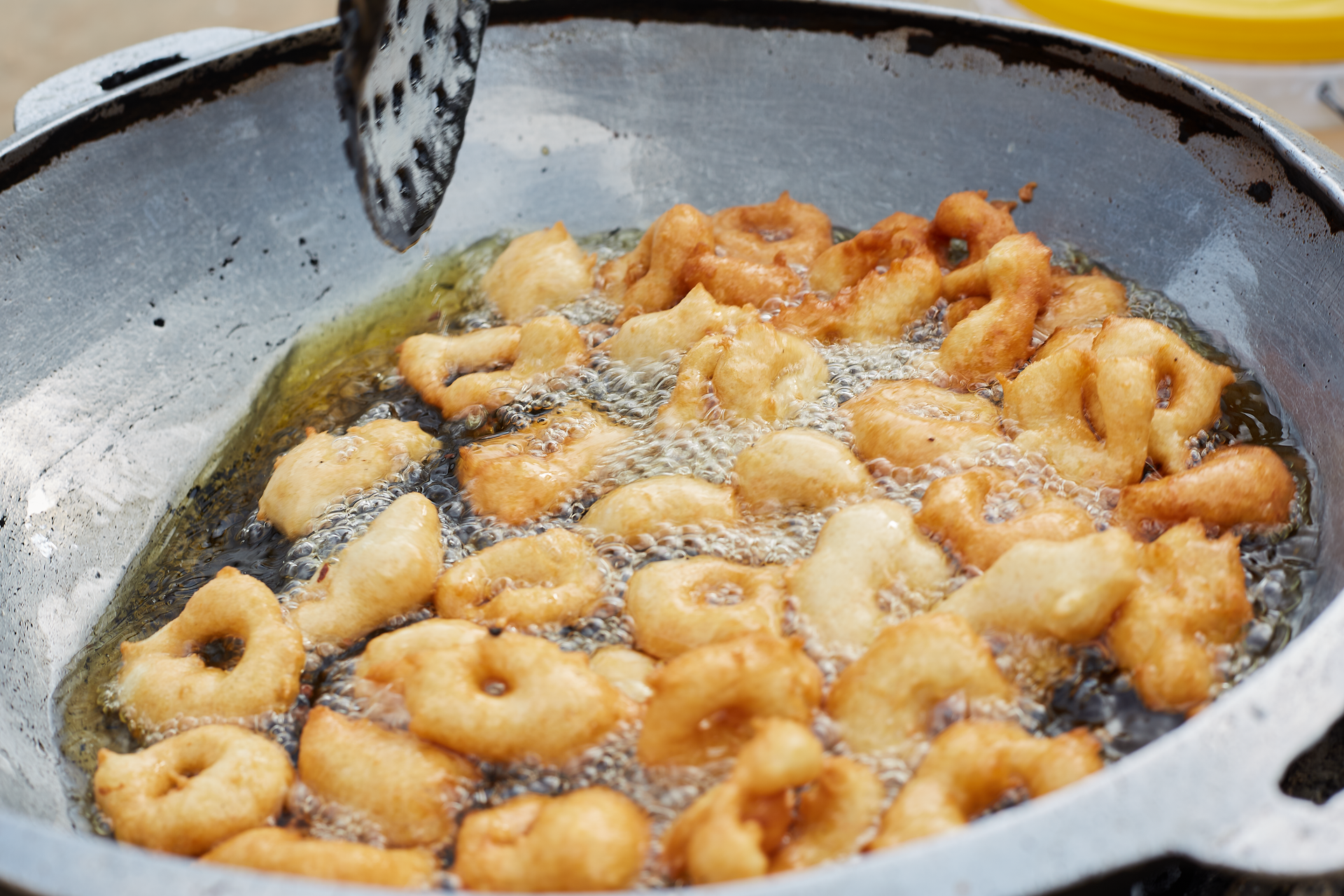
Fry until golden brown and crispy, turning occasionally (4–6 minutes per batch).
Remove with a slotted spoon and drain on paper towels.
Frying Tips for Maximum Crispiness
Maintain steady medium heat. Too hot = burnt outside, raw inside. Too cool = oily and soggy.
Don’t skip the rising time; fermentation creates the airy texture.
Wet hands or spoons prevent sticking.
Fry in small batches for even cooking.
Serving Suggestions
Classic: Serve hot with Hausa koko (spiced millet porridge) and a sprinkle of sugar.
With tea: Enjoy plain or with a dusting of powdered sugar.
Party style: Serve with yaji spice mix, fried eggs, or pepper sauce.
Savory twist: Pair with stew or grilled suya.
Variations
Add garlic or ginger to the pepper-onion mix for extra flavor.
Make it milder for kids by reducing peppers.
Sweet version: Add more sugar and omit peppers (less traditional but tasty).
Frequently Asked Questions
What’s the difference between Pinkaso and Puff Puff?
Pinkaso is usually smaller, crispier, and contains onions and peppers. Traditional puff-puff is sweeter and plainer.
Why is my Pinkaso not crispy?
Check your oil temperature and ensure the dough rises properly. Adding a bit of baking powder helps too.
Can I make Pinkaso ahead of time?
Best served fresh, but you can reheat in an oven or air fryer to restore crispiness.
Is Pinkaso gluten-free?
No, it’s made with wheat flour. Use gluten-free flour blend if needed (texture will change).
How long does the dough need to rise?
45–90 minutes is ideal. In warmer climates, it rises faster.
Pinkaso is proof that simple ingredients, done right, create something truly special. Once you master this, it’ll become a regular in your kitchen.
Craving more authentic Hausa recipes? NKENNE has plenty of guides and cultural stories to explore. Try this recipe this weekend and let us know how it turned out in the comments!
Sai anjima! (See you later!) 🍞