
Ujeqe: The Steamed Bread That Belongs Beside a Pot of Stew
By: Yvonne Mag-usara
No oven. No crisp crust. Ujeqe gets everything it needs from steam.
The yeast dough rises into a soft, springy loaf with a gentle sweetness and enough structure to soak up gravy without falling apart. That makes it especially good beside the slow-cooked beans, chicken, tripe, and stews that appear across South African tables.
For many Zulu households, ujeqe belongs to the category of food that feels uncomplicated until it reaches the plate. Flour, water, yeast, salt, and sugar become something warm enough to build a whole meal around.
In this guide, you’ll learn what makes ujeqe different, how to steam it at home, and what to serve beside it.
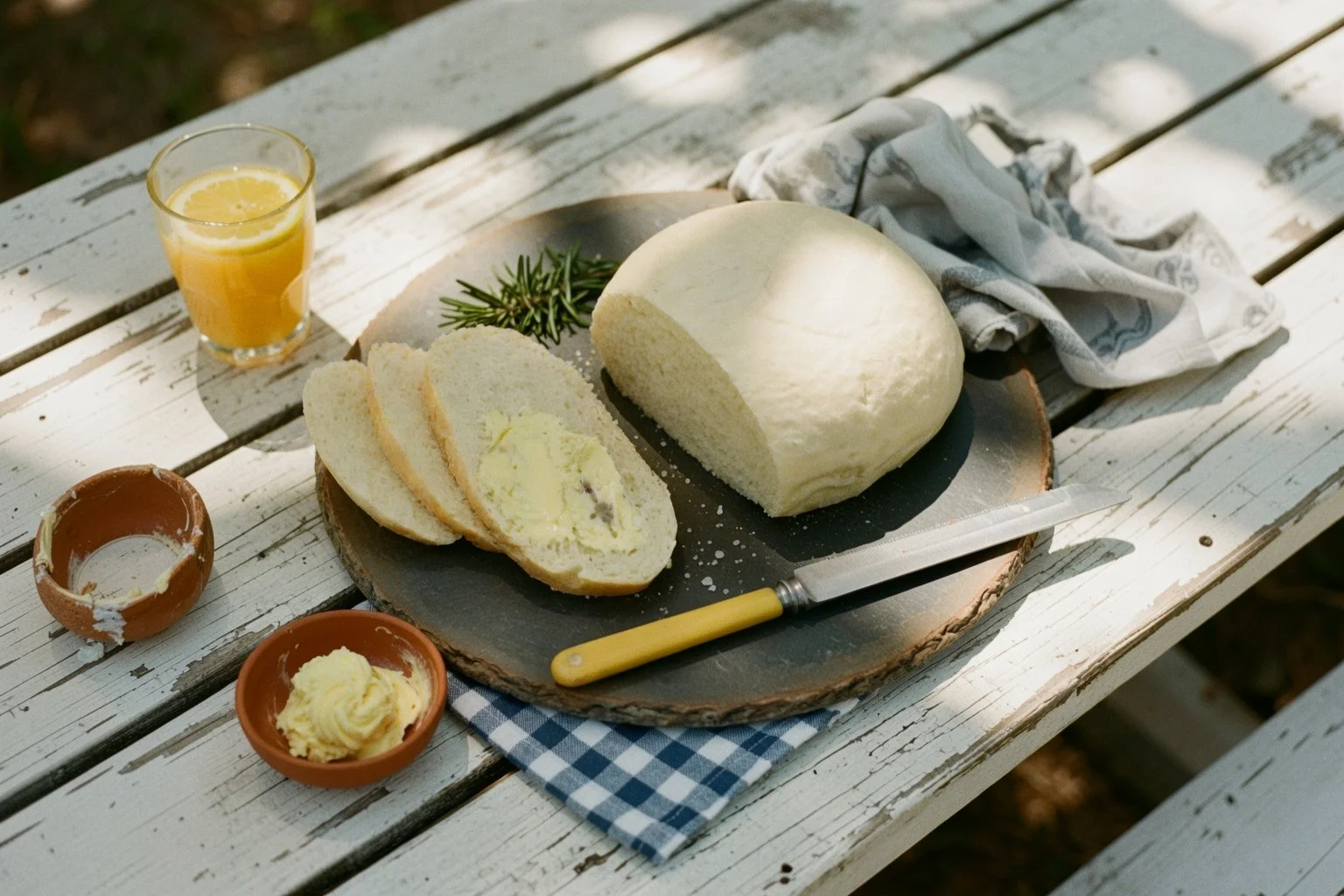
Soft, slightly sweet ujeqe served with savoury ubhonsisi shows exactly why steamed bread belongs beside slow-cooked, sauce-rich food.
What Is Ujeqe?
Ujeqe is a yeast-raised steamed bread strongly associated with Zulu cuisine and enjoyed more widely across South Africa. Instead of baking in dry oven heat, the dough is placed inside a greased heatproof container and cooked inside a covered pot with simmering water.
That cooking method gives the bread its defining texture: soft, moist, and fluffy, with no hard baked crust.
Names and methods for South African steamed breads can overlap. Some cooks distinguish ujeqe from dombolo by steaming ujeqe inside a container, while dombolo may be cooked directly over or with a stew. Usage varies between households and communities, so the terminology is not completely uniform.
Ujeqe sits naturally within the wider food traditions described in NKENNE’s guide to Zulu history, language, and everyday culture.
Why Ujeqe Works So Well With Stew
Ujeqe is deliberately mild.
A little sugar gives the dough gentle sweetness, while the steaming process keeps the crumb tender enough to absorb whatever sits beside it. South African food guides specifically describe ujeqe as a bread made to accompany rich, hearty meals and soak up gravy.
That balance is especially clear in ujeqe nobhonsisi, steamed bread served with sugar beans. Chef Mmabatho Molefe describes the combination through the contrast between slightly sweet bread and savoury beans.
The same principle works with meat stews: instead of competing with a strongly seasoned sauce, ujeqe carries it.
That is why the bread rarely needs much decoration of its own.
Ujeqe Ingredients
A basic ujeqe dough needs only a handful of ingredients.
For one medium loaf serving about six:
4 cups (560 g) cake flour or all-purpose flour
2 tbsp sugar
1 tsp salt
2 tsp instant yeast
1½ cups (375 ml) lukewarm water
Oil for greasing
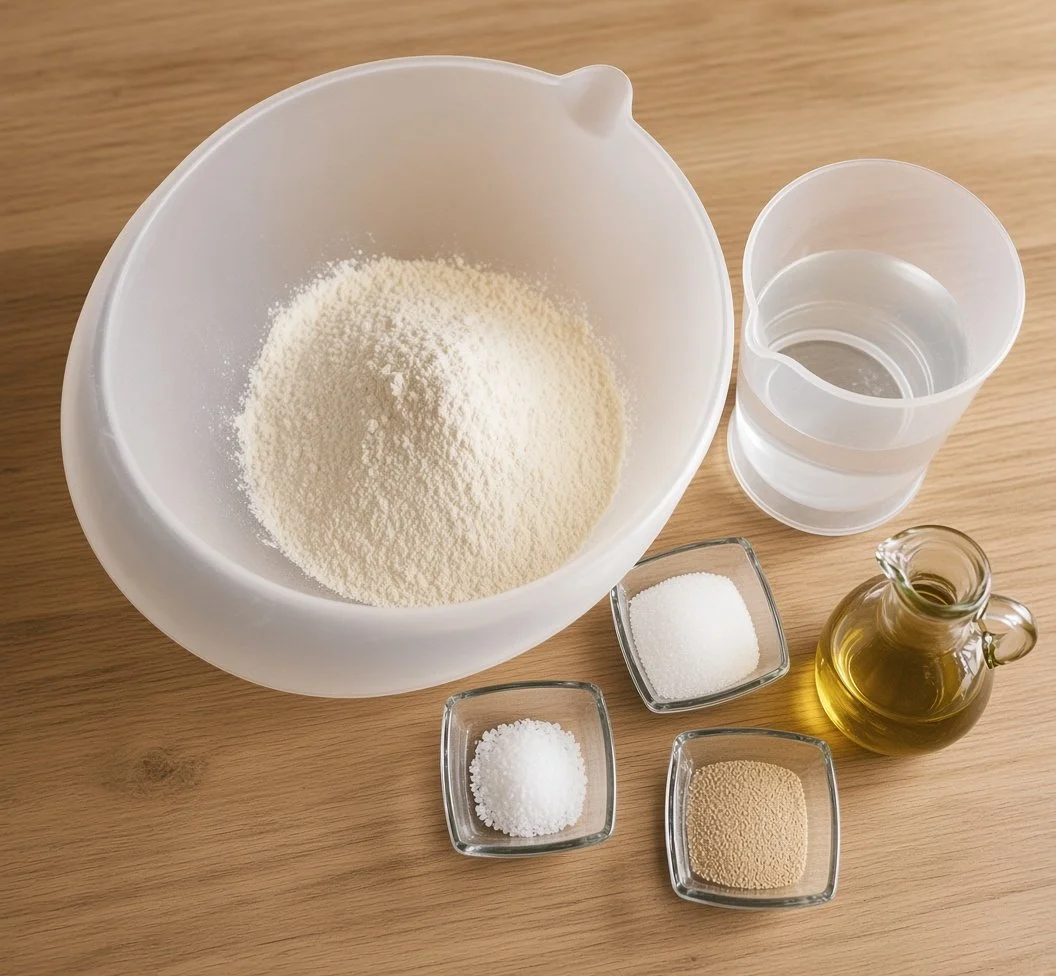
This formula closely follows the African steamed bread recipe published by Ina Paarman’s Kitchen, which uses a simple yeast dough without eggs or milk.
Other family recipes may add butter, a little more sugar, oil, or different quantities of yeast. TASTE’s ujeqe nobhonsisi version, for example, incorporates melted butter into the dough.
The goal remains the same: a dough soft enough to rise well but firm enough to hold its structure while steaming.
How to Make Ujeqe at Home
1. Mix the dough
Combine the flour, sugar, salt, and yeast in a large bowl. Gradually add the lukewarm water and mix until a soft dough forms.
2. Knead until smooth
Knead for about 8 to 10 minutes until the dough becomes smooth and elastic. Avoid adding too much extra flour, which can make the finished bread dense.
3. Let it rise
Grease a heatproof bowl and place the dough inside. Cover and leave it somewhere warm until it has roughly doubled in size.
Some preparations knock the dough back and allow a second rise before steaming for an even lighter result.
4. Prepare the steaming pot
Place the heatproof bowl inside a large pot containing boiling water. The water should surround the container without flooding the dough.
Cover the pot tightly.
5. Steam until cooked through
Lower the heat to a gentle simmer and steam the loaf for about 1 hour to 1 hour 15 minutes, depending on its size. Keep the lid closed as much as possible so the steam remains trapped.
The bread is ready when it is well risen and springs back when lightly pressed.
Let it cool briefly, turn it out, slice generously, and serve warm.
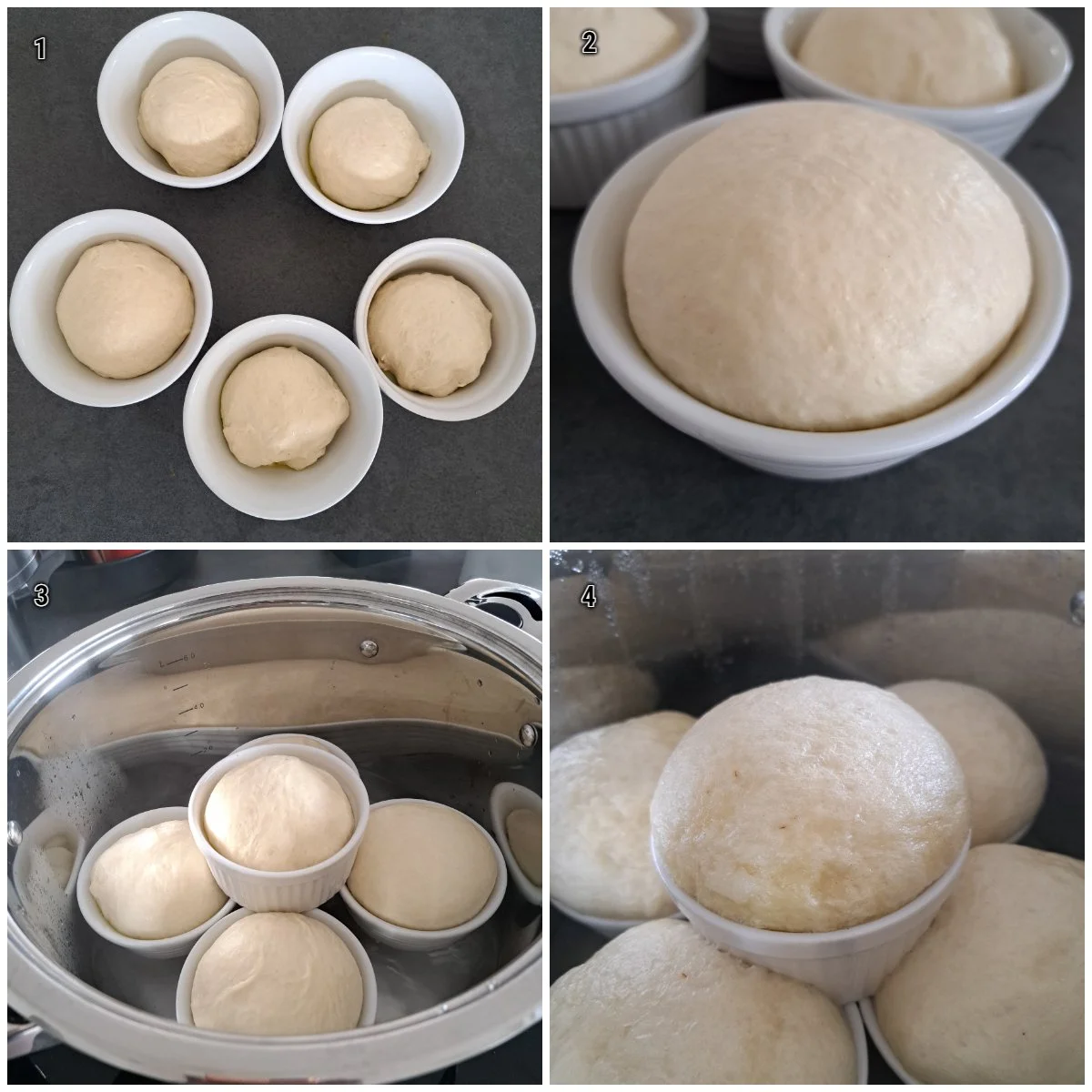
Credit: Ester Kocht
Ujeqe dough is portioned into greased mugs or ramekins, left to rise, then steamed in a covered pot until soft and fluffy.
Tips for Soft, Fluffy Steamed Bread
The difference between light ujeqe and a heavy loaf often comes down to patience.
Use lukewarm water. Water that is too hot can damage the yeast, while cold water slows the rise.
Give the dough enough time to rise. The dough should noticeably expand before it goes into the steaming pot.
Keep the steam steady. You want a gentle simmer, not violent boiling. Check that the pot does not run dry during a long steam.
Resist lifting the lid repeatedly. Escaping steam lowers the temperature and can interfere with an even cook. Ina Paarman’s method steams the loaf with the lid kept closed throughout.
And once it is cooked, give the bread a few minutes before slicing. The crumb settles as it cools, making cleaner slices.
What to Serve With Ujeqe
Ujeqe makes the most sense beside something with sauce.
One classic pairing is ubhonsisi, or sugar beans cooked with onion, tomato, peppers, and seasoning. TASTE features the combination specifically as ujeqe nobhonsisi.
It is also served with dishes such as:
Usu, slow-cooked tripe
Umleqwa, slow-cooked hardbody chicken
Beef or lamb stew
Oxtail
Bean stews
Rich gravy-based meat dishes
South African food sources document ujeqe alongside tripe, chicken, beans, and other hearty dishes, while steamed bread also appears at larger family and ceremonial meals.
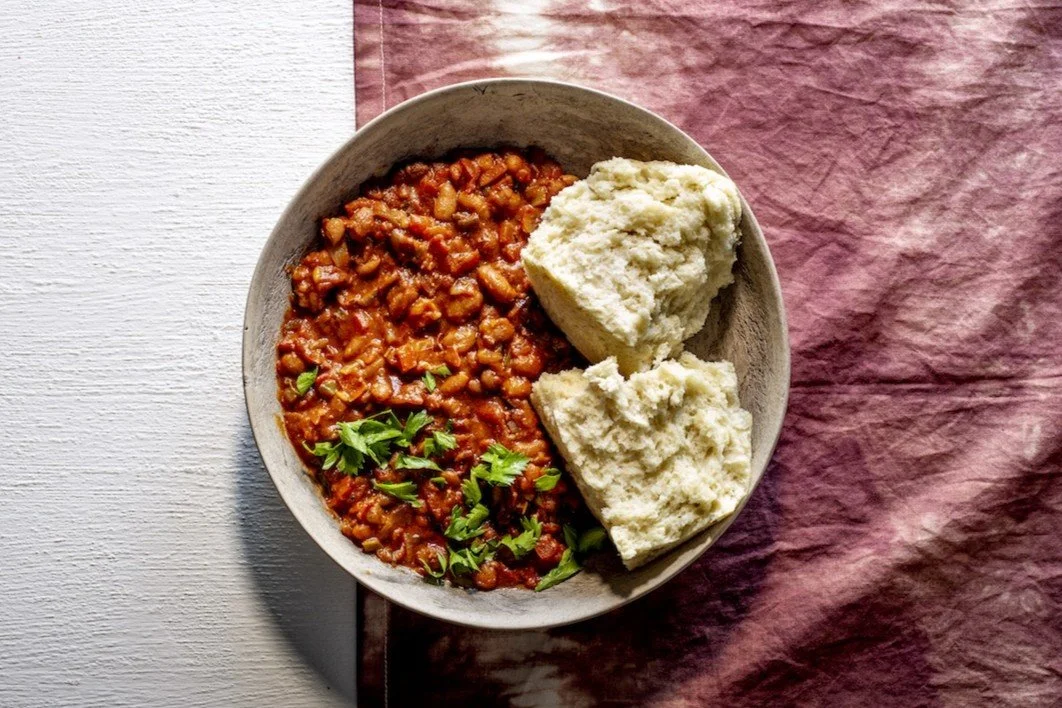
Credit: TASTE (taste.co.za)
Ujeqe served with ubhonsisi, a South African sugar bean stew cooked with tomato, onion, peppers, and seasoning.
A Few isiZulu Food Words
ujeqe – steamed bread
inyama – meat
ubhonsisi – beans, in the dish name ujeqe nobhonsisi
umleqwa – hardbody/free-range chicken in this culinary context
ukudla – food / to eat, depending on usage
Learning food words gives isiZulu somewhere practical to live: at the table, in the kitchen, and inside conversations about meals people already know.
For pronunciation beyond the kitchen, NKENNE’s guide to isiZulu clicks and sounds is a useful next step.
FAQs
Is ujeqe baked?
No. Ujeqe is traditionally steamed, usually with the dough held inside a heatproof bowl or container placed in a covered pot of hot water.
Is ujeqe the same as dombolo?
The terms sometimes overlap, and usage varies. Some Zulu cooks distinguish ujeqe as bread steamed inside a separate container and dombolo as dough cooked over or with stew.
Why is my ujeqe dense?
Common causes include insufficient kneading, dough that has not risen enough, too much flour, or inconsistent steaming. Recipes generally call for kneading until smooth and allowing the dough to double before cooking.
Can I make ujeqe without an oven?
Yes. That is one of its defining qualities. A large lidded pot, heatproof bowl, water, and stovetop are enough.
Can I make individual portions?
Yes. Proofed dough can be steamed in greased mugs, tins, or ramekins. Smaller portions cook faster than a full loaf.
What does ujeqe taste like?
It is mild, yeasty, and often slightly sweet, which is why it pairs especially well with savoury beans and gravy-rich stews.
Conclusion
Ujeqe proves that bread does not need an oven to become the centre of a comforting meal.
A simple yeast dough, given time to rise and steam slowly, becomes soft enough to pull apart and sturdy enough to carry spoonfuls of beans, chicken, tripe, or gravy.
Its ingredients are ordinary. Its job on the table is clear.
Put something rich in the pot, slice the ujeqe thick, and let the bread do the rest.
Learn isiZulu Through Food and Culture
With NKENNE, learning isiZulu can start with the words attached to familiar things: the food on the table, the people sharing it, and the traditions around both.
Explore isiZulu language and culture in the NKENNE app, one useful word and one real story at a time.
