
Ubunyaga: The Quiet Power of Rwandan Hospitality
By: Chimdindu Ken-Anaukwu
Walk into a Rwandan home for the first time and you will likely be offered a seat, a glass of water, and something to eat even if you only stopped by for a quick question. This warm welcome is not random. It flows from Ubunyaga, a core cultural value that shapes how Rwandans treat one another and visitors alike.
In this guide, you will learn what Ubunyaga truly means, why it matters so much in Rwandan society, and how it shows up in daily interactions. You will also see practical examples you can notice or practice when connecting with Rwandan people.
What Ubunyaga Really Means
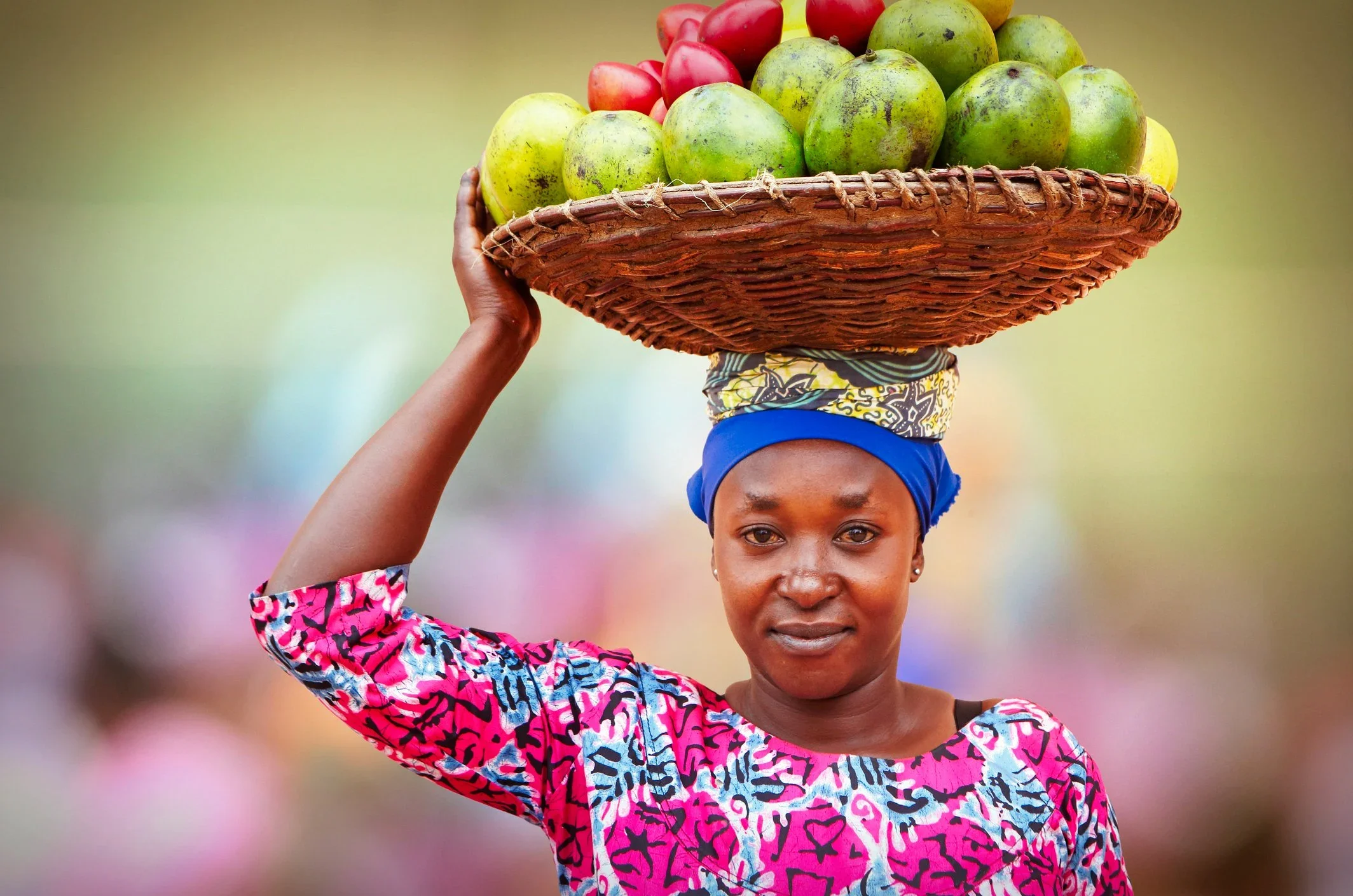
Ubunyaga refers to the spirit of generosity, kindness, and inclusiveness that defines Rwandan social life.
It is the quiet power that makes strangers feel like family. Rather than loud displays, Ubunyaga shows itself in thoughtful, everyday actions. It reflects the belief that treating others with dignity and care builds stronger communities.
The Roots of Rwandan Hospitality
This value comes from traditional Rwandan culture, where community survival depended on mutual support.
In pre-colonial times, families helped neighbors during harvests, weddings, or difficult times. After the 1994 Genocide against the Tutsi, Ubunyaga played a powerful role in healing. Acts of generosity helped rebuild trust and remind people of their shared humanity.
Ubunyaga in Greetings and First Meetings
Hospitality begins the moment you meet someone.
Common expressions include:
Muraho – Hello (to one person)
Muraho mwese – Hello everyone
Amakuru? – How are you? (literally “What is the news?”)
Rwandans often take time to ask about your well-being and family. They may offer you a chair or water immediately. These small gestures show respect and create a sense of belonging right away.
Sharing Food as an Expression of Ubunyaga
Food is one of the strongest ways Ubunyaga appears.
It is common to share meals even when resources are limited. Guests are served first and encouraged to eat well. Refusing food politely can sometimes be misunderstood, so accepting a little is appreciated.
In homes and at gatherings, people say “Dufashe” (let us share) when offering food. This simple act turns a meal into a moment of connection.

Ubunyaga in Modern Rwanda
Today, Ubunyaga adapts to city life while keeping its heart.
In Kigali offices, colleagues may share snacks or help each other without being asked. In neighborhoods, people still check on elderly neighbors or welcome newcomers. Even in busy urban settings, the spirit of generosity remains strong, especially during Umuganda or family events.
Younger generations carry this value forward, blending it with modern expressions of care and support.
How Ubunyaga Strengthens Community
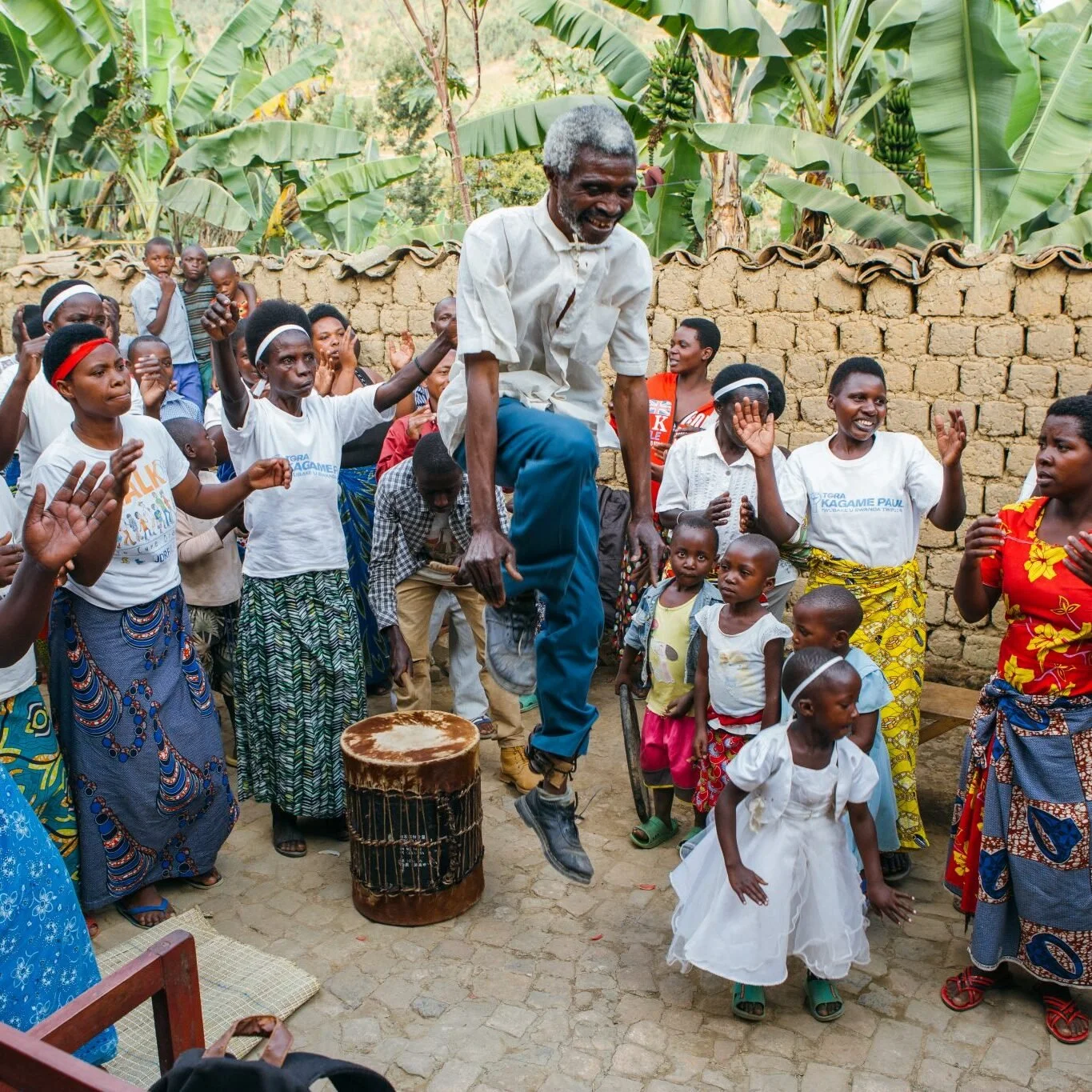
Ubunyaga creates safety and trust. When people feel genuinely welcomed, they open up more easily. This leads to stronger social bonds, better cooperation, and a sense of collective responsibility.
It is one reason Rwanda has achieved remarkable progress in unity and development. The quiet power of hospitality supports the bigger goal of living together peacefully.
Frequently Asked Questions
What does Ubunyaga mean?
Ubunyaga is the Rwandan cultural spirit of generosity, kindness, and inclusiveness that makes guests and strangers feel like family.
How do Rwandans show hospitality?
Through warm greetings, offering seats and water, sharing food, and taking time to ask about your well-being.
Is Ubunyaga still important in modern Rwanda?
Yes. It remains a core value and continues to shape daily interactions, even in cities and among younger generations.
What should I do when offered food in a Rwandan home?
Accept at least a small portion and say “Murakoze” (thank you). It shows appreciation for the hospitality.
Can visitors practice Ubunyaga?
Absolutely. Simple acts like greeting people warmly, offering help, or sharing what you have go a long way.
How is Ubunyaga different from general hospitality?
It is deeper than politeness. It comes from a cultural belief in shared humanity and community strength.
Ubunyaga reminds us that true hospitality is not about grand gestures. It lives in the small, consistent ways we make others feel valued and at home.
When you experience it in Rwanda, you understand why it is considered one of the country’s quiet strengths.
Want to go deeper into Rwandan culture and language? NKENNE offers authentic lessons and resources to help you connect meaningfully with Rwanda’s people and traditions. Start your journey with us today.