
Matapa: The Cassava Leaf Stew That Tells the Story of Mozambique
By: Yvonne Mag-usara
Some dishes tell you everything you need to know about a place.
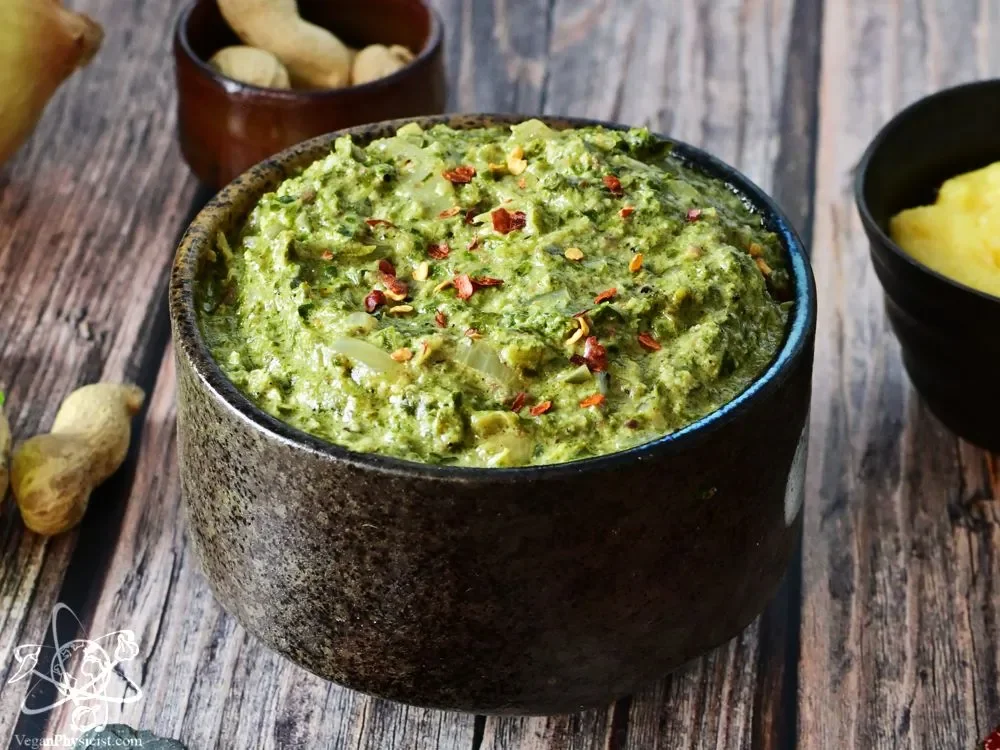
In Mozambique, Matapa does exactly that. Made from cassava leaves slowly cooked with peanuts and coconut milk, this humble stew appears on family tables, in neighborhood restaurants, and at celebrations across the country. It is filling, deeply flavorful, and tied to generations of culinary tradition.
What makes Matapa especially interesting is that it reflects Mozambique itself. Indigenous ingredients, Indian Ocean influences, and Portuguese colonial history all meet in a single dish. It is also closely connected to the country's linguistic diversity, where Portuguese exists alongside African languages such as Emakhuwa, Xichangana (Tsonga), Cisena, and Elomwe.
In this guide, you'll learn what Matapa is, how it became a staple of Mozambican cuisine, how to make it at home, and how to adapt it if cassava leaves are difficult to find.
Credit: Vegan Physicist
What Is Matapa?
Matapa is a traditional Mozambican stew made from finely chopped cassava leaves cooked with ground peanuts and coconut milk. Depending on the region, cooks may also add shrimp, crab, or dried seafood to deepen the flavor. It is commonly served with rice or xima, a maize porridge found throughout Southern Africa.
Although simple in appearance, Matapa represents centuries of food knowledge. The cassava leaves provide an earthy base, while peanuts and coconut milk create a rich, creamy texture that makes the dish surprisingly satisfying.
Today, Matapa is widely considered one of Mozambique's national dishes.
Why Matapa Matters in Mozambican Culture
Mozambique's cuisine reflects a long history of cultural exchange.
Indigenous farming traditions introduced ingredients such as cassava, while centuries of Indian Ocean trade contributed coconut-based cooking techniques. Portuguese influence later shaped how certain ingredients were cultivated and consumed across the country.
Credit: Jibola Oluseye via Facebook
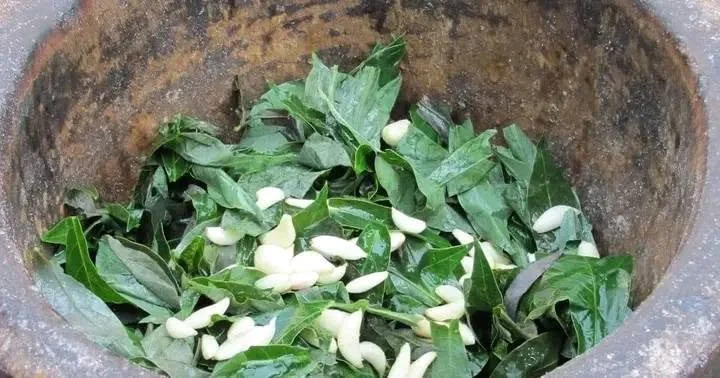
Cassava leaves are central to Matapa, and cassava remains one of the crops most closely tied to everyday food traditions in Mozambique.
Matapa brings many of these influences together.
In Maputo, Beira, Nampula, and smaller towns throughout the country, the dish remains a staple of everyday cooking. It is affordable, nutritious, and capable of feeding large families.
For many Mozambicans living abroad, Matapa also carries a sense of home. The aroma of coconut and peanuts simmering together can instantly evoke memories of family meals and community gatherings.
Key Ingredients in Traditional Matapa
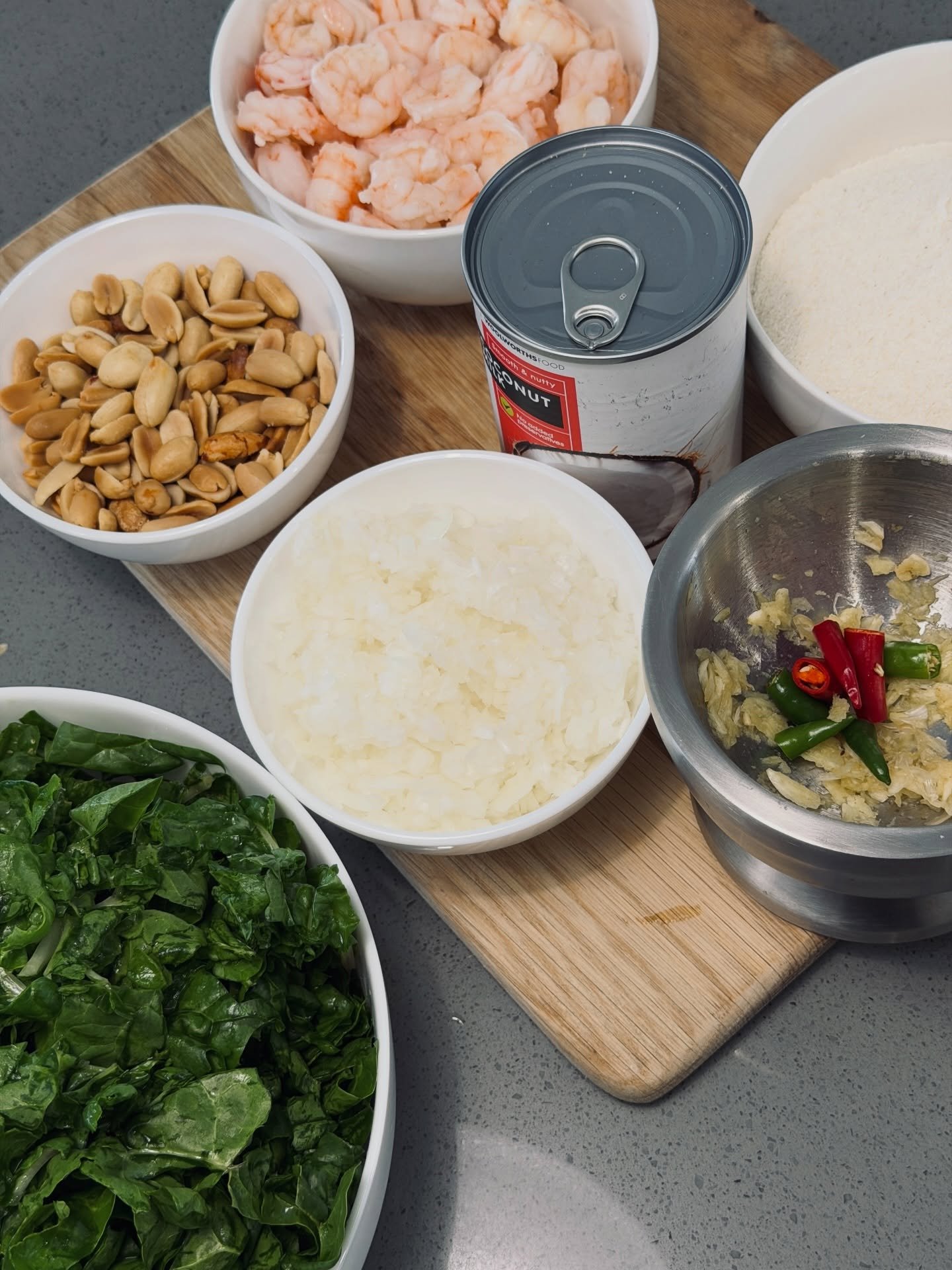
Classic Matapa relies on only a handful of ingredients:
Young cassava leaves
Ground peanuts
Coconut milk
Garlic
Onion
Salt
Many regional versions also include:
Shrimp
Crab
Dried fish
Tomatoes
Piri-piri peppers
The combination of peanuts and coconut milk creates the dish's signature richness, while cassava leaves contribute an earthy flavor that cannot be fully replicated by other greens.
Credit: @michal_naidoo via Instagram
How to Make Matapa at Home
Ingredients
500g cassava leaves, finely chopped
1 cup ground peanuts
1 cup coconut milk
3 cloves garlic, minced
1 small onion, chopped
Salt to taste
Optional: shrimp or crab
Method
Sauté the onion and garlic until softened.
Add the cassava leaves and cook for several minutes.
Stir in the ground peanuts.
Pour in the coconut milk and mix thoroughly.
Simmer gently for 30–40 minutes.
Add seafood if using and cook until done.
Season to taste and serve hot.
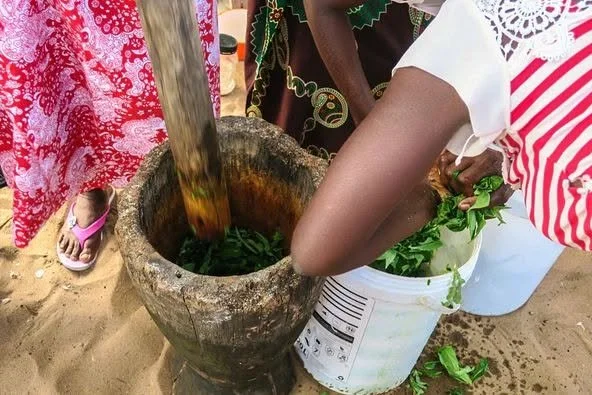
Traditional recipes often involve pounding the leaves before cooking, which helps create Matapa's smooth texture.
Credit: Brenda Franck via Facebook
Ingredient Substitutions for Urban Kitchens
Outside Mozambique, cassava leaves can be difficult to find.
Fortunately, several alternatives work well.
Best Substitutes
Kale
Collard greens
Spinach
Swiss chard
Kale and collard greens provide the closest texture, while spinach offers a softer and more delicate version of the dish. Many international recipes successfully use these substitutions when cassava leaves are unavailable.
For peanuts, natural peanut butter can be used in place of freshly ground peanuts. Unsweetened coconut milk is generally the best choice for maintaining authenticity.
The result may not be identical to traditional Matapa, but it captures much of the dish's character.
What Matapa Tastes Like
If you've never tried Matapa before, imagine a rich green stew with layers of earthy, nutty, and slightly sweet flavors.
The cassava leaves provide depth and a gentle bitterness. The peanuts add richness. The coconut milk softens everything into a creamy sauce.
When seafood is added, it contributes a savory quality that balances the dish beautifully.
The overall effect is comforting rather than spicy, though piri-piri peppers are often served alongside it for those who enjoy more heat.
How Matapa Is Traditionally Served
Matapa is most commonly served with:
White rice
Xima (maize porridge)
In many households, the stew is placed at the center of the table and shared communally.
This style of eating reflects an important value found across many Mozambican cultures: food is meant to bring people together.
Whether the conversation happens in Portuguese, Emakhuwa, Xichangana, or another local language, Matapa often serves as the common thread connecting generations around the table.
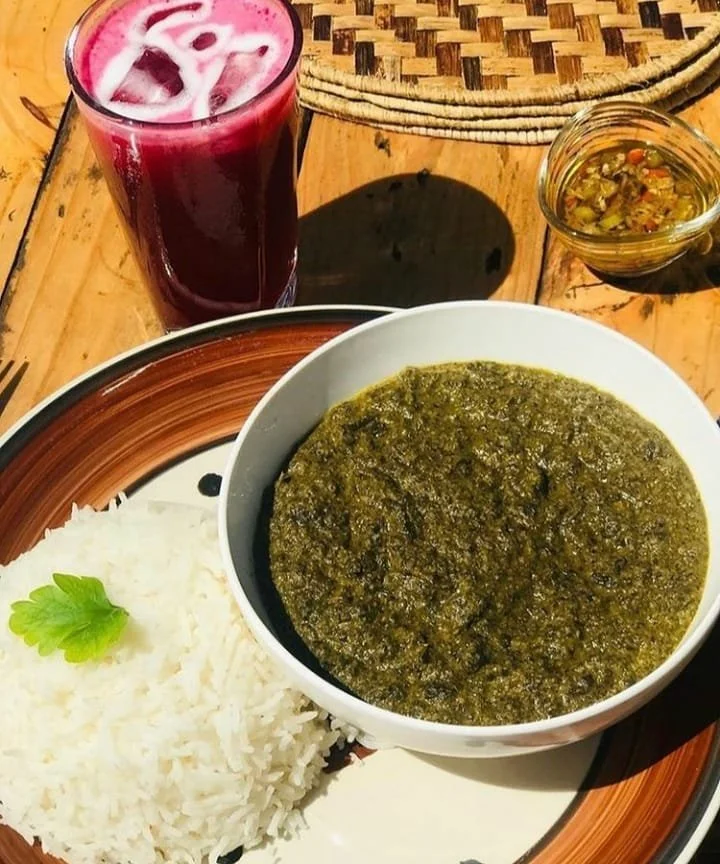
Credit: @afro.mag via Instagram
FAQs
What is Matapa?
Matapa is a traditional Mozambican stew made from cassava leaves, peanuts, and coconut milk.
What does Matapa taste like?
It tastes earthy, nutty, creamy, and slightly sweet from the coconut milk.
Can I make Matapa without cassava leaves?
Yes. Kale, collard greens, spinach, and Swiss chard are common substitutes.
Is Matapa vegetarian?
Many versions are vegetarian, though some recipes include shrimp, crab, or dried fish.
What is Matapa served with?
It is most commonly served with rice or xima.
Conclusion
Matapa demonstrates how a few simple ingredients can create something deeply memorable.
Its combination of cassava leaves, peanuts, and coconut milk reflects Mozambique's history, geography, and cultural diversity. It also highlights the connection between food and language, showing how culinary traditions are preserved not only through recipes but through the communities that continue to share them.
Whether you make it with traditional cassava leaves or adapt it using ingredients from your local grocery store, Matapa offers a delicious introduction to one of Africa's most distinctive food cultures.
Learn African Portuguese and Mozambican Culture with NKENNE
Food is one of the best ways to understand a culture, but language takes you even deeper.
With NKENNE, you can explore African Portuguese while learning about the traditions, histories, and everyday experiences that shape life across Mozambique.
Start your journey with NKENNE and discover the culture behind the language.
