
Ubugali (Ugali): How to Make Rwanda's Silky Cornmeal Staple - The Perfect Side for Every Meal
By: Chimdindu Ken-Anaukwu
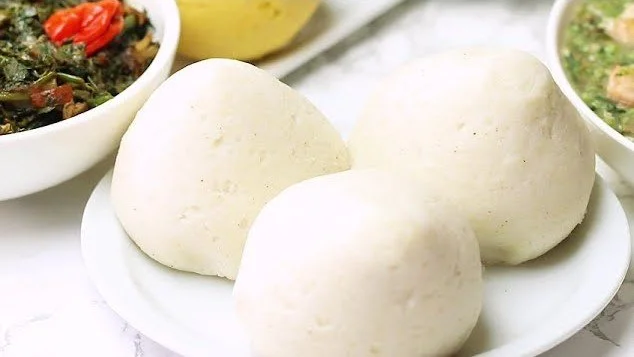
Walk into almost any Rwandan home at mealtime and you will see a smooth, firm mound of Ubugali placed in the center of the table. This thick cornmeal porridge is more than just food. It is the everyday companion to stews, the tool for scooping flavorful sauces, and a symbol of sharing.
In this guide, you will discover what Ubugali really means in Rwandan culture, why it is so important, and how to make a silky, lump-free version at home. You will also learn a popular cassava flour variation and the proper way to enjoy it the traditional way.
What Ubugali Really Means
Ubugali is the Kinyarwanda name for a thick, dough-like porridge made from maize flour. In many East African countries it is known as Ugali.
It acts as the neutral base that carries the rich flavors of stews like Isombe, Agatogo, or Akabenzi. Its simplicity is its strength. It turns basic ingredients into a satisfying, filling meal that feeds families affordably.
Why Ubugali Is Essential in Rwandan Meals
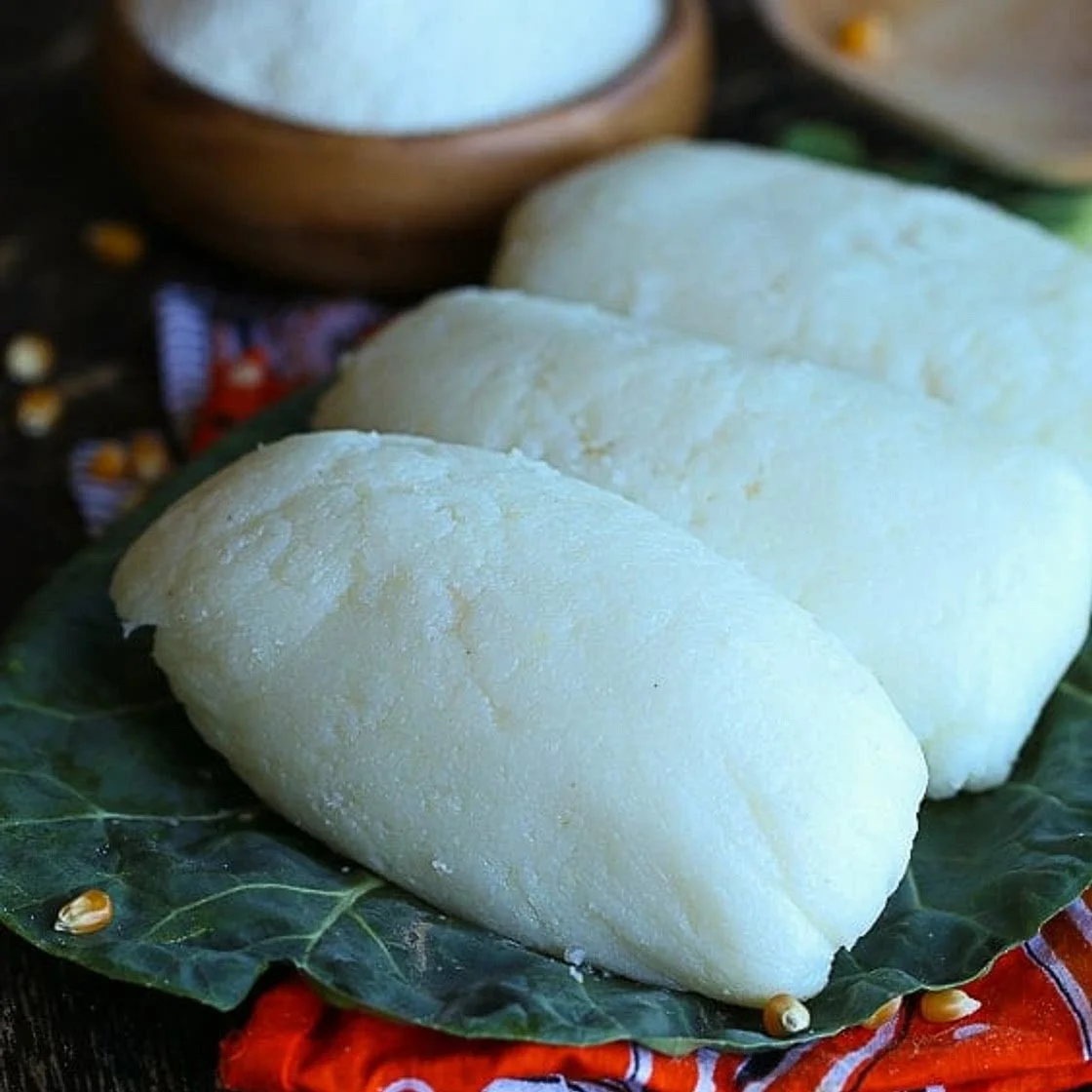
Ubugali is a daily staple for millions of Rwandans. It is affordable, stores well, and pairs perfectly with almost any sauce or stew.
Beyond practicality, it carries cultural meaning. Eating from a shared bowl of Ubugali encourages togetherness and equality at the table. It represents the values of community and simple abundance that are central to Rwandan life.
Core Ingredients for Perfect Ubugali
Fine white maize flour (cornmeal) – the finer the better for smoothness
Water
A pinch of salt (optional but recommended)
That is all you need. The magic comes from the technique and the right ratio of flour to water.
Step-by-Step Foolproof Recipe
Serves 4–6 Prep time: 5 minutes Cook time: 15–20 minutes
Ingredients:
4 cups water
2–2.5 cups fine maize flour
Pinch of salt (optional)
Instructions:
Bring the water to a rolling boil in a heavy pot. Add the salt if using.
Take a small handful of maize flour and sprinkle it evenly over the boiling water. Do not stir yet. Let it form a thin layer on top.
Cover the pot and let it steam for 1–2 minutes.
Now stir vigorously with a wooden spoon or mwiko (traditional stirring stick) until the mixture becomes smooth and thick.
Gradually add more flour, a little at a time, while stirring constantly. Keep adding until the Ubugali pulls away from the sides of the pot and forms a firm ball.
Reduce heat to low, cover, and cook for another 5–8 minutes, stirring occasionally.
Remove from heat. Let it rest for a few minutes before serving.
The final texture should be firm enough to hold its shape but soft enough to break off easily with your fingers.
Cassava Flour Twist (Ubugali wa Kivuguto)
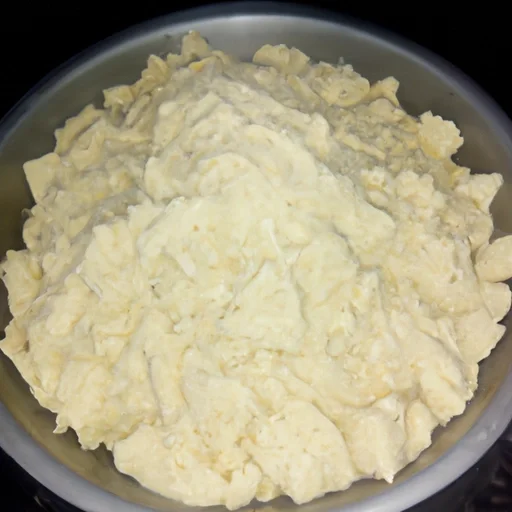
Many Rwandans enjoy mixing cassava flour with maize flour for a softer, slightly sweeter result.
Use a 50/50 blend or 70% cassava to 30% maize. Follow the same steps, but add the flour more gradually because cassava flour thickens differently. This version pairs especially well with fish stews or leafy greens.
Common Mistakes and How to Avoid Them
Lumps: Always add flour gradually and stir constantly from the beginning.
Too soft: Add more flour and cook longer until it firms up.
Too hard: Use slightly less flour next time or add a little hot water while stirring.
Practice a few times and you will quickly develop the feel for the perfect consistency.
How to Serve and Eat Ubugali Traditionally
Serve Ubugali while still warm in a large communal bowl or on individual plates.
The traditional way to eat it is with your right hand. Break off a small piece, roll it into a ball, make a small dent with your thumb, and use it to scoop up stew or sauce. This method allows the Ubugali to soak up flavors perfectly.
It pairs beautifully with Isombe, Agatogo, brochettes, or any saucy dish.

Frequently Asked Questions
What is Ubugali made of?
Ubugali is made from maize flour (cornmeal) and water, cooked into a thick, smooth porridge.
Is Ubugali the same as Ugali?
Yes. Ubugali is the Kinyarwanda name for what is commonly called Ugali in East Africa.
Can I use coarse cornmeal?
Fine maize flour gives the best silky texture. Coarse cornmeal will result in a grittier consistency.
How do you store leftover Ubugali?
Wrap it tightly in plastic or banana leaves while still warm. It keeps well in the fridge for 2–3 days and can be reheated with a little water.
Is cassava flour Ubugali healthier?
Both versions are nutritious. Cassava adds a different texture and mild sweetness while remaining gluten-free and filling.
Ubugali may look simple, but it is a perfect example of how Rwandan cooking turns basic staples into something deeply satisfying and communal.
Master this recipe and you will have the foundation for enjoying many authentic Rwandan meals at home.
Ready to explore more of Rwanda’s kitchen and culture? NKENNE brings you practical recipes, language lessons, and rich cultural stories. Join us and keep discovering the heart of Rwandan heritage one delicious step at a time.