
By: Chimdindu Ken-Anaukwu
Twi speakers do not just talk. They “break proverbs.” Mmɛbusɛm (or mmɛ) are short, sharp sayings packed with wisdom that elders use to teach, advise, correct or praise. Understanding them helps you follow conversations and shows respect for Akan culture. Here are 10 common Twi proverbs with their literal meaning and the real message behind them.
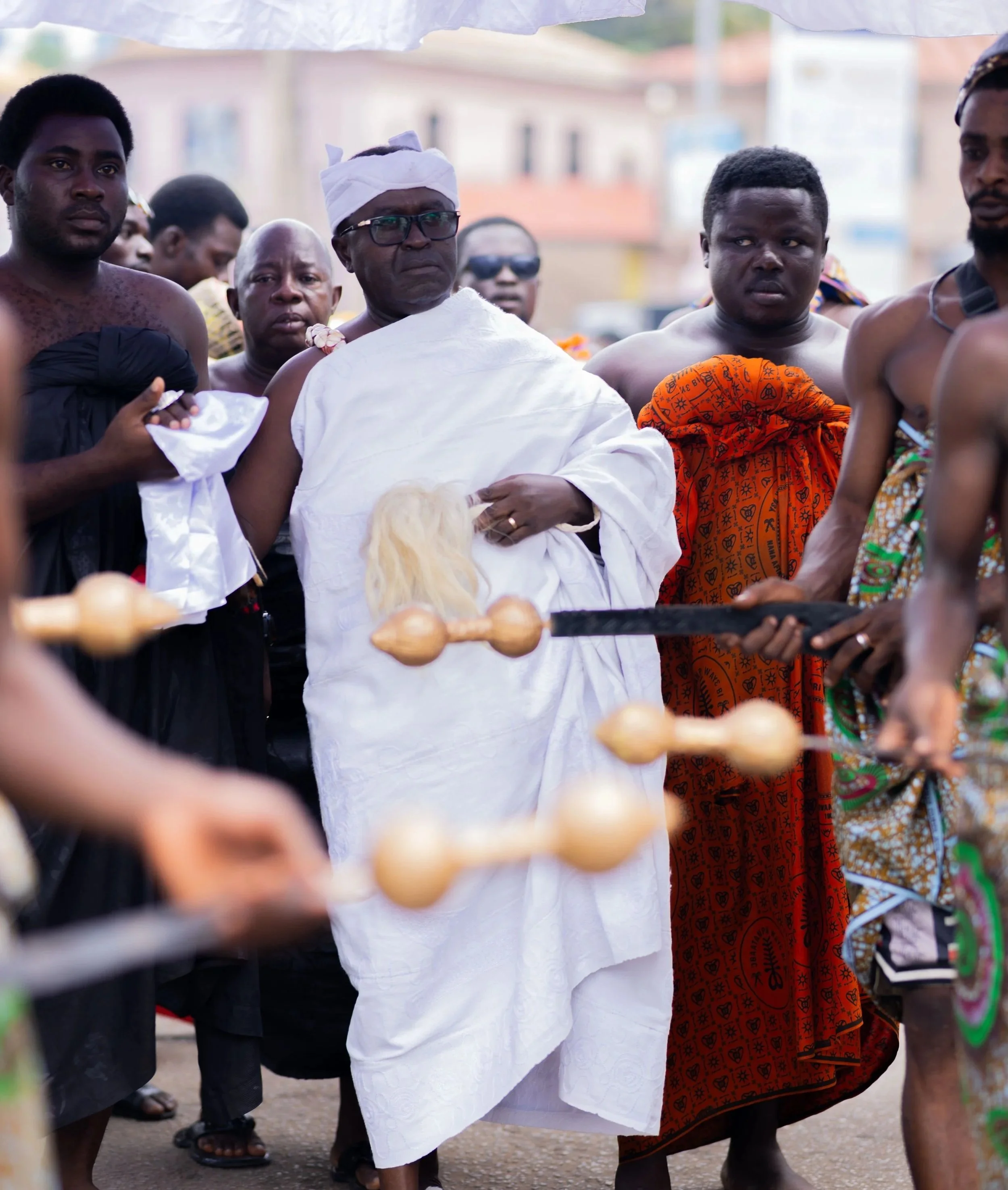
Why Proverbs Matter in Twi Culture
Elders often say the wise person is spoken to in proverbs, not plain words. Mmɛbusɛm carry lessons about family, hard work, caution and community. They are used in everyday talk, formal meetings and storytelling. Knowing a few makes your Twi richer and more natural.
10 Twi Proverbs with Literal and Real Meanings
1. Tikoro nkɔ agyina
Literal: One head does not go into council.
Real meaning: Two heads are better than one. Decisions improve when more people share ideas.
2. Ɔkɔtɔ nwo anomaa
Literal: A crab does not give birth to a bird.
Real meaning: Children often resemble their parents in character or behaviour. Like father, like son.
3. Woforo dua pa a, na yɛpia wo
Literal: When you climb a good tree, people push you up.
Real meaning: When you pursue something worthwhile, help and support come your way.
4. Sɛ wo werɛ fi na wosan kɔfa a, yɛnkyiri
Literal: If you forget and go back for it, it is not forbidden.
Real meaning: It is okay to return to the past for wisdom or what you left behind. This is the idea behind Sankofa.
5. Ba nyansafoɔ yɛbu no bɛ, yɛnnka no asɛm
Literal: The wise child is spoken to in proverbs, not plain speech.
Real meaning: A wise person understands subtle advice. Direct talk is for those who need it spelled out.
6. Aboa bi bɛka wo a, na ɔfiri wo ntoma mu
Literal: The animal that will bite you comes from inside your own cloth.
Real meaning: Harm often comes from people close to you. Be careful whom you trust completely.
7. Nsateaa nyinaa nnyɛ pɛ
Literal: All fingers are not the same.
Real meaning: People have different strengths, weaknesses and roles. Do not expect everyone to be equal in every way.
8. Obi nnim a, obi kyerɛ
Literal: If one person does not know, another teaches.
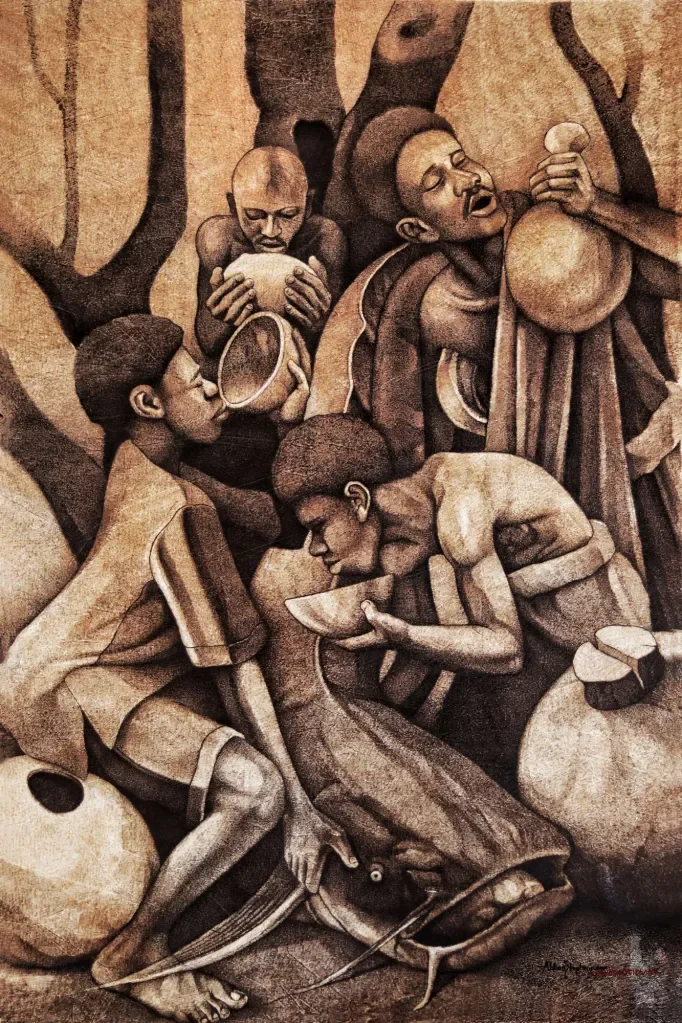
Real meaning: Knowledge is shared. We learn from each other.
9. Nsa baako nkura adesoa
Literal: One hand cannot lift a load.
Real meaning: Some tasks need cooperation. Unity makes heavy work lighter.
10. Berɛ te sɛ anomaa, woankyere no na otu a, wonhu no bio
Literal: Time is like a bird. If you do not catch it and it flies away, you will not see it again.
Real meaning: Time flies. Use opportunities while they are there.
How to Use These Proverbs
Start by listening for them in conversations. When you hear one, note the situation. Practice saying them slowly and clearly. Use a simple one like “Tikoro nkɔ agyina” when suggesting teamwork. Elders appreciate when younger people use proverbs correctly.
FAQs About Twi Proverbs
What does mmɛbusɛm mean?
Mmɛbusɛm (or mmɛ) means proverbs or wise sayings in Twi.
Why do Akan people use so many proverbs?
Proverbs teach lessons politely and memorably. They show the speaker is thoughtful and culturally grounded.
Are these proverbs only for elders?
No. Anyone can use them, but they carry more weight when spoken with understanding and respect.
Is Sankofa a proverb?
Sankofa is both an Adinkra symbol and linked to the proverb about going back for what you forgot. It encourages learning from the past.
How can I learn more proverbs?
Listen to elders, Twi stories, songs and podcasts. Practice a few at a time until they feel natural.

Conclusion
Twi proverbs pack deep wisdom into few words. They guide behaviour, protect relationships and keep cultural knowledge alive. Learning even ten of them sharpens your ear for the language and connects you to the thinking of generations before you.
Want to hear these proverbs spoken and learn more Twi the practical way? NKENNE gives you clear lessons, audio and cultural context so you can speak with confidence. Join the community and keep the wisdom growing. Medaase for reading.