
By: Chimdindu Ken-Anaukwu
In Rwanda, milk is more than food. It carries history, status, and daily comfort. One of the clearest expressions of this relationship is Ikivuguto, the country’s traditional fermented milk. Thick, slightly sour, and naturally refreshing, it is a drink that connects the past to the present.
In this guide, you will learn what Ikivuguto is, how it is traditionally made, why cattle hold such an important place in Rwandan culture, and how this simple fermented milk continues to shape everyday life.

What Is Ikivuguto?
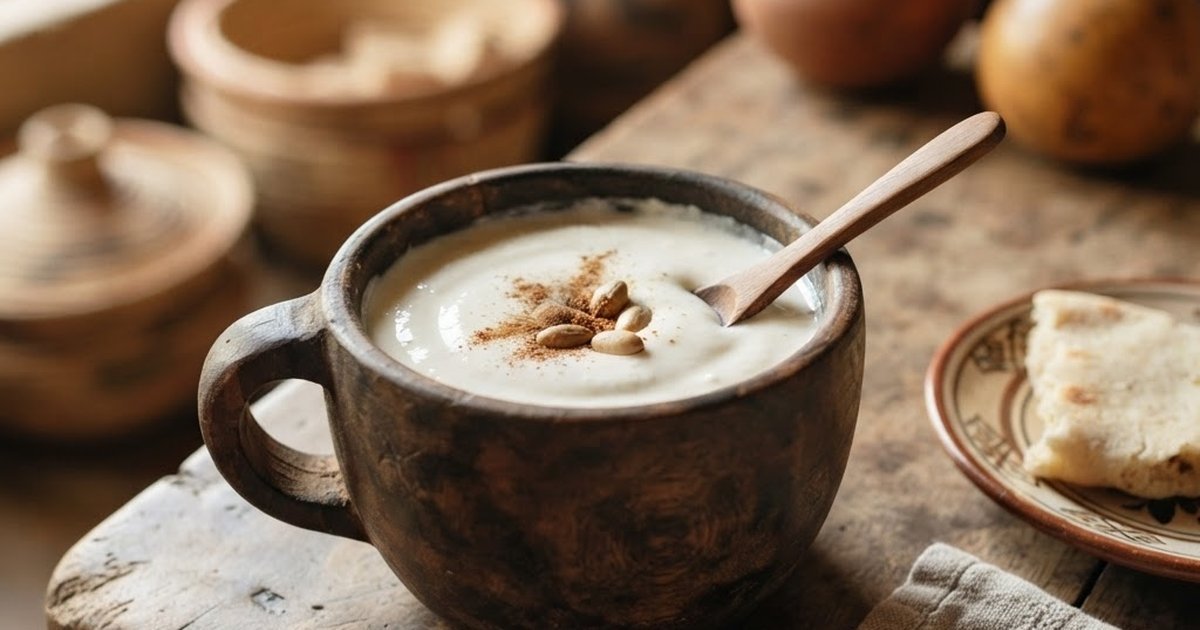
Ikivuguto (also called Kivuguto) is a traditional fermented milk made from fresh cow’s milk. Through natural fermentation, the milk thickens and develops a mild tangy flavor.
It sits somewhere between drinkable yogurt and thin cultured milk. No commercial starter is needed in the traditional method. The process relies on the natural bacteria present in the milk and the containers used.
For generations, Ikivuguto has been a practical way to preserve milk in a warm climate while creating a nutritious and refreshing drink.
Cattle Culture in Rwanda
Cattle have long held a central place in Rwandan society. Cows were traditional symbols of wealth, status, and social standing. Ownership of cattle shaped marriages, gifts, and community relationships.
Milk was highly valued, and fermented milk became one of the most practical ways to use and preserve it. The connection between cattle and daily nutrition remains strong. Even today, milk is widely consumed across the country, and programs that distribute cows to families continue to build on this cultural foundation.
Ikivuguto sits at the heart of this relationship between people, cattle, and food.

How Ikivuguto Is Traditionally Made
The traditional process is simple and relies on time and natural fermentation.
Fresh milk is collected after milking.
It is poured into a clean container. Traditionally, this could be a wooden jar (icyansi), a calabash, or a special milk pot.
The container is covered and left in a warm, clean place.
The milk ferments naturally for one to three days.
Once it thickens and develops its characteristic tang, it is ready to drink.
In some cases, a small amount of previously fermented milk is added to help start the process. The result is a living product that varies slightly depending on temperature, container, and time.
Taste and Texture
Ikivuguto has a clean, mildly sour taste. It is creamy but still drinkable. Some versions are thicker, while others remain closer to a cultured milk drink.
The flavor is refreshing, especially in warmer weather. Many people enjoy it plain, while others add a little sugar or honey.
Ikivuguto in Daily Life
Ikivuguto appears in everyday meals and social moments. It is commonly served with ugali, sweet potatoes, beans, or as a standalone drink. It has long been valued for its nutritional benefits and ease of digestion.
In homes and communities, offering fermented milk can also serve as a simple act of hospitality. It is a drink that feels both ordinary and deeply rooted in tradition.
Modern Versions and Milk Bars
Today, Ikivuguto is available in two main forms. Homemade and small-scale traditional versions continue in many households. Commercial dairy companies also produce pasteurized versions that are sold in shops and markets.
One of the most distinctive modern expressions of Rwanda’s milk culture is the milk bar. These dedicated spaces serve fresh and fermented milk, including Ikivuguto, as the main offering. They have become popular social spots where people gather for a glass of cold or room-temperature fermented milk.
This blend of tradition and modern daily life keeps Ikivuguto relevant across generations.
Frequently Asked Questions
What is Ikivuguto?
Ikivuguto is Rwanda’s traditional fermented milk, made by allowing fresh cow’s milk to sour and thicken naturally.
How is Ikivuguto different from regular yogurt?
Traditional Ikivuguto relies on spontaneous fermentation rather than commercial starter cultures. The texture is usually thinner and more drinkable than many commercial yogurts.
How long does traditional fermentation take?
Typically between one and three days, depending on temperature and conditions.
Is Ikivuguto still popular today?
Yes. It remains widely consumed in homes and is a common offering in Rwanda’s milk bars.
Can visitors try Ikivuguto in Rwanda?
Yes. It is easy to find in milk bars, markets, and some restaurants, especially in Kigali and other towns.

Ikivuguto is a quiet but powerful expression of Rwandan food culture. It carries the history of cattle, the practical wisdom of fermentation, and the everyday comfort of a familiar drink. In every glass, there is a connection to the land, the animals, and the people who have valued milk for generations.
Next time you are in Rwanda, try a cold glass of Ikivuguto. You will taste more than fermented milk. You will taste a living tradition.
Want to explore more Rwandan food, language, and culture? NKENNE brings you practical lessons and authentic stories that help you connect more deeply with Rwanda. Join us and keep discovering the country’s rich heritage one tradition at a time.