
By: Chimdindu Ken-Anaukwu
Walk through any Ghanaian night market and the smell of sizzling oil, ginger and pepper will pull you in. That aroma belongs to kelewele, ripe plantains cubed, heavily spiced and fried until golden and crispy on the outside while soft and sweet inside. It is one of Ghana’s most addictive street snacks. In this guide you will learn how to make it at home, why it rules the night markets, and simple dipping ideas that take it further.
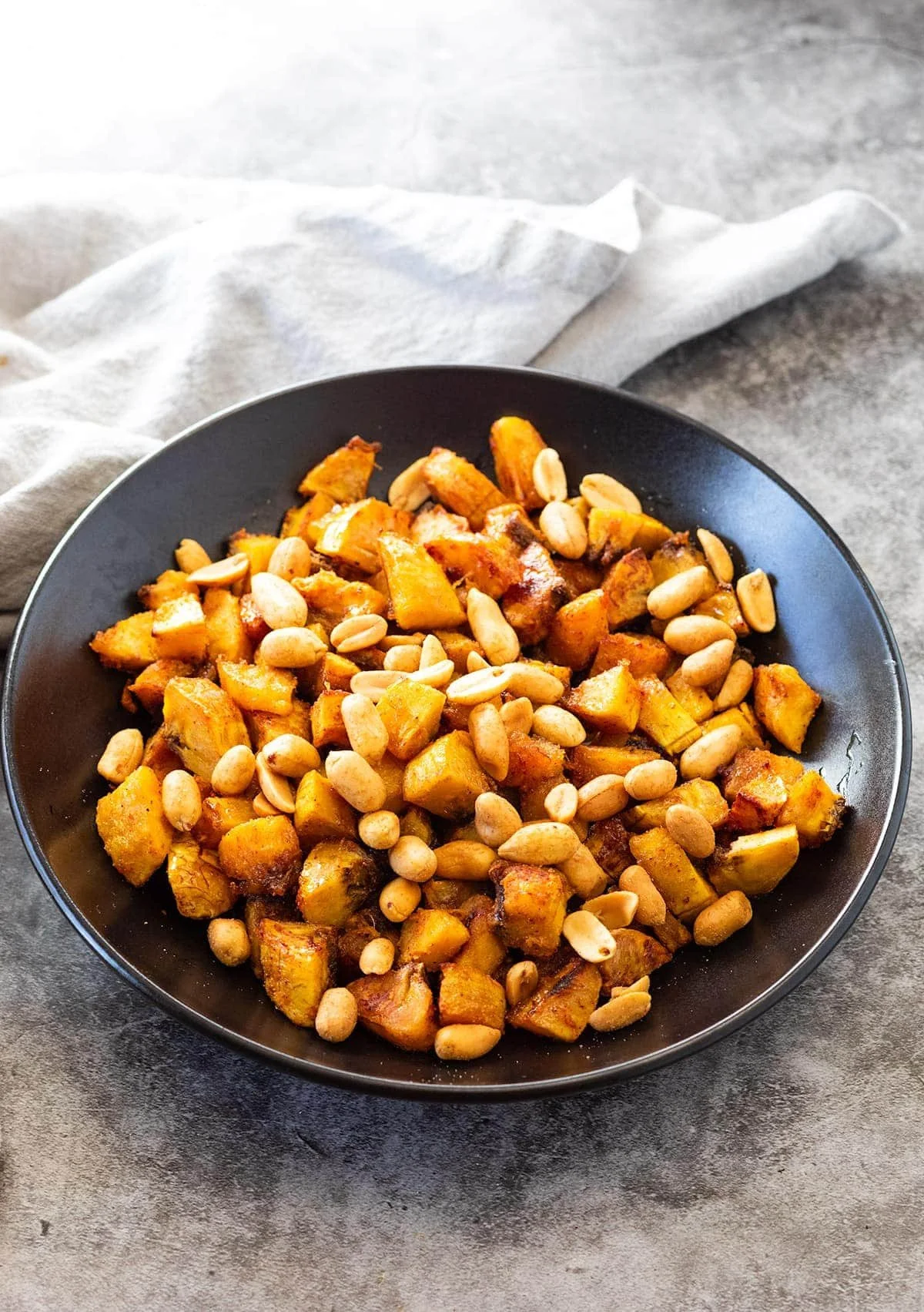
What Is Kelewele?
Kelewele is cubed ripe plantain coated in a bold spice paste of ginger, onion, pepper and sometimes nutmeg or anise, then deep-fried. The natural sugar in the ripe plantain caramelizes in the hot oil, creating a sweet-spicy, slightly sticky exterior with a soft center.
The name comes from Ga words meaning “cut into small pieces” and “fried.” It is popular across Ghana, especially among Ga and Akan communities, and is sold mainly in the evenings.
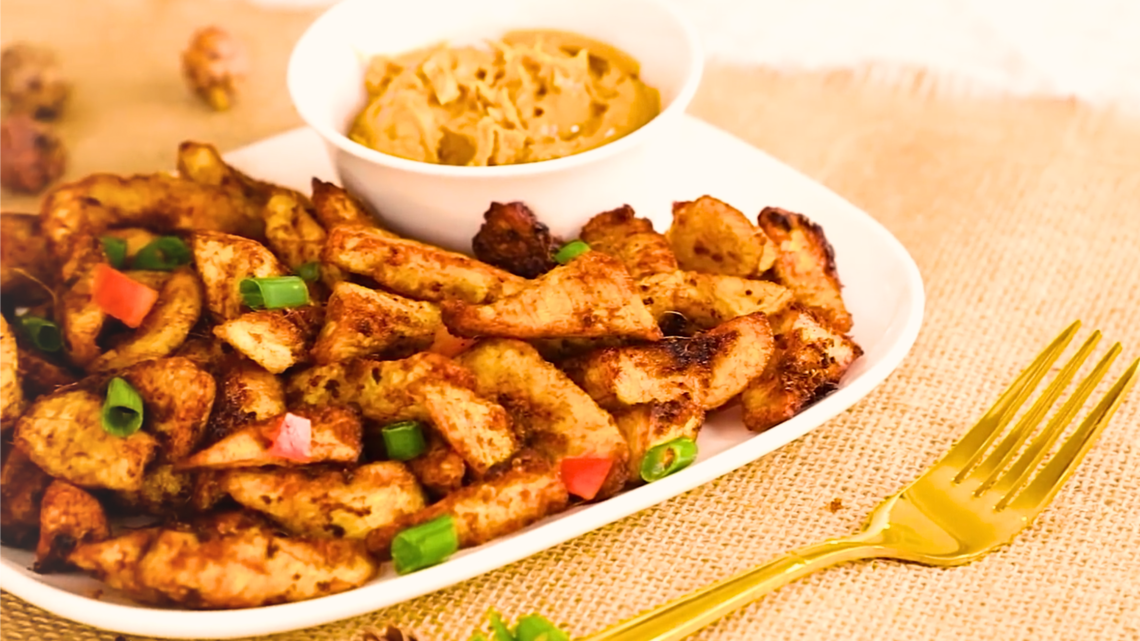
Why It Rules the Night Markets
Kelewele is a night food. Vendors set up near lorry stations, night markets and busy roadsides as the sun goes down. The warm smell of ginger and pepper travels far and draws people who are hungry after work or travel.
It is cheap, filling and easy to eat with your fingers or a toothpick. Many buy it with a handful of roasted groundnuts. The combination of heat, sweetness and crunch makes it hard to stop at one serving. For night travelers and late-evening crowds, it has become a loyal companion.
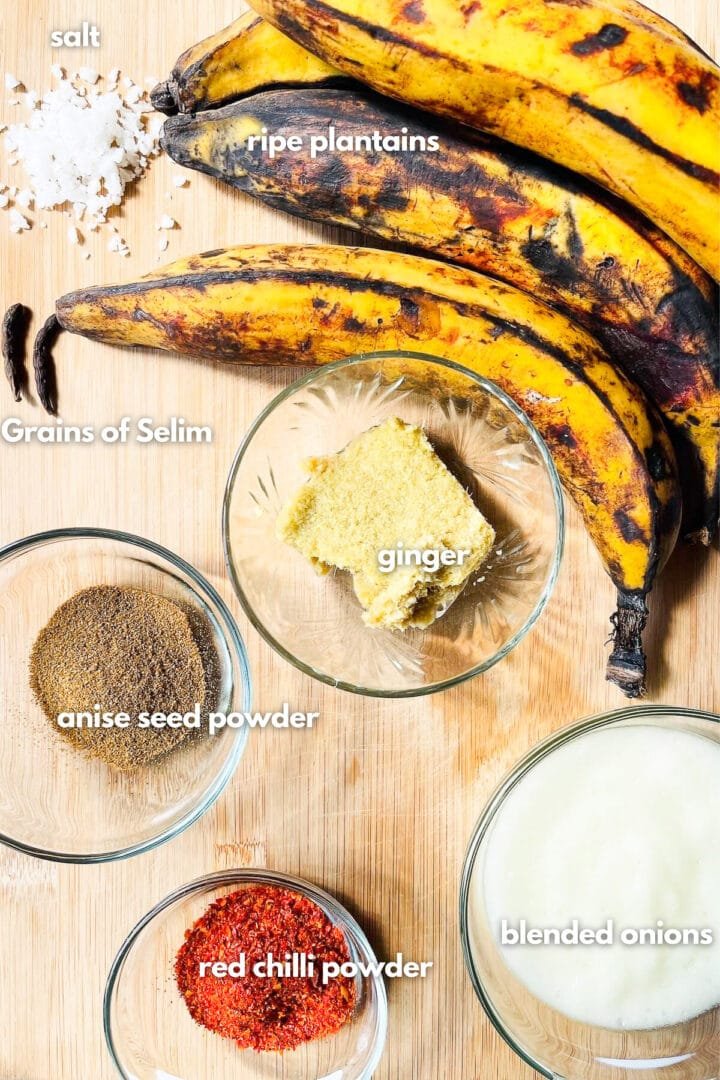
Ingredients
4–6 ripe plantains (yellow with black spots, firm but sweet)
1 small onion
1 thumb-sized piece fresh ginger
2–3 garlic cloves (optional but common)
1–2 tsp cayenne pepper or 1–2 scotch bonnet peppers
½–1 tsp ground nutmeg (optional)
½ tsp anise seed or ground cloves (optional)
1 tsp salt
Oil for deep frying
Roasted peanuts for serving
Step-by-Step Recipe
Peel the plantains and cut them into bite-sized cubes or thick diagonal chunks (about 2 cm). Keep the pieces roughly the same size so they cook evenly.
Blend or pound the onion, ginger, garlic, pepper, nutmeg, anise or cloves and salt with just a little water into a thick paste. Avoid making it too watery.
Toss the plantain pieces thoroughly in the spice paste until every surface is coated. Let them marinate for 15–30 minutes so the flavors soak in.
Heat oil in a deep pan to about 175°C (350°F). Test with a small piece. It should sizzle steadily.
Fry the plantains in small batches. Do not overcrowd the pan. Turn them occasionally until they are deep golden brown and slightly caramelized (about 4–6 minutes per batch).
Remove with a slotted spoon and drain on paper towels. Serve hot.
Dipping Sauce and Serving Ideas
Classic style is simple: hot kelewele with roasted groundnuts on the side. The peanuts add crunch and mild sweetness that balances the spice.
Other good options:
Shito (Ghanaian black pepper sauce) for extra heat and depth
A light pepper sauce made with blended tomato, onion and scotch bonnet
Avocado slices or a quick avocado mash for creaminess
Red-red (black-eyed bean stew) if you want it as a fuller side dish
Many people also eat kelewele on its own as a late-night snack.
Tips for Perfect Kelewele
Choose plantains that are yellow with plenty of black spots. Fully green ones stay starchy. Overripe ones that are completely soft will fall apart.
Keep the spice paste thick. Too much water makes it slide off and causes the oil to spit.
Fry in small batches. Crowding lowers the oil temperature and leads to greasy, soggy results.
Medium-high heat is best. Too hot and the outside burns before the inside softens. Too low and the plantains absorb oil.
Eat it fresh. Kelewele is at its best straight from the fryer while still crispy.
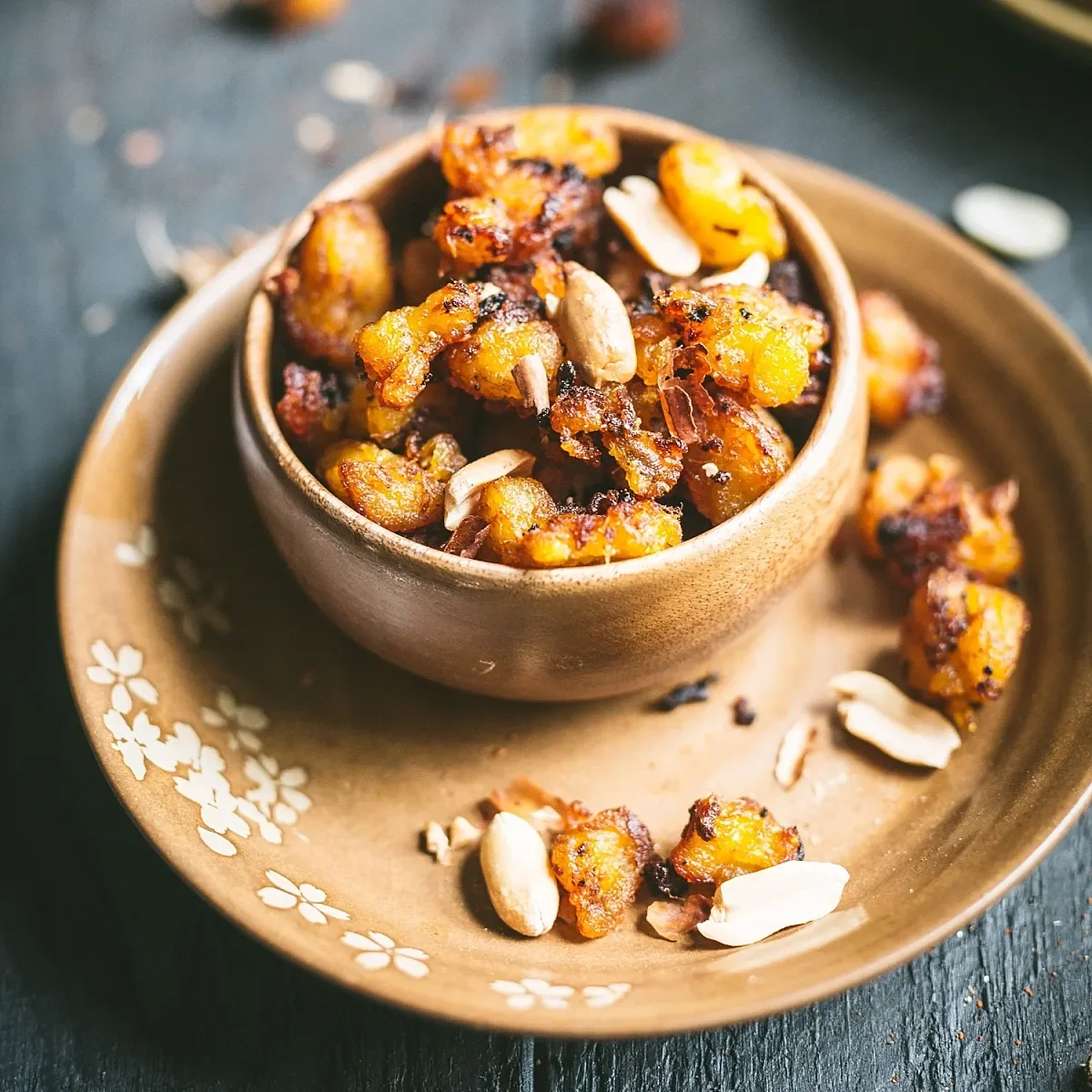
FAQs About Kelewele
What kind of plantains work best?
Ripe ones with yellow skin and black spots. They should feel soft but still hold their shape when cut.
Can I bake or air-fry kelewele?
Yes. Toss the marinated pieces with a little oil and bake at 220°C or air-fry at 180–200°C, turning halfway, until golden. The texture will be less crispy than deep-fried.
How spicy should it be?
Traditional kelewele is quite hot. Start with less pepper and increase to your taste. Ginger is non-negotiable for authentic flavor.
How long does it keep?
It is best eaten immediately. Leftovers can be refrigerated for a day and reheated in a hot oven or air fryer, but they lose some crispness.
Is kelewele only street food?
No. Many people make it at home as a snack or side dish, especially for parties and family gatherings.
What does the name mean?
It comes from Ga language roots meaning cut into pieces and fried.
Conclusion
Kelewele captures everything good about Ghanaian street food: bold spice, natural sweetness, crunch and the pleasure of eating something hot and fresh under the night lights. Once you master the simple spice paste and frying technique, you can recreate that night-market taste at home anytime.
Want more authentic Ghanaian recipes and the Twi that goes with them? NKENNE has clear guides, cultural notes and language support to help you cook and connect. Join the community and keep exploring. Medaase for reading. Your next batch of kelewele is waiting.