
By: Chimdindu Ken-Anaukwu
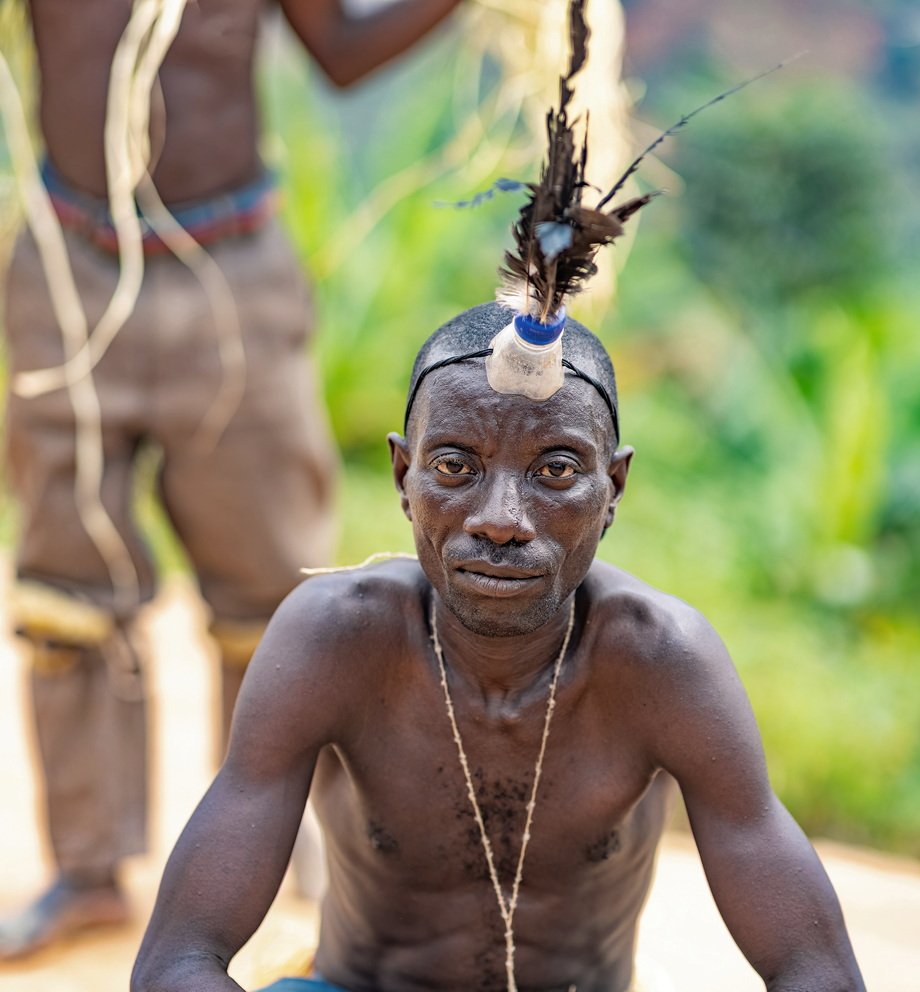
Among Rwanda’s rich cultural landscape is a community whose story is often quiet but deeply rooted. The Twa, also known as Batwa, are the country’s indigenous minority. Traditionally associated with forest life, hunting, pottery, and distinctive performance traditions, they form the smallest population group in Rwanda.
In this guide, you will learn who the Twa are, the skills and knowledge they developed over generations, the challenges they have faced, and how their cultural contributions continue to enrich Rwanda’s broader heritage.
Who Are the Twa?
The Twa are an indigenous people of the Great Lakes region, present in Rwanda, Burundi, Uganda, and parts of the Democratic Republic of Congo. In Rwanda, they represent less than one percent of the population, with estimates often ranging between 25,000 and 35,000 people.
Historically, they were associated with forest environments, where they developed deep knowledge of plants, animals, and seasonal patterns. Over time, many transitioned into other livelihoods, particularly pottery, as access to forests declined.
Traditional Livelihoods and Skills
For generations, the Twa were skilled hunter-gatherers. They understood forest ecosystems intimately and relied on hunting, gathering, and trading forest products with neighboring communities.
As forests shrank due to agriculture, settlement, and later conservation efforts, many Twa adapted by developing other forms of work. Pottery became one of the most recognized and enduring skills associated with the community.
Pottery: A Defining Craft
Twa pottery is one of their most visible cultural contributions. Using local clay, artisans shape pots by hand for cooking, storage, and sometimes decorative or ritual use. The knowledge of sourcing clay, shaping vessels, and firing them has been passed down through families.
Even as modern materials reduced demand for traditional clay pots, pottery remains an important marker of identity and skill for many Twa communities. It represents both practical knowledge and cultural continuity.
Dance, Music, and Performance
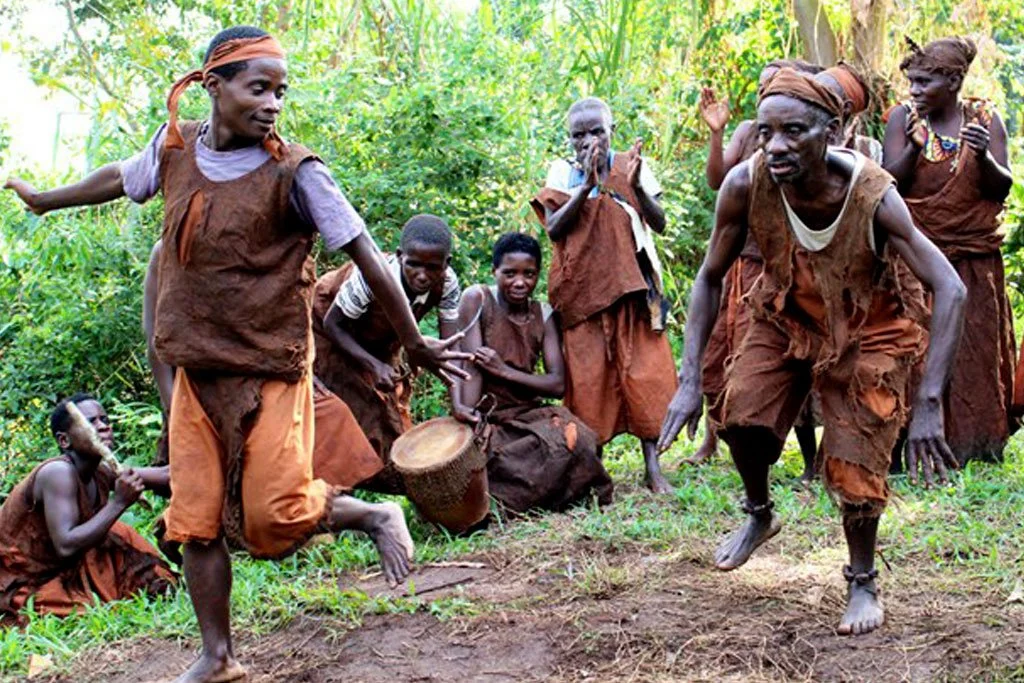
Beyond material crafts, the Twa have long been known for distinctive forms of song, dance, and entertainment. In earlier periods, some Twa performed at royal courts. Today, elements of their performance traditions continue to appear in cultural expressions and community gatherings.
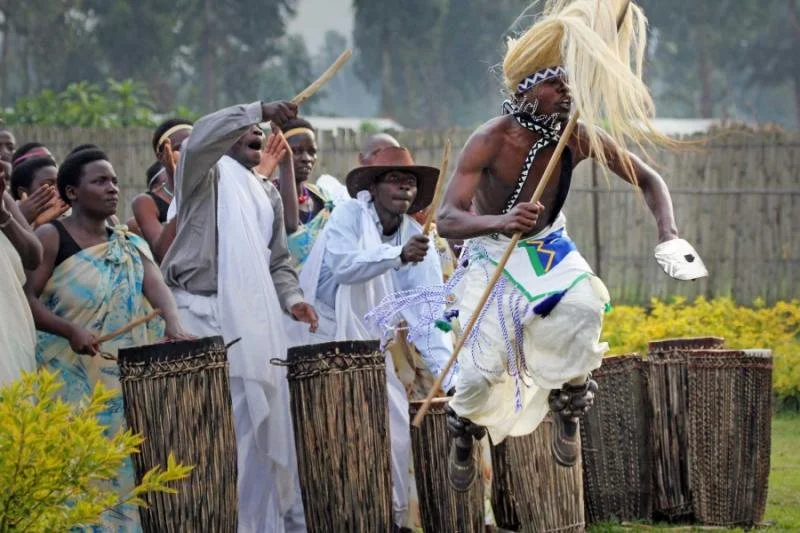
These artistic forms add another layer to Rwanda’s broader performing arts heritage, alongside better-known traditions such as Intore dance and drumming.
Historical Challenges and Marginalization
The Twa have faced long-term social and economic marginalization. Loss of forest access, limited land ownership, and social stigma contributed to high levels of poverty and exclusion over many decades.
During the 1994 Genocide against the Tutsi, the Twa also suffered heavy losses. Estimates suggest a significant proportion of their population was killed or displaced. Their experiences during that period have often received less public attention than those of larger groups.
In the years that followed, the Rwandan government promoted a unified national identity and discouraged ethnic labeling. The Twa are frequently referred to in official contexts as part of the “Historically Marginalised Peoples.”
The Twa in Modern Rwanda
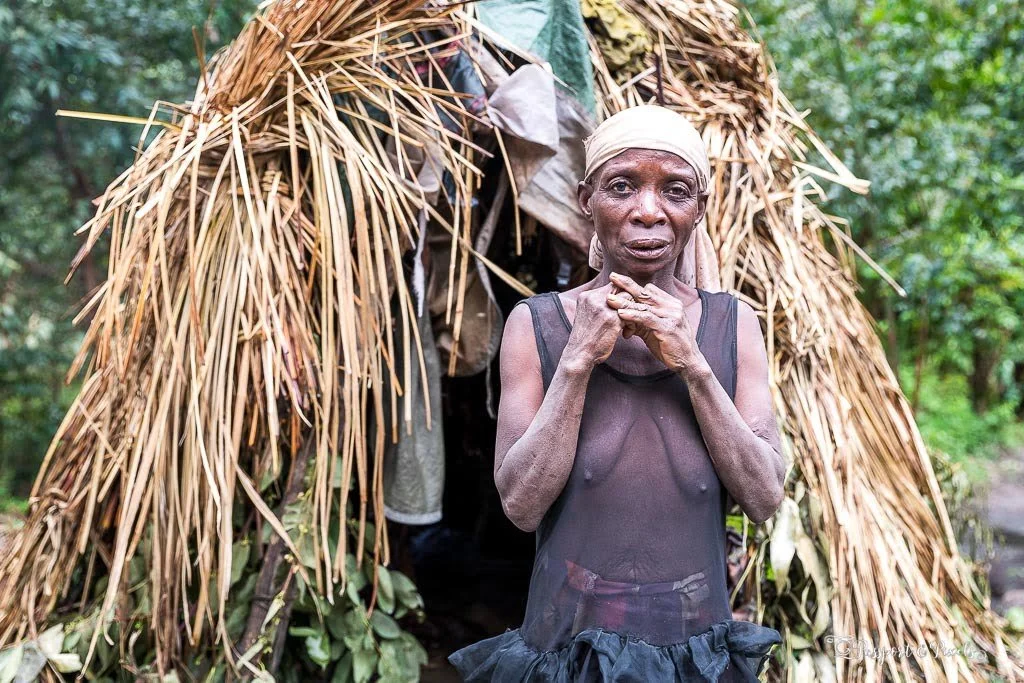
Today, most Twa no longer live as forest dwellers. Many work as potters, day laborers, or in other informal occupations. Access to education, land, and economic opportunities remains a challenge for many families.
At the same time, community organizations and development initiatives have sought to support livelihoods, education, and cultural preservation. Pottery cooperatives and cultural awareness efforts continue in some areas.
Their story is one of adaptation under difficult conditions while holding on to distinctive skills and identity.
Why Their Story Matters
The Twa are part of Rwanda’s full cultural and historical landscape. Their knowledge of forests, their craftsmanship in pottery, and their performance traditions form threads in the larger national story.
Recognizing their contributions helps create a more complete understanding of Rwanda’s past and present. It also highlights the importance of inclusion as the country continues to build a shared future.
Frequently Asked Questions
Who are the Twa people of Rwanda?
The Twa (Batwa) are Rwanda’s indigenous minority group, traditionally associated with forest hunter-gatherer life and later with pottery and performance traditions.
What are the Twa known for?
They are particularly known for pottery, traditional hunting and forest knowledge, and distinctive forms of song and dance.
How large is the Twa population in Rwanda?
Estimates generally place the population between roughly 25,000 and 35,000 people, making them less than one percent of the national population.
Why are the Twa sometimes called “Historically Marginalised Peoples”?
In post-genocide Rwanda, official policy discourages ethnic labels. The term is used to refer to groups that have faced long-term social and economic exclusion, including the Twa.
Do the Twa still live in forests?
Very few, if any, maintain a traditional forest-based lifestyle in Rwanda today. Most live in settled communities and engage in pottery, casual labor, or other work.
The Twa story is one of deep roots, specialized knowledge, and resilience. Though they form the smallest population group in Rwanda, their skills in pottery, their historical connection to the land, and their cultural expressions remain part of the country’s living heritage.
Understanding their place in Rwanda’s past and present helps complete the national picture.
Want to explore more of Rwanda’s diverse cultural heritage and language? NKENNE offers authentic insights into the traditions, history, and people that shape the country. Join us and continue learning about Rwanda’s rich and complex story.