
Thiébou Yapp: Hearty Beef Jollof Rice – The Meat-Lover's Version of Thiéboudienne
By: Chimdindu Ken-Anaukwu
When you crave the iconic Senegalese rice flavor but want rich red meat instead of fish, Thiébou Yapp delivers. This hearty beef version cooks tender chunks of meat with broken rice in a deeply flavorful tomato base loaded with vegetables. It brings the same soulful taste as the national dish Thiéboudienne, yet satisfies meat lovers completely. In this guide you will find an authentic recipe, step-by-step instructions, cultural notes, and easy tips to recreate this Wolof classic at home.
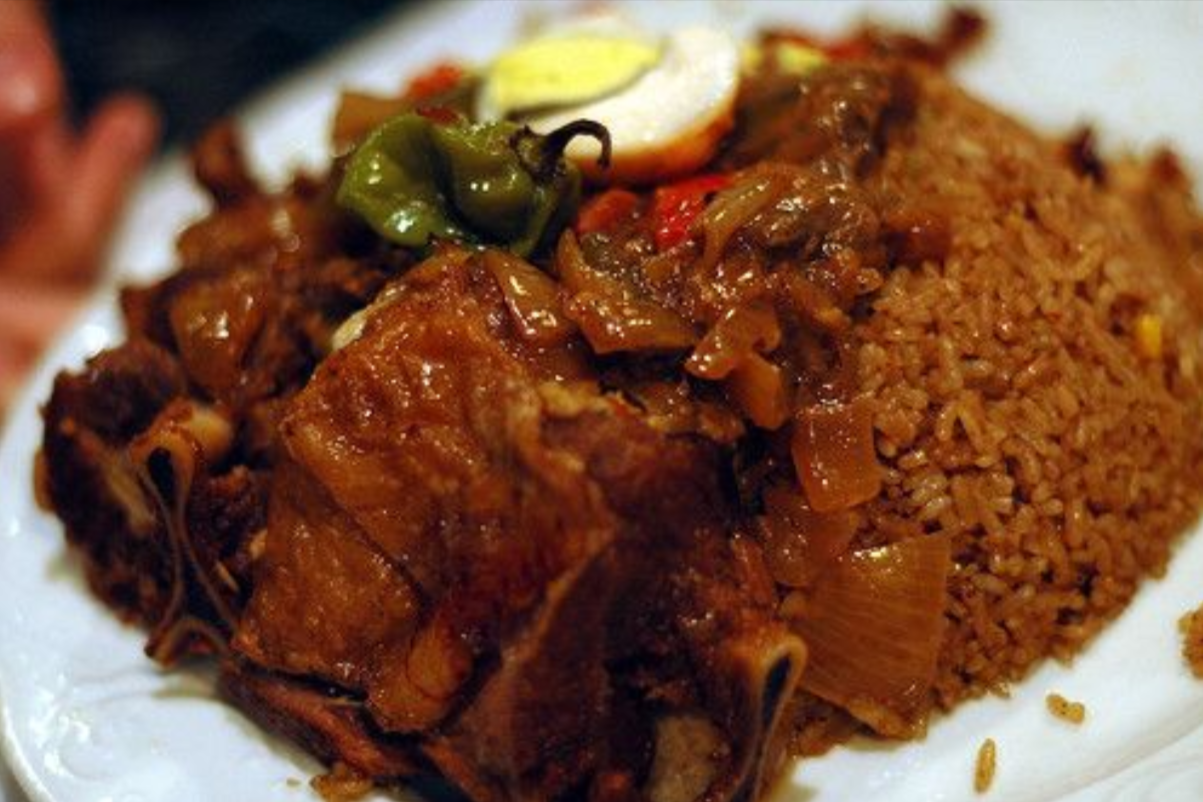
What Makes Thiébou Yapp Special in Wolof Cuisine
Thiébou Yapp (also called ceebu yapp) follows the same cooking method as Thiéboudienne but swaps fish for beef. The rice absorbs a rich tomato-onion sauce while tender beef and vegetables simmer together in one pot.
This dish reflects Wolof resourcefulness and teranga. Families gather around a large shared bowl, eating with the right hand and enjoying the communal experience. Beef adds deeper savoriness that many prefer for special occasions or when fish is less available. It remains a staple across Senegal and appears at family gatherings and celebrations.
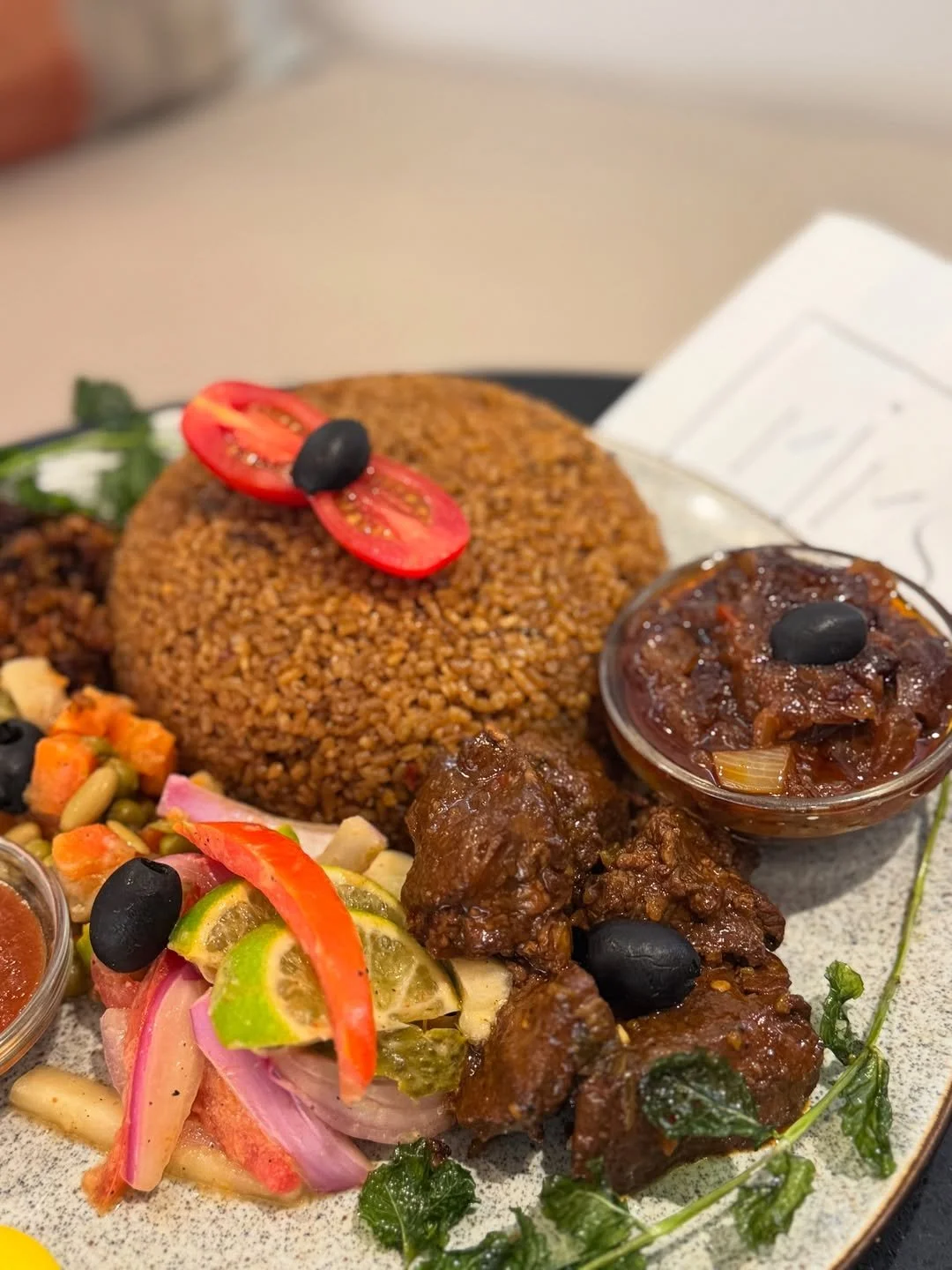
Key Ingredients for Authentic Thiébou Yapp
For 6 to 8 generous servings, gather these:
2 to 2.5 pounds beef stew meat or short ribs cut into large chunks
4 cups broken rice (or long-grain rice rinsed well)
1 large onion finely chopped
4 to 5 garlic cloves minced
1 small can tomato paste (about 6 ounces)
4 to 5 fresh tomatoes blended or chopped
1 cup peanut oil or neutral oil
Vegetables: 4 carrots cut into large pieces, 1 small cabbage quartered, 2 eggplants halved, 1 cassava or 2 potatoes, optional okra or bitter eggplant
Seasonings: 2 bay leaves, 1 teaspoon dried thyme, 1 teaspoon black pepper, salt to taste, optional Scotch bonnet or mild chili for heat
Water or stock as needed
Optional: dried fish or shrimp for extra umami (traditional touch)
The broken rice absorbs sauce beautifully and gives the dish its signature texture.
Fresh ingredients ready for Thiébou Yapp include beef, vegetables, tomatoes, and rice.
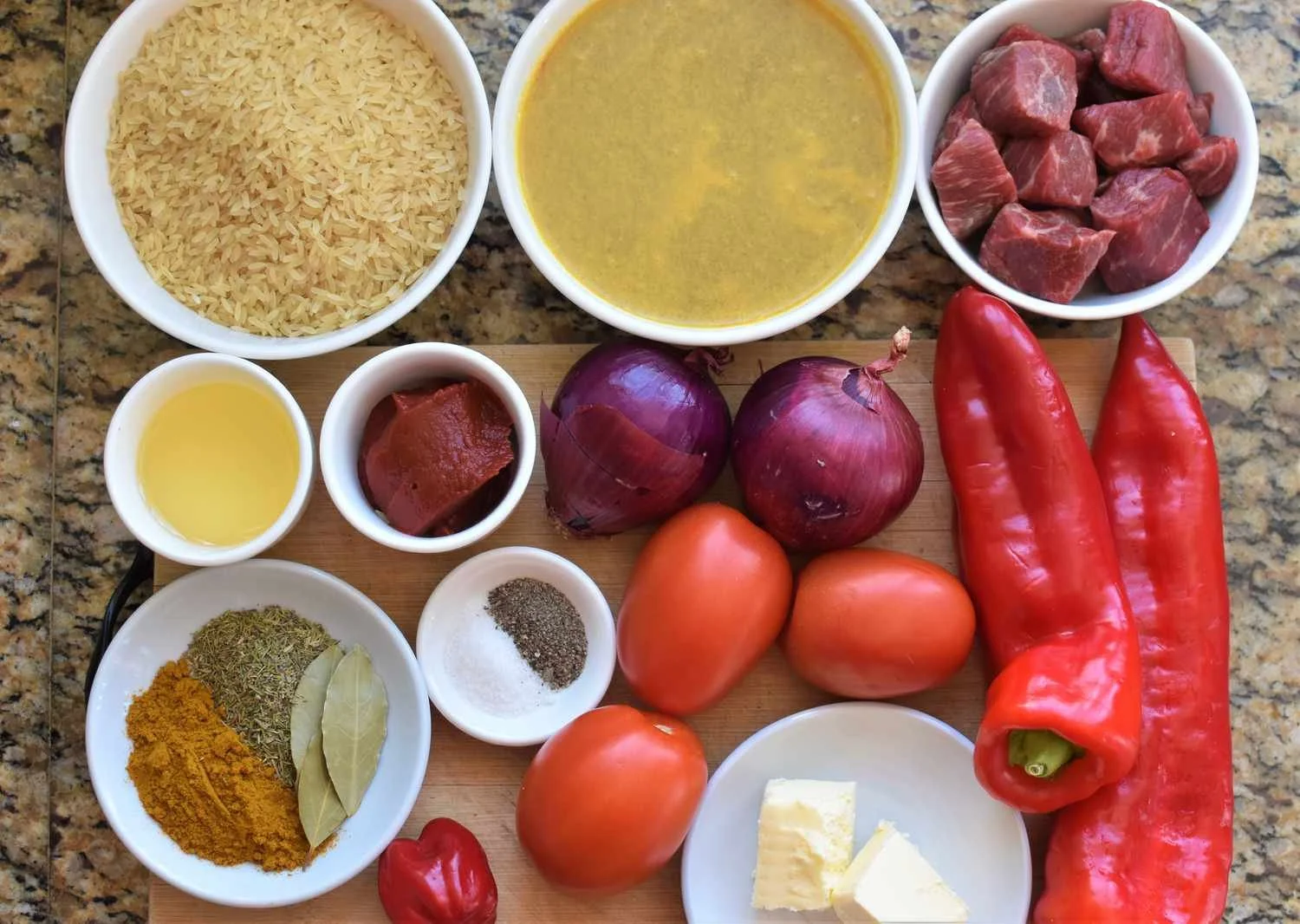
Step-by-Step Recipe: Classic Beef Thiébou Yapp
Prepare the meat Season beef chunks with salt, pepper, and a bit of garlic. Heat oil in a large heavy pot. Brown the beef well on all sides then remove and set aside.
Build the sauce base In the same pot add chopped onion and remaining garlic. Cook until soft. Stir in tomato paste and cook for a few minutes until it darkens. Add blended tomatoes and cook down for 10 minutes.
Simmer the beef Return beef to the pot. Add bay leaves, thyme, pepper, and enough water to cover the meat. Bring to a boil then reduce heat. Simmer covered for 45 to 60 minutes until beef is tender.
Add vegetables Add carrots, cabbage, eggplant, and cassava or potatoes. Cook for 15 to 20 minutes until vegetables start to soften.
Cook the rice Remove some vegetables and meat temporarily if needed. Add the rice and enough liquid (water or stock) to cover by about one inch. Return vegetables and beef on top. Simmer gently uncovered or partially covered for 20 to 30 minutes. Stir occasionally and add liquid if it dries too quickly. The rice should absorb the sauce and become tender.
Finish and rest Turn off heat and let the pot rest for 10 minutes. Fluff gently before serving.
Total active time is about 30 minutes with simmering taking roughly 1.5 to 2 hours.
A large pot of simmering Thiébou Yapp filled with beef, rice, and vegetables shows the one-pot magic.
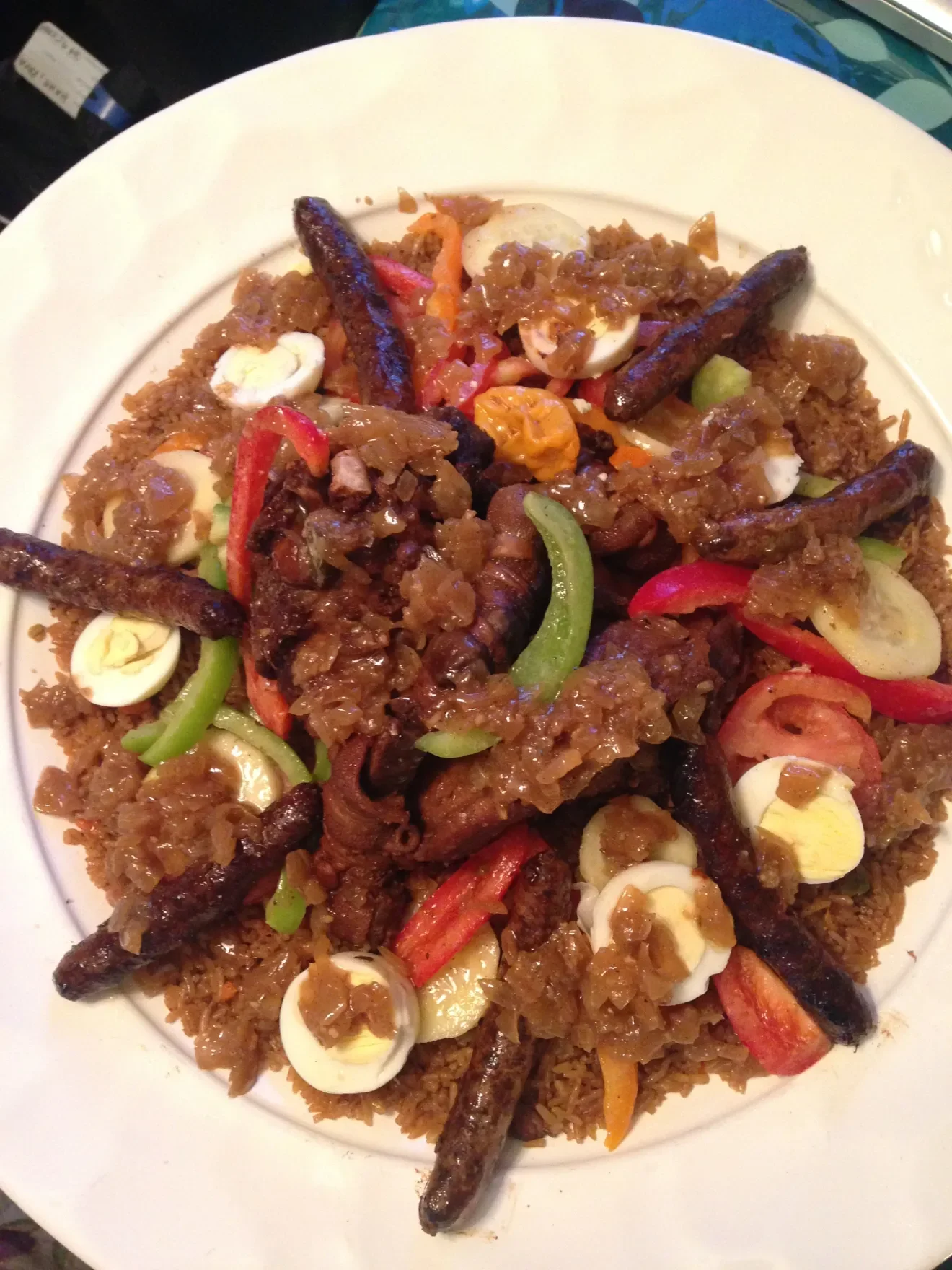
Variations and Tips for Home Cooks
Use lamb or goat for a richer flavor.
Make a lighter version with chicken thighs.
For a quicker weeknight meal brown the beef then use a pressure cooker or Instant Pot for the simmering stage.
Adjust chili according to your heat preference. Many Wolof families keep it mild for children.
Rinse rice well to remove excess starch for fluffier results.
Serving and Cultural Notes
Serve Thiébou Yapp family-style from a large bowl or platter. Everyone gathers around and eats from the shared dish. Place the most tender pieces of beef and colorful vegetables on top for presentation.
Pair with a simple salad or attieké (cassava couscous) on the side. A spicy sosa kaani (chili sauce) on the table lets each person adjust heat.
This communal eating style reflects Wolof values of togetherness and sharing.
Hands reaching into a shared bowl of Thiébou Yapp highlight the warm communal spirit of Senegalese meals.
FAQ: Common Questions About Thiébou Yapp
What is the difference between Thiébou Yapp and Thiéboudienne?
Thiébou Yapp uses beef while the classic Thiéboudienne uses fish. Both share the same rich tomato rice base and vegetable mix.
Can I use regular long-grain rice instead of broken rice?
Yes. Rinse it well. Broken rice absorbs sauce better but regular rice works fine with slight texture differences.
How do I prevent the rice from becoming mushy?
Add liquid gradually and avoid stirring too often once rice is added. Let it rest after cooking.
Is Thiébou Yapp spicy?
Traditional versions are mildly seasoned. Add fresh chili or serve hot sauce on the side for extra heat.
Can I make Thiébou Yapp ahead of time?
Yes. It tastes even better the next day as flavors meld. Reheat gently with a splash of water or stock.
What cut of beef works best?
Stew meat, short ribs, or chuck roast give tender results after long simmering.
Wrapping Up: Bring Senegalese Flavor to Your Table
Thiébou Yapp offers hearty beef satisfaction wrapped in the beloved flavors of Senegalese rice. One pot delivers comfort, richness, and a taste of Wolof hospitality that turns any meal into something special.
Try this recipe soon and enjoy the meaty twist on a national favorite. NKENNE brings more authentic Wolof recipes and language lessons together. Start exploring the culture and flavors that make Senegal unforgettable.