
Somali Generosity & Honour (Sharaf): The Unwritten Rules That Make Strangers Feel Like Family
By: Chimdindu Ken-Anaukwu
In Somali culture, a stranger knocking on your door is rarely turned away. Instead, they are welcomed with tea, food, and conversation as if they belong to the family.
This is not random kindness. It stems from deeply rooted values of generosity and sharaf (honour). These unwritten rules create strong bonds that hold communities together, even during hardship or displacement.
In this NKENNE guide, discover how extreme hospitality, clan interdependence, and personal/family honour work in everyday Somali life.
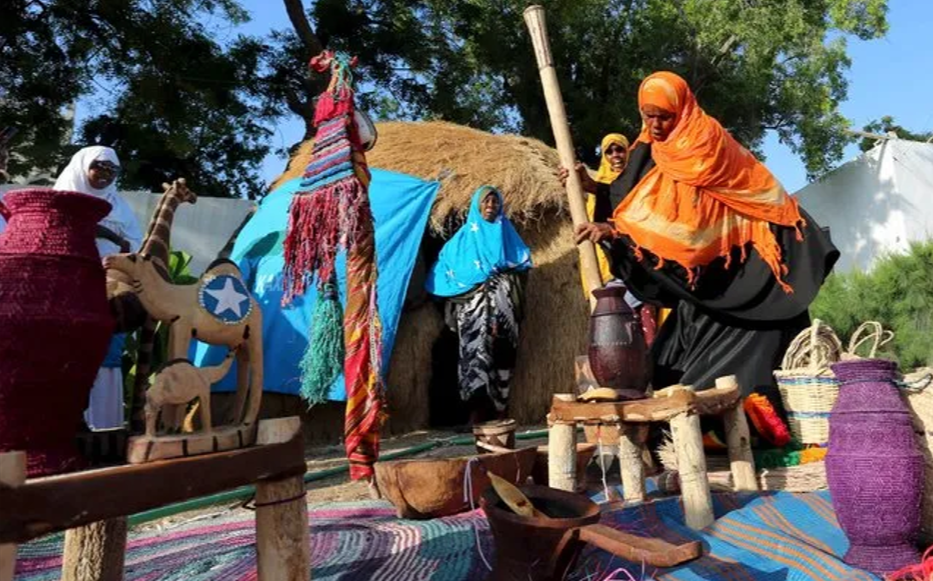
What Is Sharaf?
Sharaf means honour, dignity, and reputation in Somali. It is not about wealth or status. It is about how you treat others, your honesty, and your modesty.
Personal sharaf is closely tied to family and clan reputation. Your actions reflect on everyone connected to you. Behaving with integrity brings pride to the group. Acting selfishly or disrespectfully damages the collective sharaf.
This awareness guides daily behaviour, from greetings to major decisions.
Generosity as a Core Value
Generosity (deeqsinimo) goes far beyond family or clan. Somalis take pride in helping others with food, money, time, or connections.
A traveler can cross long distances relying on the kindness of strangers. Even a poor family will offer water or whatever they have to a guest. Refusing hospitality brings shame.
This value creates a safety net. It turns communities into extended support systems where people look out for one another.
The Power of Clan Interdependence
Clans form the backbone of Somali social structure. They provide protection, identity, and mutual aid.
If someone faces trouble, their clan steps in. In return, individuals contribute to the group's well-being. This interdependence builds loyalty and resilience.
Clan ties also reinforce sharaf. Helping a fellow clan member upholds honour. Failing to do so can harm the group's reputation.
In the diaspora, these networks continue through community events, remittances, and mutual support.
Hospitality in Practice
Hospitality is a daily expression of sharaf and generosity.
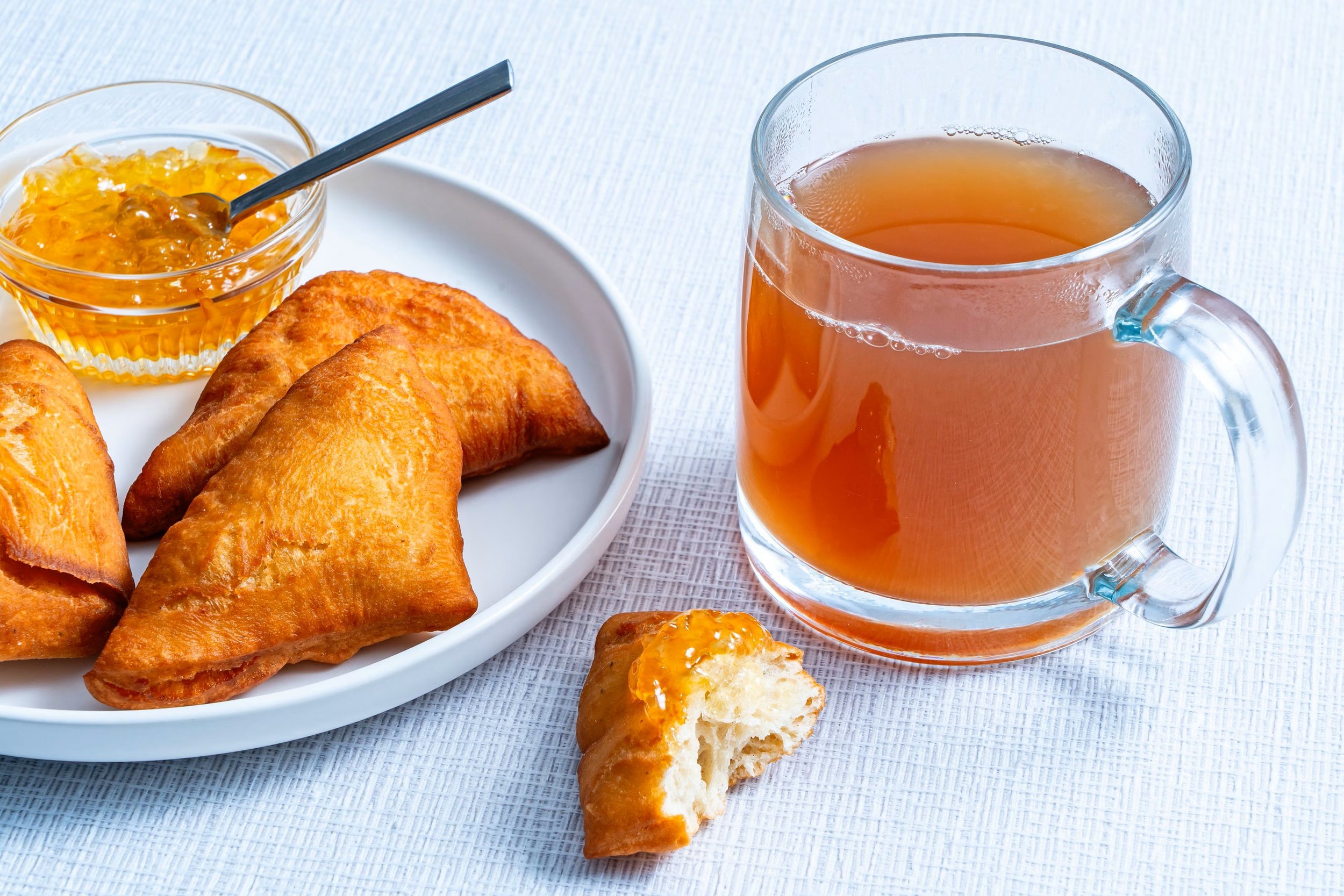
When a guest arrives, the host offers shaah (Somali tea) immediately. Food follows if possible. Guests are seated comfortably and engaged in conversation.
It is polite for the guest to refuse the first offer modestly before accepting on the third. This exchange shows respect from both sides.
Even in modest homes, the best is shared. Leaving a guest hungry or uncomfortable is considered deeply shameful.
These small rituals make visitors feel valued and connected.
How These Values Survive Tough Times
During conflict, drought, or migration, Somali generosity and sharaf become lifelines.
Refugee camps and diaspora communities show the same spirit. Families share limited resources. Newcomers receive support to settle.
Clan systems adapt to provide protection when formal governments are weak. Honour continues to guide behaviour, encouraging people to maintain dignity amid challenges.
These values prove remarkably durable, helping Somalis rebuild and thrive wherever they are.

FAQs
What does sharaf really mean in Somali culture?
Sharaf refers to personal and family honour, dignity, and reputation. It influences how people act and interact in almost every situation.
Is Somali hospitality only for clan members?
No. Generosity often extends to strangers. A traveler or visitor can expect welcome regardless of clan background.
How do clans support interdependence?
Clans offer protection, aid during hardship, and social identity. Members help one another, strengthening collective bonds and honour.
Why is refusing a gift or offer done multiple times?
It shows humility and avoids appearing greedy. The host insists to demonstrate generosity.
Does sharaf still matter in the diaspora?
Yes. Many families maintain these values through community support, remittances, and preserving cultural practices.
Can non-Somalis experience this hospitality?
Absolutely. Somalis are known for welcoming outsiders warmly. Respectful behaviour is usually met with open arms.
Somali generosity and sharaf show how unwritten rules can create powerful human connections. They turn potential strangers into family and keep communities strong through good times and bad.
These values are part of what makes Somali culture resilient and warm. Explore more aspects of Somali life and language on the NKENNE app. You will gain deeper understanding and appreciation with every step.