
By: Chimdindu Ken-Anaukwu
Cape Verde’s islands were empty when Portuguese ships first arrived in the mid-15th century. No indigenous people lived there. What grew instead was something entirely new: a Creole society created through the mixing of Portuguese settlers, enslaved Africans from West Africa, and smaller groups of other origins. This guide traces how that unique identity formed, how language and culture emerged from forced and free encounters, and why Cape Verdeans still carry this Creole heritage with pride today.
Empty Islands: The Starting Point
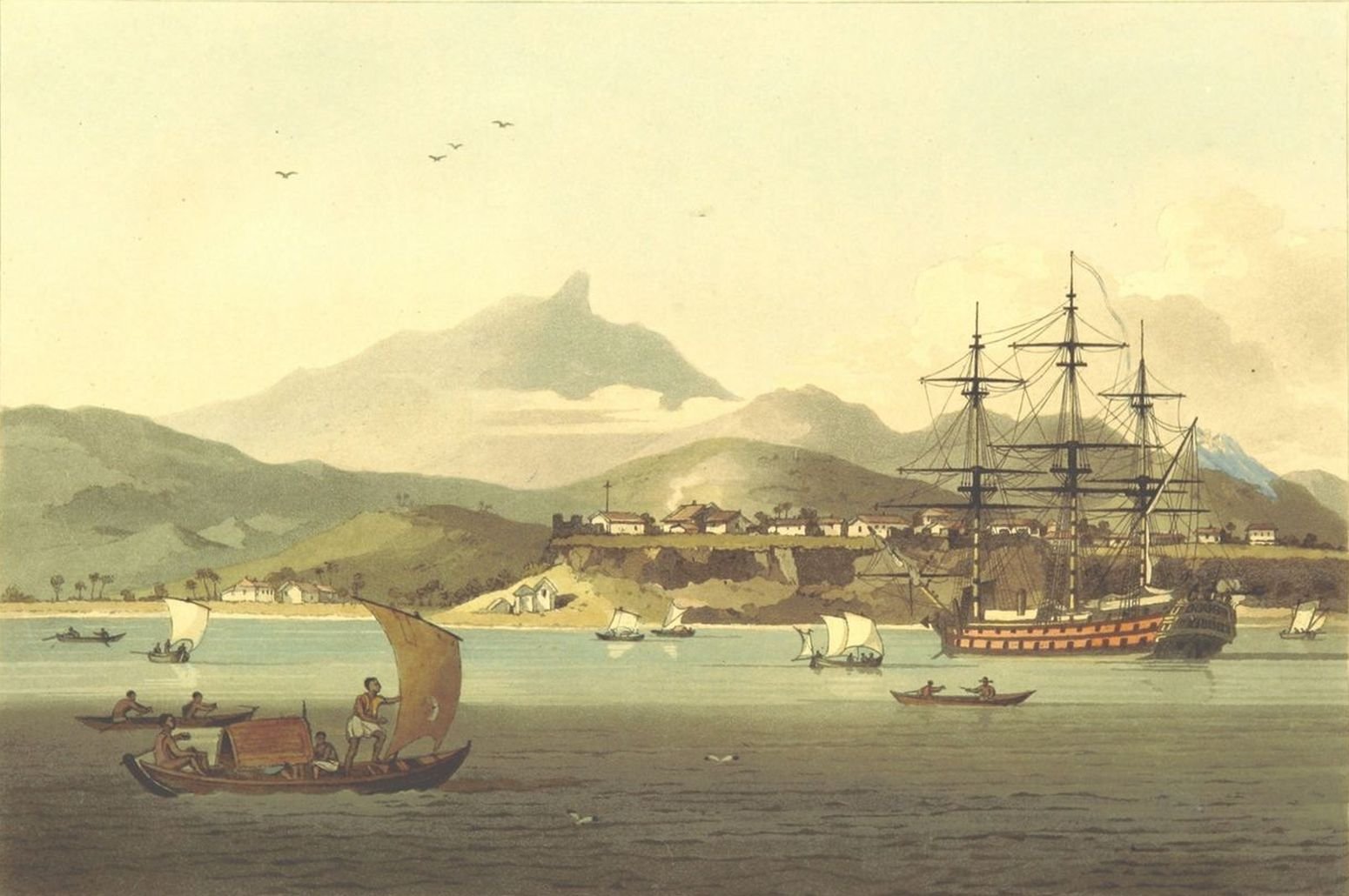
When Portuguese navigators reached the Cape Verde archipelago in the 1450s and 1460s, the islands were uninhabited. There were no permanent settlements or indigenous populations. This “blank slate” made Cape Verde different from most African territories the Portuguese encountered.
Settlement began seriously in the 1460s. Ribeira Grande (today’s Cidade Velha) on Santiago island became the first permanent European town in the tropics. From this base, a new society took shape under conditions of isolation, harsh climate, and heavy reliance on the slave trade.
Who Arrived and Why
The early population came from two main sources. Portuguese settlers, including men from the mainland, the Azores, and the Algarve, arrived as colonists, traders, administrators, and soldiers. Some Jewish exiles and other Europeans also came.
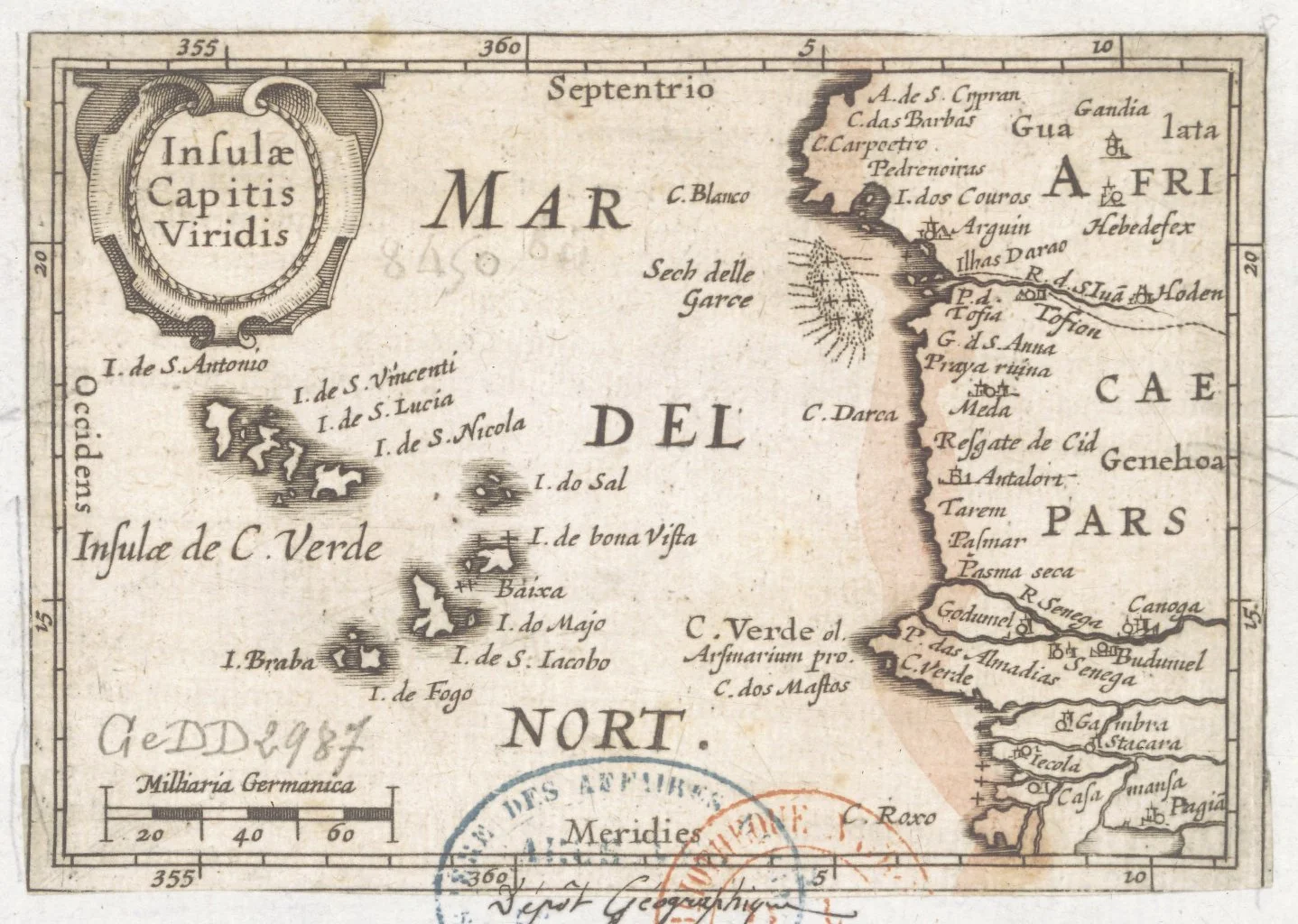
At the same time, large numbers of enslaved Africans were brought from the West African coast, especially the Senegambia region. These people spoke diverse languages and carried varied cultural traditions. Over time, smaller groups from other parts of Africa and the Atlantic world were added through trade and migration.
The islands’ location made them a key stop in the early Atlantic slave trade. Many Africans stayed on Cape Verde rather than continuing across the ocean, becoming part of the permanent population.
The Mixing That Created a New People
From the earliest decades, Portuguese men and African women formed unions. Children of these unions, known as mestiços or crioulos, grew up belonging fully to neither the European nor the African world of their parents. They became the core of a new island-born population.
This mixing was driven by demography more than ideology. Portuguese women were few in the early years, and the colonial economy depended on enslaved labor. Over generations, the majority of Cape Verdeans came to carry both African and European ancestry. Genetic studies confirm early and significant admixture, primarily between Iberian and West African (especially Senegambian) populations.
The result was not a simple blend. It was a new Creole people shaped by the specific conditions of the islands.
Language as the Heart of Creole Identity
Cape Verdean Creole (Kriolu or Cabo Verdean) emerged as the everyday language of this new society. It combined Portuguese vocabulary with grammatical structures and influences from West African languages. It became the first language of most islanders and a powerful marker of belonging.
While Portuguese remained the language of administration and formal education, Kriolu carried the emotions, humor, stories, and daily life of the people. Different islands developed their own varieties, yet all shared a common Creole foundation.
Social Hierarchy and Everyday Creole Life
Colonial society was hierarchical. European-born Portuguese sat at the top, followed by local whites, free people of mixed and African ancestry, and enslaved people at the bottom. Yet the boundaries were more fluid than in many other plantation societies because of the high rate of mixing and the islands’ isolation.
Over time, island-born Creoles of mixed ancestry played important roles as intermediaries in trade, administration, and cultural life. Family networks, godparent relationships, and shared language helped create a sense of common identity that crossed some of the official racial lines.
Cultural Expressions of a New Identity
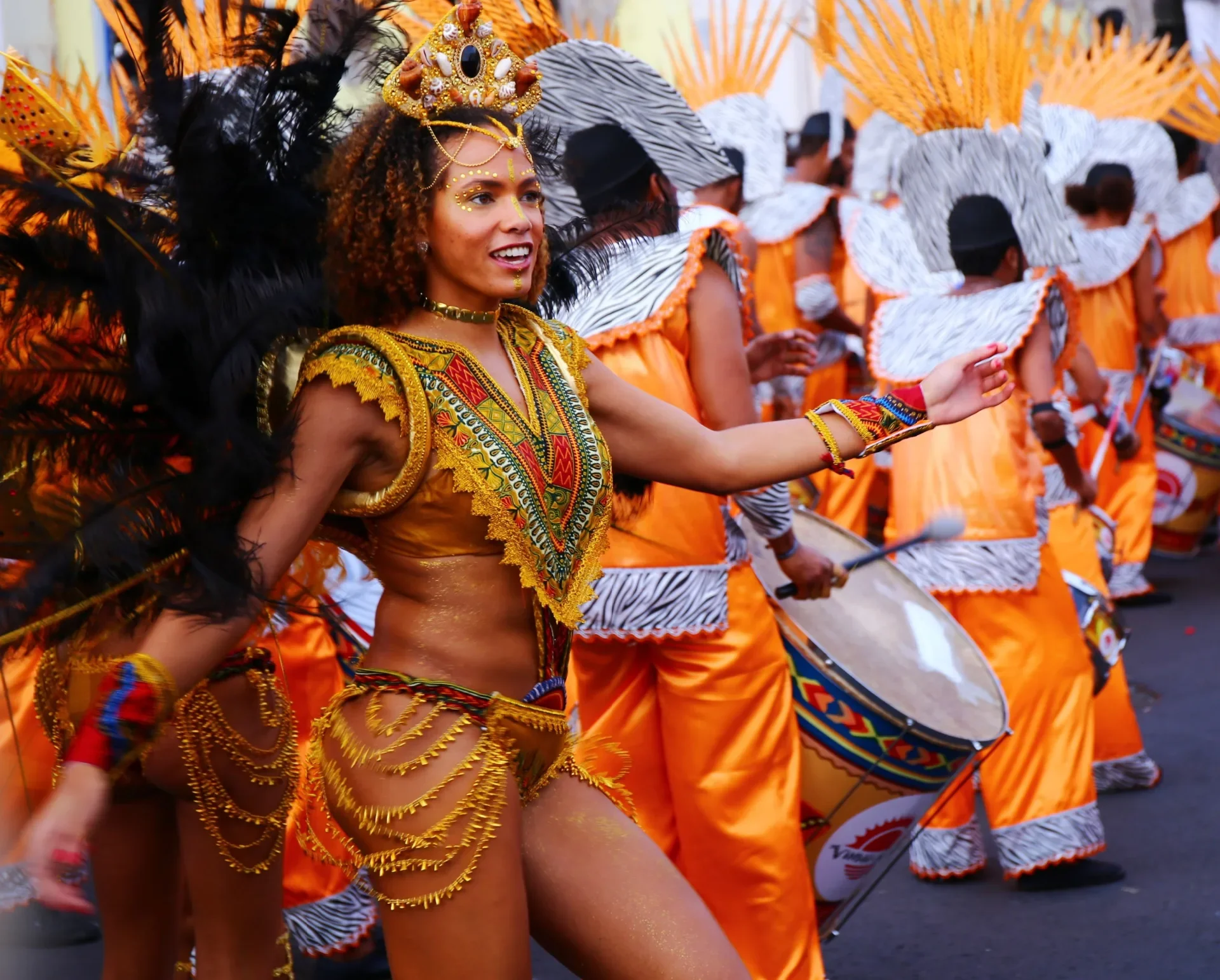
Creole identity expressed itself in music, food, storytelling, and social customs. The melancholic morna and energetic funaná both grew from this mixed heritage. Cuisine combined African staples and techniques with Portuguese and island ingredients. Oral traditions, proverbs, and ways of relating to family and community reflected the blending of influences.
These cultural forms became ways for Cape Verdeans to affirm who they were, even under colonial rule.
Creole Identity in the Modern Era
After independence in 1975, Cape Verdeans embraced their Creole identity with new confidence. Kriolu gained greater recognition alongside Portuguese. Music, literature, and public culture celebrated the unique history of a people born on empty islands through the encounter of Africa and Europe.
Today, Cape Verdeans at home and in the large diaspora continue to define themselves through this Creole heritage. It is a source of pride, creativity, and connection across the Atlantic.
FAQs
Were the Cape Verde islands really uninhabited before the Portuguese?
Yes. Historical consensus holds that the islands had no permanent population when Portuguese navigators arrived in the mid-15th century.
Where did most of the African ancestors of Cape Verdeans come from?
Primarily from the West African coast, especially the Senegambia region, through the early Atlantic slave trade.
What does “Creole” mean in the Cape Verdean context?
It refers to the new mixed society, people, language, and culture that developed on the islands from African and Portuguese roots.
Is Cape Verdean Creole the same as Portuguese?
No. It is a Portuguese-based Creole language with its own grammar, vocabulary influences, and island varieties.
How do modern Cape Verdeans view this mixed history?
Most embrace Creole identity as a central part of who they are, seeing strength in the blending of African and European heritages.
Why does this history matter for language learners?
Understanding the origins of Cape Verdean people and Kriolu deepens appreciation for the culture and makes the language more meaningful.
Final Thoughts
Cape Verde’s Creole people did not inherit an ancient island culture. They created one. From empty volcanic islands, through the forced and free mixing of African and Portuguese lives, a distinct society was born. Its language, music, family patterns, and sense of self still carry the memory of that beginning.
Knowing this history helps you see Cape Verdeans not as a simple mixture of two worlds, but as the creators of a third. That understanding brings richer meaning to every conversation, song, and story that comes from the islands.
Ready to go deeper into Cape Verdean language, culture, and history? Join NKENNE for lessons that connect words to the real lives and stories of Lusophone Africa. Let’s keep learning together.